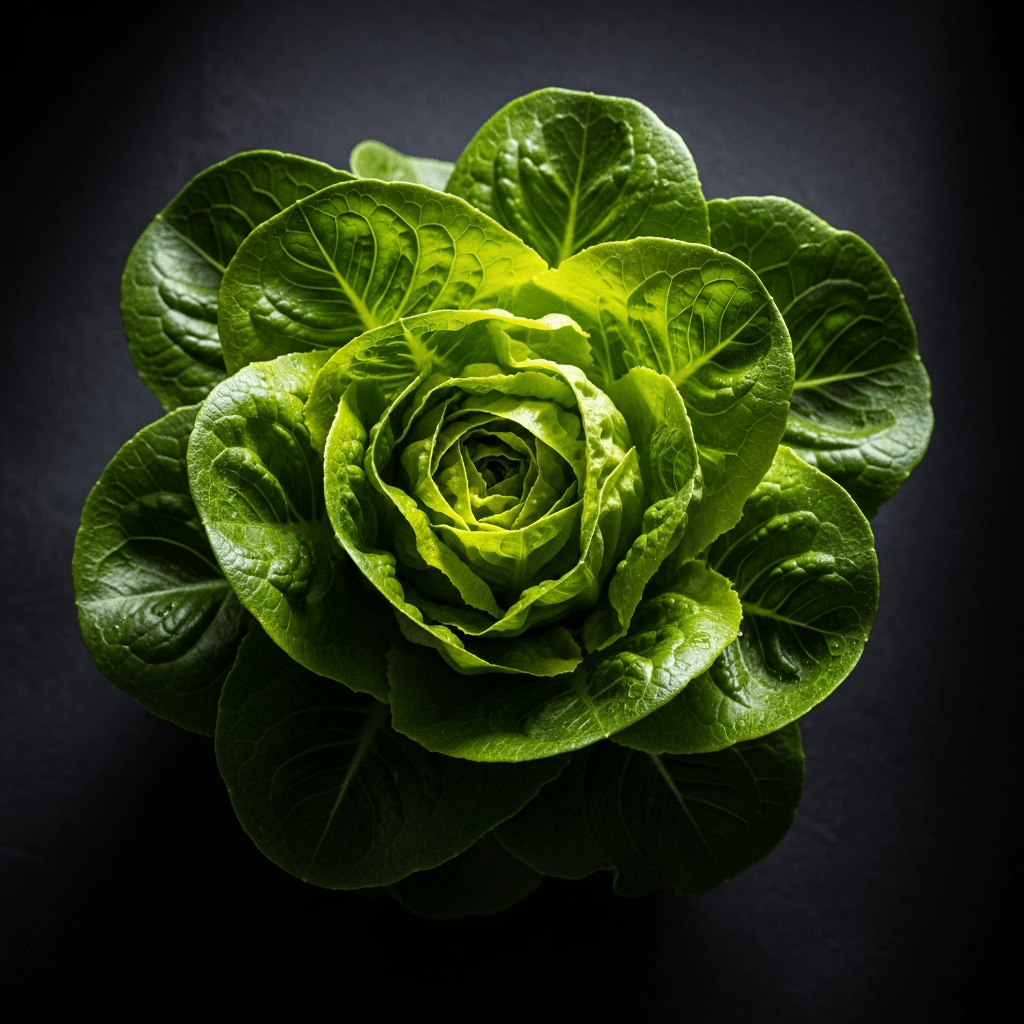
Grand Rapids Lettuce
Grand Rapids Lettuce is a classic loose-leaf cultivar of Lactuca sativa prized for its crisp texture, vigorous growth, and adaptability to cool climates.
Grand Rapids Lettuce is a classic loose-leaf cultivar of Lactuca sativa prized for its crisp texture, vigorous growth, and adaptability to cool climates.
Originating in Grand Rapids, Michigan, USA, Grand Rapids Lettuce was developed by Eugene Davis and introduced around 1894. It emerged from selections of open-pollinated leaf lettuce types, tailored for rapid growth and cool-season cultivation.
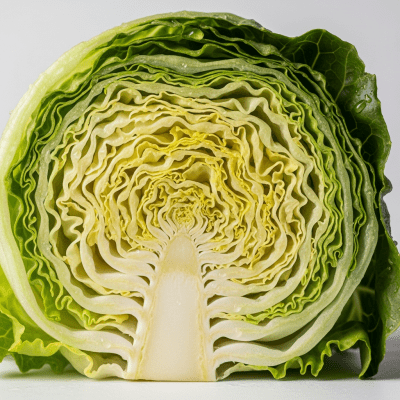
Belonging to the species Lactuca sativa, Grand Rapids Lettuce is classified within the leaf lettuce group, distinguished by its loose, non-heading growth habit among the broader lettuce family.
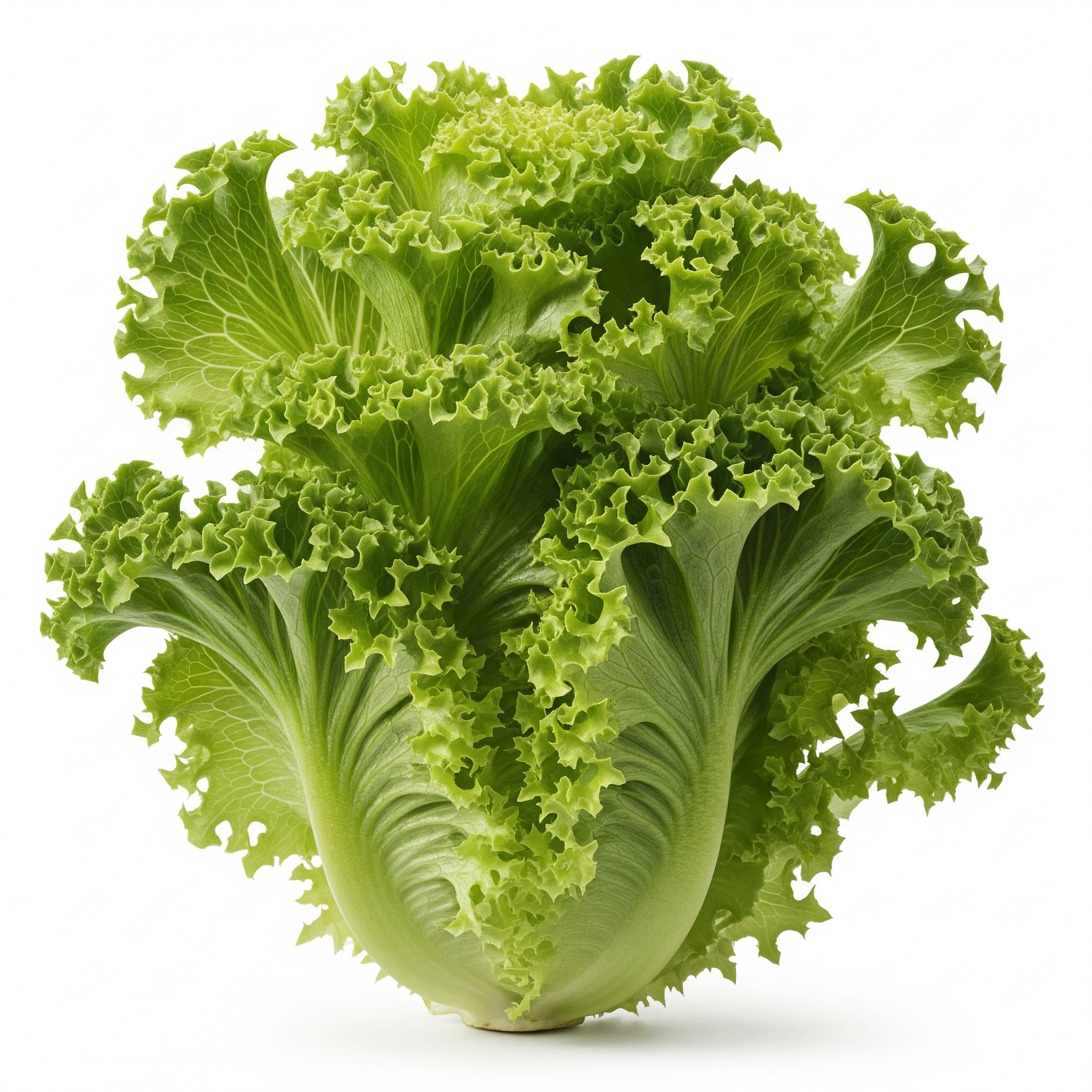
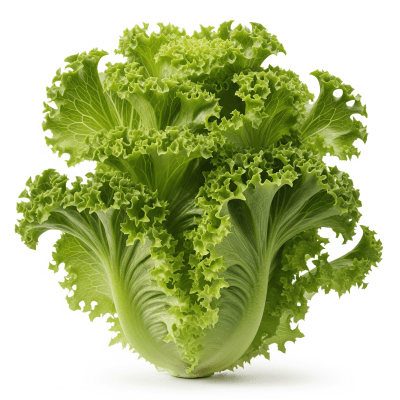
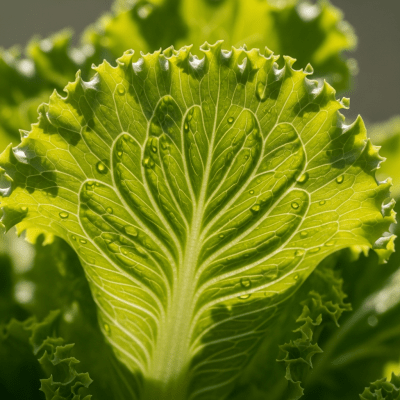
This cultivar forms loose, open rosettes of bright green, heavily ruffled leaves with a crisp texture. Plants typically reach about 25 cm in height, showcasing frilled leaves arranged in an airy, non-compact head.
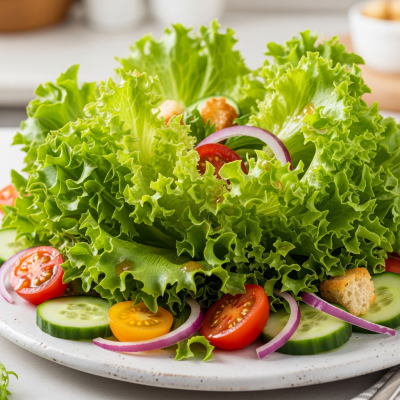
Grand Rapids Lettuce thrives in cool climates and matures quickly within 45 to 55 days. It is commonly harvested using a cut-and-come-again method, allowing multiple leaf harvests throughout the growing season. Its mild flavor and crispness make it ideal for fresh salads, sandwiches, and garnishes.
Bring this kind into your world illustrated posters, mugs, and shirts.
Archival print, museum-grade paper
Buy Poster
Stoneware mug, dishwasher safe
Buy Mug
Soft cotton tee, unisex sizes
Buy ShirtWidely cultivated across North America, especially in the Midwest United States and Canada, Grand Rapids Lettuce has become a staple in home gardens and commercial markets, symbolizing dependable cool-season leafy greens in regional agriculture.
Grand Rapids Lettuce is a representative of the leaf lettuce type, characterized by loose, non-heading growth and frilled leaves. While it does not have widely recognized sub-varieties, it is closely related to other open-leaf cultivars favored for rapid growth and cool-season production.
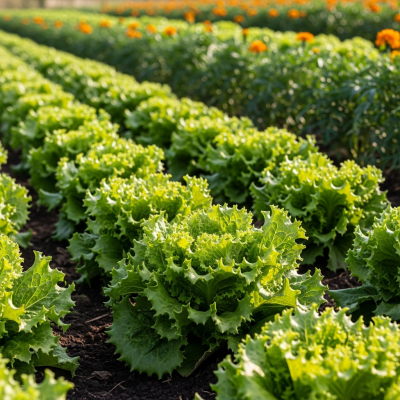

For best results, sow Grand Rapids Lettuce in cool weather, ideally early spring or fall. Ensure well-drained, fertile soil with consistent moisture to promote crisp, tender leaves. Avoid high heat to prevent bolting, and consider planting resistant strains to mitigate downy mildew risks.
Like most lettuces, Grand Rapids Lettuce is low in calories and rich in water content, providing dietary fiber, vitamins A and K, and antioxidants. Its crisp leaves contribute to hydration and support a healthy diet when consumed fresh.
Grand Rapids Lettuce is susceptible to downy mildew caused by Bremia lactucae, which can affect leaf quality. It shows moderate resistance to bolting but can be vulnerable to common lettuce pests such as aphids and slugs. Employing resistant cultivars and good cultural practices helps manage these threats effectively.