Stem Lettuce
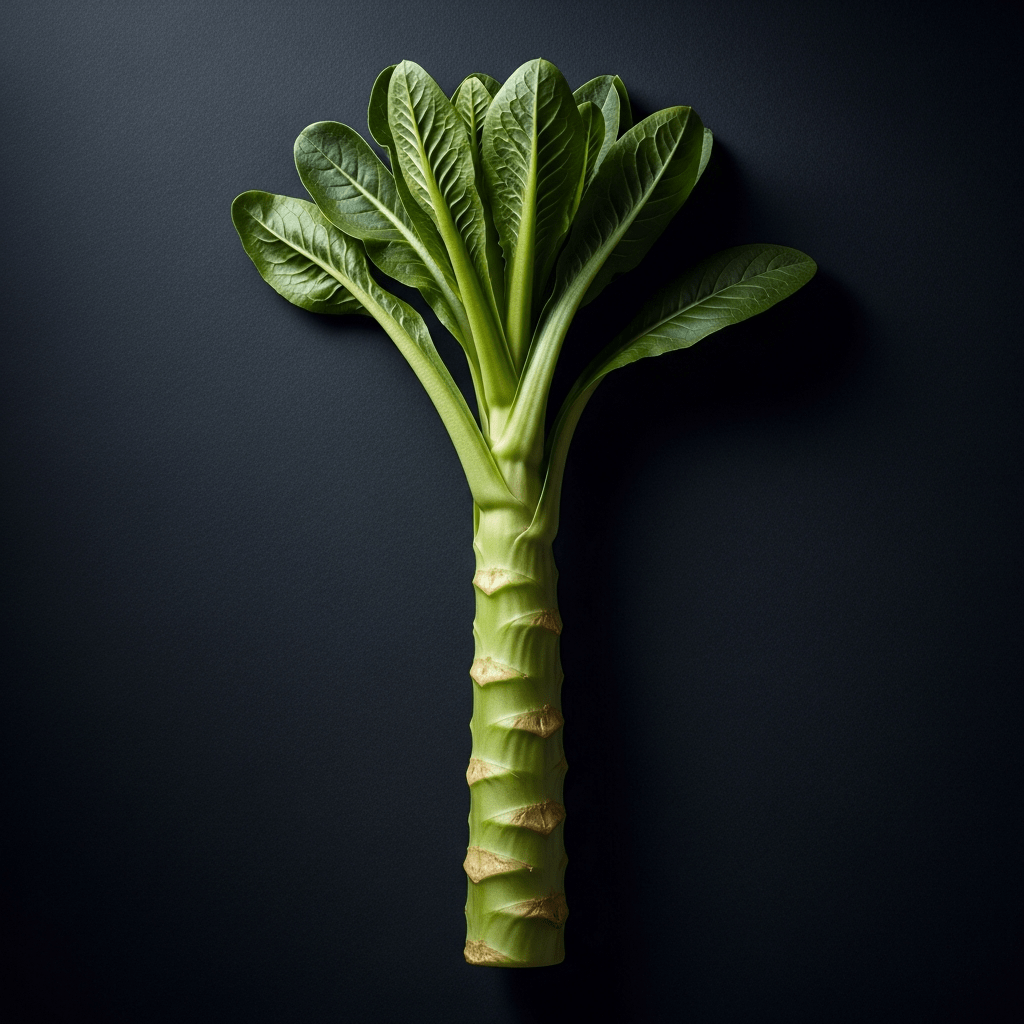
Stem lettuce (Lactuca sativa var. angustana), also known as celtuce or asparagus lettuce, is a unique variety of lettuce cultivated primarily for its thick, edible stem rather than its leaves.
Stem lettuce (Lactuca sativa var. angustana), also known as celtuce or asparagus lettuce, is a unique variety of lettuce cultivated primarily for its thick, edible stem rather than its leaves.
Originating in China, stem lettuce has been cultivated for centuries as a traditional vegetable. Its domestication focused on selecting plants with enlarged, tender stems, a process that predates modern breeding records and reflects its longstanding cultural importance in East Asia.
Stem lettuce belongs to the species Lactuca sativa within the daisy family (Asteraceae) and is classified as the variety angustana. It is distinct among lettuce types for its emphasis on stem development rather than leafy heads, setting it apart from common horticultural groups like Butterhead or Romaine.
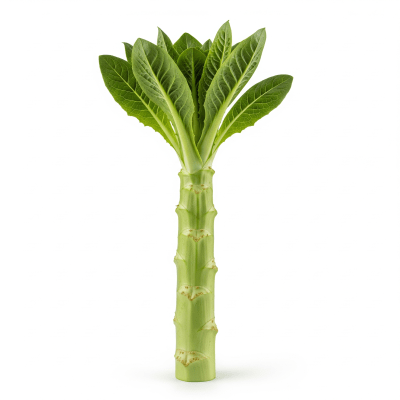
This lettuce variety is notable for its robust, elongated stem, typically 15 to 30 centimeters long and 3 to 5 centimeters in diameter, with a pale green to light brown hue. The leaves are narrow and sparse, generally overshadowed by the thick, crisp, and tender stem that defines the plant's form and culinary appeal.
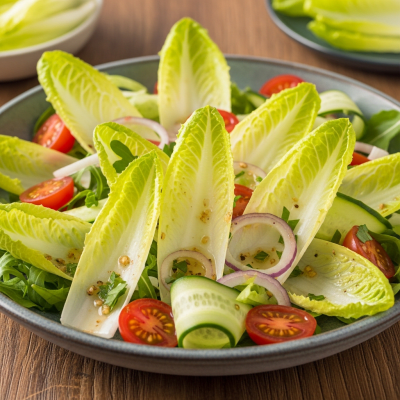
Stem lettuce is cultivated for harvesting its succulent stem, which is enjoyed peeled and prepared in various ways. Its crisp texture and mild flavor make it ideal for raw salads, pickling, or stir-frying, especially in Chinese and Southeast Asian cuisines. The leaves are occasionally used but are considered secondary to the prized stem.
Bring this kind into your world illustrated posters, mugs, and shirts.
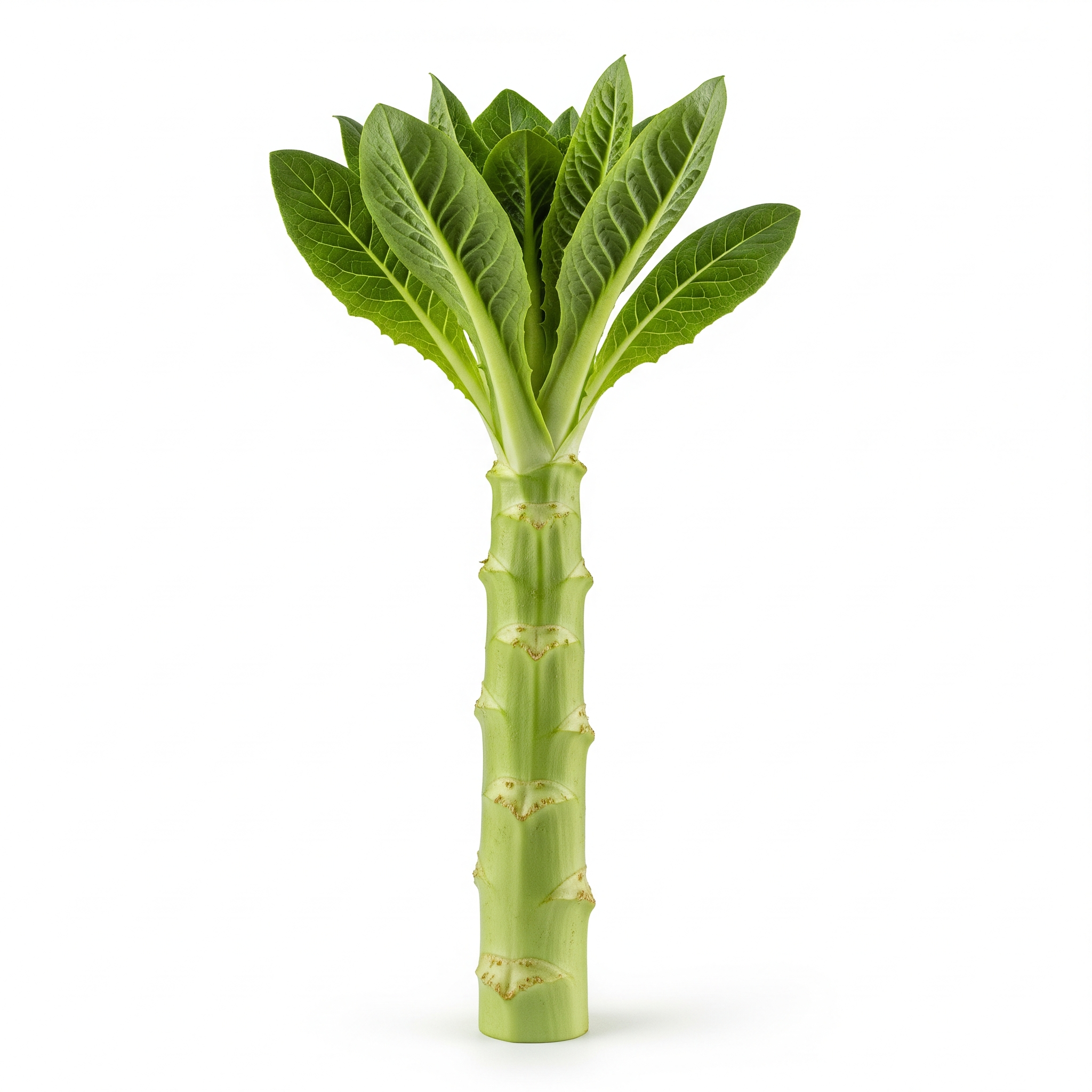
Archival print, museum-grade paper
Buy Poster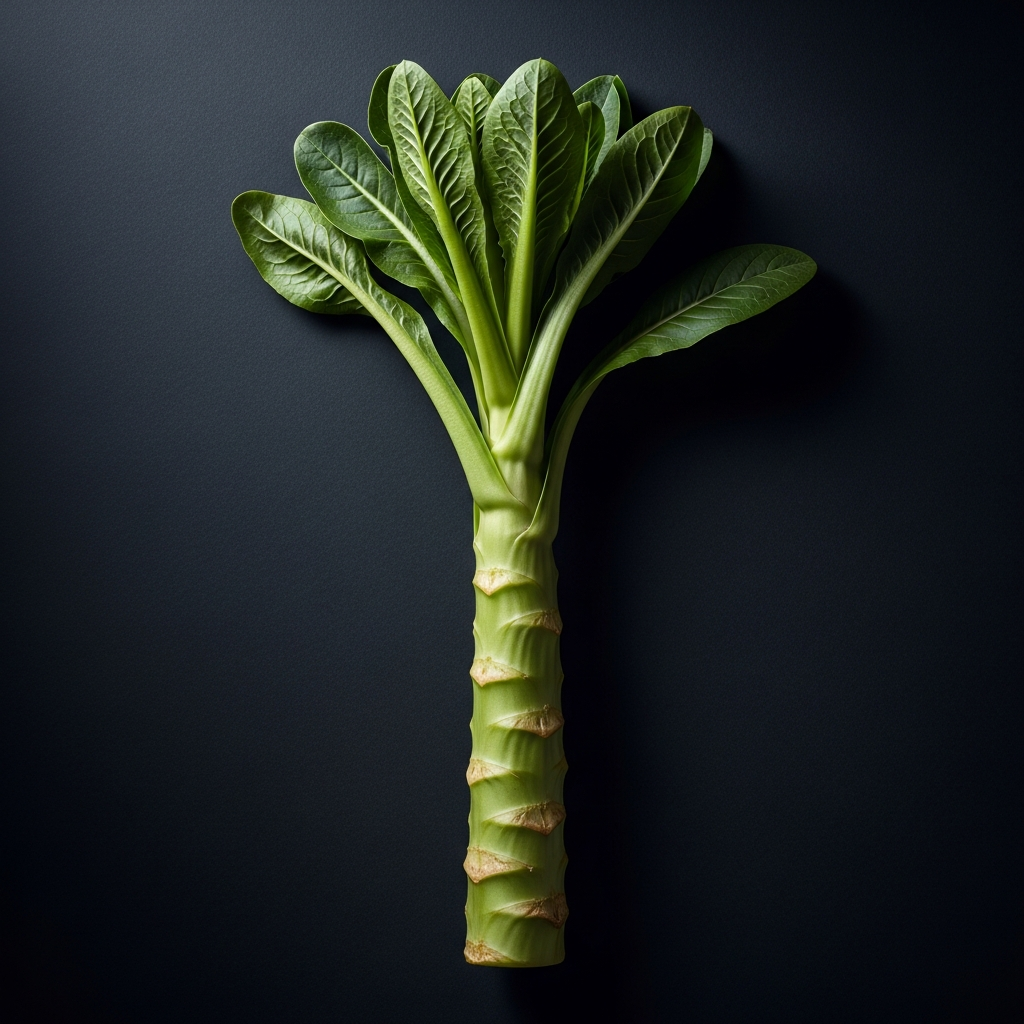
Stoneware mug, dishwasher safe
Buy Mug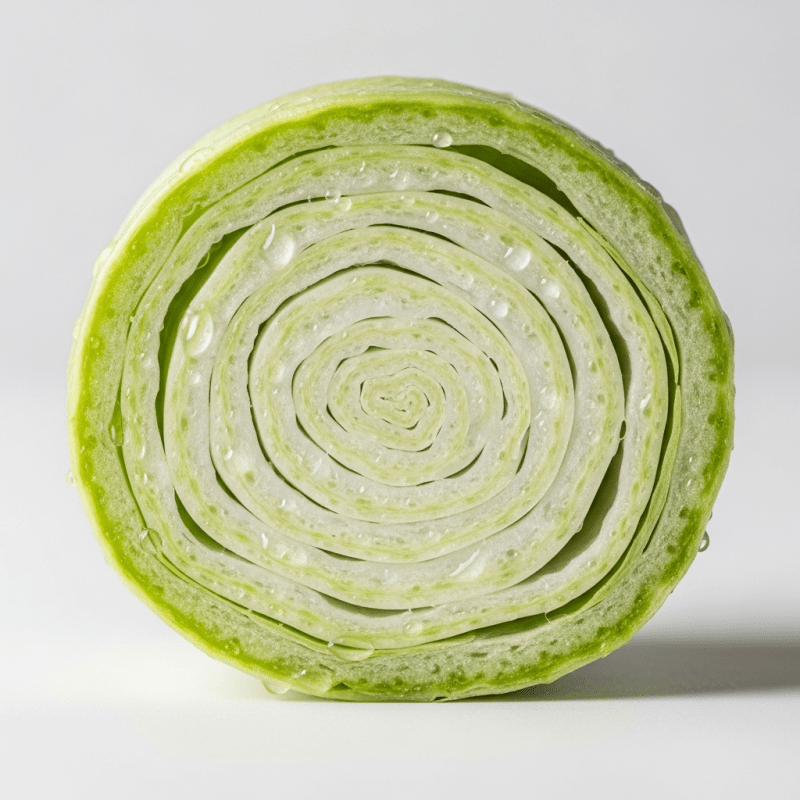
Soft cotton tee, unisex sizes
Buy ShirtIn East Asian culinary traditions, stem lettuce holds a valued place as a versatile vegetable, often featured in home cooking and markets. Known locally as "wosun" in Mandarin, it symbolizes both agricultural heritage and regional taste preferences. Its growing popularity in Western niche markets reflects a cultural exchange and appreciation for this distinctive lettuce variety.
Stem lettuce itself is a distinct horticultural group within Lactuca sativa, with regional variants differing in stem length, color, and leaf morphology. While no widely recognized named cultivars dominate, variations exist between Chinese and Southeast Asian types, reflecting local preferences and growing conditions.




Stem lettuce thrives best in cool to moderate climates and typically matures between 60 and 90 days. It prefers well-drained soil and consistent moisture to support stem development. While moderately tolerant to heat, care should be taken to avoid conditions that promote bolting. Vigilance against aphids and downy mildew is important for healthy crops.
Stem lettuce offers a crisp, hydrating vegetable option with high water content and a mild flavor. While specific nutrient profiles vary, it provides dietary fiber and essential vitamins common to leafy greens, making it a refreshing and healthful addition to salads and cooked dishes.
Common challenges in stem lettuce cultivation include susceptibility to aphids and downy mildew, which can affect plant health and yield. The variety shows moderate tolerance to bolting and some fungal diseases, but integrated pest management and proper spacing can help mitigate these threats.