
Dormant Volcano
A dormant volcano is a volcanic landform that is not currently erupting but retains the potential to erupt again in the future, distinguishing it from both active and extinct volcanoes.
A dormant volcano is a volcanic landform that is not currently erupting but retains the potential to erupt again in the future, distinguishing it from both active and extinct volcanoes.
The term "dormant volcano" emerged from 19th-century volcanological studies seeking to classify volcanoes by their eruptive history and likelihood of future activity. Early geological surveys identified volcanoes that had not erupted in recorded history yet showed signs of possible reactivation. Over time, authorities like the USGS and Smithsonian Global Volcanism Program refined the definition using historical records, geological evidence, and monitoring data.
Dormant volcanoes belong to the broader family of volcanic landforms categorized by activity status. They are distinct from active volcanoes, which are currently erupting or have erupted recently, and from extinct volcanoes, which show no expected future eruptions. Dormancy indicates a temporary pause in activity with ongoing potential for reawakening.
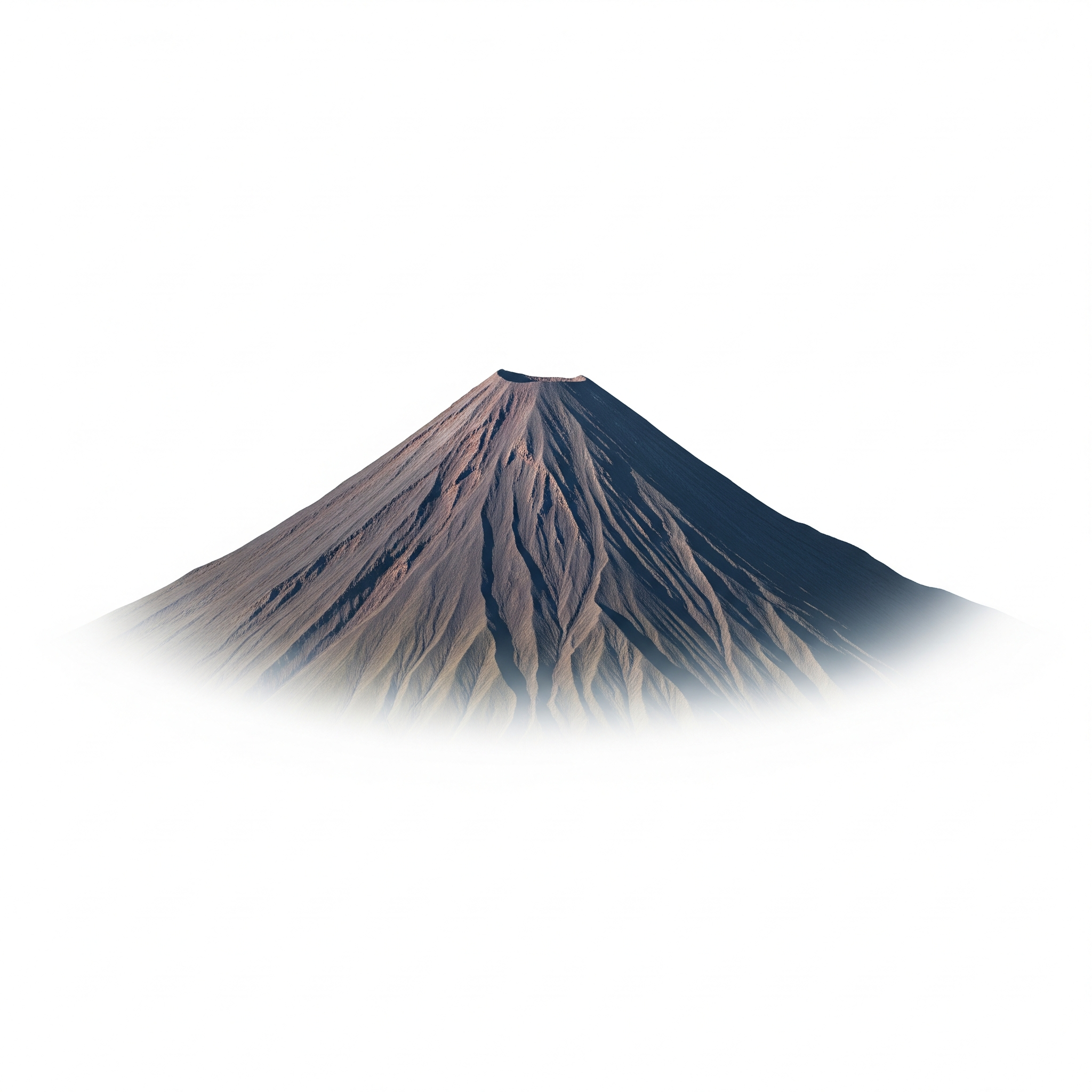
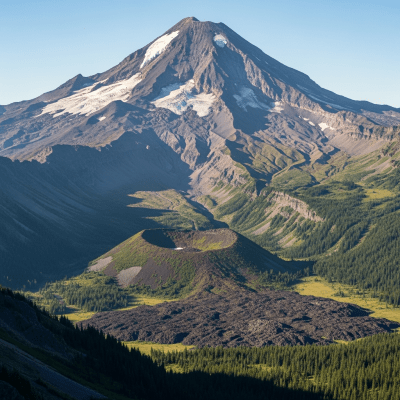
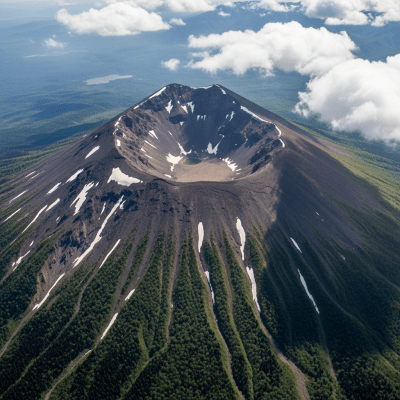
Dormant volcanoes exhibit a variety of forms, including stratovolcanoes, shield volcanoes, cinder cones, and calderas. Their physical traits vary widely, from the towering, conical profile of Mount Fuji to the broad slopes of shield volcanoes. Many have well-preserved summit craters and may display glaciated slopes or geothermal features like fumaroles and hot springs, hinting at underlying magmatic heat.
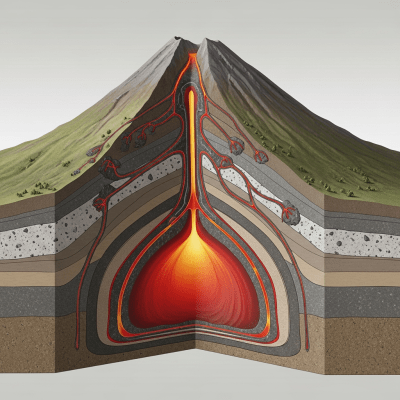
While dormant volcanoes are not currently erupting, they remain geologically active beneath the surface and can suddenly reactivate. Their presence influences local ecosystems and human activity, often attracting scientific study, tourism, and cultural interest. Geothermal features associated with dormancy can be harnessed for energy, and their landscapes offer recreational opportunities.
Bring this kind into your world illustrated posters, mugs, and shirts.
Archival print, museum-grade paper
Buy Poster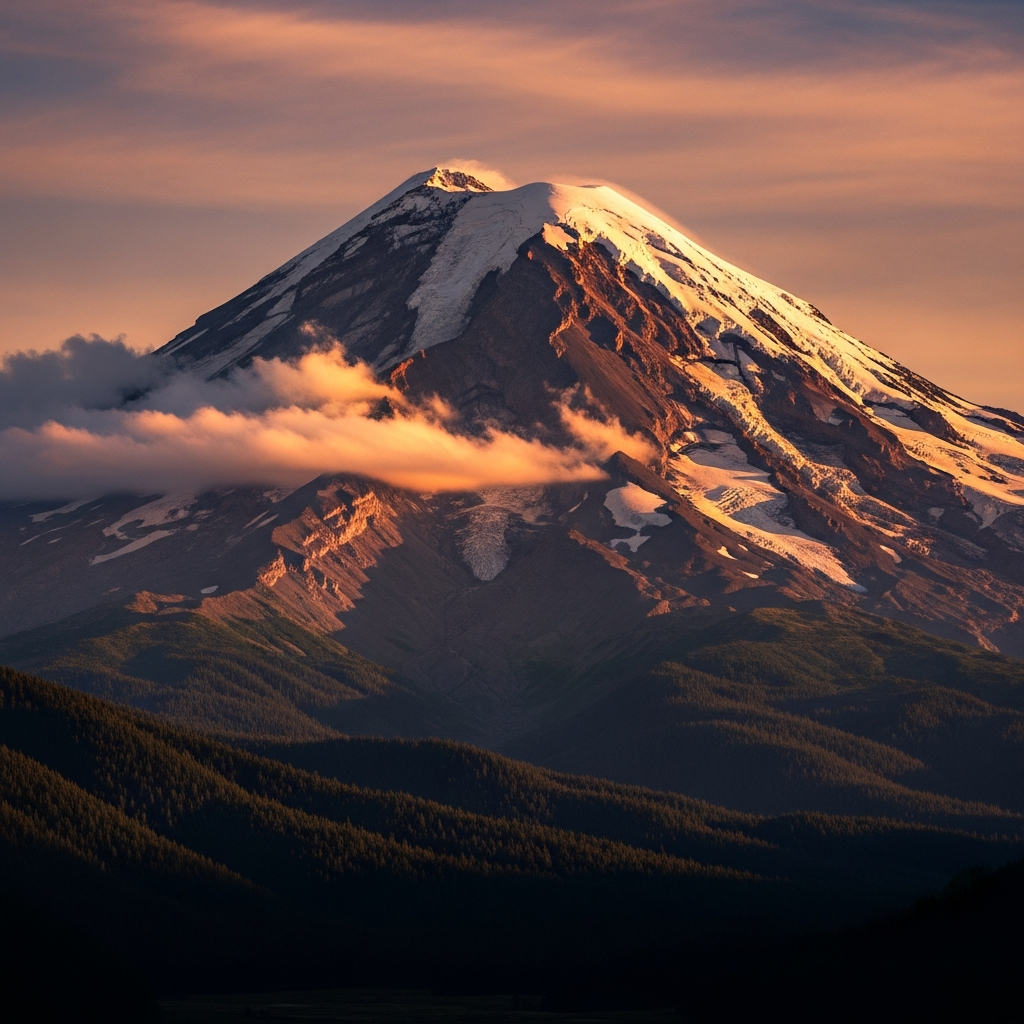
Stoneware mug, dishwasher safe
Buy Mug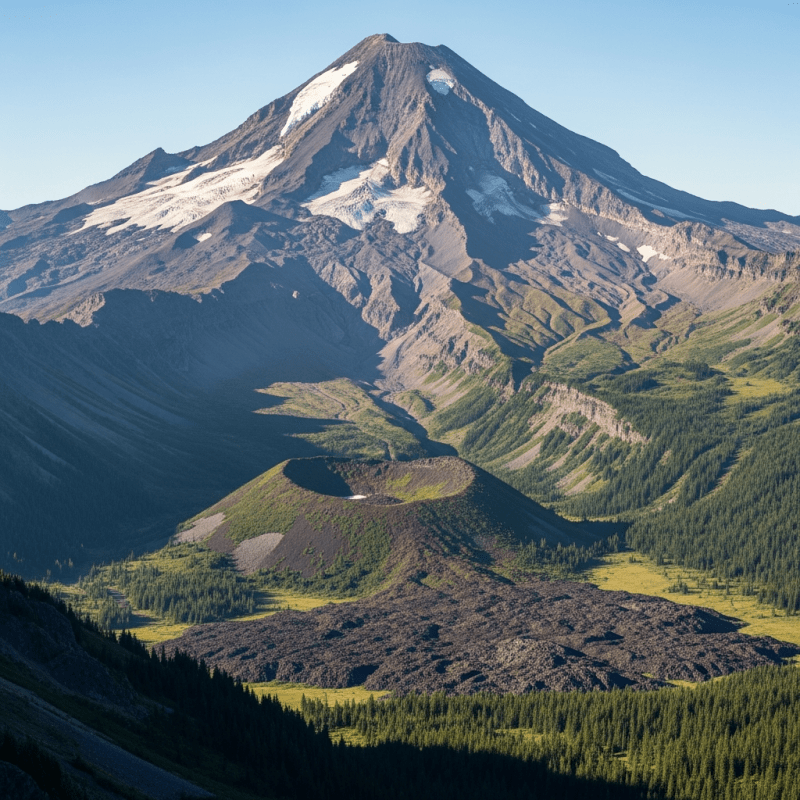
Soft cotton tee, unisex sizes
Buy ShirtDormant volcanoes hold important places in art, mythology, and modern culture. For example, Mount Fuji is revered in Japanese tradition and frequently depicted in art and literature. These volcanoes often symbolize latent power and natural beauty, inspiring stories and spiritual reverence across cultures.
Dormant volcanoes exhibit a range of eruption styles depending on their morphology and magma composition. Stratovolcanoes may produce explosive eruptions, while shield volcanoes tend toward effusive lava flows. Eruptions can vary from violent pyroclastic events to gentle lava effusions when reactivated.

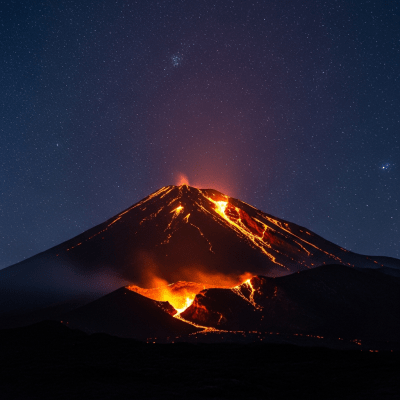
Although dormant, these volcanoes pose hazards including sudden reactivation, pyroclastic flows, lahars (volcanic mudflows), and ashfall. Because they may erupt with little warning, nearby populations and infrastructure can be at significant risk.
Notable dormant volcanoes include Mount Rainier in Washington State, USA, known for its towering height and glaciated slopes, and Mount Fuji in Japan, an iconic stratovolcano revered culturally and historically. Both have long periods of quiescence but remain closely monitored due to their potential for future eruptions.
Dormant volcanoes are monitored through seismic activity, gas emissions, ground deformation, and thermal imaging to detect signs of reawakening. Agencies like the USGS and Japan Meteorological Agency maintain surveillance and issue warnings. Safety measures include hazard mapping, evacuation planning, and public education to mitigate risks.
Over time, dormant volcanoes shape landscapes through past eruptions, creating fertile soils, rugged terrain, and unique ecosystems. Their geothermal activity influences local hydrology and can sustain hot springs. When reactivated, they can dramatically alter environments, but during dormancy, they contribute to geological stability and biodiversity.