Stratovolcano
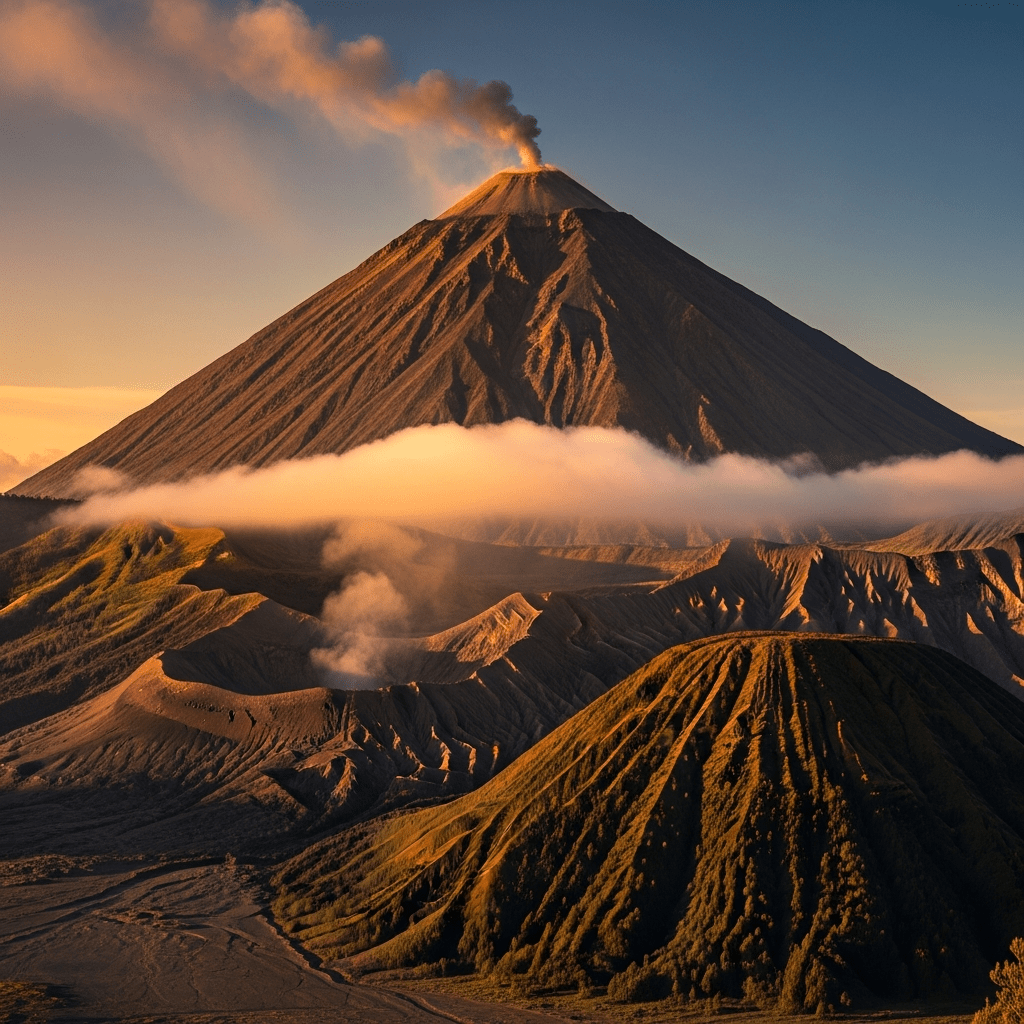
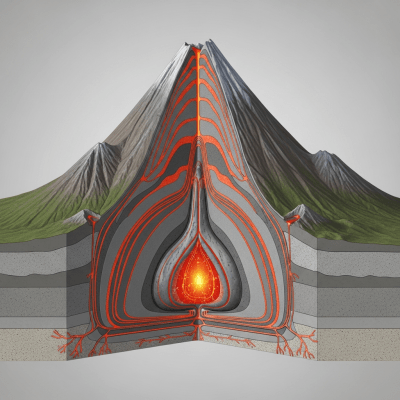
A stratovolcano, also known as a composite volcano, is a tall, steeply conical volcanic mountain built from alternating layers of lava, ash, and pyroclastic material, famed for its explosive eruptions and iconic silhouette.
A stratovolcano, also known as a composite volcano, is a tall, steeply conical volcanic mountain built from alternating layers of lava, ash, and pyroclastic material, famed for its explosive eruptions and iconic silhouette.
The term "stratovolcano" originates from the Latin word stratum, meaning layer, combined with the Italian word for volcano. This name reflects their layered construction from successive eruptions of lava and ash. The concept was formalized in the early 20th century as volcanologists distinguished these volcanoes from other types, though they have been recognized since ancient times, with historic eruptions such as Mount Vesuvius in AD 79 documented in early records.
Stratovolcanoes belong to the broader family of volcanic landforms characterized by their morphology and eruption style. They are classified as composite volcanoes due to their layered internal structure, setting them apart from shield volcanoes with gentle slopes and cinder cones with smaller, simpler forms. Within volcanic taxonomy, stratovolcanoes are often grouped by their typical explosive activity and intermediate to felsic magma composition.
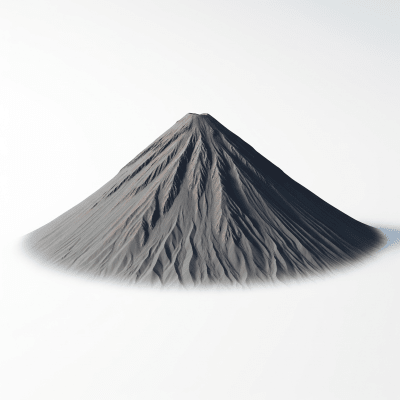
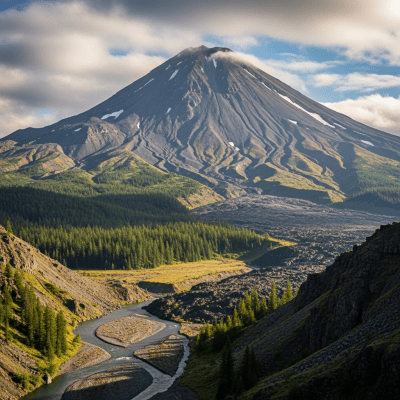
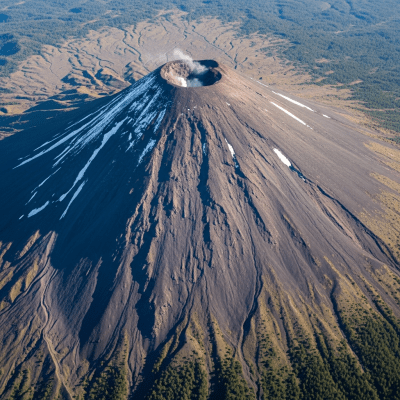
Stratovolcanoes present a striking steep, conical shape that can rise several thousand meters above the surrounding terrain. Their form is defined by alternating layers of solidified lava flows, volcanic ash, pumice, and tephra, creating a rugged, textured surface. Typically, they feature a central summit crater or vent, often accompanied by smaller subsidiary vents and parasitic cones along their flanks. Their imposing profiles, such as Mount Fuji’s 3,776-meter peak, dominate the landscape with sharp ridges and steep slopes.
Stratovolcanoes function as dynamic geological systems that periodically erupt, shaping the environment through explosive activity. Their eruptions can produce pyroclastic flows, ash clouds, and lava domes, influencing local ecosystems and human settlements. While hazardous, these volcanoes also create fertile soils and attract scientific study and tourism. Human interaction ranges from monitoring volcanic activity for safety to cultural appreciation of their majestic presence.
Bring this kind into your world illustrated posters, mugs, and shirts.
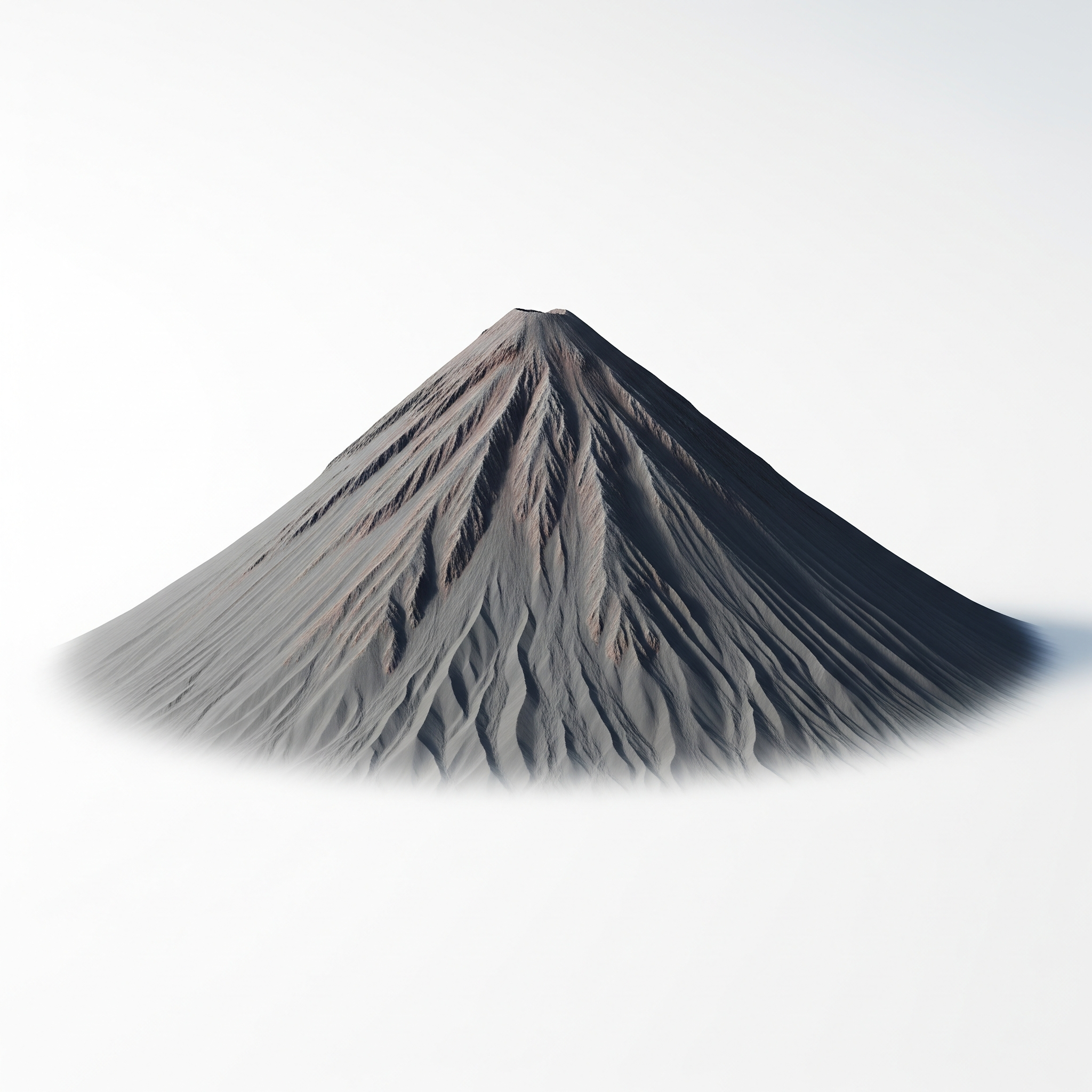
Archival print, museum-grade paper
Buy Poster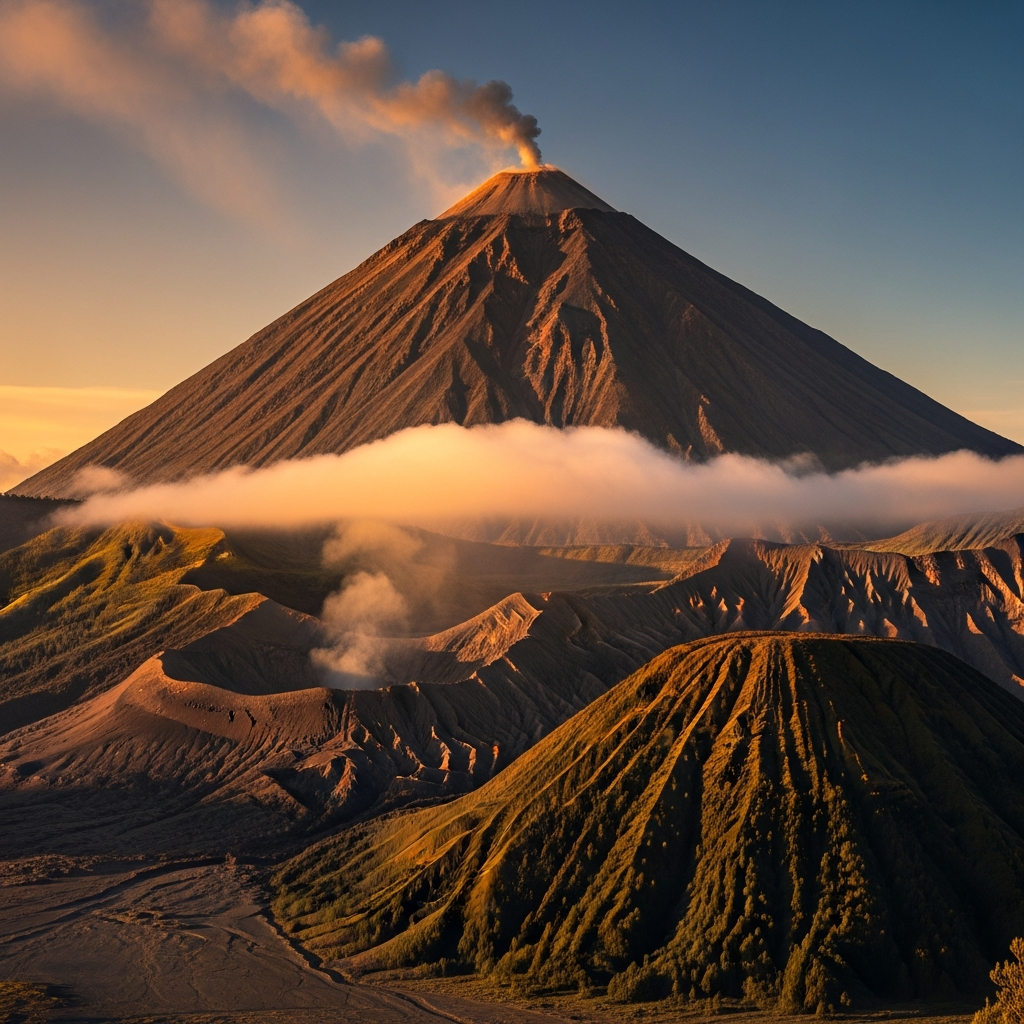
Stoneware mug, dishwasher safe
Buy Mug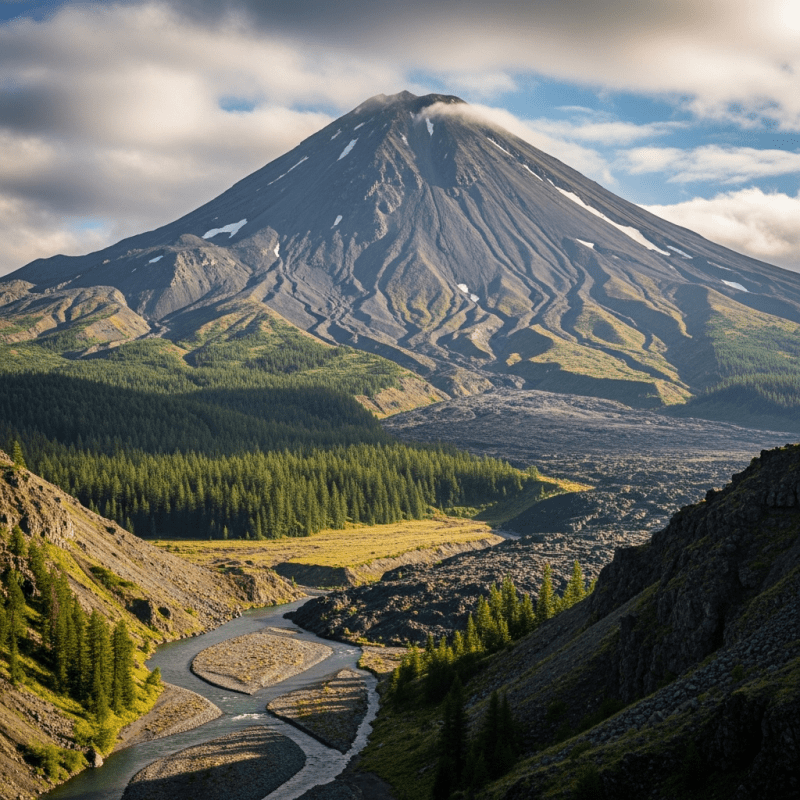
Soft cotton tee, unisex sizes
Buy ShirtStratovolcanoes hold deep cultural importance worldwide, inspiring myths, art, and literature. Iconic peaks like Mount Fuji are revered symbols in Japanese culture, appearing in countless artworks and spiritual traditions. Historic eruptions, such as Vesuvius’s destruction of Pompeii, have shaped historical narratives and collective memory. Today, these volcanoes continue to captivate imaginations and serve as reminders of nature’s power in both ancient and modern contexts.
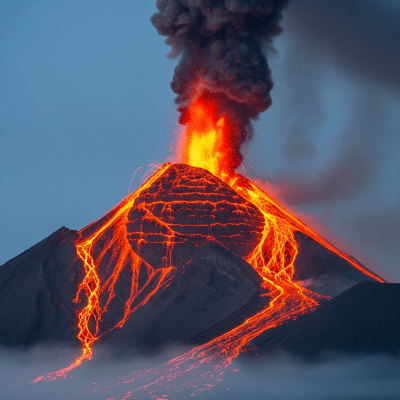
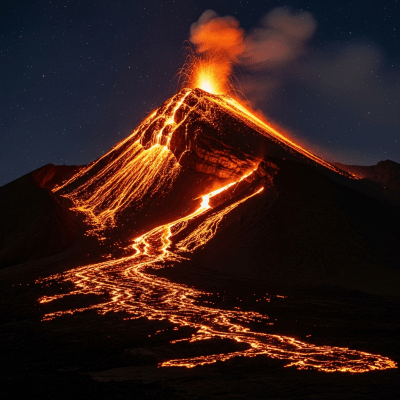
Stratovolcanoes are known primarily for their explosive eruption styles, which result from viscous magma that traps gases. These eruptions often produce towering ash columns, pyroclastic flows—fast-moving currents of hot gas and volcanic matter—and widespread tephra fallout. Some eruptions may also include Strombolian activity, characterized by moderate bursts of lava fountains. The variability in eruption intensity can lead to dramatic landscape changes and significant hazards.
Stratovolcanoes pose several significant hazards including:
Some of the most renowned stratovolcanoes include:
Monitoring stratovolcanoes involves seismic activity tracking, gas emission measurements, ground deformation studies, and satellite observations to detect signs of unrest. Agencies worldwide maintain alert systems and evacuation plans to protect nearby populations. Advances in technology have improved eruption forecasting, but the inherent unpredictability of explosive eruptions requires constant vigilance and public preparedness.
Over time, stratovolcanoes profoundly shape landscapes by building towering peaks and depositing layers of volcanic material. Their eruptions create fertile soils that support diverse ecosystems but can also cause long-term environmental disruption through ashfall and pyroclastic flows. The alternating layers of lava and ash record the volcano’s eruptive history, providing valuable insights into Earth’s geologic and tectonic processes.