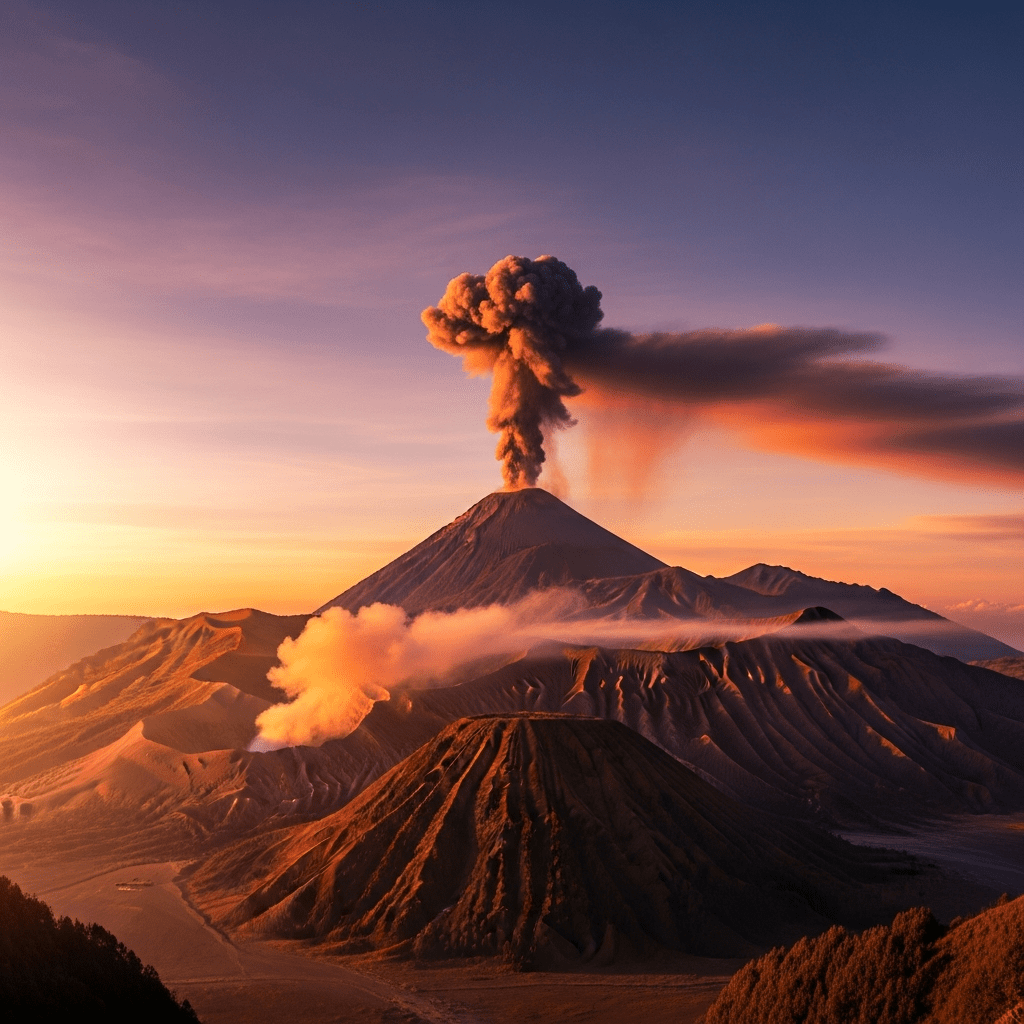
Active Volcano
An active volcano is a volcanic feature that is currently erupting or has erupted within the last 10,000 years, marking it as a dynamic and potentially hazardous natural landform.
An active volcano is a volcanic feature that is currently erupting or has erupted within the last 10,000 years, marking it as a dynamic and potentially hazardous natural landform.
The term "active volcano" emerged from volcanological studies focused on understanding eruption risks and hazards. It is grounded in geological evidence and historical records, with authoritative bodies like the Smithsonian Institution's Global Volcanism Program defining it as any volcano with eruptions during the Holocene epoch. Over time, the concept has expanded to include volcanoes exhibiting ongoing seismic or fumarolic activity, even without recent eruptions.
Active volcanoes represent a status classification rather than a specific morphological type. They encompass a broad family of volcanic forms including stratovolcanoes, shield volcanoes, cinder cones, calderas, and submarine volcanoes, unified by their recent eruptive activity rather than shape or size.
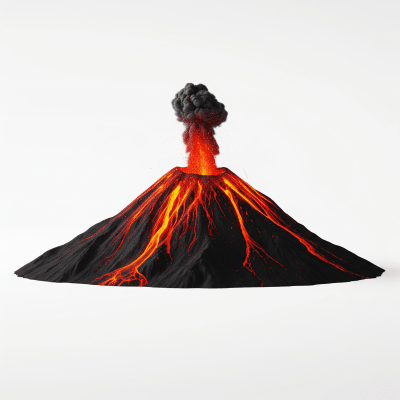
Active volcanoes display diverse appearances, ranging from the broad, gently sloping profiles of shield volcanoes to the steep, conical shapes of stratovolcanoes. Their physical traits depend on underlying geology and magma composition, resulting in varied summit and flank features such as craters, vents, and parasitic cones.
As dynamic geological entities, active volcanoes continuously shape their environments through eruptions that release lava, ash, and gases. They interact with human populations by influencing land use, agriculture, and settlement patterns, while also attracting scientific study and tourism due to their ongoing activity and natural spectacle.
Bring this kind into your world illustrated posters, mugs, and shirts.
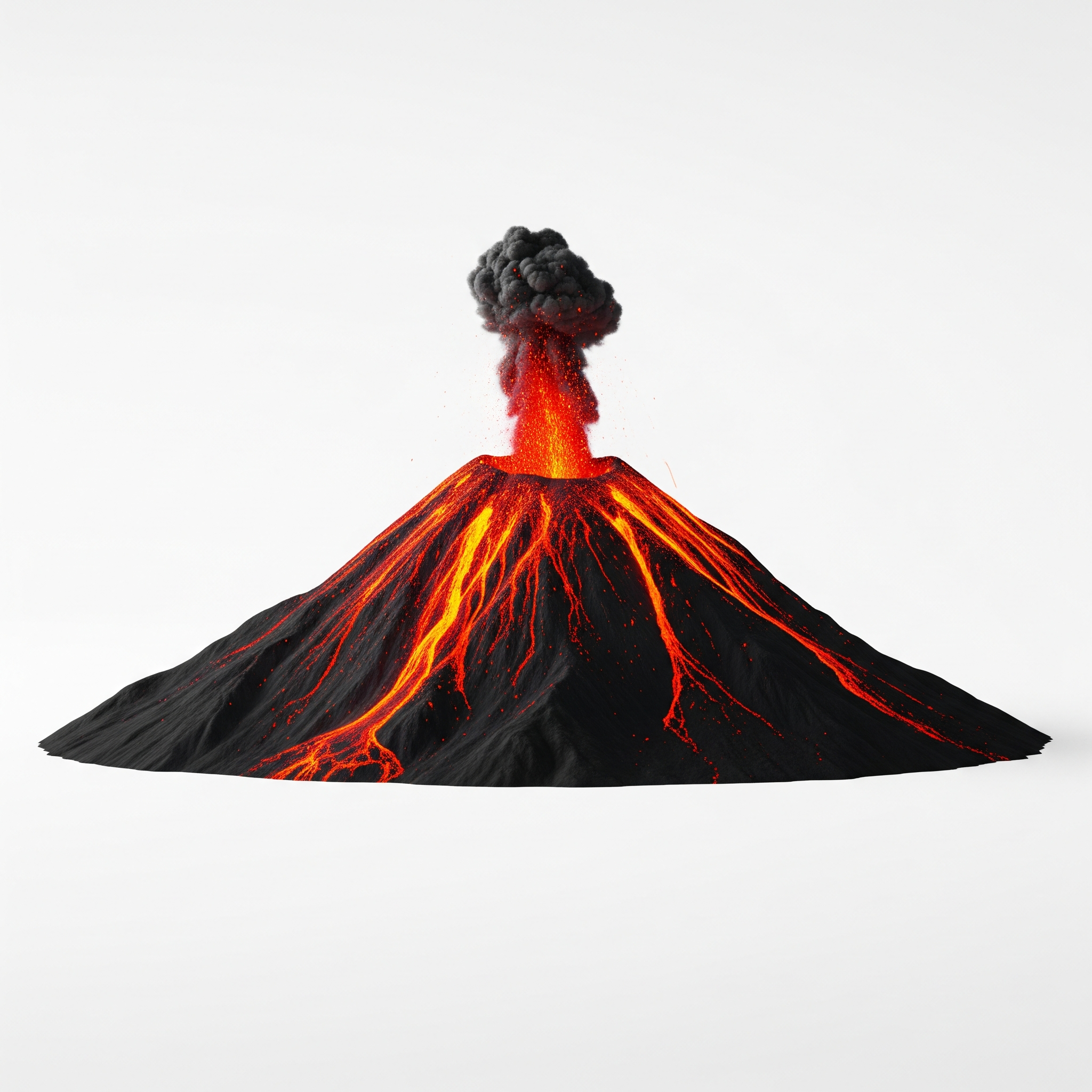
Archival print, museum-grade paper
Buy Poster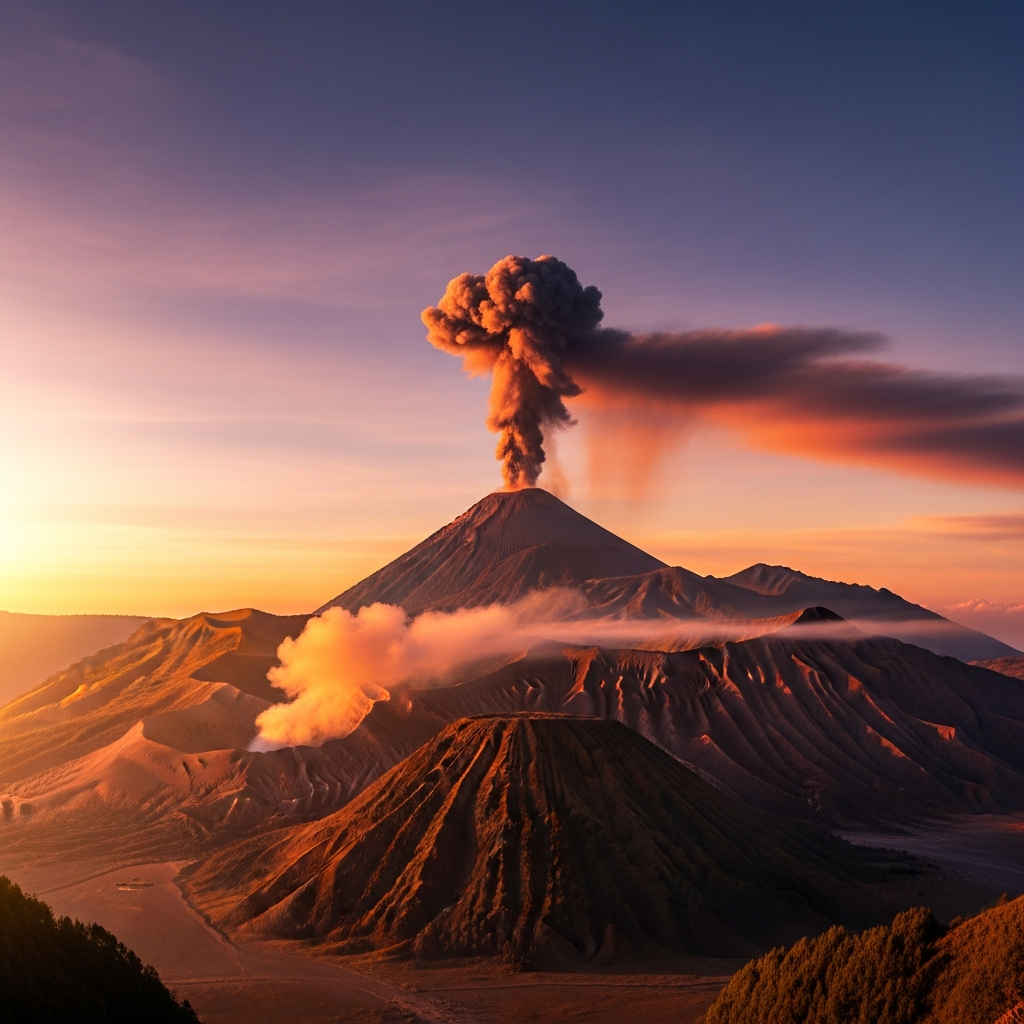
Stoneware mug, dishwasher safe
Buy Mug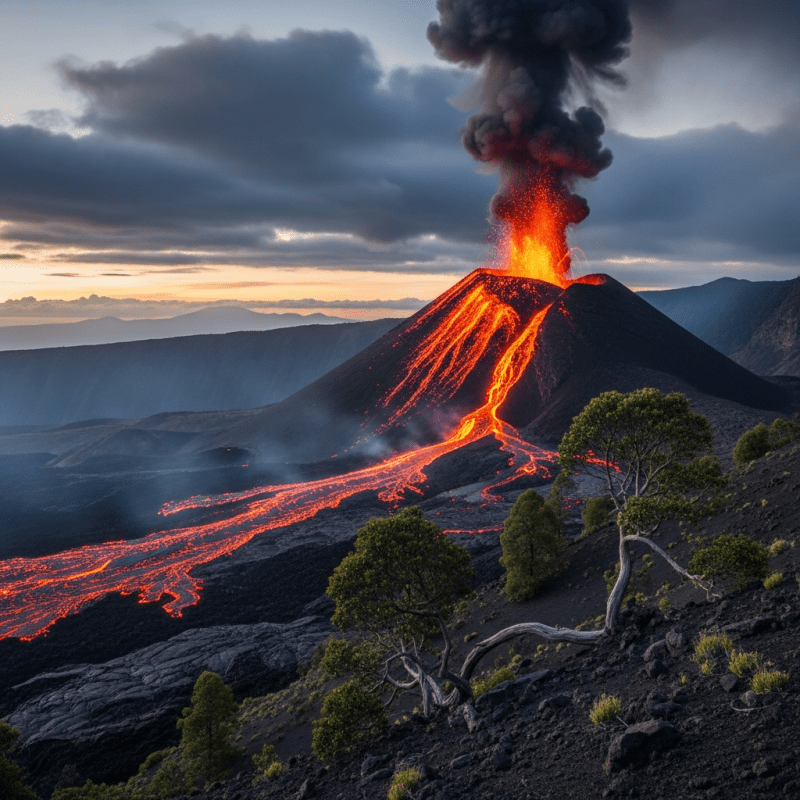
Soft cotton tee, unisex sizes
Buy ShirtActive volcanoes have long inspired human culture, featuring prominently in myths, art, and literature as symbols of creation and destruction. They remain powerful motifs in modern media and local traditions, often embodying the awe and respect communities hold for Earth's fiery forces.
Active volcanoes exhibit a wide range of eruption styles, from gentle, effusive lava flows typical of shield volcanoes like Kīlauea, to violent, explosive eruptions such as Plinian events seen at stratovolcanoes. These eruptions can produce lava, ash clouds, pyroclastic flows, and volcanic gases, each with distinct characteristics and impacts.
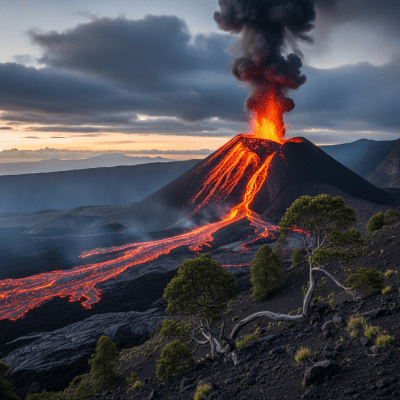
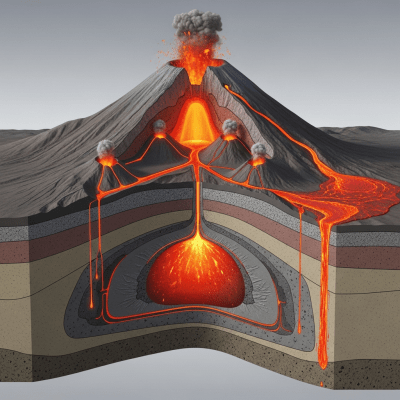
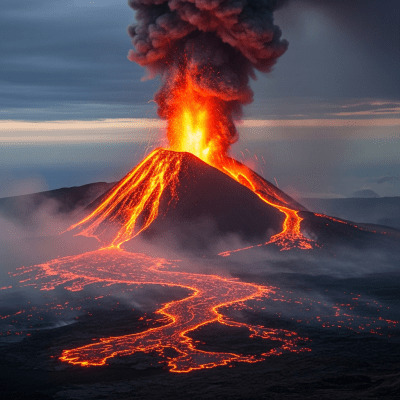
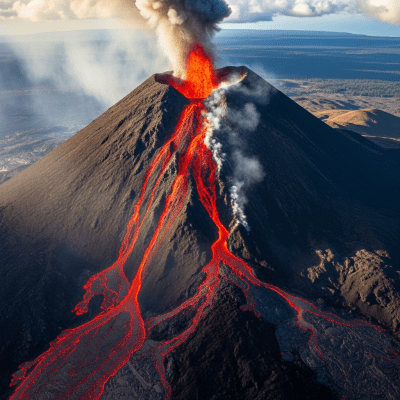
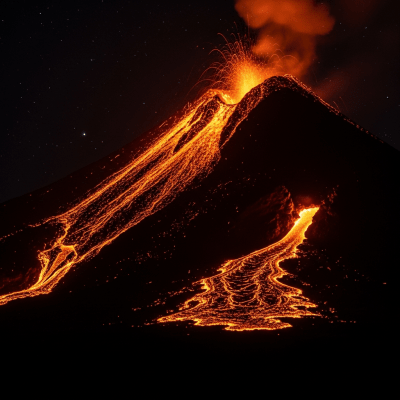
Active volcanoes pose several hazards including lava flows that can destroy infrastructure, ashfall that disrupts air travel and health, pyroclastic flows that devastate nearby areas, lahars or volcanic mudflows, and the release of toxic volcanic gases. Large-scale eruptions may also have regional or global climatic effects.
Notable active volcanoes include Mount Etna in Italy, known for its frequent eruptions and cultural prominence, and Kīlauea in Hawaii, famous for its nearly continuous activity since 1983. These volcanoes exemplify the diversity and global distribution of active volcanic features.
Active volcanoes are closely monitored using seismic sensors, gas analyzers, satellite imagery, and ground observations to detect signs of unrest. Early warning systems and evacuation plans are essential safety measures that help protect nearby populations from volcanic hazards.
Over time, active volcanoes profoundly reshape landscapes by building new landforms through lava flows and ash deposits. They contribute to soil fertility, influence local ecosystems, and drive geological processes such as mountain building and crustal recycling, leaving lasting marks on the environment.