Oceanic Volcano
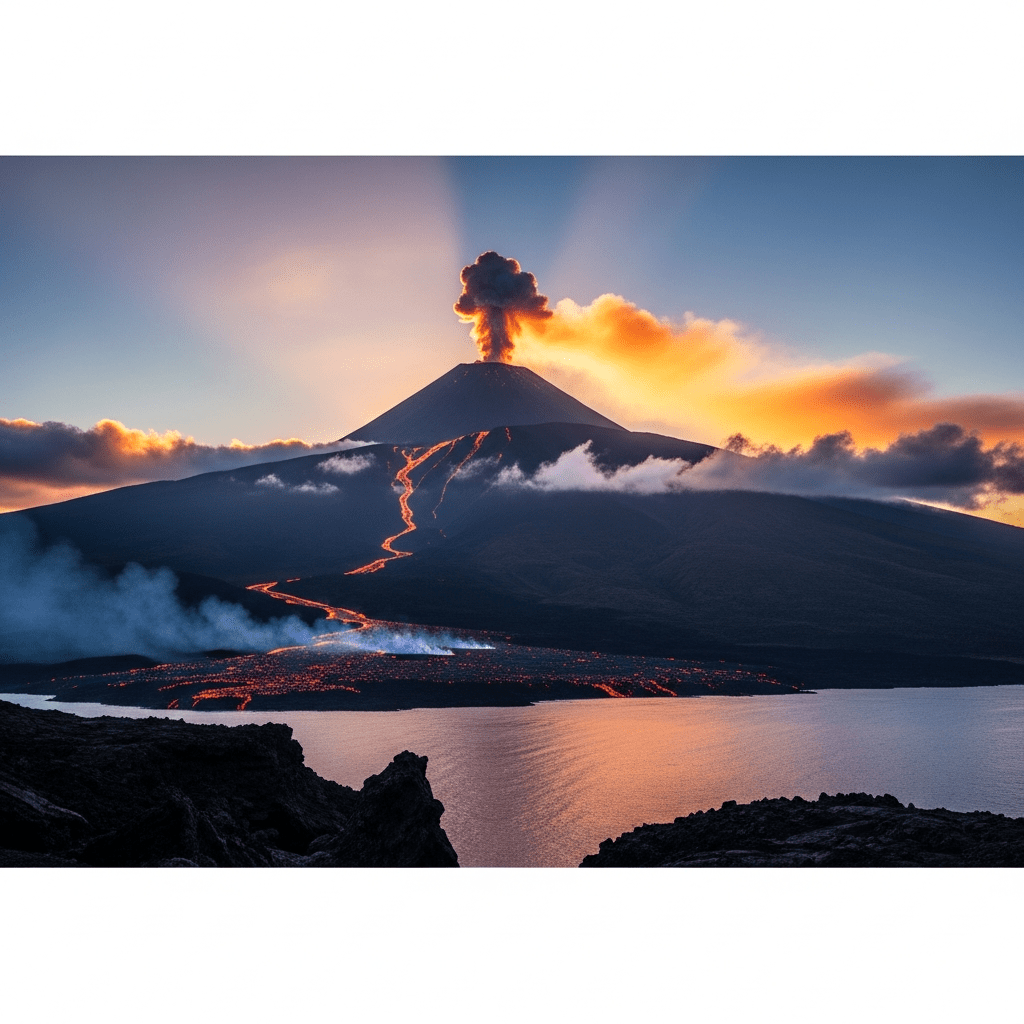
An oceanic volcano is a volcanic formation that arises on oceanic crust, either beneath the sea or as an island emerging above the ocean surface.
An oceanic volcano is a volcanic formation that arises on oceanic crust, either beneath the sea or as an island emerging above the ocean surface.
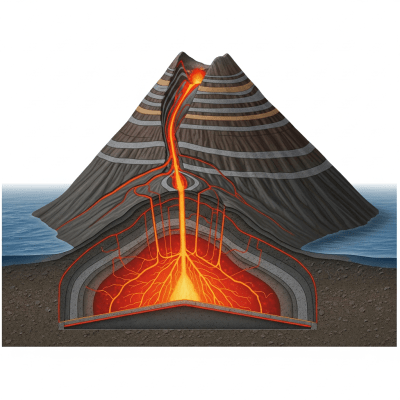
Oceanic volcanoes originate on oceanic tectonic plates, commonly forming at hotspots, mid-ocean ridges, or subduction zones beneath the sea. Their creation is driven by mantle plume activity and seafloor spreading, processes that bring magma to the surface and build volcanic structures over time. These volcanoes have been recognized and studied extensively by institutions such as the Smithsonian Global Volcanism Program and the USGS.
Classified within the broader family of volcanic landforms, oceanic volcanoes are typically identified by their location on oceanic crust and their morphological traits. They often appear as shield volcanoes due to their broad, gently sloping shapes formed by low-viscosity basaltic lava. This group includes both submarine volcanoes that remain underwater and emergent volcanic islands.
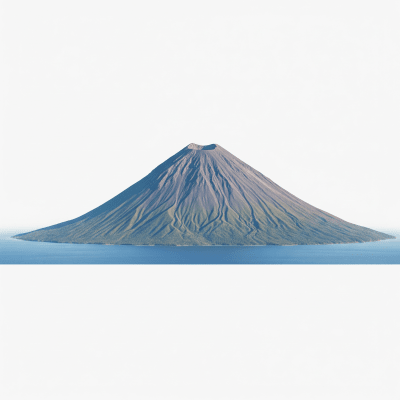
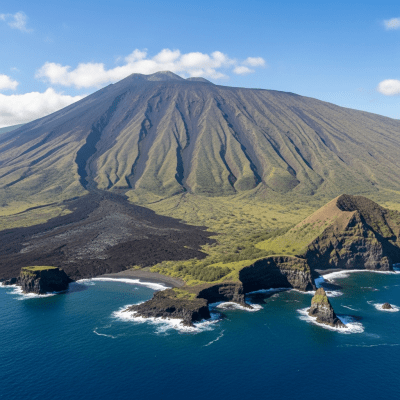
Oceanic volcanoes commonly exhibit broad, gently sloping profiles characteristic of shield volcanoes. Their surfaces are composed mainly of basaltic lava flows, pillow lavas formed underwater, and volcanic ash. Some feature summit calderas or form entire volcanic islands rising above the sea. Heights vary widely, from submarine seamounts hidden below the ocean surface to towering peaks like Mauna Loa, which rises over 4,000 meters above sea level.
These volcanoes frequently erupt, often producing extensive, effusive lava flows that build and reshape oceanic islands and seafloor topography. While eruptions are typically gentle, explosive activity can occur, especially underwater. Oceanic volcanoes influence marine ecosystems and provide new land for colonization. Their activity also poses natural hazards and shapes the environment around them.
Bring this kind into your world illustrated posters, mugs, and shirts.
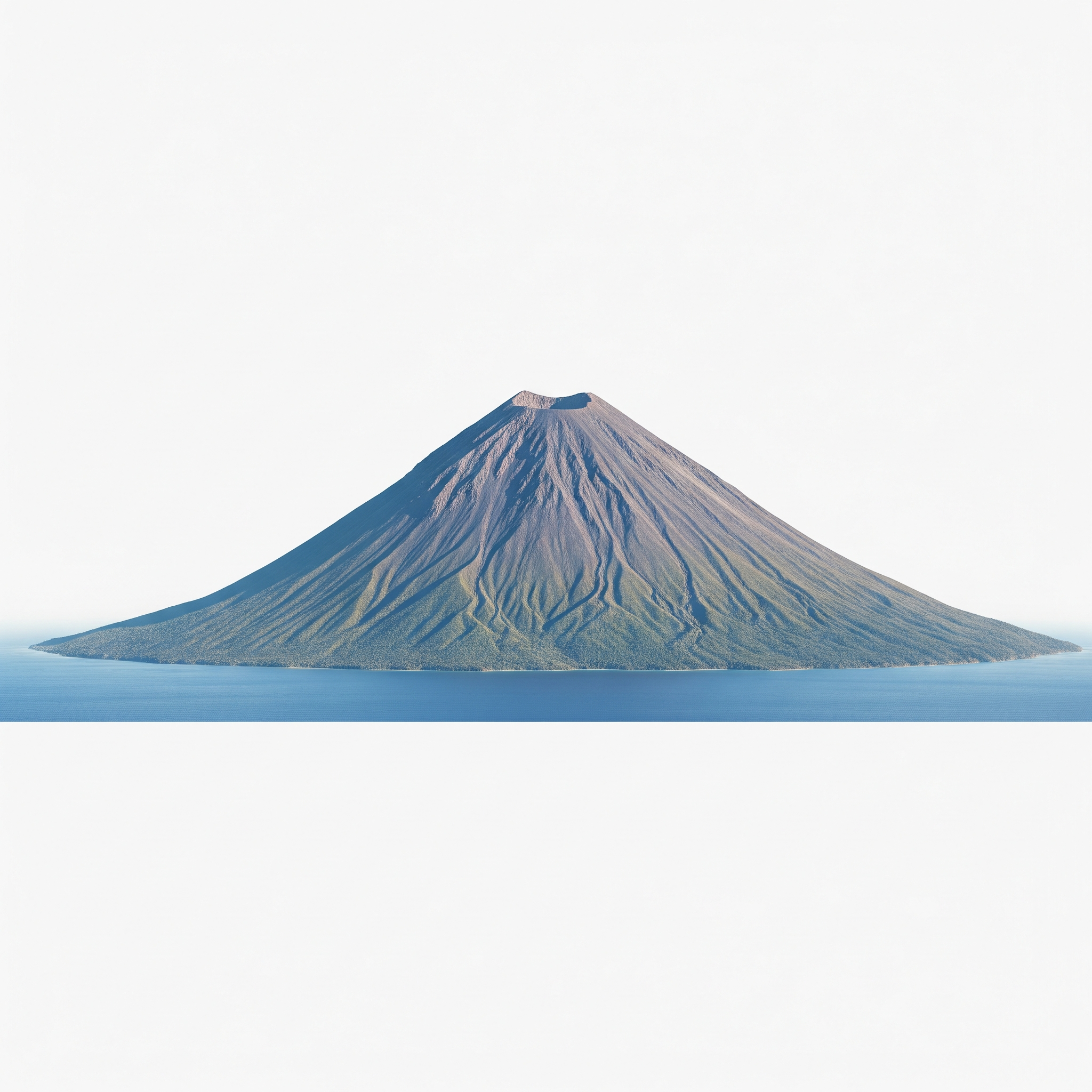
Archival print, museum-grade paper
Buy Poster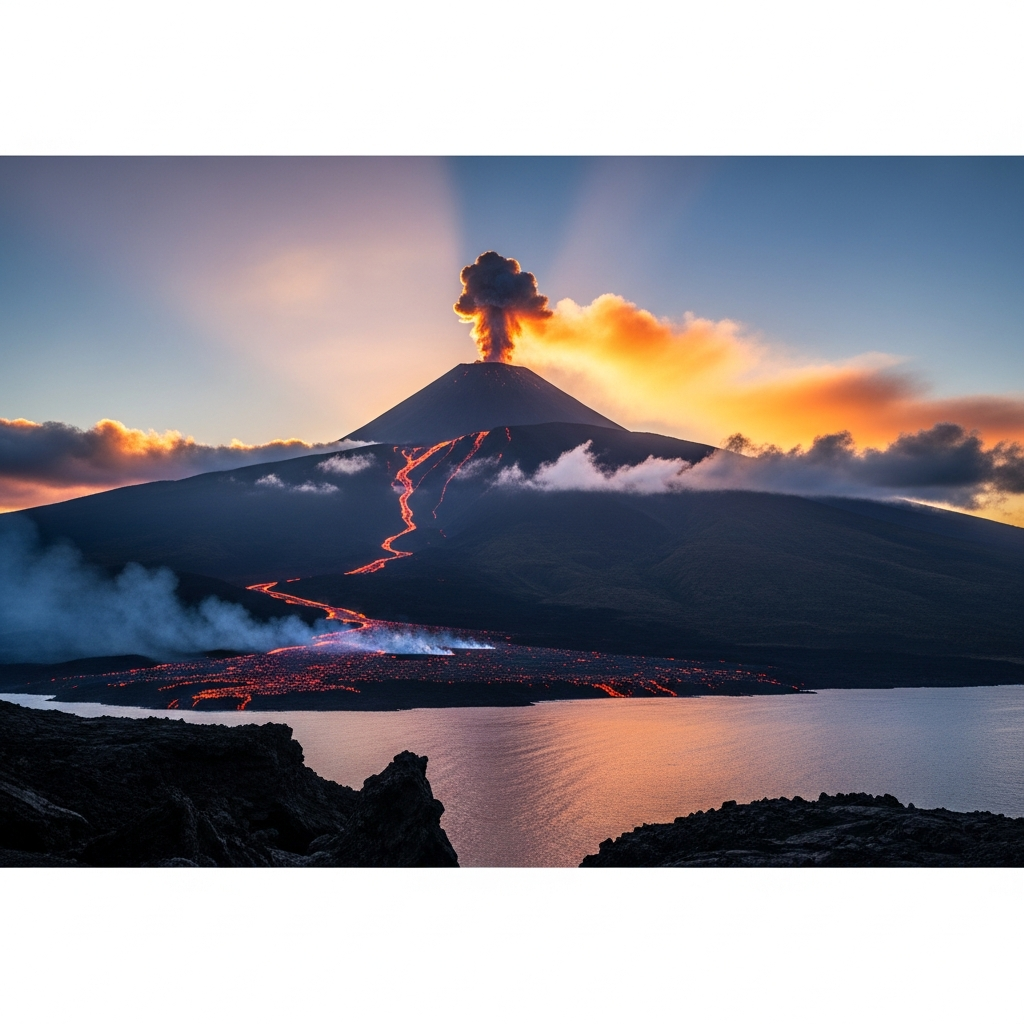
Stoneware mug, dishwasher safe
Buy Mug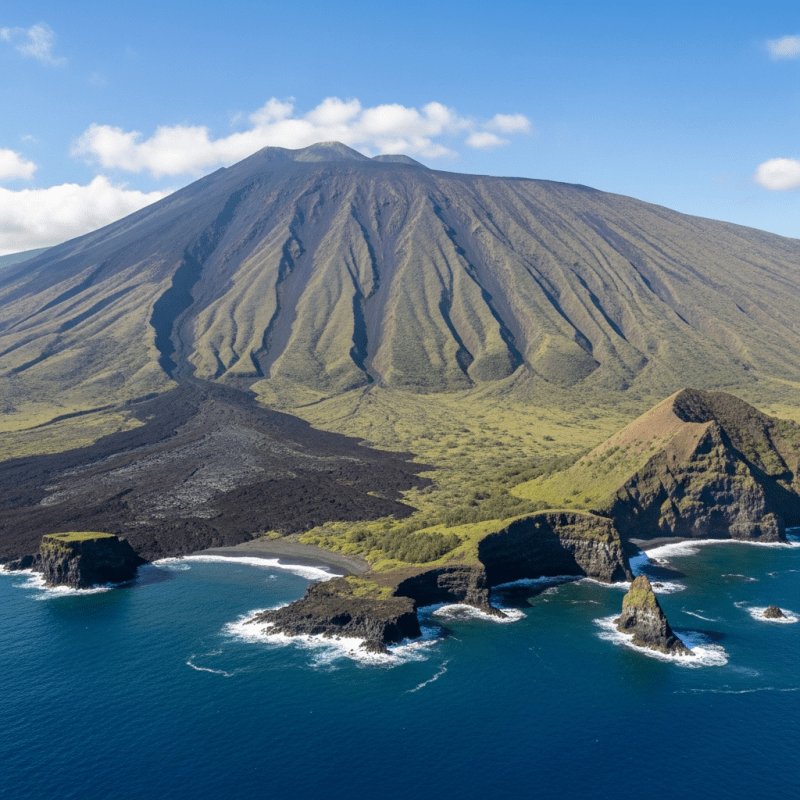
Soft cotton tee, unisex sizes
Buy ShirtOceanic volcanoes hold cultural importance in many island communities, often featuring in local myths, legends, and art. For example, Mauna Loa is revered in Hawaiian culture as a sacred mountain. These volcanoes also inspire modern culture through their dramatic landscapes and ongoing volcanic activity, attracting scientific interest and tourism.
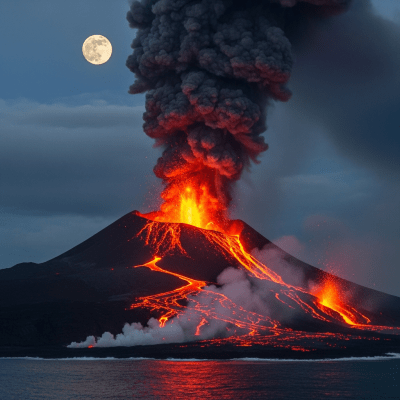
Oceanic volcanoes typically erupt effusively, producing vast flows of low-viscosity basaltic lava that spread gently over large areas. However, explosive eruptions can occur, especially underwater, where rapid cooling and interaction with seawater create violent activity. These eruptions may generate ash clouds, lava fountains, and pillow lava formations.
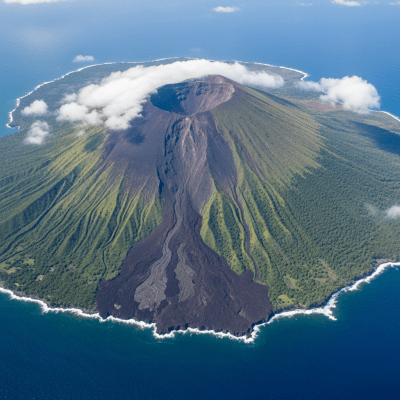

These volcanoes pose hazards including lava inundation of land, ashfall affecting air quality and ecosystems, and the release of volcanic gases. Submarine eruptions can trigger tsunamis, threatening coastal regions. Monitoring and preparedness are essential to mitigate risks associated with their activity.
Notable oceanic volcanoes include Mauna Loa in Hawaii, known as one of the largest and most active volcanoes on Earth, and Piton de la Fournaise on Réunion Island, famous for its frequent eruptions. These exemplars highlight the dynamic nature and global distribution of oceanic volcanic activity.
Oceanic volcanoes are monitored using seismic sensors, satellite imagery, gas measurements, and oceanographic instruments to detect signs of unrest. Agencies like the USGS and international partners track activity to provide warnings. Safety measures include hazard mapping, evacuation planning, and public education to reduce risks from eruptions and associated phenomena.
Over time, oceanic volcanoes reshape the seafloor and create new landmasses, influencing ocean currents and marine habitats. Their eruptions build volcanic islands and seamount chains, contributing to plate tectonic processes and biodiversity hotspots. These geological impacts have lasting effects on Earth's landscape and ecosystems.