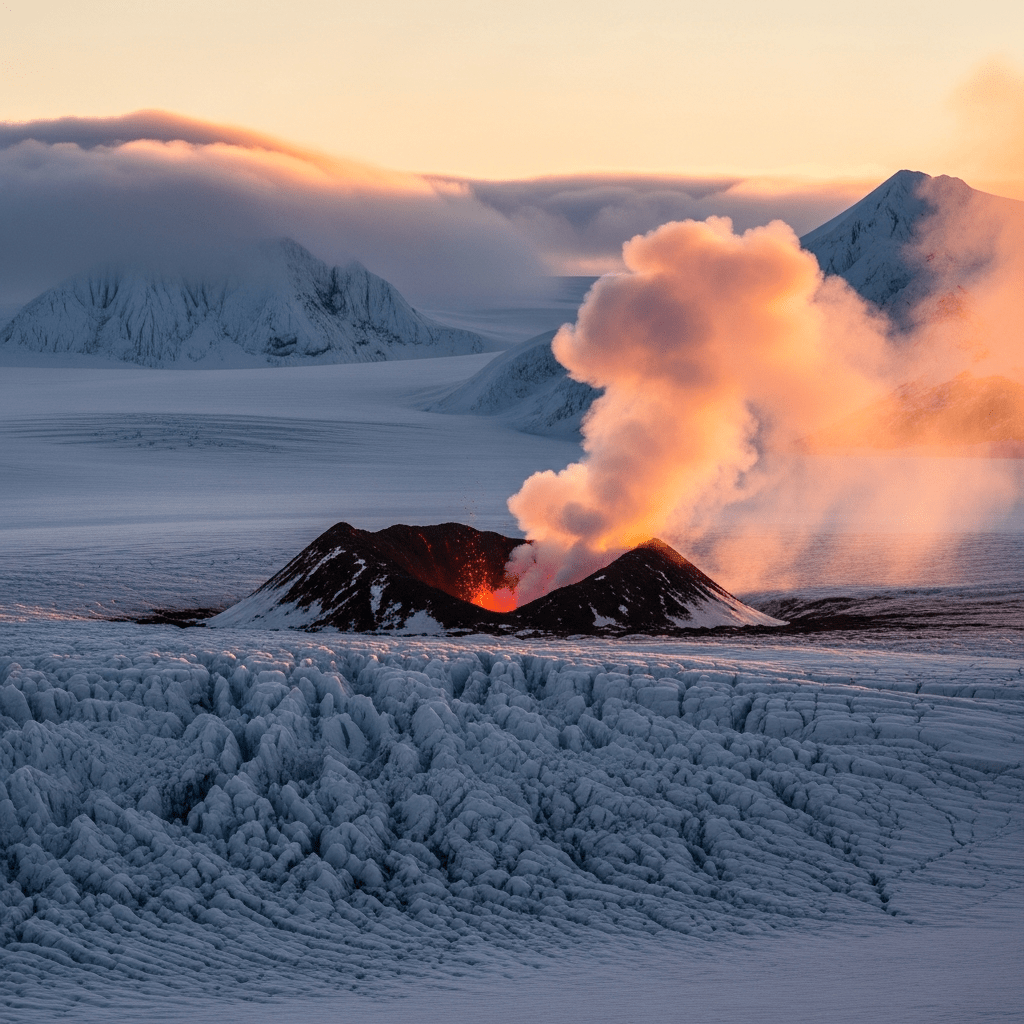
Subglacial Volcano
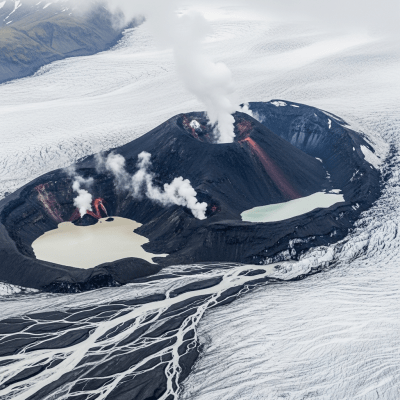
A subglacial volcano is a volcanic mountain that erupts beneath glaciers or ice sheets, producing distinctive landforms and dynamic interactions between magma and ice.
A subglacial volcano is a volcanic mountain that erupts beneath glaciers or ice sheets, producing distinctive landforms and dynamic interactions between magma and ice.
The concept of subglacial volcanism emerged from observations in persistently glaciated regions, especially Iceland, where sudden glacial floods known as jökulhlaups were linked to volcanic activity beneath ice. Recognized since the 19th century and formalized in volcanology by the mid-20th century, subglacial volcanoes form when magma ascends through the Earth's crust and erupts under thick ice, creating unique geological features such as tuyas and moberg ridges.
Subglacial volcanoes belong to the broader family of volcanic landforms but are specifically classified by their eruption environment beneath ice sheets or glaciers. They are often distinguished morphologically by their flat-topped, steep-sided shapes (tuyas) or elongated ridges (mobergs), setting them apart from other volcano types like stratovolcanoes or shield volcanoes.
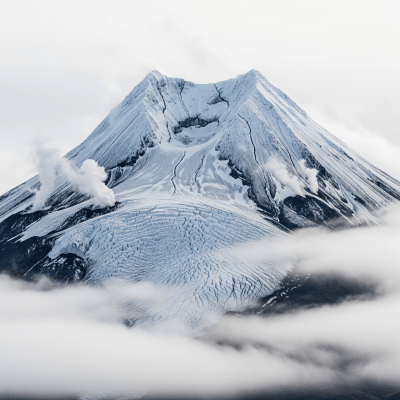
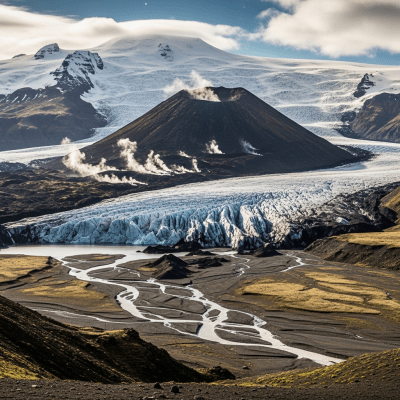
These volcanoes typically appear as flat-topped, steep-sided mountains or elongated ridges, shaped by eruptions confined beneath ice. Their surfaces often contain deposits of hyaloclastite, a volcanic glass formed through intense magma-water interaction. Heights vary widely; for example, Grímsvötn rises to 1,725 meters. The interaction with ice creates dramatic landforms that contrast sharply with more familiar volcanic cones.
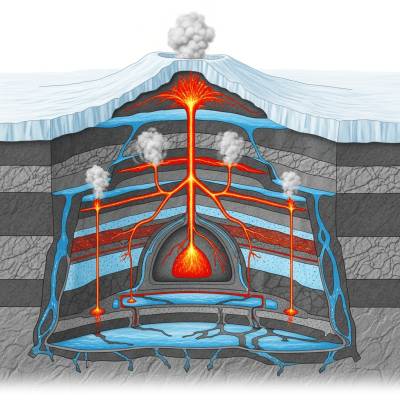
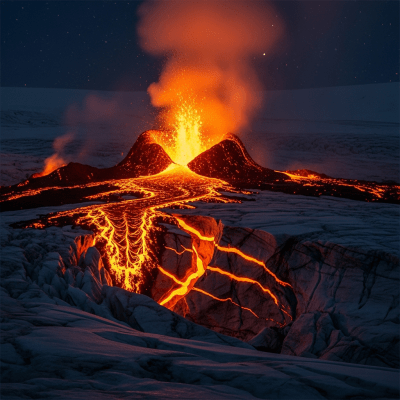
Subglacial volcanoes erupt beneath thick ice, causing rapid melting and sometimes explosive activity due to steam generation. Their eruptions can trigger glacial floods (jökulhlaups) and produce ash clouds that affect air travel and local environments. While their activity status ranges from active to dormant, monitoring is complex due to ice cover, relying on seismic and remote sensing methods. These volcanoes play a significant role in shaping glacial landscapes and influencing hydrological systems.
Bring this kind into your world illustrated posters, mugs, and shirts.
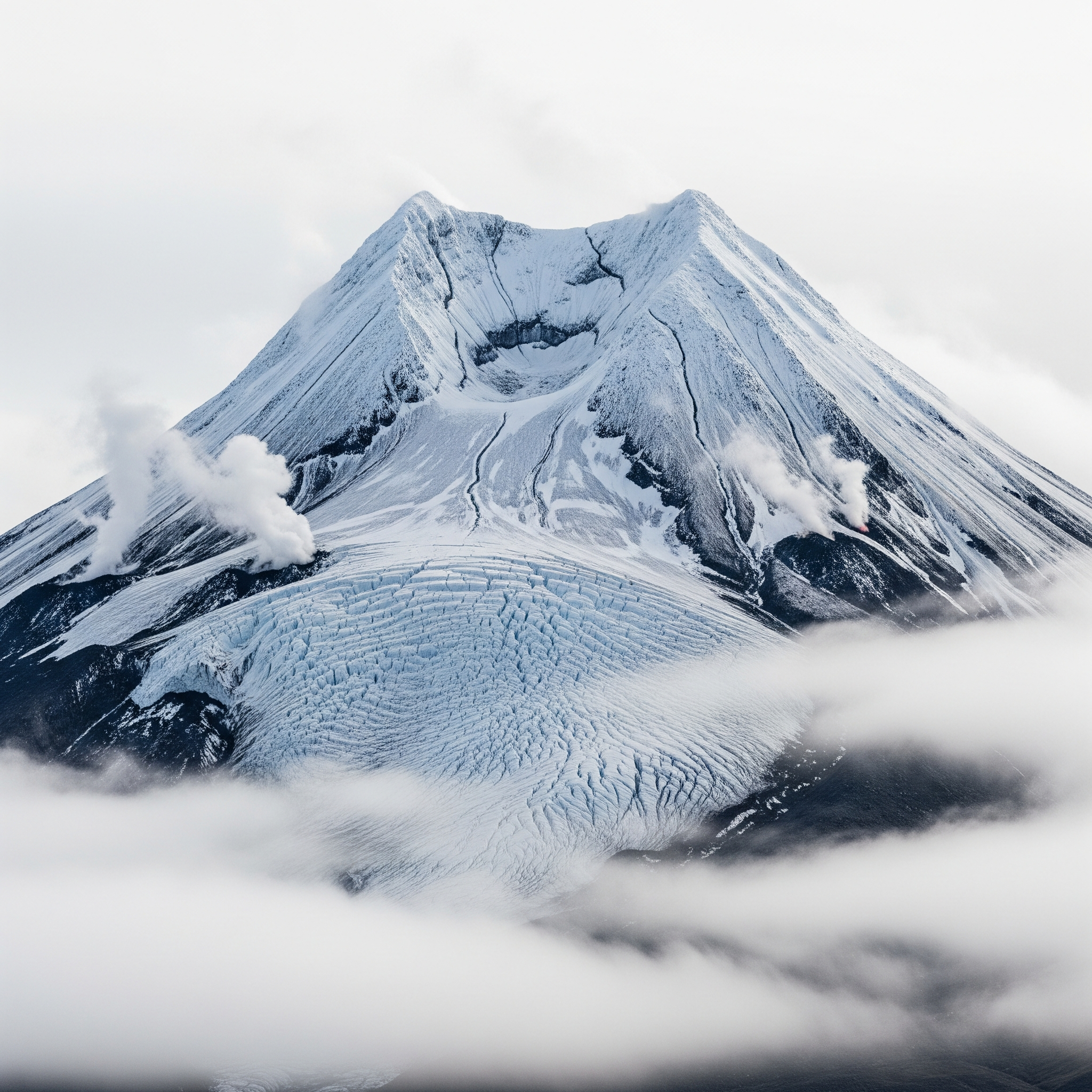
Archival print, museum-grade paper
Buy Poster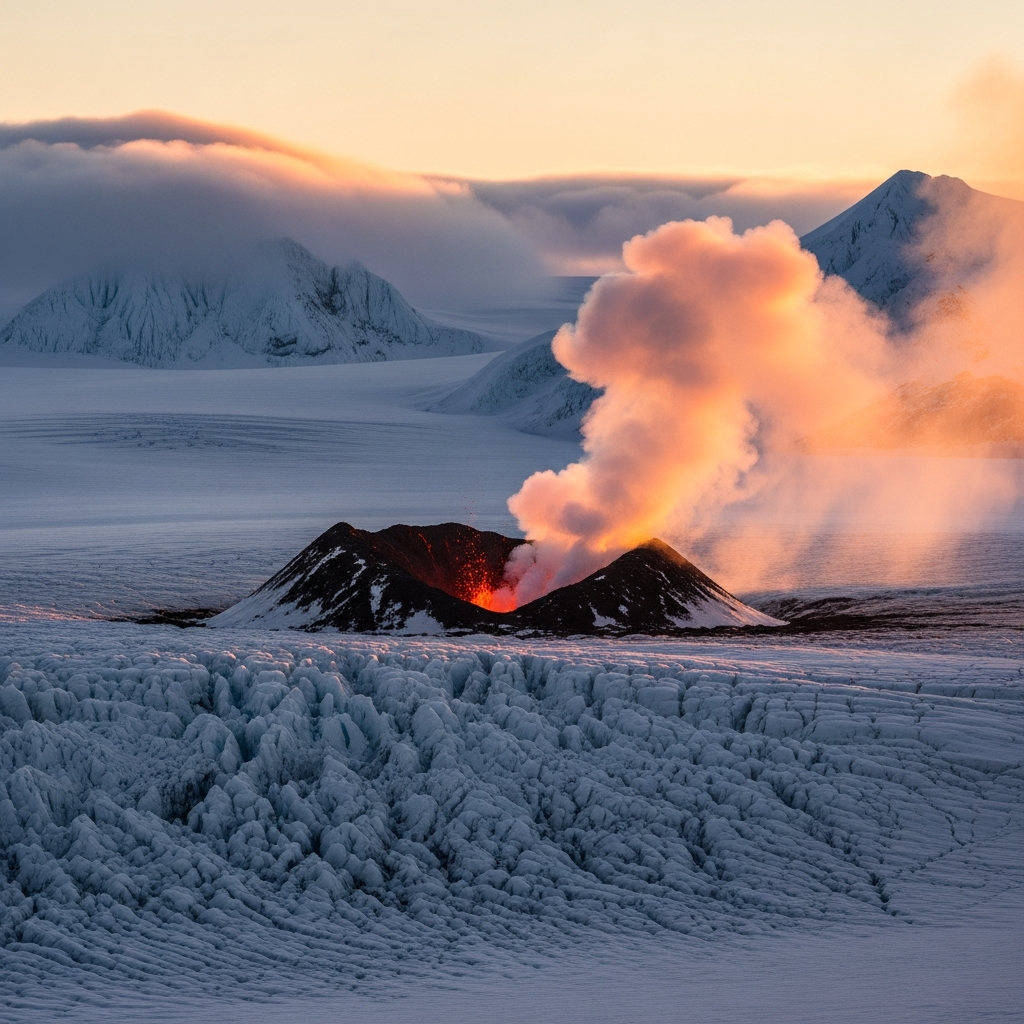
Stoneware mug, dishwasher safe
Buy Mug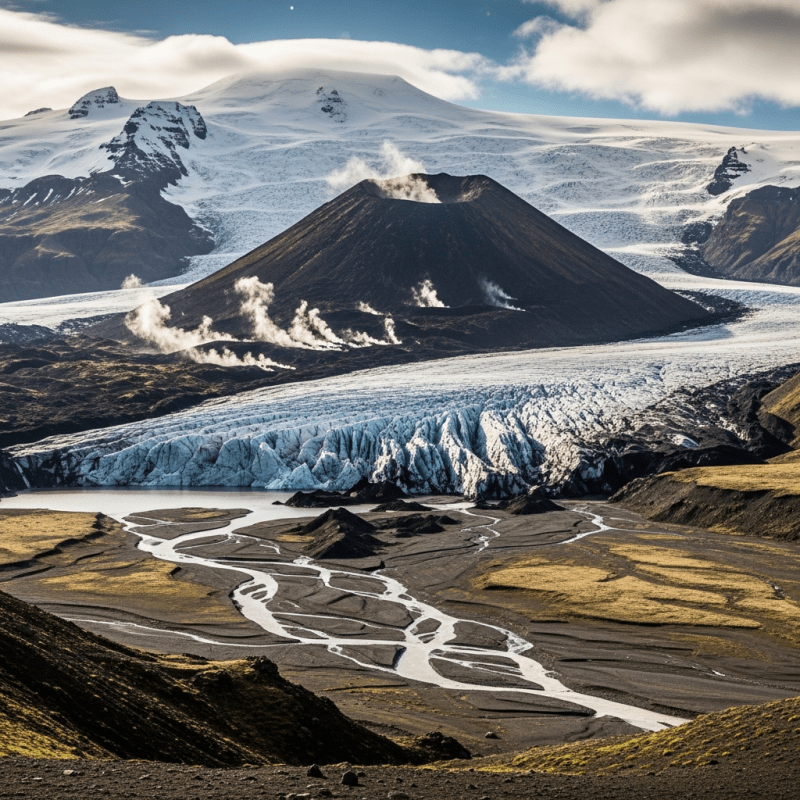
Soft cotton tee, unisex sizes
Buy ShirtSubglacial volcanoes hold cultural resonance in regions like Iceland, where they feature in local sagas and folklore tied to dramatic eruptions and floods. Names such as Eyjafjallajökull have entered global awareness due to their impact on air travel and media coverage. The unique phenomena associated with these volcanoes inspire artistic and scientific interest, symbolizing the powerful interplay between fire and ice.
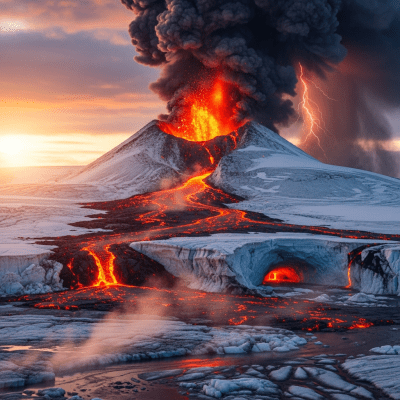
Subglacial volcanoes exhibit a range of eruption styles from effusive lava flows to highly explosive events. The presence of overlying ice causes rapid steam generation, often intensifying explosivity. Eruptions can produce ash clouds that disrupt air traffic and melt large volumes of ice, leading to flooding.
These volcanoes pose hazards including:
Notable subglacial volcanoes include:
Monitoring subglacial volcanoes is challenging due to ice cover but is achieved through seismic networks, ground deformation measurements, and satellite remote sensing. Regional agencies, such as the Icelandic Meteorological Office, provide early warnings to mitigate risks from eruptions and associated floods. Safety measures include hazard mapping, evacuation planning, and airspace management during ash events.
Subglacial volcanoes significantly reshape landscapes by melting ice, forming new landforms like tuyas and moberg ridges, and depositing volcanic glass and ash. Their eruptions influence glacial hydrology through meltwater floods and contribute to long-term geological evolution in glaciated regions.