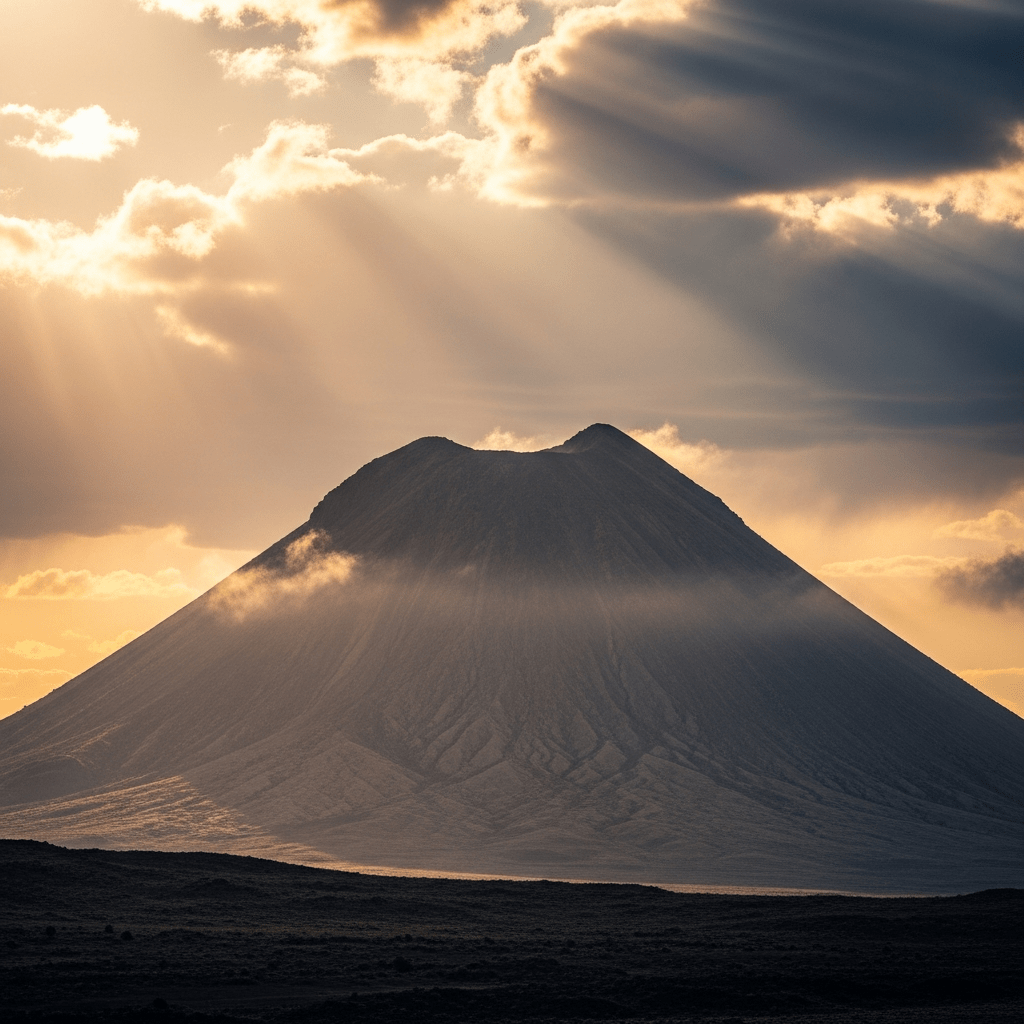
Extinct Volcano
An extinct volcano is a volcanic landform that no longer has any expected eruptive activity, having exhausted its magma supply or become tectonically isolated from volcanic sources.
An extinct volcano is a volcanic landform that no longer has any expected eruptive activity, having exhausted its magma supply or become tectonically isolated from volcanic sources.
The term "extinct volcano" emerged from geological studies that classify volcanoes by their eruptive history and current magmatic activity. It identifies volcanoes with no recorded eruptions in historic or prehistoric times and no reasonable expectation of future eruptions. This classification relies on radiometric dating, stratigraphic analysis, and tectonic context to confirm the cessation of volcanic processes.
Extinct volcanoes belong to the broader family of volcanic landforms distinguished primarily by their activity status—specifically, those that are no longer active or dormant but have permanently ceased eruptive behavior. They contrast with active and dormant volcanoes by the absence of recent or future magmatic activity.
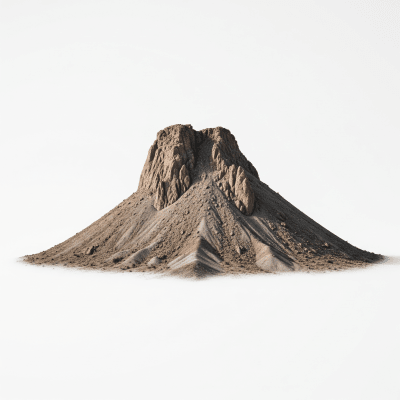
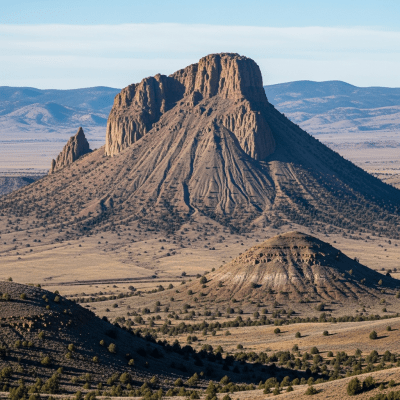
Extinct volcanoes exhibit varied forms, including eroded stratovolcanoes, volcanic necks, and isolated domes. Over time, erosion often reshapes these structures, leaving features such as volcanic plugs or isolated hills. For example, Shiprock rises about 482 meters above its surroundings as a volcanic neck, while the Sutter Buttes reach approximately 647 meters as an isolated dome complex.
While extinct volcanoes no longer erupt, they serve important roles in the environment and human context. They often act as prominent landmarks, influence local ecosystems, and provide geological insights into Earth’s volcanic past. Their stable nature means they pose no volcanic hazards, allowing safe exploration and study.
Bring this kind into your world illustrated posters, mugs, and shirts.
Archival print, museum-grade paper
Buy Poster
Stoneware mug, dishwasher safe
Buy Mug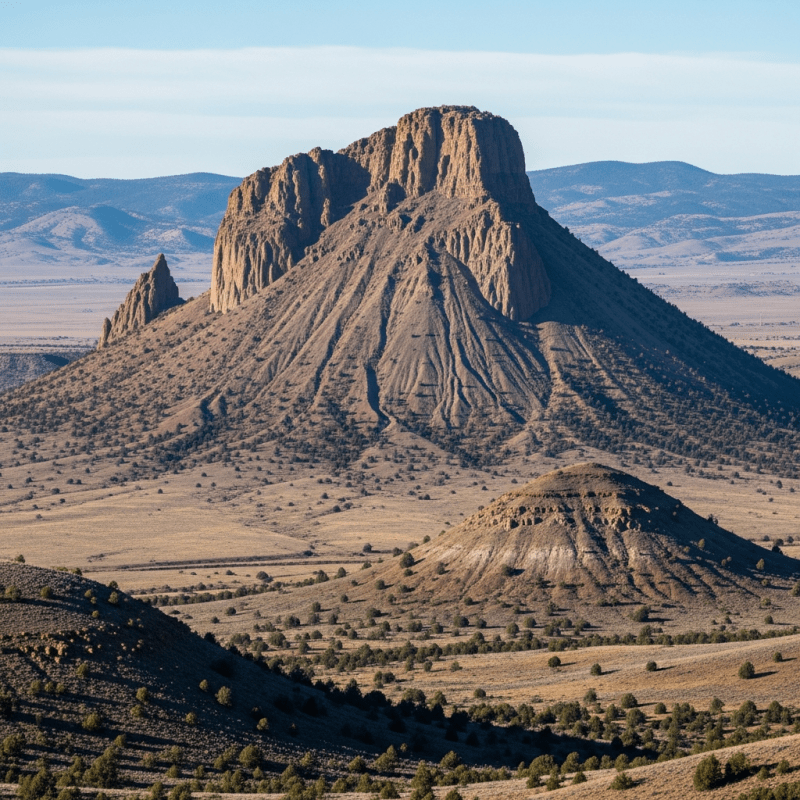
Soft cotton tee, unisex sizes
Buy ShirtExtinct volcanoes frequently hold cultural and symbolic value. For instance, Shiprock is known as "Tsé Bitʼaʼí" in Navajo, meaning "rock with wings," and features prominently in indigenous stories and traditions. Such landforms inspire art, mythology, and regional identity, reflecting their lasting presence even after volcanic activity has ceased.
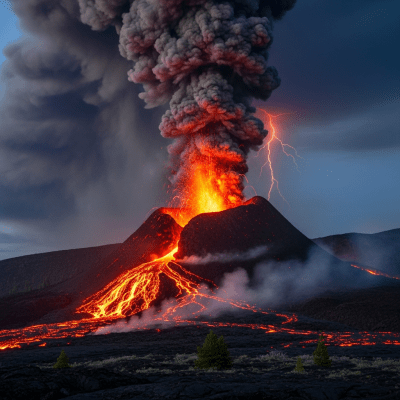
During their active phases, extinct volcanoes may have exhibited a range of eruption styles, including explosive and effusive eruptions. However, since they have long ceased activity, no recent eruption types are associated with them.
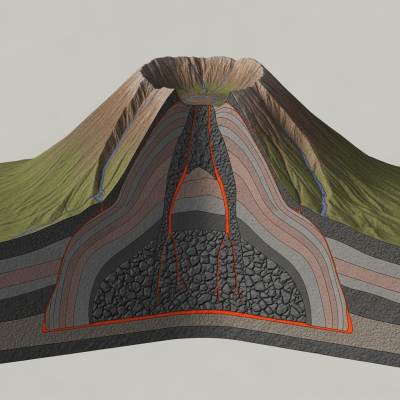
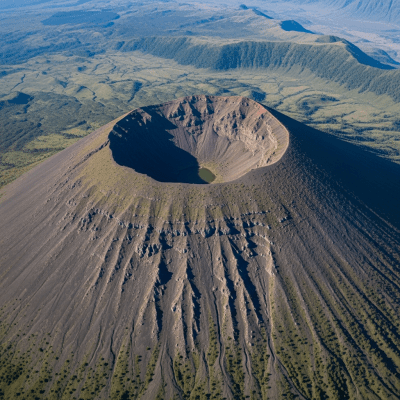
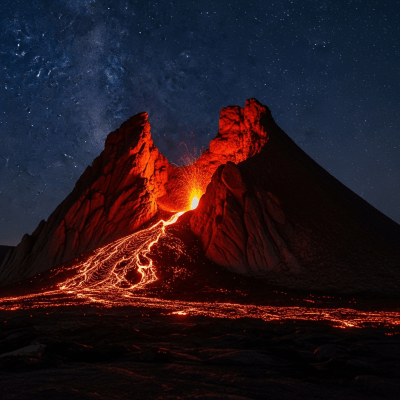
Extinct volcanoes currently pose no volcanic hazards, as their magma chambers are depleted or disconnected from the Earth's mantle. Their long-term inactivity means risks such as lava flows, ashfall, or pyroclastic flows are absent.
Notable extinct volcanoes include Shiprock in New Mexico, a striking volcanic neck rising prominently above the desert plain, and the Sutter Buttes in California, an isolated cluster of eroded volcanic domes often called the "smallest mountain range in the world." Both exemplify the diverse forms and geological histories of extinct volcanoes.
Because extinct volcanoes are not expected to erupt again, they are generally not monitored for volcanic activity. Safety measures focus instead on preserving their geological features and managing land use around these stable landforms.
Over millions of years, extinct volcanoes shape landscapes by contributing unique rock formations and topographic features. Their erosion often exposes volcanic plugs and necks, offering windows into the Earth’s volcanic past. These landforms influence local soil composition, drainage patterns, and ecosystems, leaving a lasting imprint on their environments.