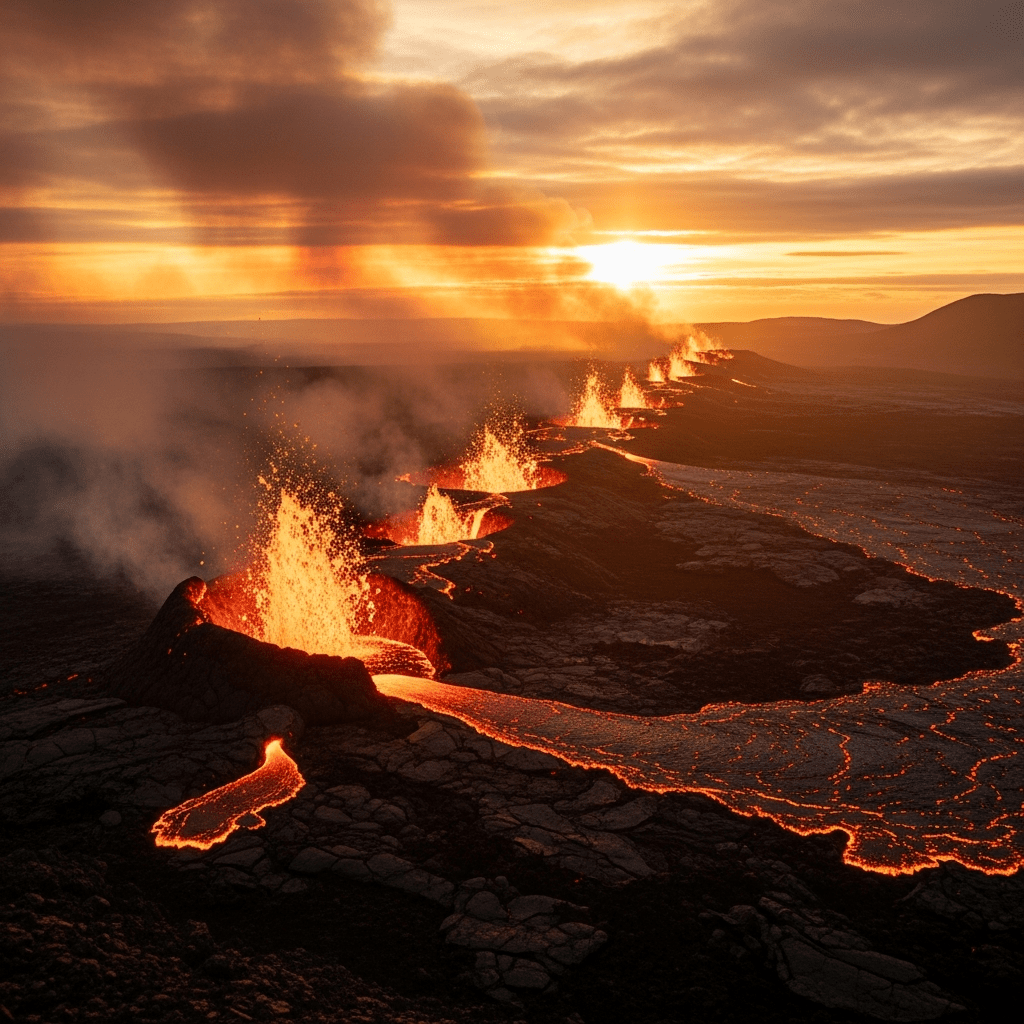
Fissure Vent
A fissure vent is a linear volcanic opening through which magma erupts, typically forming extensive basaltic lava flows along cracks in the Earth's surface.
A fissure vent is a linear volcanic opening through which magma erupts, typically forming extensive basaltic lava flows along cracks in the Earth's surface.
The concept of fissure vents arose from geological observations of volcanic activity occurring along elongated fractures rather than centralized cones. The earliest well-documented fissure vent eruption was the 1783–1784 Laki event in Iceland, recorded by local observers and later studied by volcanologists. The term "fissure vent" reflects the vent's distinctive crack-like shape and eruptive behavior.
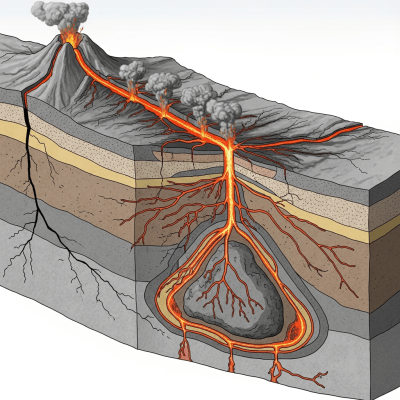
Fissure vents belong to the broader family of volcanic vents characterized by their linear morphology. Unlike central-vent volcanoes such as stratovolcanoes or shield volcanoes, fissure vents erupt along elongated fractures and are often associated with rift zones and tectonic plate boundaries.
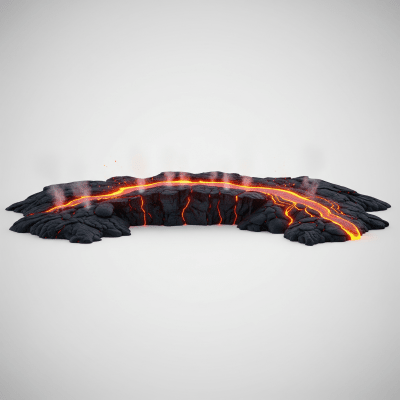
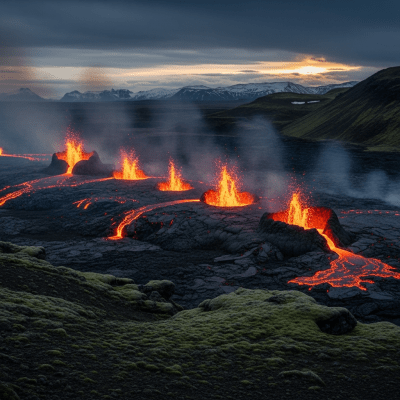
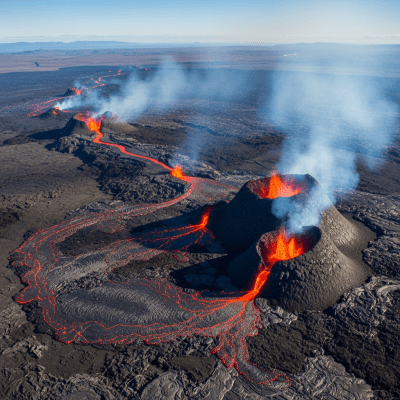
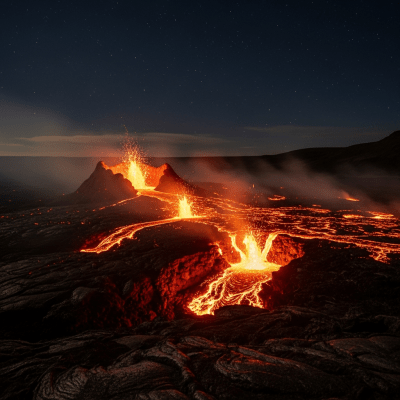
Fissure vents appear as elongated, crack-like openings that can stretch for several kilometers. They lack a prominent summit or crater but may form spatter cones along their length. These vents are often linked with raised ridges or lava plateaus created by the extensive basaltic lava flows they produce.
Fissure vents typically erupt effusively, releasing large volumes of low-viscosity basaltic lava that can cover vast areas. While mostly effusive, explosive eruptions may occur if groundwater interacts with magma. Their activity shapes landscapes and influences local environments, and they are closely monitored due to their potential for widespread lava inundation and gas emissions.
Bring this kind into your world illustrated posters, mugs, and shirts.
Archival print, museum-grade paper
Buy Poster
Stoneware mug, dishwasher safe
Buy Mug
Soft cotton tee, unisex sizes
Buy ShirtFissure vents have inspired cultural narratives and scientific interest, especially in regions like Iceland where their dramatic eruptions have influenced local folklore and art. The Laki eruption, in particular, is noted for its historical impact on climate and agriculture, embedding fissure vents in both natural history and human culture.
Fissure vents primarily produce effusive eruptions, characterized by the steady outpouring of low-viscosity basaltic lava that can travel great distances. Occasionally, explosive activity occurs if magma interacts with groundwater, generating ash and gas emissions. These eruptions often form extensive lava fields and spatter cones along the fissure.
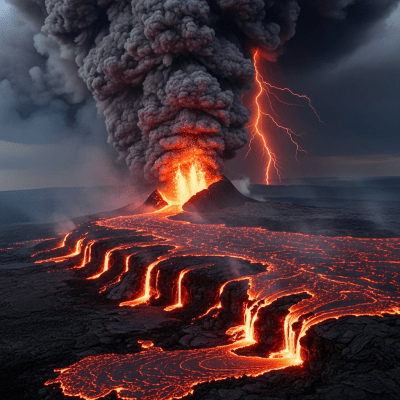
Fissure vent eruptions pose hazards including widespread lava inundation that can destroy vegetation and infrastructure, significant emissions of sulfur dioxide and other volcanic gases affecting air quality, and occasional ash fallout. Their eruptions can also impact climate and agriculture on a regional scale.
Notable fissure vents include Iceland's Laki and Eldgjá fissures, both famous for their massive historic eruptions. The Holuhraun fissure in Iceland is another recent example, erupting from 2014 to 2015 and producing extensive lava flows. These sites exemplify the scale and impact fissure vents can have.
Fissure vents are monitored using seismic activity, gas emissions, ground deformation, and satellite imagery to detect signs of unrest. Early warning systems and hazard mapping help communities prepare for potential eruptions. Safety measures focus on evacuation planning and air quality monitoring due to volcanic gases.
Over time, fissure vent eruptions reshape landscapes by creating extensive lava plateaus and ridges. Their basaltic lava flows can cover large areas, altering drainage patterns and soil composition. Some historic eruptions, like Laki, have had far-reaching environmental effects, influencing climate and ecosystems beyond their immediate vicinity.