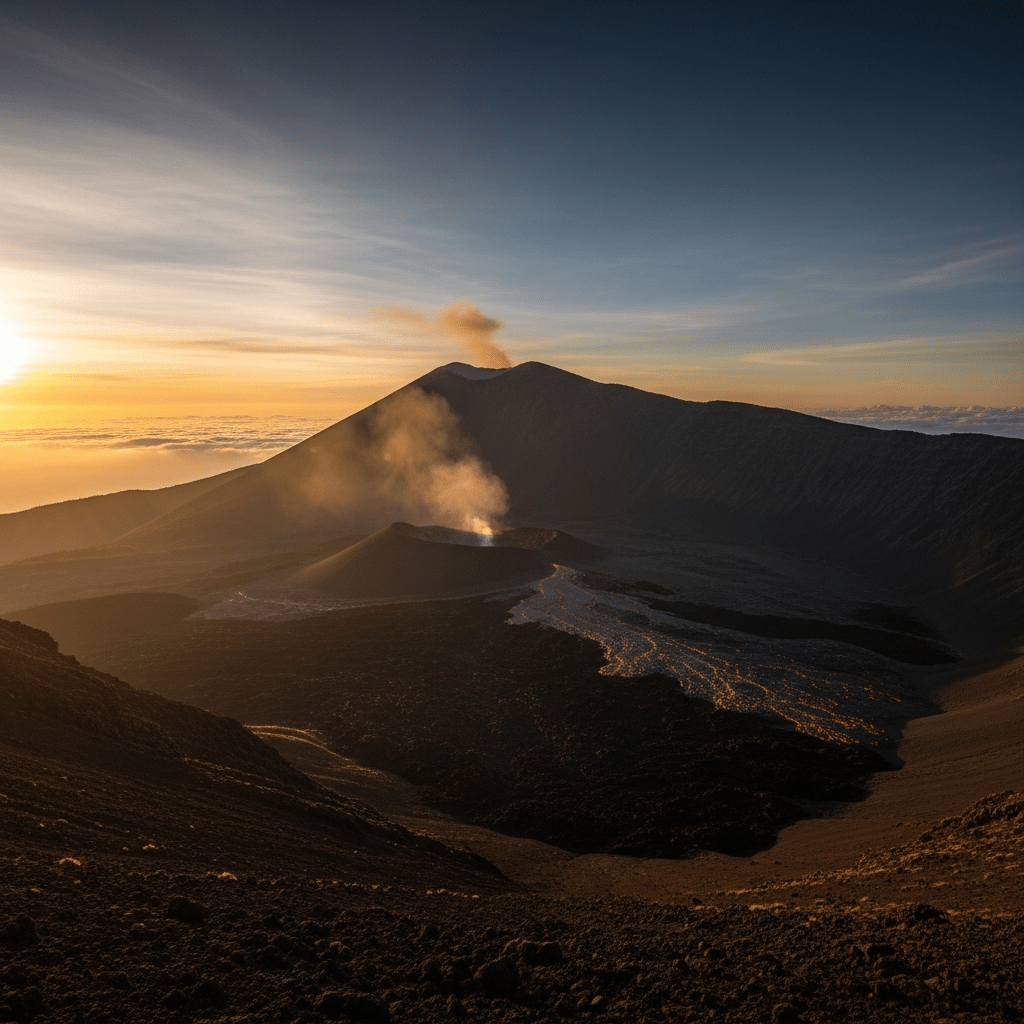
Shield Volcano
A shield volcano is a broad, gently sloping volcanic mountain formed by the eruption of low-viscosity basaltic lava that flows over great distances, creating some of the largest volcanic structures on Earth.
A shield volcano is a broad, gently sloping volcanic mountain formed by the eruption of low-viscosity basaltic lava that flows over great distances, creating some of the largest volcanic structures on Earth.
The term "shield volcano" derives from their resemblance to a warrior's shield laid flat on the ground. This classification emerged in the early 20th century as volcanologists distinguished volcanoes by their shapes and eruptive materials. Shield volcanoes commonly form in hotspot regions or along divergent tectonic boundaries, where magma rises from deep within the mantle, building vast, gently sloping edifices over time.
Shield volcanoes belong to the morphological family of volcanoes characterized by their broad, low-angle profiles. They contrast with steeper stratovolcanoes and smaller cinder cones, fitting within the broader taxonomy of volcanic landforms based on shape, eruption style, and composition.
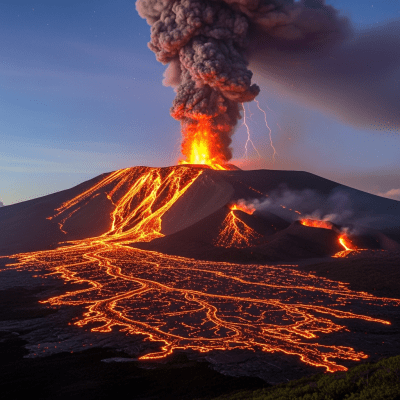
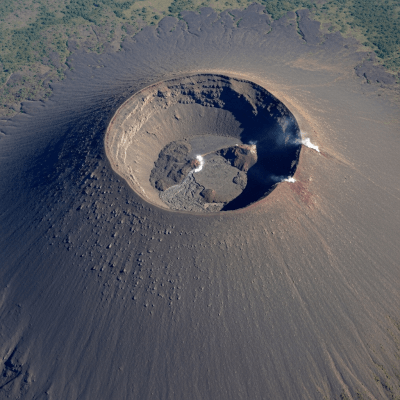
These volcanoes exhibit a distinctive broad and gently sloping shape, typically with slopes less than 10 degrees. Composed primarily of basaltic lava, their surfaces feature expansive lava fields and radial rift zones extending from the summit. Their summits often host broad, shallow calderas rather than steep cones, contributing to their shield-like silhouette.
Shield volcanoes erupt predominantly through effusive lava flows, producing fluid basaltic lava that travels far before cooling. Their eruptions tend to be non-explosive, allowing the gradual buildup of large volcanic structures. These volcanoes influence surrounding ecosystems and landscapes and can pose hazards such as lava inundation and volcanic gases, though they are generally less violent than other volcano types.
Bring this kind into your world illustrated posters, mugs, and shirts.

Archival print, museum-grade paper
Buy Poster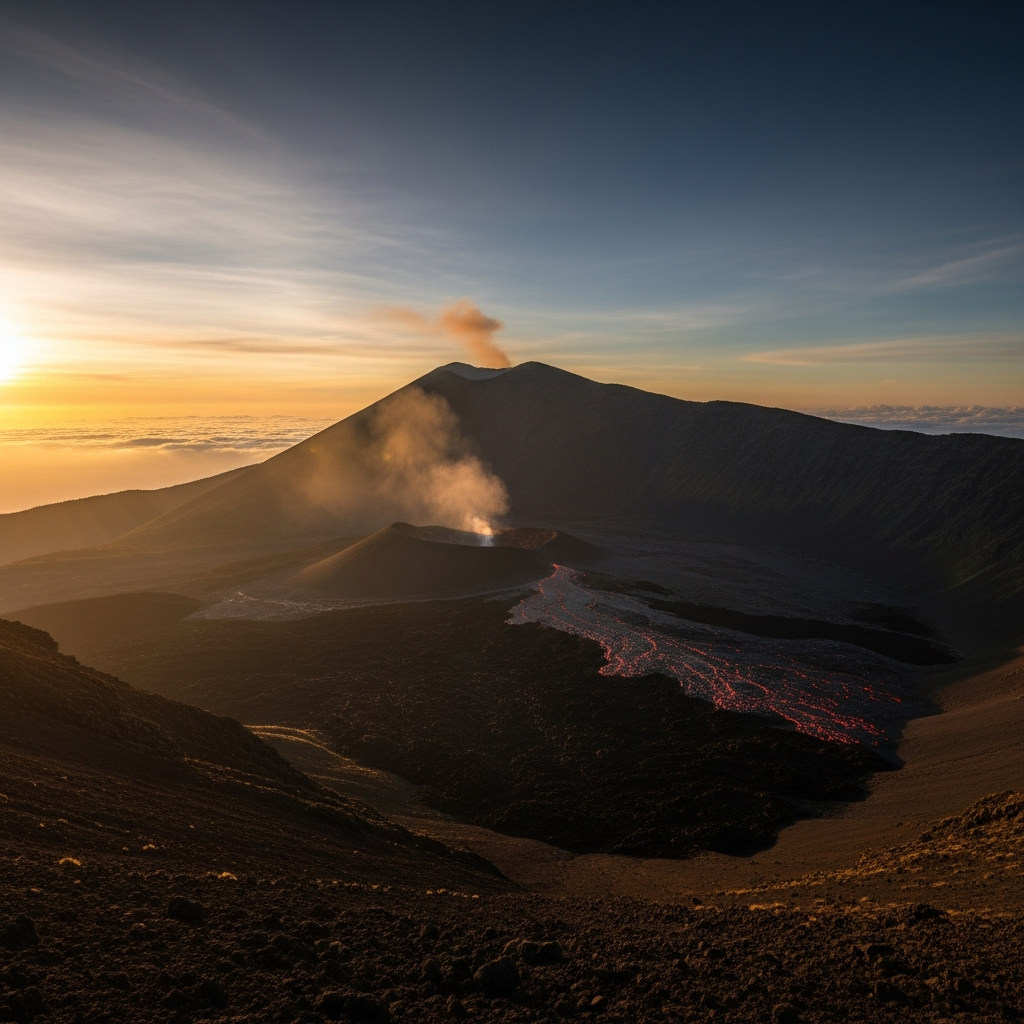
Stoneware mug, dishwasher safe
Buy Mug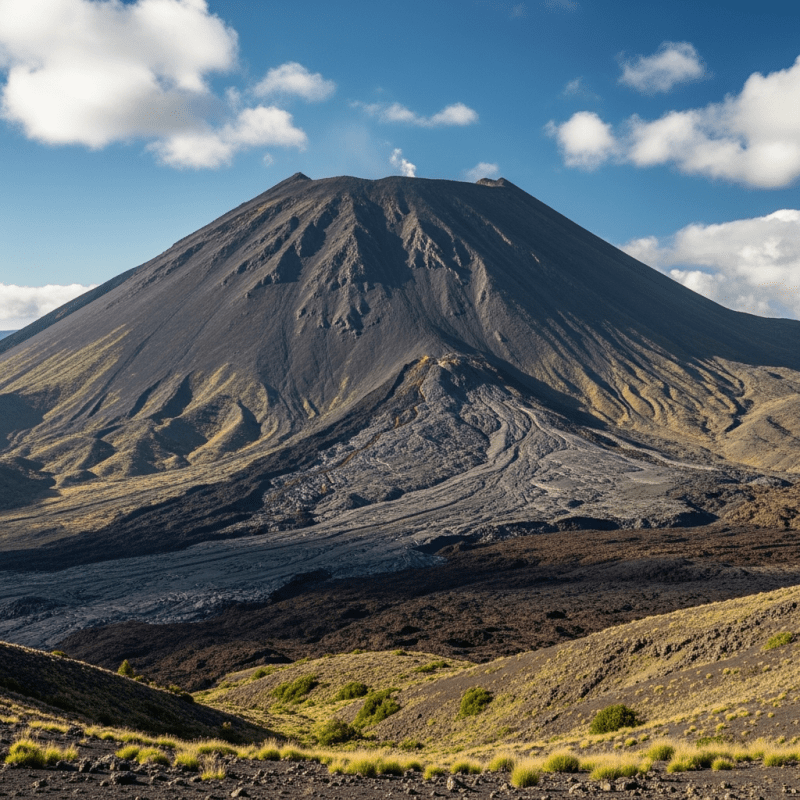
Soft cotton tee, unisex sizes
Buy ShirtShield volcanoes hold cultural importance in many regions, especially in Hawaii where volcanoes like Mauna Loa are central to indigenous mythology and identity. Their majestic forms inspire art, storytelling, and scientific curiosity, symbolizing the dynamic forces shaping the Earth.
Shield volcanoes primarily erupt through effusive lava flows, where low-viscosity basaltic magma steadily oozes from vents and fissures. These eruptions produce broad lava sheets rather than explosive ash clouds. Occasionally, if magma interacts with water, minor explosive events may occur, but such eruptions are rare compared to other volcano types.

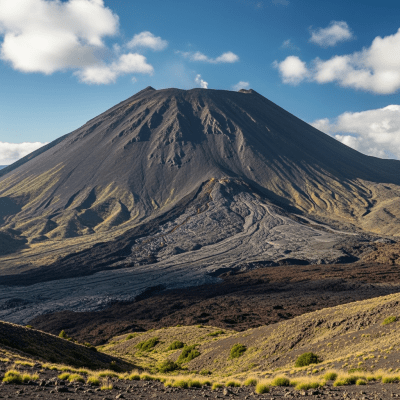

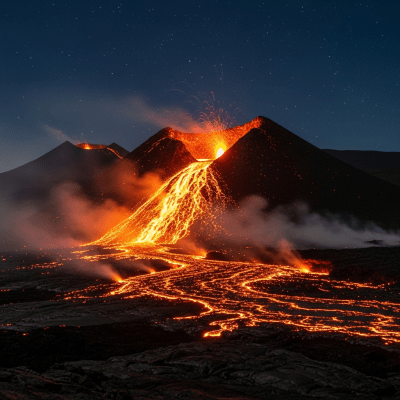
Typical hazards from shield volcanoes include extensive lava flows that can inundate landscapes and infrastructure, as well as the release of volcanic gases. Although explosive eruptions are uncommon, they can occur if external water contacts magma, posing additional risks. The slow-moving nature of lava flows often allows for evacuation and mitigation efforts.
Notable shield volcanoes include Mauna Loa and Mauna Kea in Hawaii, both iconic for their size and geological activity. The Galápagos Islands host several shield volcanoes that have shaped their unique ecosystems. Beyond Earth, Olympus Mons on Mars stands as the largest known shield volcano in the solar system.
Shield volcanoes are monitored using seismic sensors, satellite imagery, gas measurements, and ground observations to detect signs of unrest. Due to their typically effusive eruptions, early warning systems focus on lava flow tracking and gas emissions. Safety measures include hazard zoning, public education, and evacuation planning to minimize risk to nearby populations.
Over time, shield volcanoes dramatically reshape landscapes by building vast volcanic plateaus and extensive lava fields. Their fluid lava flows create fertile soils that support diverse ecosystems. These volcanoes also influence regional topography and can alter drainage patterns, contributing to long-term environmental evolution.