Lava Dome
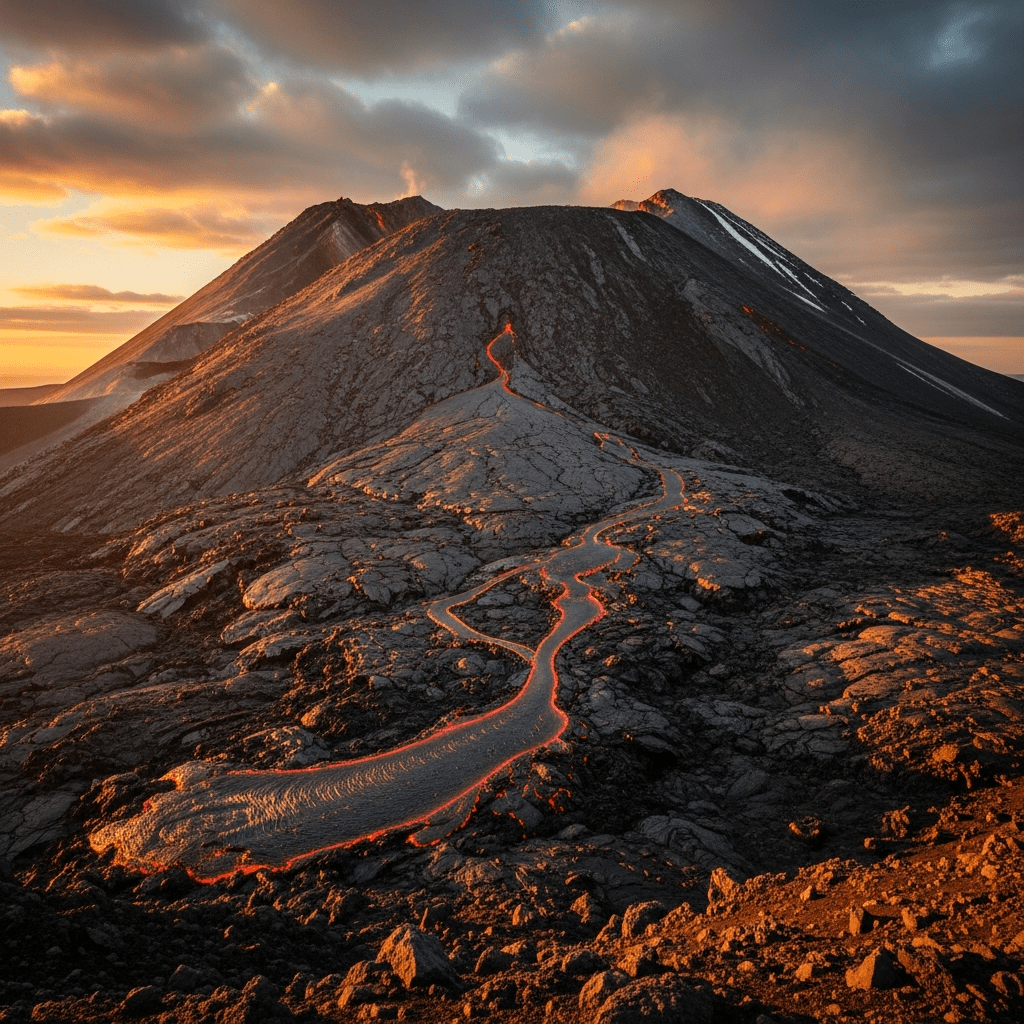
A lava dome is a rounded, steep-sided volcanic mound formed by the slow extrusion of highly viscous, silica-rich lava that piles up near the vent instead of flowing away.
A lava dome is a rounded, steep-sided volcanic mound formed by the slow extrusion of highly viscous, silica-rich lava that piles up near the vent instead of flowing away.
The concept of the lava dome emerged in the early 20th century as volcanologists observed eruptions producing distinctive mounded structures rather than classic cones. Early notable examples include the post-1980 eruption domes at Mount St. Helens and the Novarupta dome in Alaska, which deepened understanding of dome formation and eruption behavior.
Lava domes belong to the broader family of volcanic landforms characterized by viscous lava extrusion. They are classified morphologically by their bulbous, steep-sided shape and composition, typically formed from andesite, dacite, or rhyolite lavas rich in silica. They stand apart from shield volcanoes and stratovolcanoes by their slow growth and limited lava mobility.
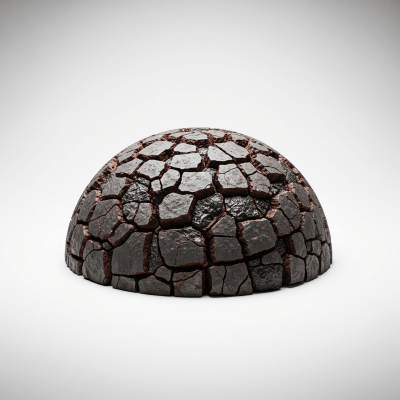
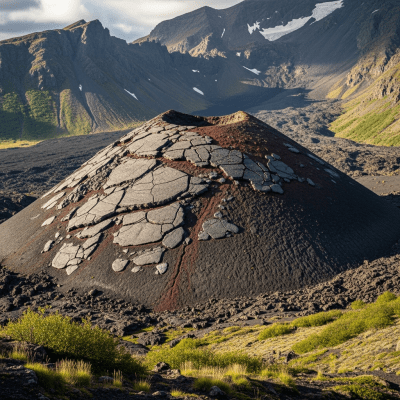
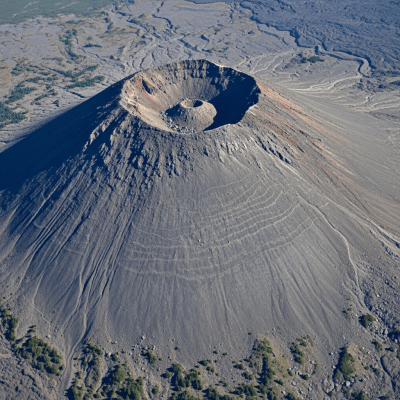
Lava domes appear as rounded, steep-sided mounds that can rise tens to hundreds of meters high. Their surfaces often feature jagged spines, fractured blocks, and talus slopes created by repeated collapse and fracturing. These domes may form within craters, on the flanks of larger volcanoes, or as isolated volcanic features.
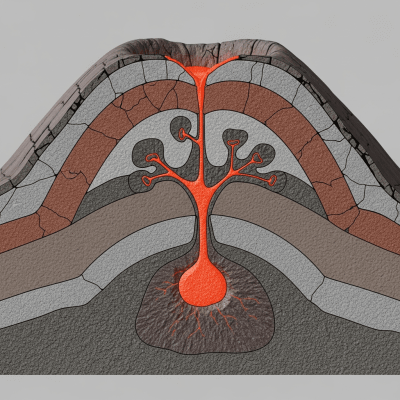
Lava domes grow episodically through the slow extrusion of viscous magma, which accumulates near the vent. This process can alternate with collapse events and explosive eruptions due to pressure buildup. Their growth and collapse cycles influence local landscapes and pose significant volcanic hazards, demanding careful monitoring in populated regions.
Bring this kind into your world illustrated posters, mugs, and shirts.

Archival print, museum-grade paper
Buy Poster
Stoneware mug, dishwasher safe
Buy Mug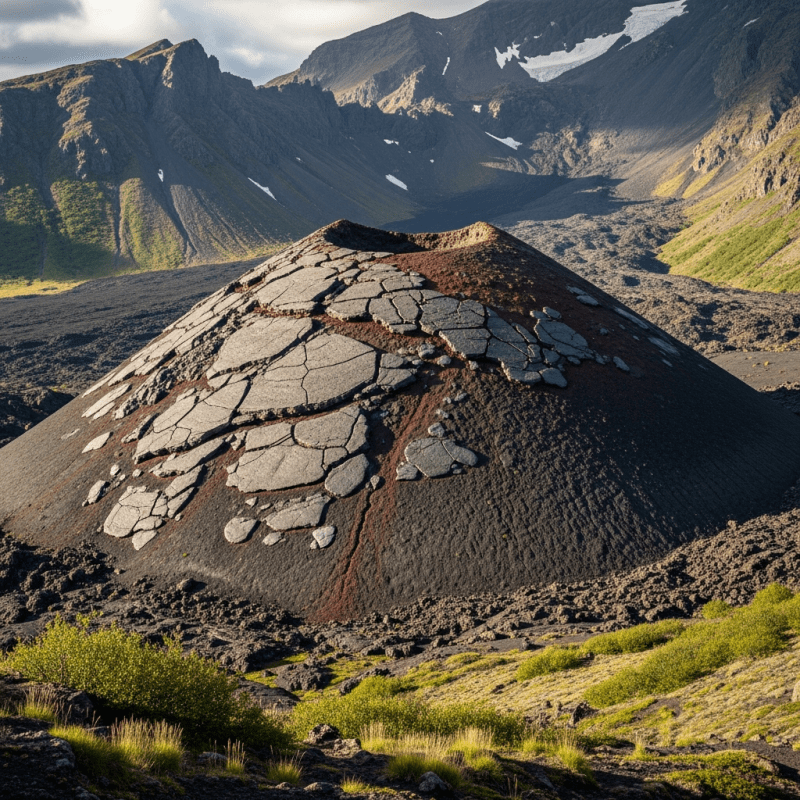
Soft cotton tee, unisex sizes
Buy ShirtLava domes have captured human imagination through their dramatic formation and eruption patterns, appearing in volcanic art and literature as symbols of nature's slow yet powerful forces. In some cultures, these domes are revered or feared as manifestations of earth spirits or deities, while in modern contexts they serve as key study sites for volcanologists and educators.
Lava dome eruptions are typically episodic, involving slow extrusion of viscous lava interspersed with collapse events and explosive activity. These eruptions can generate pyroclastic flows and ash emissions as pressurized magma breaks through the dome’s surface.
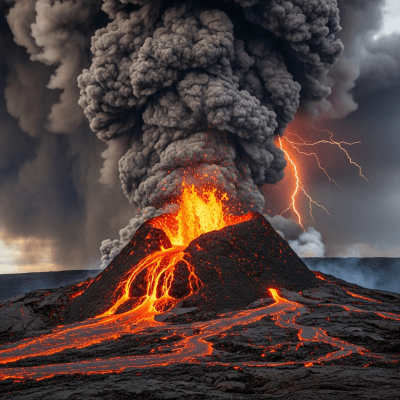
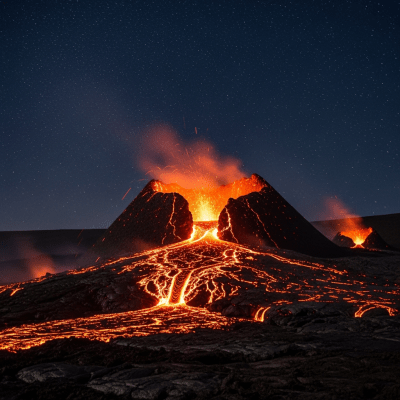
Lava domes pose hazards such as sudden dome collapse, which can trigger fast-moving pyroclastic flows, ashfall that affects air quality and aviation, and explosive eruptions that endanger nearby communities. Their unpredictable growth and instability require vigilant hazard assessment.
Notable lava domes include the Mount St. Helens Lava Dome in Washington, USA, which formed after the 1980 eruption and grew through multiple cycles until 2008, and the Novarupta Lava Dome in Alaska, formed during the massive 1912 eruption.
Monitoring lava domes involves seismic activity tracking, ground deformation measurements, gas emission analysis, and visual observations to detect dome growth or instability. Safety measures include hazard zoning, evacuation planning, and public education to mitigate risks from sudden dome collapse or explosive eruptions.
Over time, lava domes reshape volcanic landscapes by building steep mounds that alter drainage patterns and local topography. Their collapse events can deposit thick pyroclastic flows that reshape valleys and create new landforms, influencing ecosystems and geological evolution in volcanic regions.