
California Two-Spot Octopus
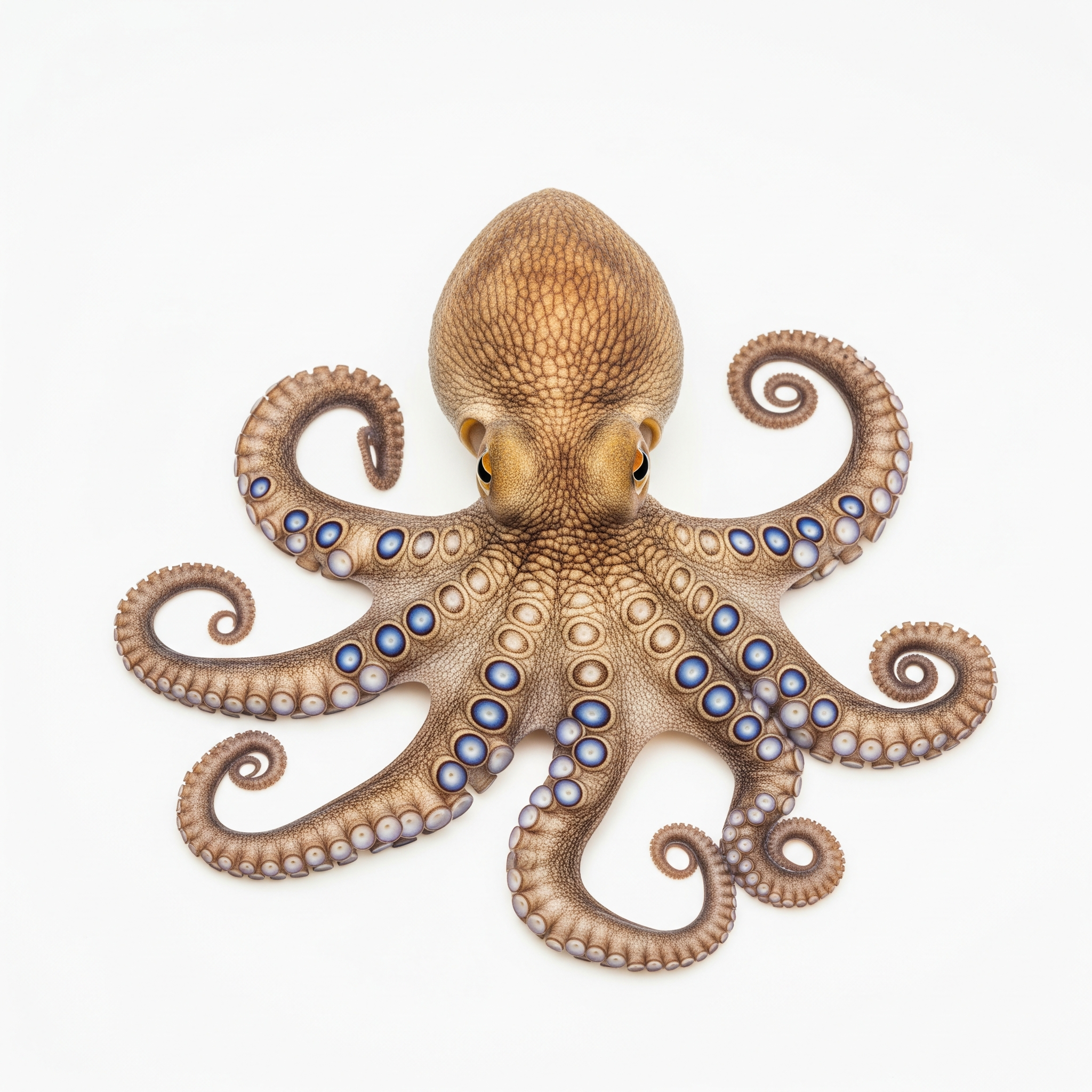
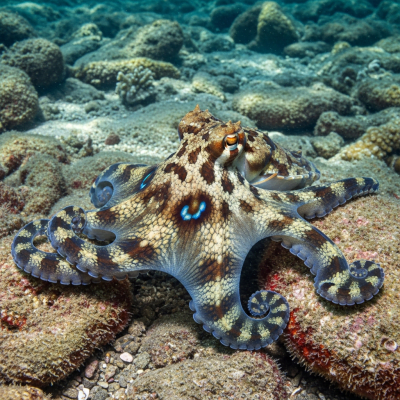
The California Two-Spot Octopus (Octopus bimaculoides) is a medium-sized, intelligent cephalopod native to the eastern Pacific, easily recognized by the two distinctive blue circular spots on either side of its head.
The California Two-Spot Octopus (Octopus bimaculoides) is a medium-sized, intelligent cephalopod native to the eastern Pacific, easily recognized by the two distinctive blue circular spots on either side of its head.
Octopus bimaculoides was first formally described in 1949 by Pickford and McConnaughey, based on specimens collected from the coastal waters of southern California, USA. Its lineage is firmly rooted within the family Octopodidae, and it has since become a subject of scientific interest and captive study, though no formal breeding programs exist.
This species belongs to the order Octopoda, family Octopodidae, genus Octopus. As a true octopus, it is part of the suborder Incirrina, which includes most benthic, eight-armed mollusks known for their soft bodies and remarkable adaptability.
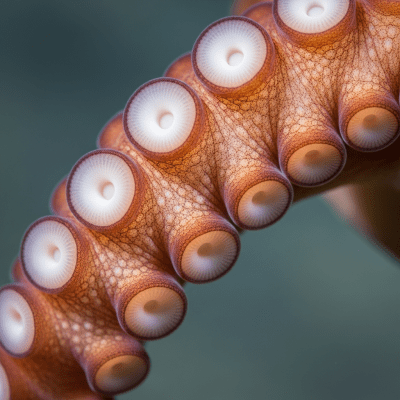
The California Two-Spot Octopus typically has a mantle length between 7 and 17 centimeters and an arm span reaching up to 60 centimeters. It weighs between 0.5 and 1.5 kilograms. Its most striking feature is the pair of prominent blue ocelli on each side of its head, which may serve to deter predators. Its skin can rapidly change color and texture, allowing it to blend seamlessly with rocky and kelp forest environments.
This species is solitary, benthic, and primarily nocturnal. Known for its intelligence and adaptability, it actively hunts crustaceans, mollusks, and small fish. Its manageable size and well-documented behavior make it a popular subject in neurobiological research and a favored inhabitant of public aquaria, where it serves an educational role.
Bring this kind into your world illustrated posters, mugs, and shirts.
Archival print, museum-grade paper
Buy Poster
Stoneware mug, dishwasher safe
Buy Mug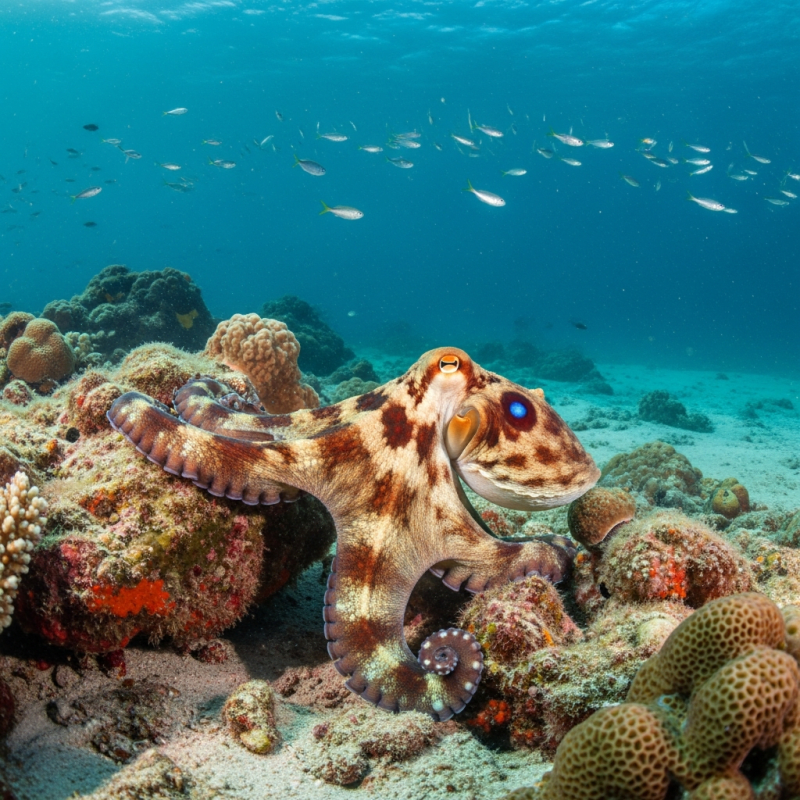
Soft cotton tee, unisex sizes
Buy ShirtWhile not a major culinary target, the California Two-Spot Octopus holds significant value in scientific research, especially in studies of behavior and neurobiology. It is also appreciated in public aquaria for its engaging presence and educational potential, contributing to broader public awareness of marine life.
The California Two-Spot Octopus inhabits the eastern Pacific, primarily along the coasts of California and Baja California. It favors rocky substrates and kelp forest ecosystems, dwelling from the intertidal zone down to depths of about 20 meters. This benthic species thrives in these complex habitats where it can hunt and hide effectively.
Renowned for its intelligence, the California Two-Spot Octopus exhibits problem-solving abilities, adaptability, and complex behaviors. These traits have made it a valuable model organism in neurobiology and behavioral research, helping scientists explore cephalopod cognition and learning.
This octopus employs several defense strategies including rapid color and texture changes to blend into its surroundings, effectively camouflaging itself from predators. The distinctive blue spots may serve as a visual deterrent. Additionally, like many octopuses, it can eject ink to confuse threats and make a swift escape.
The California Two-Spot Octopus has a relatively short lifespan of one to two years. It is solitary and reproduces by laying eggs, which the female tends carefully until they hatch. After reproduction, adults typically die, completing a lifecycle adapted to rapid growth and early maturity.
Currently, there is no formal conservation status assigned to the California Two-Spot Octopus. It is not a primary target of commercial fisheries but may be caught incidentally. The species is sensitive to water quality and temperature changes, particularly in captivity, highlighting the importance of maintaining healthy coastal ecosystems for its continued survival.