Giant Pacific Octopus
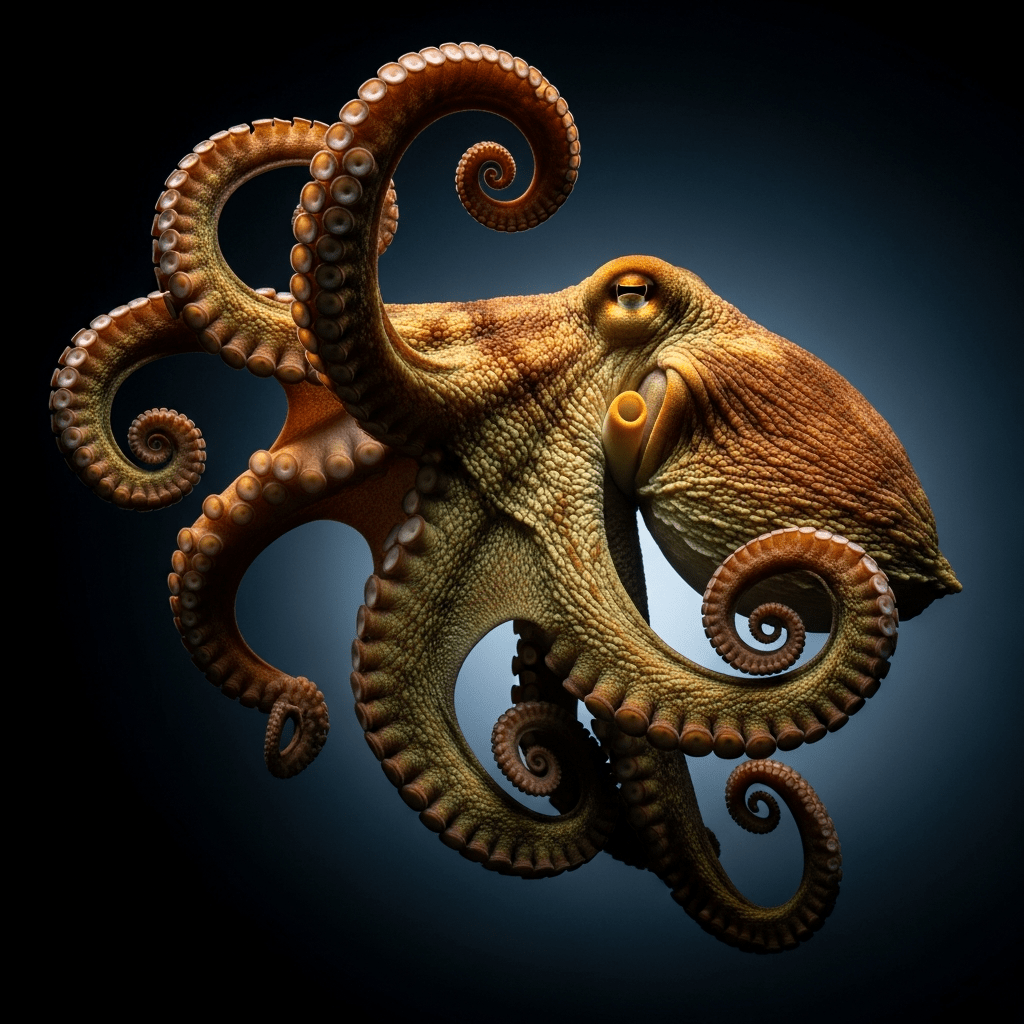
The Giant Pacific Octopus (Enteroctopus dofleini) is the largest known octopus species, renowned for its immense size, intelligence, and adaptability to cold North Pacific coastal waters.
The Giant Pacific Octopus (Enteroctopus dofleini) is the largest known octopus species, renowned for its immense size, intelligence, and adaptability to cold North Pacific coastal waters.
First described by Wülker in 1910, the Giant Pacific Octopus originates from the North Pacific region. It belongs to the family Enteroctopodidae and has been studied primarily in its wild marine habitats without any known artificial breeding.
The Giant Pacific Octopus is classified within the order Octopoda, family Enteroctopodidae, genus Enteroctopus, and species dofleini. It is a true octopus distinguished from other cephalopods like squids and cuttlefish by its eight arms and benthic lifestyle.
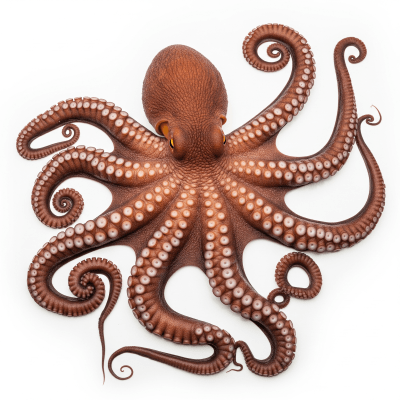
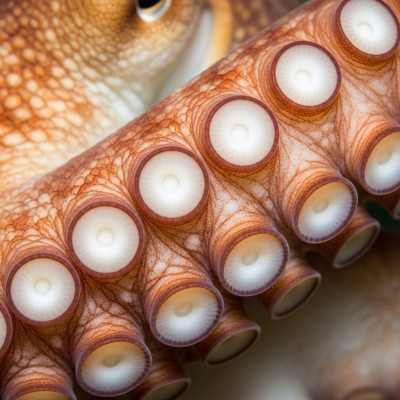
This species features a robust, bulbous mantle and long arms lined with two rows of suckers. Its coloration is typically reddish-brown but can change dynamically through chromatophores. Adults boast arm spans of 4 to 5 meters and can weigh between 50 and 70 kilograms, making it the largest octopus known. Notable physical traits include remarkable regenerative abilities and a strong, muscular form adapted for diverse underwater terrains.
The Giant Pacific Octopus is solitary and highly intelligent, exhibiting advanced problem-solving skills and sophisticated camouflage techniques. It interacts with its environment as a keystone predator, hunting prey across rocky reefs, kelp forests, and soft-bottom habitats. Humans harvest it primarily for food, using pots, traps, or as bycatch, while it also serves as a popular exhibit in public aquaria due to its size and cognitive abilities.
Bring this kind into your world illustrated posters, mugs, and shirts.
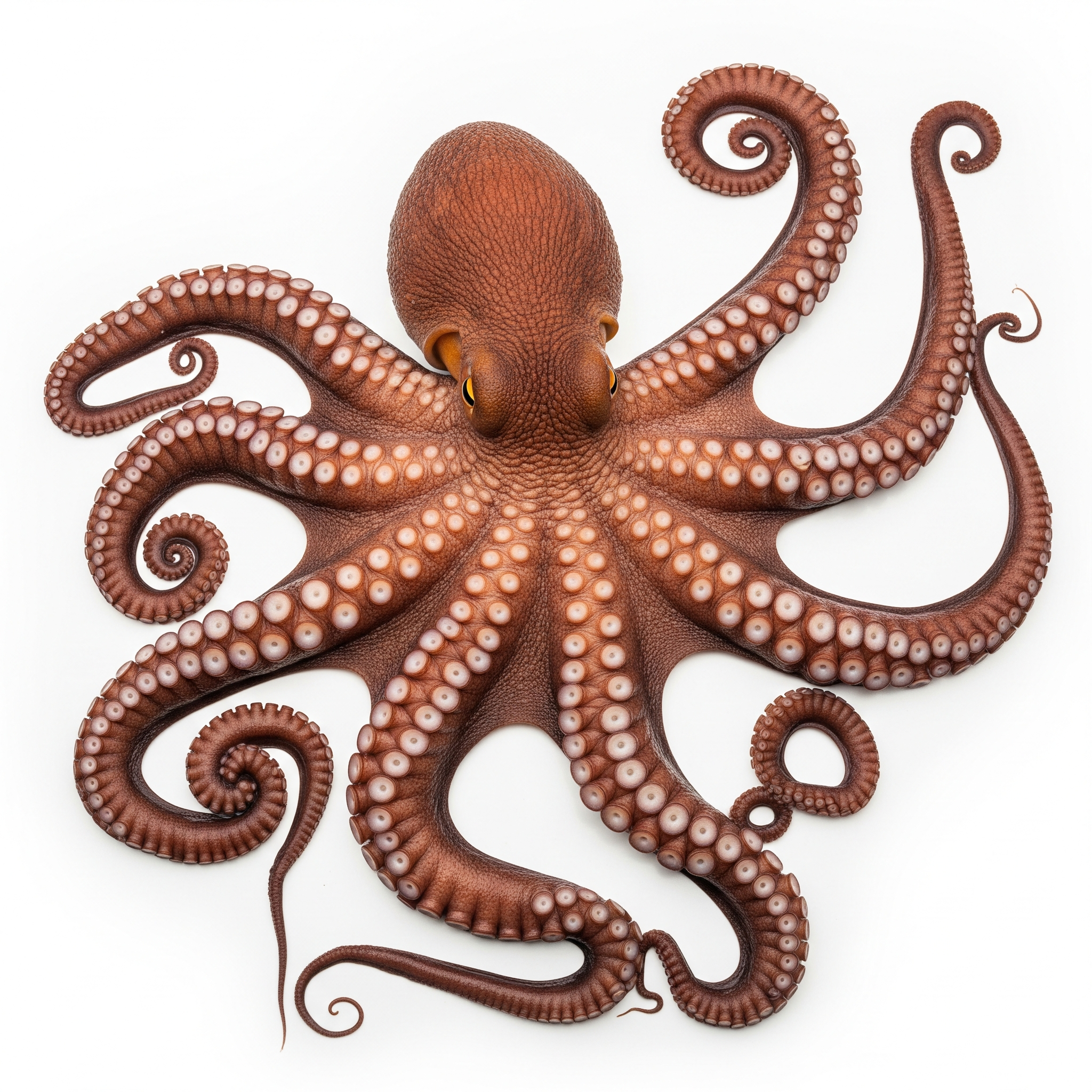
Archival print, museum-grade paper
Buy Poster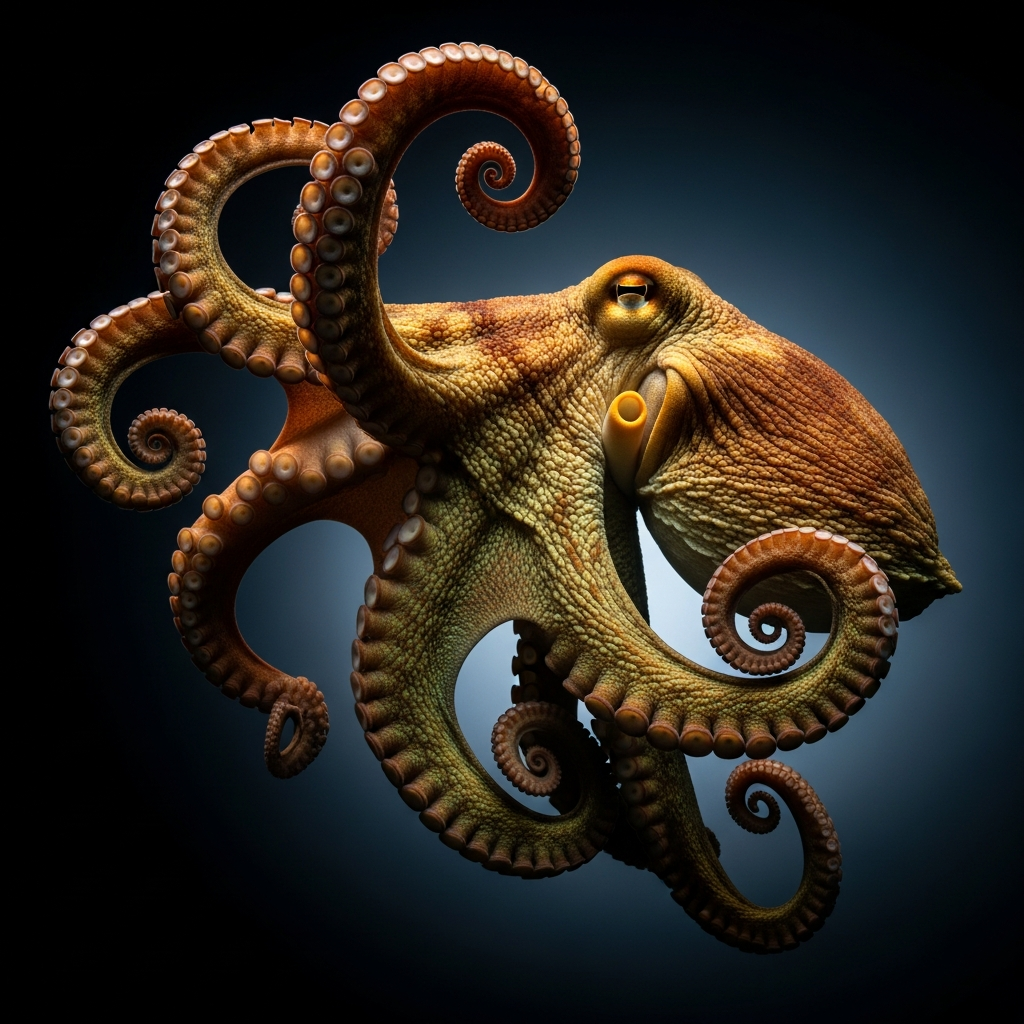
Stoneware mug, dishwasher safe
Buy Mug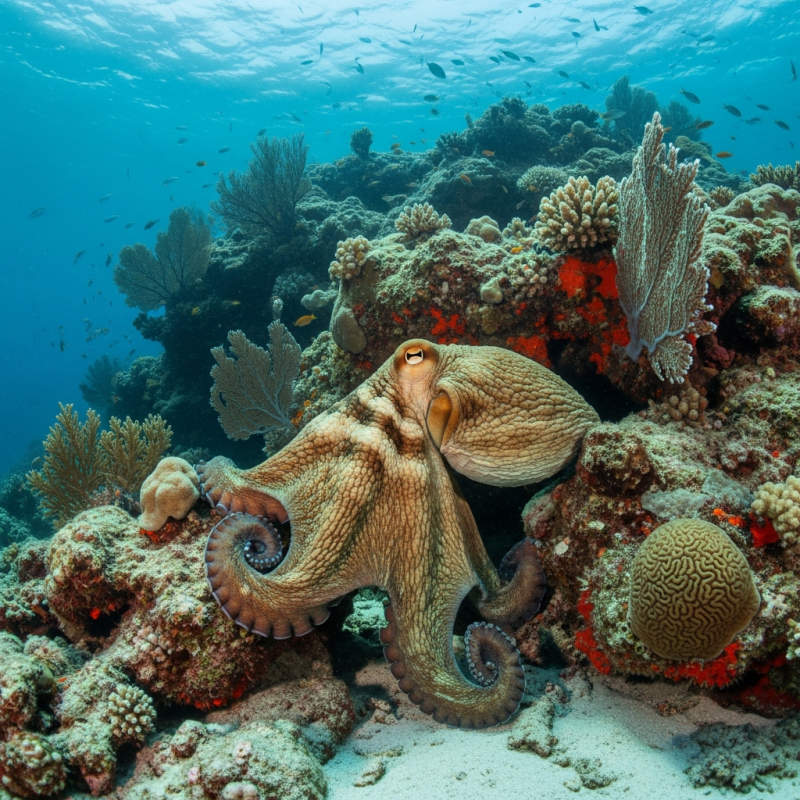
Soft cotton tee, unisex sizes
Buy ShirtThis octopus holds cultural importance, especially in indigenous Pacific Northwest art and folklore, where it is often symbolized for its strength and mystery. It is also known by regional names such as "Tako" in Japan and "Mun-eo" in Korea, reflecting its culinary and cultural presence in these societies.
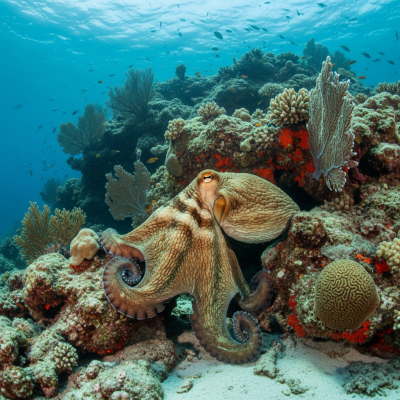
The Giant Pacific Octopus is native to North Pacific coastal ecosystems, thriving in cold waters typically between 6 and 12°C. It occupies diverse substrates including rocky reefs, kelp forests, and soft-bottom habitats, ranging from the intertidal zone down to depths of 1,500 meters. This wide depth range allows it to exploit various ecological niches across its geographic distribution.
Known for its exceptional intelligence, the Giant Pacific Octopus exhibits advanced problem-solving abilities, memory, and complex behaviors such as tool use and escape artistry. Its capacity for dynamic camouflage and environmental interaction highlights sophisticated cognitive skills uncommon among invertebrates.
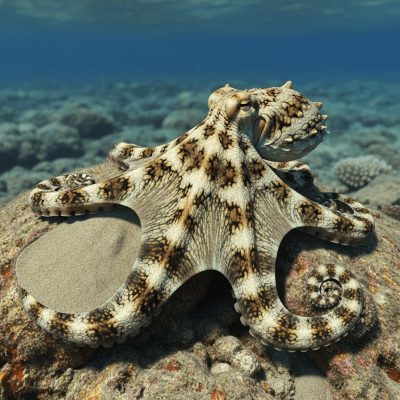
To evade predators, the Giant Pacific Octopus employs rapid color and texture changes via chromatophores, blending seamlessly into its surroundings. It can also release ink clouds to obscure attackers and uses its agility and regenerative powers to escape and recover from injuries.
The Giant Pacific Octopus has a lifespan of 3 to 5 years. Reproduction involves a single mating event after which females lay thousands of eggs and guard them diligently until hatching. After the eggs hatch, adults typically die, completing their semelparous lifecycle.
While no formal conservation status is assigned, the Giant Pacific Octopus faces threats from overfishing and predation by marine mammals. Its tolerance to low temperatures and hypoxia aids survival, but sustainable management is essential to maintain healthy populations amid commercial harvesting pressures.