Walnut
The walnut is a highly prized edible nut, renowned for its rich nutritional profile, distinctive flavor, and global commercial importance.
The walnut is a highly prized edible nut, renowned for its rich nutritional profile, distinctive flavor, and global commercial importance.
Walnuts, primarily from the species Juglans regia, trace their origins to a broad region spanning the Balkans, Himalayas, and China. Archaeological evidence suggests that walnuts have been cultivated for over two millennia. Their journey from wild groves to orchards was shaped by ancient trade routes and later, colonial expansion, which introduced them to Europe and North America. Modern breeding, especially in California, has refined commercial varieties, with institutions like the University of California, Davis playing a pivotal role in developing cultivars such as Chandler and Hartley.
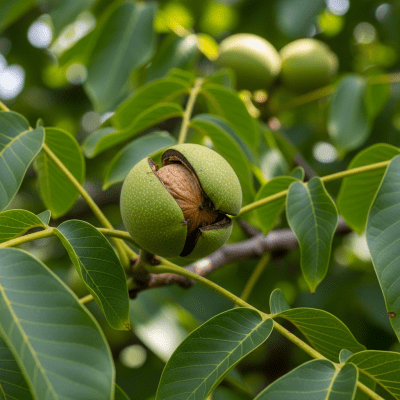
Botanically, walnuts belong to the family Juglandaceae, genus Juglans, species regia. While classified as true nuts in culinary contexts, the walnut fruit is technically a drupe, featuring a fleshy husk that encases a hard, corrugated shell. Walnuts are a core member of the tree nut category, alongside almonds, hazelnuts, and pecans.
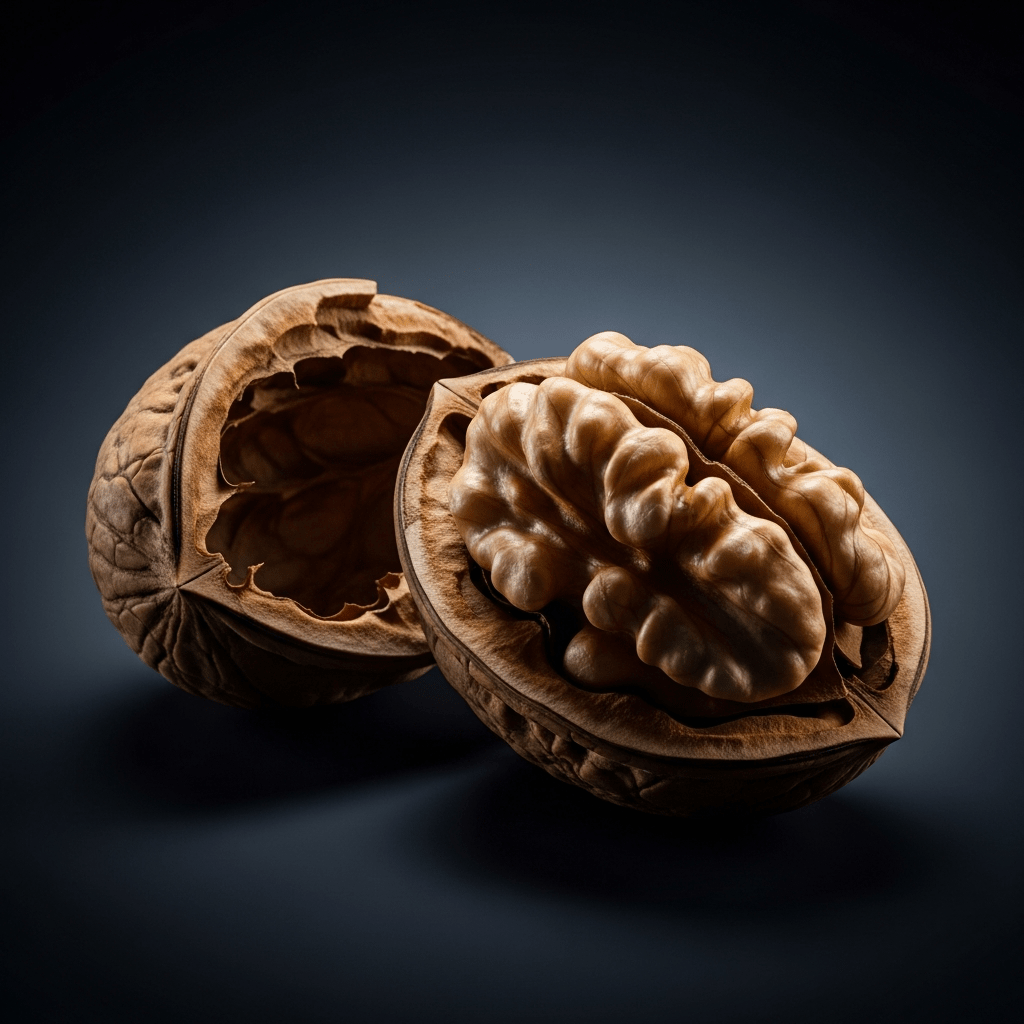
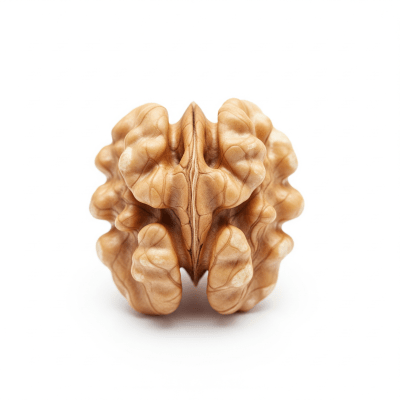
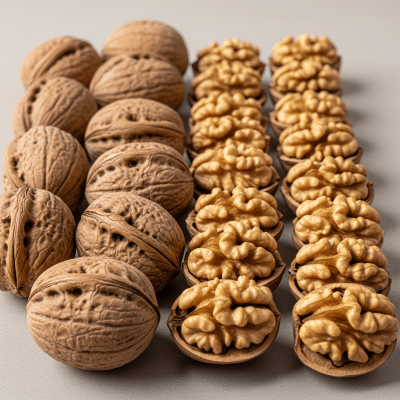
A walnut is instantly recognizable by its hard, deeply grooved shell, which splits open to reveal a golden-brown, bilobed kernel. The kernels are plump, slightly wrinkled, and weigh 2–5 grams each. Walnut trees themselves are stately and deciduous, reaching heights of up to 35 meters, with broad, pinnate leaves and a spreading canopy. The fruit matures inside a green husk that peels away as it ripens.
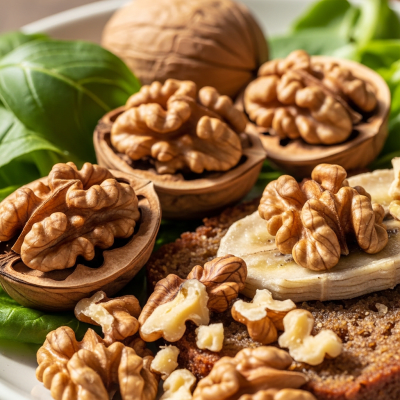
Walnuts are valued for their versatility: they can be eaten raw, roasted, or incorporated into a wide range of dishes, from baked goods to salads and sauces. Their high content of omega-3 fatty acids and antioxidants makes them a popular choice for health-conscious diets. Beyond the kitchen, walnuts are processed into oil, flour, and meal, and find uses in cosmetics and traditional medicine. Their cultivation requires temperate climates, deep soils, and careful management to avoid disease and frost damage.
Bring this kind into your world illustrated posters, mugs, and shirts.
Archival print, museum-grade paper
Buy Poster
Stoneware mug, dishwasher safe
Buy Mug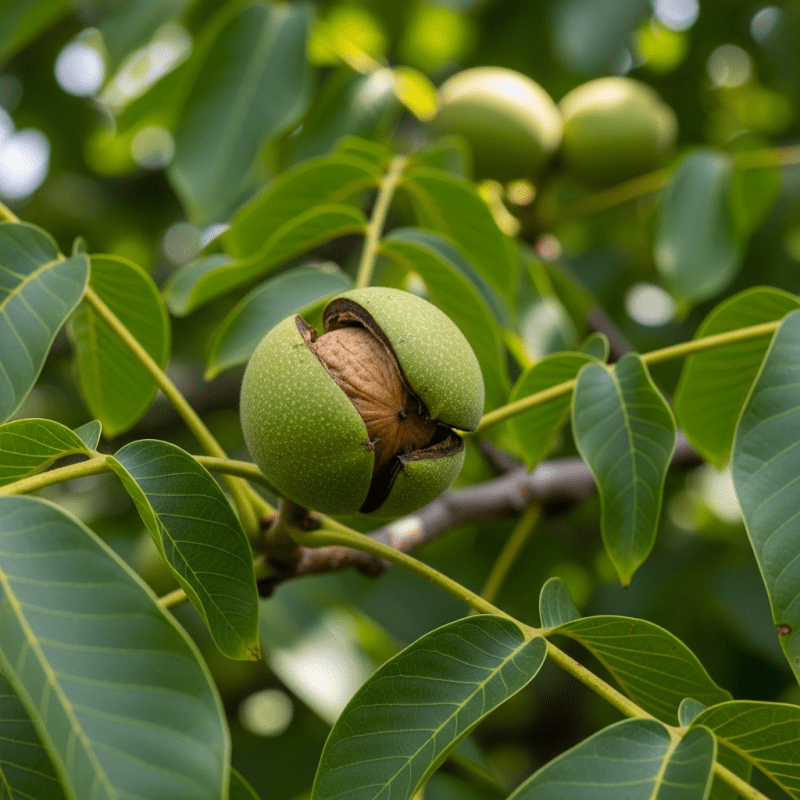
Soft cotton tee, unisex sizes
Buy ShirtWalnuts hold a special place in many cultures. In Mediterranean and Middle Eastern cuisines, they are a staple ingredient in festive and everyday dishes. Historically, walnuts have symbolized wisdom and longevity, appearing in folklore, art, and traditional medicine. In some regions, walnut wood is prized for fine furniture and carving, further embedding the tree in cultural heritage. The nut's presence in holiday baking and celebratory feasts underscores its enduring role in culinary tradition.
Scientific Name: Juglans regia
Family: Juglandaceae
Genus: Juglans
Species: regia
Walnut trees are deciduous, medium to large in stature, with broad, pinnate leaves and a spreading canopy. The fruit is a drupe, featuring a green husk that splits to reveal the hard, corrugated shell and edible kernel. Kernels are bilobed, light to golden brown, and highly nutritious.


Walnuts thrive in temperate climates with deep, well-drained soils and moderate irrigation. Trees are planted in orchards and require several years to mature before bearing fruit. Harvest typically occurs in late summer to early autumn, when the green husk splits and nuts fall to the ground. Mechanical shakers and sweepers are commonly used in commercial operations. Disease management, especially for walnut blight and pests like codling moth, is crucial for healthy yields, which range from 2 to 5 metric tons per hectare under optimal conditions.
Walnuts are celebrated for their nutritional density. They are high in omega-3 fatty acids (notably alpha-linolenic acid), polyunsaturated fats, protein, and dietary fiber. Walnuts also provide antioxidants, vitamins (such as vitamin E), and minerals including magnesium and phosphorus. Regular consumption is associated with heart health, cognitive benefits, and overall wellness.
Walnuts are regulated as a major food allergen in the US, EU, and many other regions. Individuals with tree nut allergies should avoid walnuts, as reactions can be severe. Always check product labeling for allergen warnings.
Walnuts are a major global commodity, with China, the United States (particularly California), Iran, and Turkey leading production. They are sold in-shell, shelled, or processed into oil and flour. Walnuts are traded worldwide, valued in both food and non-food industries, including cosmetics and traditional medicine. Annual production exceeds 3.5 million metric tons, reflecting their economic significance.