Tiger Nut
Tiger nut is the edible tuber of Cyperus esculentus, valued for its sweet, nutty flavor and nutritional richness despite being botanically a sedge rather than a true nut.
Tiger nut is the edible tuber of Cyperus esculentus, valued for its sweet, nutty flavor and nutritional richness despite being botanically a sedge rather than a true nut.
Tiger nut originated in the Mediterranean basin and North Africa, with cultivation evidence dating back to ancient Egypt. It began as a wild species gradually adopted for agriculture, with no known specific breeder or formal domestication lineage.
Though commonly called a nut in culinary contexts, tiger nut is botanically classified as a sedge (Cyperus esculentus), a grass-like plant producing edible tubers rather than true nuts.
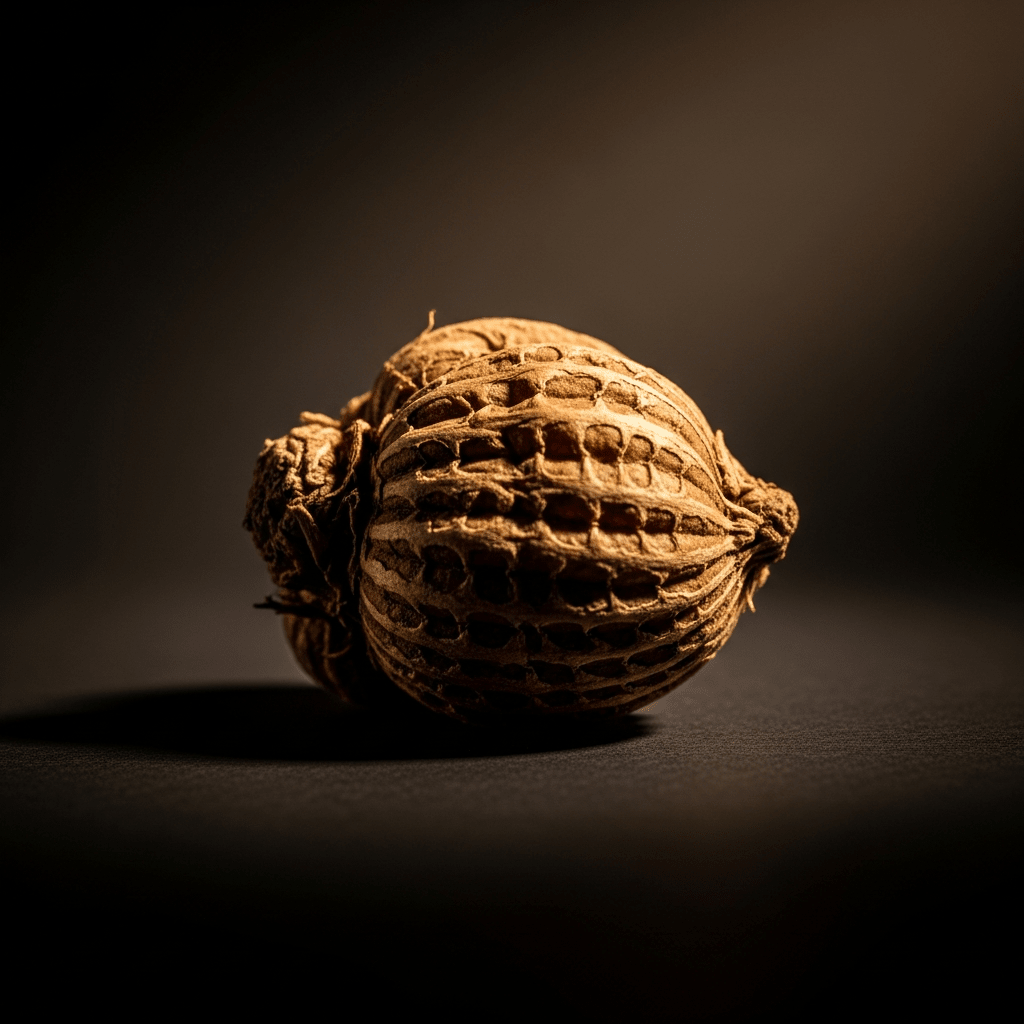
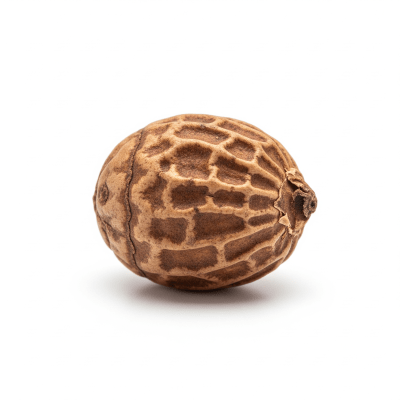
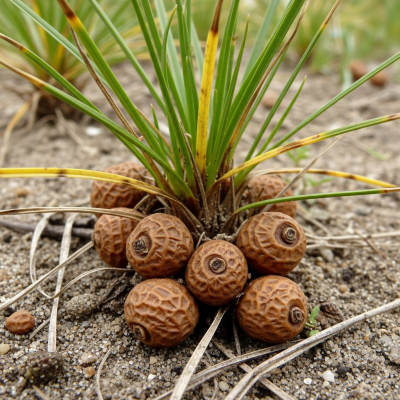
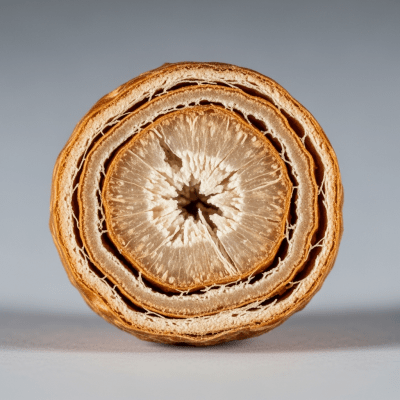
The tiger nut plant is a perennial sedge standing 30–70 cm tall with slender, grass-like leaves. Its edible tubers are oval to round, measuring 0.5–2 cm in diameter, featuring a wrinkled brown exterior and a creamy, fibrous interior.
Tiger nuts function as versatile food sources, consumed raw, roasted, or dried. They are integral to traditional beverages like Spanish horchata de chufa and processed into flour, oil, and non-dairy milk alternatives. Their high fiber and nutrient content make them popular as gluten-free snacks and paleo or vegan diet staples.
Bring this kind into your world illustrated posters, mugs, and shirts.

Archival print, museum-grade paper
Buy Poster
Stoneware mug, dishwasher safe
Buy Mug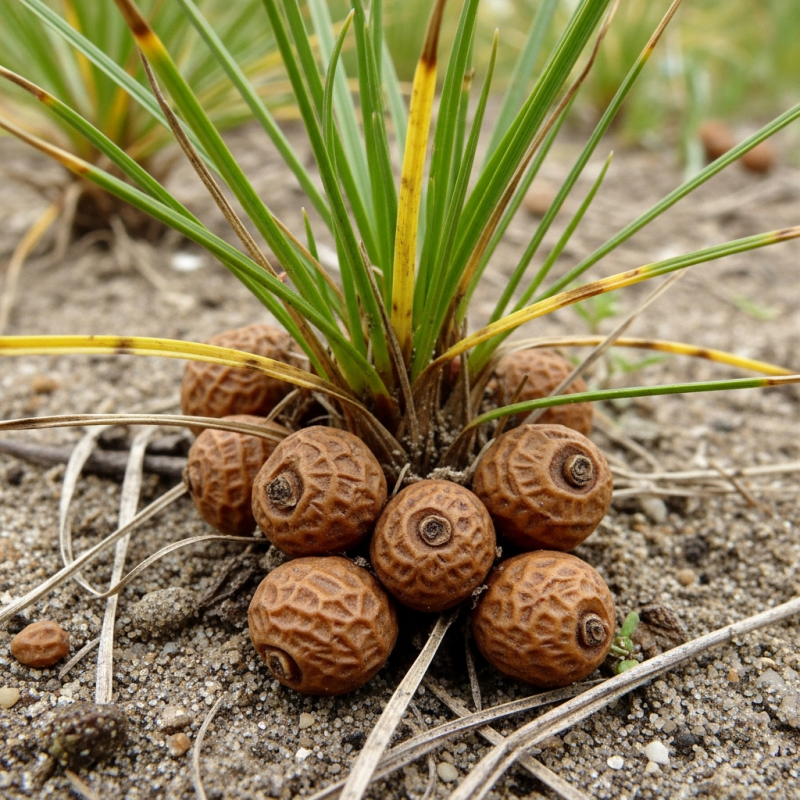
Soft cotton tee, unisex sizes
Buy ShirtIn Spain, tiger nuts hold cultural importance through the iconic horchata de chufa drink, especially linked to the chufa de Valencia cultivar, which enjoys protected designation of origin status. In West Africa, tiger nuts appear in street foods, desserts, and porridges, reflecting regional culinary traditions.
Scientific name: Cyperus esculentus. Tiger nut belongs to the sedge family, characterized by perennial growth with slender, grass-like leaves and underground tubers. It thrives in warm, temperate to subtropical climates, favoring sandy or loamy soils with good drainage.



Tiger nuts are propagated through their tubers and cultivated primarily in warm regions with suitable soils. Yields range from 1,000 to 2,000 kg per hectare under optimal conditions. Harvesting involves digging up the tubers, which can be dried for extended storage.
The most notable cultivar is chufa de Valencia, grown in Spain and protected by a designation of origin. This variety is prized for its quality and is central to traditional horchata production.
Tiger nuts are rich in dietary fiber, vitamin E, and essential minerals. Their dense nutritional profile supports digestive health and provides antioxidant benefits, making them a favored ingredient in health-conscious diets.
Tiger nuts are not recognized as major allergens and are considered safe for most consumers, including those with common nut allergies.
Tiger nuts are enjoyed raw, roasted, or dried and processed into flour, oil, and non-dairy milk alternatives. They are key in making horchata de chufa, a traditional Spanish beverage, and are used in West African street foods, desserts, and porridges.
Spain, particularly Valencia, leads commercial production focused on horchata. Tiger nuts are marketed globally as a superfood, popular in paleo and vegan diets, and consumed widely in West Africa as snacks and ingredients.
Tiger nuts exhibit resistance to drought and some soil-borne pests but can become invasive outside cultivated areas, posing management challenges. Specific disease resistances or susceptibilities remain less documented.