
Sacha Inchi
Sacha inchi is the edible seed of Plukenetia volubilis, a tropical vine native to the Amazon, celebrated for its nut-like flavor, high oil content, and exceptional nutritional value.
Sacha inchi is the edible seed of Plukenetia volubilis, a tropical vine native to the Amazon, celebrated for its nut-like flavor, high oil content, and exceptional nutritional value.
Sacha inchi originated in the Amazon basin, where it was cultivated by pre-Columbian societies, most notably the Inca. Indigenous peoples of Peru, Colombia, Ecuador, and Bolivia domesticated the plant, integrating it into traditional diets and agricultural systems. While its ancient use is well documented, modern commercial cultivation and selection for improved yield and oil content began in Peru in the early 2000s, spurred by agricultural research and growing global interest in its health benefits.
Though commonly called a nut, sacha inchi is botanically a seed from the fruit of Plukenetia volubilis, a perennial vine in the Euphorbiaceae family. Its culinary and commercial classification as a "nut" stems from its taste, texture, and nutritional profile, aligning it with other edible nuts despite its distinct botanical lineage.
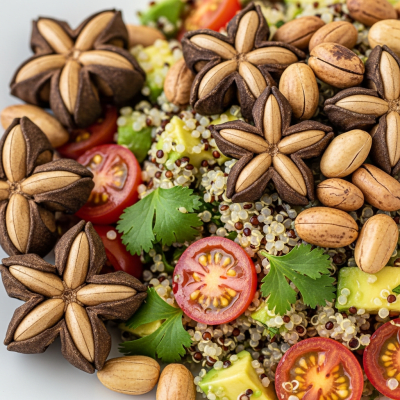
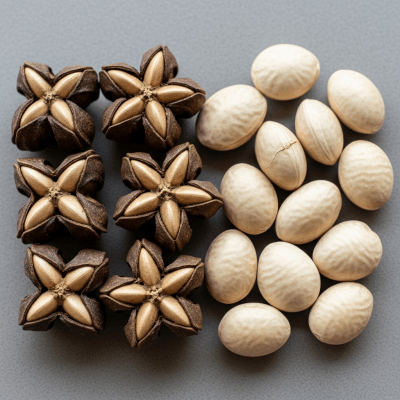
Sacha inchi seeds are encased in star-shaped green fruits, each containing 4–7 seeds. The seeds themselves are 1.5–2 cm in diameter, with a hard shell and a smooth, pale to dark brown coat. Once roasted, they reveal a crisp texture and a mild, nutty flavor, making them visually and sensorially appealing as a snack or ingredient.
Sacha inchi is valued for its versatility: the seeds are eaten roasted, pressed for oil, or processed into protein-rich powders and supplements. Its oil, high in polyunsaturated fatty acids, is sought after for culinary and nutritional uses, while the seeds themselves are enjoyed as a snack or added to health foods. The plant thrives in tropical climates, producing fruit within its first year and yielding abundantly under optimal conditions.
Bring this kind into your world illustrated posters, mugs, and shirts.
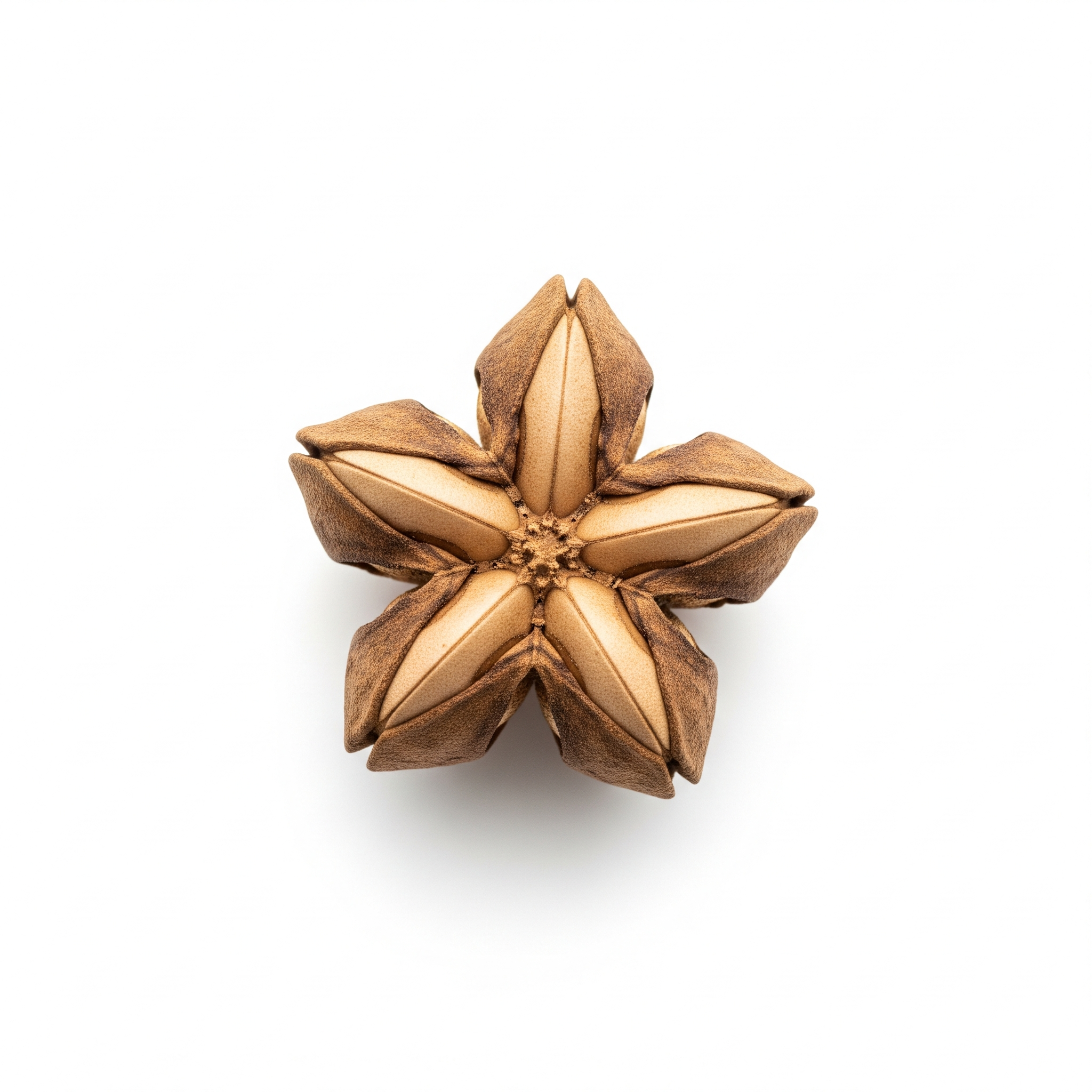
Archival print, museum-grade paper
Buy Poster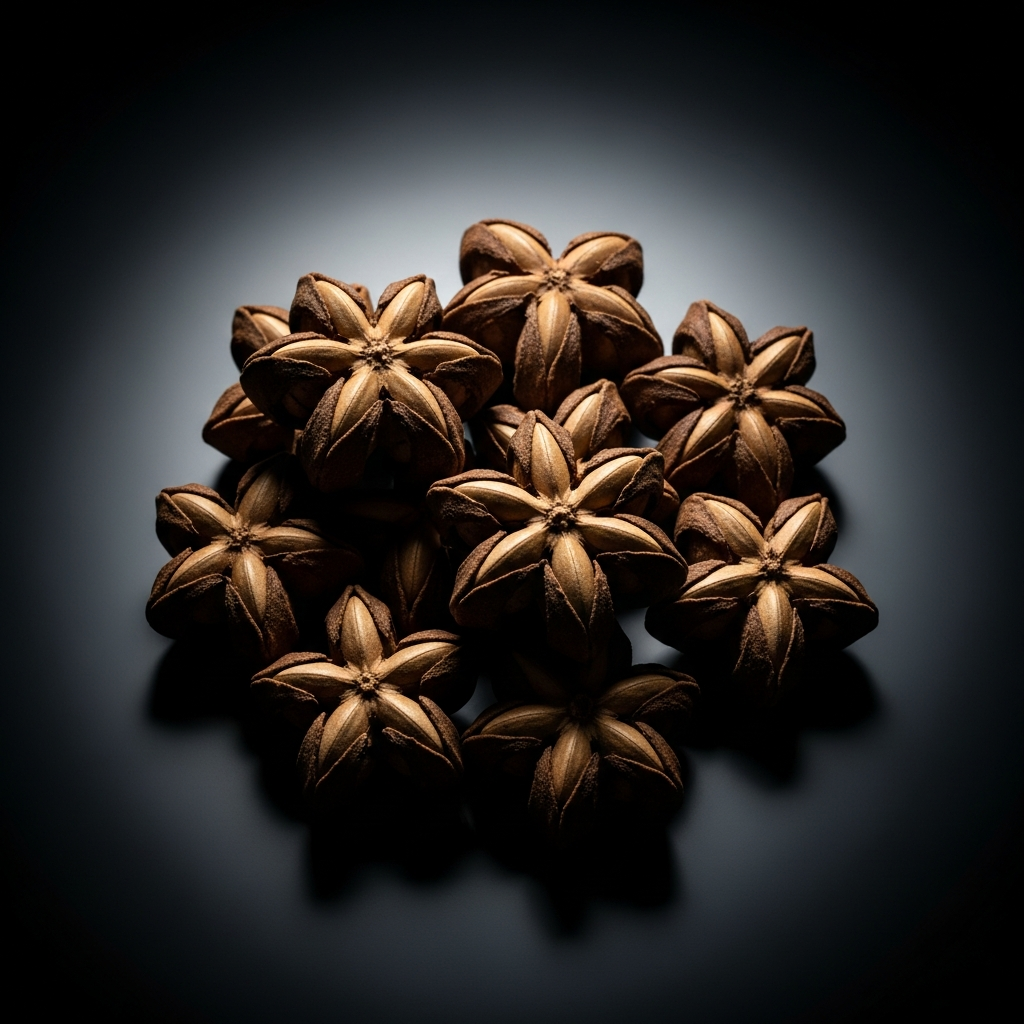
Stoneware mug, dishwasher safe
Buy Mug
Soft cotton tee, unisex sizes
Buy ShirtHistorically, sacha inchi held an important place in the diets and agriculture of Amazonian peoples, including the Inca civilization. Today, it is celebrated in Peru and neighboring countries as a traditional food and has gained global recognition as a "superfood." Its rise in health-conscious markets and vegan cuisine reflects both its indigenous heritage and modern appeal, bridging ancient traditions with contemporary wellness trends.
Scientific name: Plukenetia volubilis
Family: Euphorbiaceae
Key traits: Perennial climbing vine; star-shaped fruit with 4–7 seeds; seeds with hard shells and high oil content; thrives in tropical climates and well-drained soils.

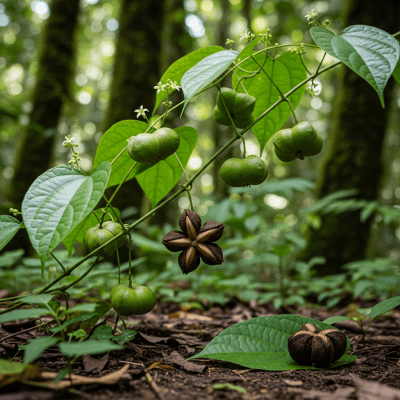
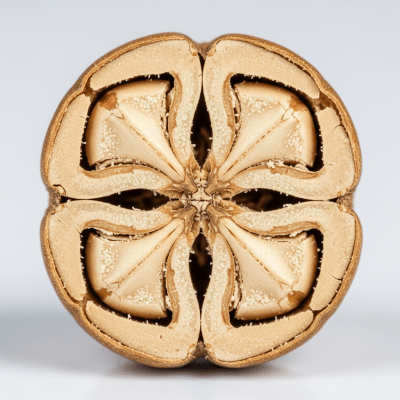
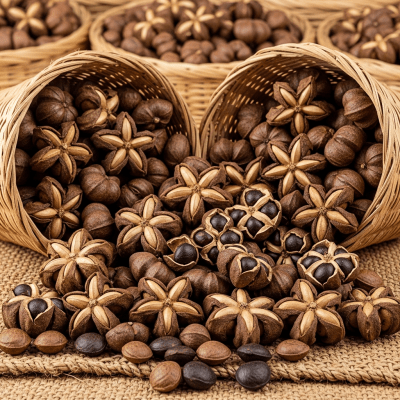
Sacha inchi is grown in tropical regions, favoring full sun and well-drained soils. The vine begins fruiting 8–10 months after planting and can yield 2,000–3,000 kg of seeds per hectare annually. Harvest involves collecting mature star-shaped fruits, extracting the seeds, and drying them post-harvest. Roasting is a critical step to remove bitter and mildly toxic compounds, ensuring the seeds are safe and enjoyable for consumption. Integrated pest management is recommended to address susceptibility to fungal diseases and insect pests.
While regional variants in cultivation and seed morphology exist, there are no widely recognized commercial or heritage cultivars of sacha inchi. Modern agricultural efforts in Peru have focused on selecting plants for higher yield and oil content, but formal cultivar names are not commonly used in commerce.
Sacha inchi seeds are exceptionally rich in oil (35–54%), with a high proportion of omega-3, omega-6, and omega-9 fatty acids. They provide plant-based protein, dietary fiber, and essential micronutrients, making them a popular choice for heart health, vegan diets, and functional foods. The oil is especially valued for its mild flavor and nutritional profile.
Sacha inchi is not classified as a major allergen in most regulatory frameworks, but individuals with sensitivities to seeds or nuts should exercise caution. International food safety authorities require labeling of sacha inchi products, especially when processed, to inform consumers about potential allergenicity and the necessity of roasting for safe consumption.
Roasted sacha inchi seeds are enjoyed as a crunchy snack or added to salads, granola, and trail mixes. The oil, with its light flavor and high polyunsaturated fat content, is used in dressings and cold dishes, though it is less suitable for high-temperature cooking. Sacha inchi is also processed into protein powders and supplements, featuring in health foods and vegan recipes worldwide.
Peru is the leading producer of sacha inchi, with cultivation also present in Colombia, Ecuador, and Bolivia. The seeds and oil are exported globally, marketed as health foods, snacks, and nutraceutical ingredients. Sacha inchi is regulated as an edible product, with international standards governing labeling, processing, and safety. Its growing reputation as a "superfood" has expanded its presence in specialty and mainstream markets worldwide.
Sacha inchi is sensitive to waterlogged soils and susceptible to fungal diseases and certain insect pests. While it tolerates moderate drought, integrated pest management is essential for healthy crops. No notable resistances are widely documented, making careful site selection and crop management important for successful cultivation.