Pistachio
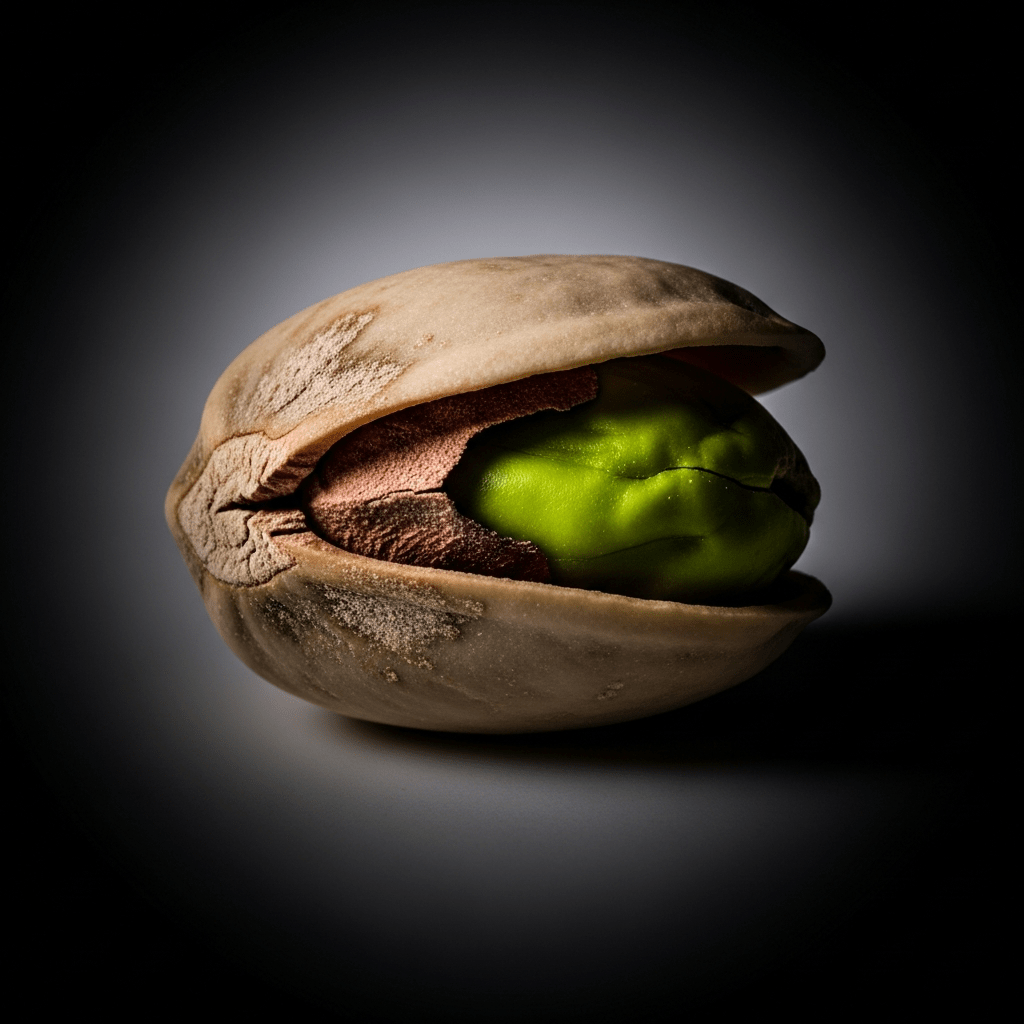
The pistachio is the edible seed of Pistacia vera, prized worldwide for its distinctive green hue, mild flavor, and versatile culinary uses.
The pistachio is the edible seed of Pistacia vera, prized worldwide for its distinctive green hue, mild flavor, and versatile culinary uses.
Originating over 7,000 years ago in Central Asia and the Middle East—particularly in regions now known as Iran, Turkmenistan, and Afghanistan—the pistachio was first cultivated in ancient Persia. Its modern commercial cultivation blossomed in the 20th century, notably in the United States through breeding efforts by the USDA and University of California, Davis.
Botanically, the pistachio is the seed of a drupe fruit, belonging to the family Anacardiaceae, genus Pistacia, species vera. Though commonly called a nut, it is not a true botanical nut but shares many culinary and commercial characteristics with tree nuts.
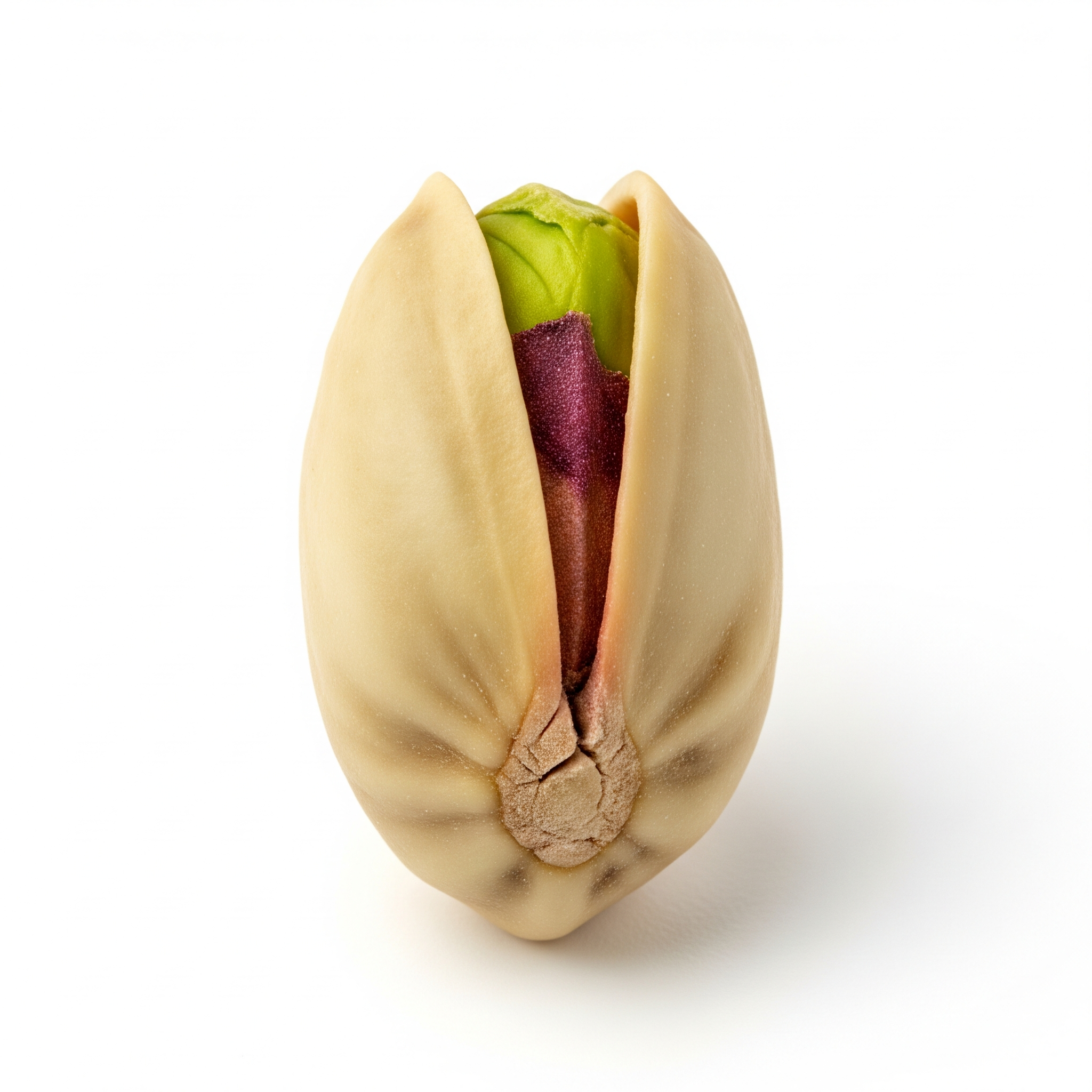
Pistachio trees are deciduous and dioecious, growing 5 to 10 meters tall. The fruit features a hard, pale beige shell that naturally splits open when ripe, revealing the edible seed inside. This seed ranges in color from vibrant green to purple, owing to natural pigments called anthocyanins.
Pistachios serve both as a nutritious snack and a key ingredient in many culinary traditions. They are harvested mechanically when ripe, hulled, dried, and sorted for various uses. Their mild flavor and appealing texture make them popular raw, roasted, salted, or flavored, and essential in desserts, confections, and savory dishes worldwide.
Bring this kind into your world illustrated posters, mugs, and shirts.
Archival print, museum-grade paper
Buy Poster
Stoneware mug, dishwasher safe
Buy Mug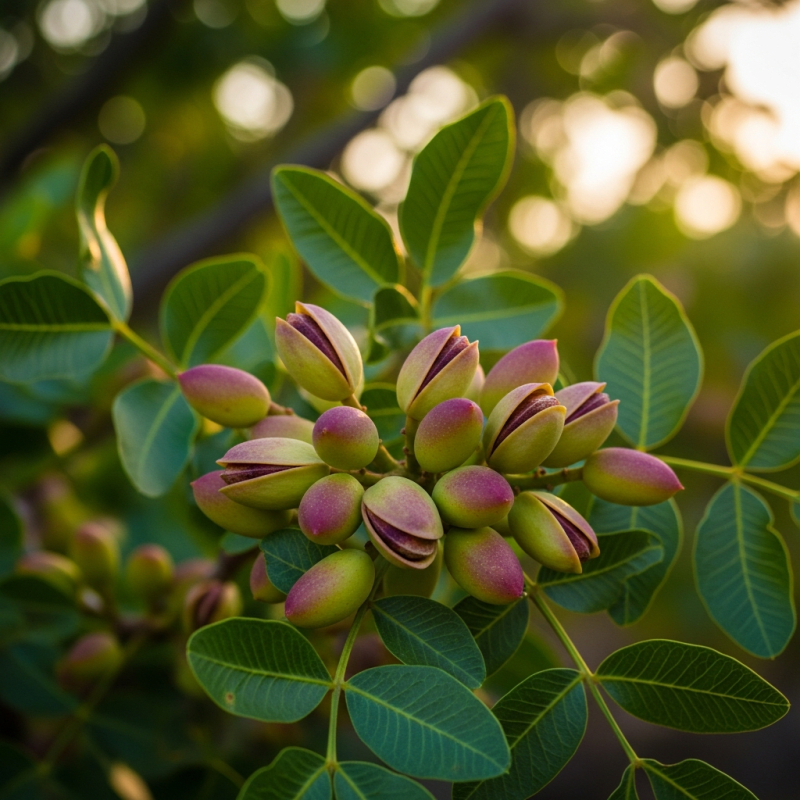
Soft cotton tee, unisex sizes
Buy ShirtDeeply embedded in Persian, Mediterranean, and South Asian cultures, pistachios appear in traditional sweets like baklava and Turkish delight, symbolizing hospitality and celebration. Their rich history and distinctive taste have made them a cultural icon in many cuisines.
Scientific name: Pistacia vera. It belongs to the family Anacardiaceae and is classified as the seed of a drupe. The tree is deciduous and dioecious, growing 5–10 meters tall. Its fruit is a drupe with a pale beige shell and a green to purple seed. The species thrives in arid to semi-arid climates requiring hot summers and cool winters.
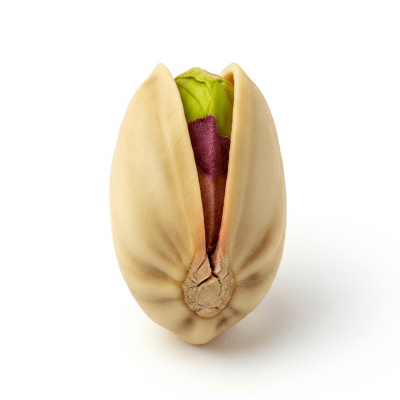
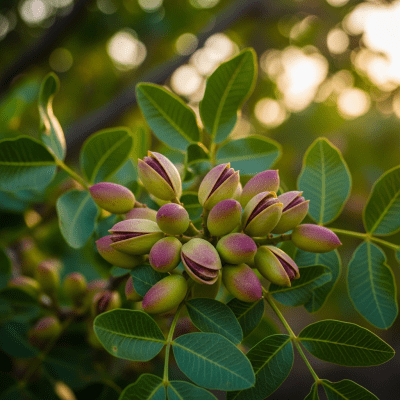
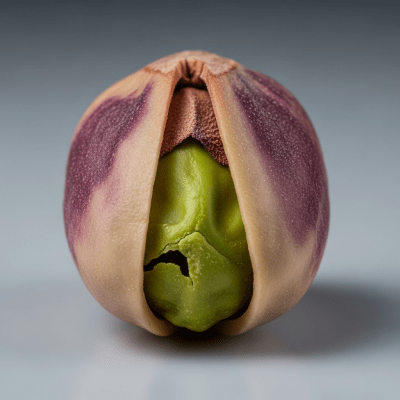
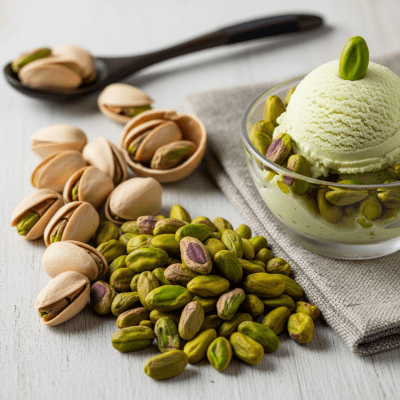
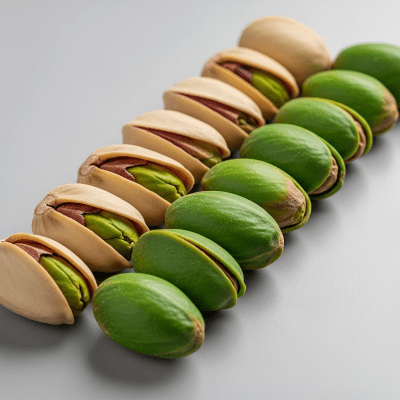
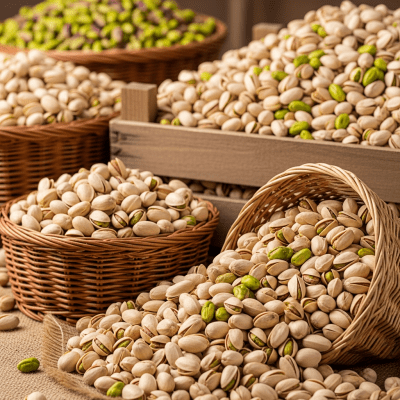
Pistachio trees require long, hot, dry summers and cool winters to flourish. They are cultivated primarily in arid and semi-arid regions. Harvesting occurs late summer to early autumn by mechanically shaking the trees to release the nuts. Post-harvest, nuts are hulled, dried, and sorted to ensure quality. Trees have a productive lifespan exceeding 50 years, though yields fluctuate due to alternate bearing patterns.
Notable pistachio cultivars include ‘Kerman’, widely grown in California and prized for its large size and quality; ‘Peter’, ‘Red Aleppo’, ‘Uzbek’, and ‘Mumtaz’, each valued for distinct regional traits and flavors. These cultivars support diverse commercial and heritage production worldwide.
Pistachios are rich in protein, dietary fiber, and healthy unsaturated fats. They provide essential micronutrients such as vitamin B6, thiamine, copper, and manganese, contributing to heart health, antioxidant support, and metabolic functions.
⚠️ Pistachios are recognized as a major allergen in the US, EU, and other regions. Strict regulatory standards govern their labeling and handling to protect sensitive individuals. Cross-reactivity with other tree nuts may occur.
Pistachios are enjoyed raw or roasted, often salted or flavored. They are key ingredients in desserts like baklava, Turkish delight, and pistachio ice cream. Additionally, they appear in confectionery, bakery products, snack mixes, and as garnishes in savory dishes, showcasing their versatility.
Pistachios are a major commercial crop with leading producers including Iran, the United States (California), and Turkey. They are marketed both in-shell and shelled, with value-added products such as chopped nuts, pastes, and flours. The global trade emphasizes strict quality and safety standards to meet consumer demand.
Pistachio cultivation faces challenges from fungal diseases like Botryosphaeria and Verticillium wilt, pests such as the navel orangeworm, and salinity stress. However, the species exhibits moderate drought tolerance, enabling survival in arid climates where few other crops thrive.