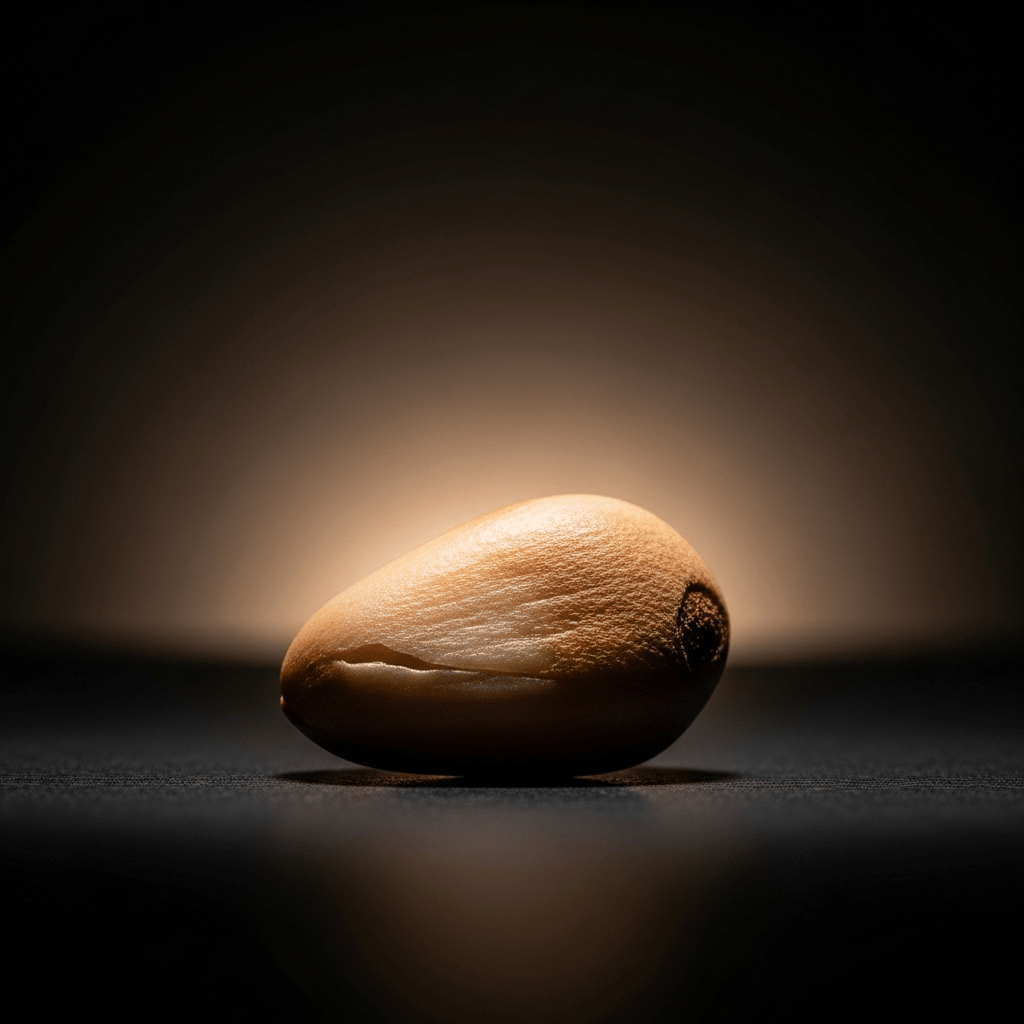
Pine Nut
Pine nuts are the edible seeds of select pine trees, celebrated for their delicate, buttery flavor and prized as a premium ingredient in global cuisines.
Pine nuts are the edible seeds of select pine trees, celebrated for their delicate, buttery flavor and prized as a premium ingredient in global cuisines.
Pine nuts trace their origins to the seeds of pine cones from species such as the European stone pine (Pinus pinea), Korean pine (Pinus koraiensis), Siberian pine (Pinus sibirica), and Mexican pinyon (Pinus cembroides). These seeds have been gathered and enjoyed for thousands of years, with evidence of their use in Mediterranean and Asian cultures dating back to antiquity. Unlike many other nuts, pine nuts are rarely cultivated in plantations; instead, they are predominantly wild-harvested or collected from semi-managed forests, preserving their deep connection to traditional landscapes and local heritage.
Though commonly called a nut, the pine nut is botanically a seed, harvested from the cones of pine trees in the Pinaceae family. The principal commercial species include Pinus pinea, Pinus koraiensis, Pinus sibirica, and Pinus cembroides. Within the broader taxonomy of edible nuts, pine nuts are classified as culinary nuts due to their taste, texture, and usage, even though they are technically seeds.
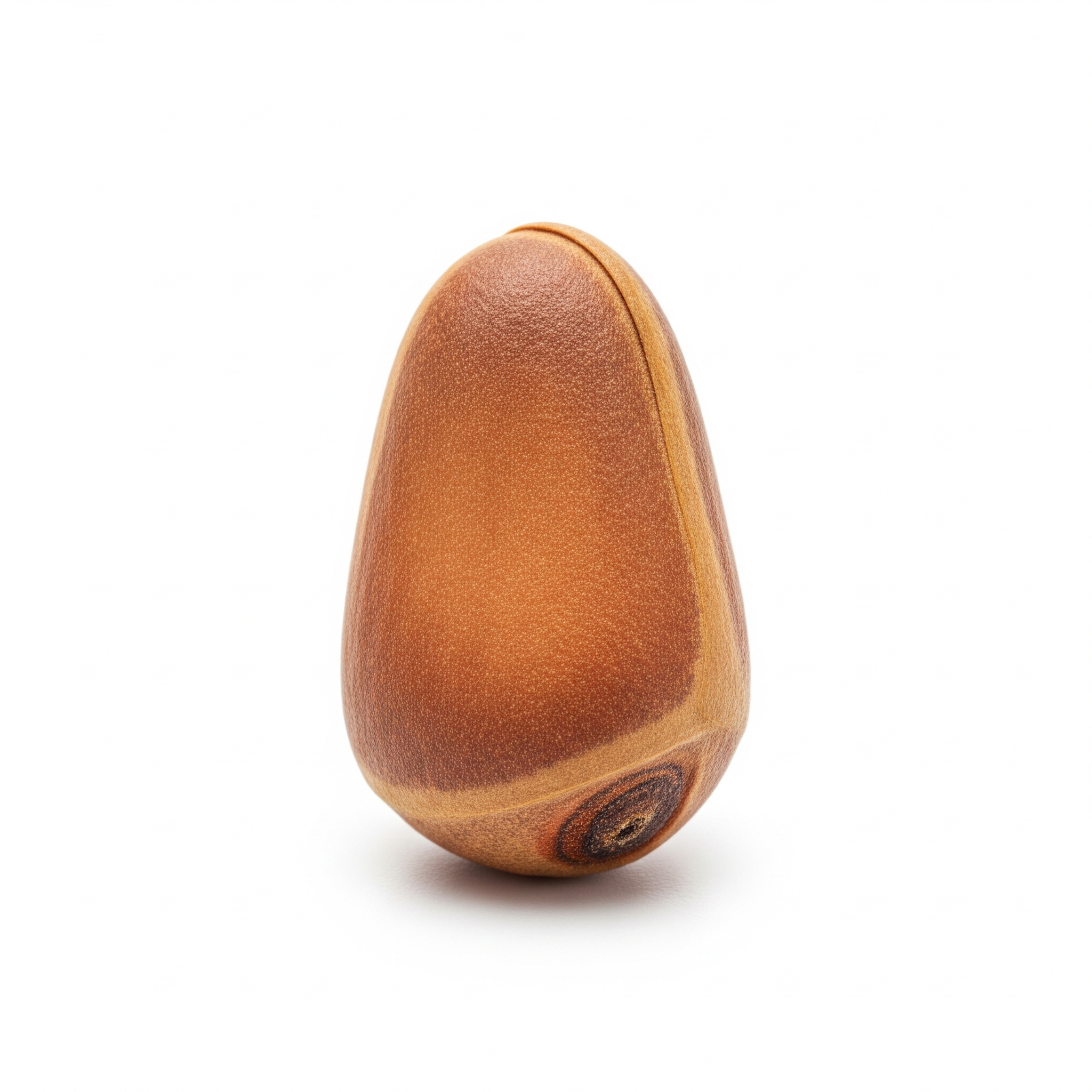
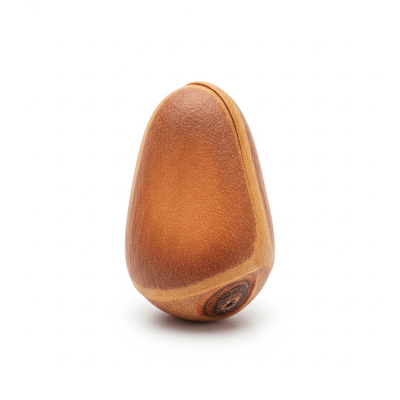
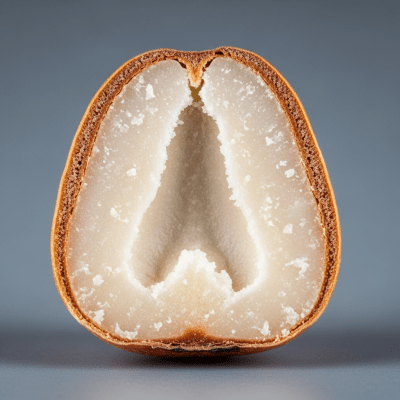
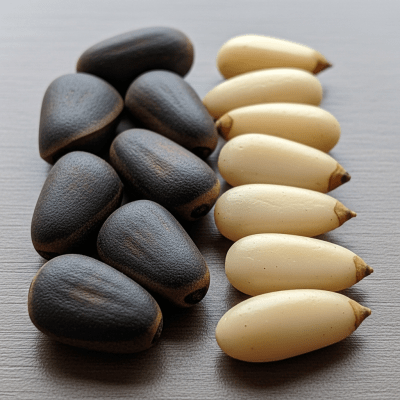
Pine nuts are small, elongated seeds, typically measuring 1–2 cm in length. Their color ranges from pale ivory to light beige, and they possess a smooth, waxy exterior. Each seed is nestled within the hard scales of a pine cone, requiring careful extraction. When fresh, pine nuts are tender and slightly oily to the touch, reflecting their high oil content.
Pine nuts are valued for both their culinary versatility and nutritional richness. They are consumed raw, roasted, or incorporated into a wide variety of recipes, from Italian pesto to Middle Eastern kibbeh and Chinese stir-fries. Their high oil content lends a creamy texture and distinctive flavor, making them a sought-after addition to salads, baked goods, and confectionery. In some regions, pine nuts are also used in traditional medicine and as a source of edible oil.
Bring this kind into your world illustrated posters, mugs, and shirts.
Archival print, museum-grade paper
Buy Poster
Stoneware mug, dishwasher safe
Buy Mug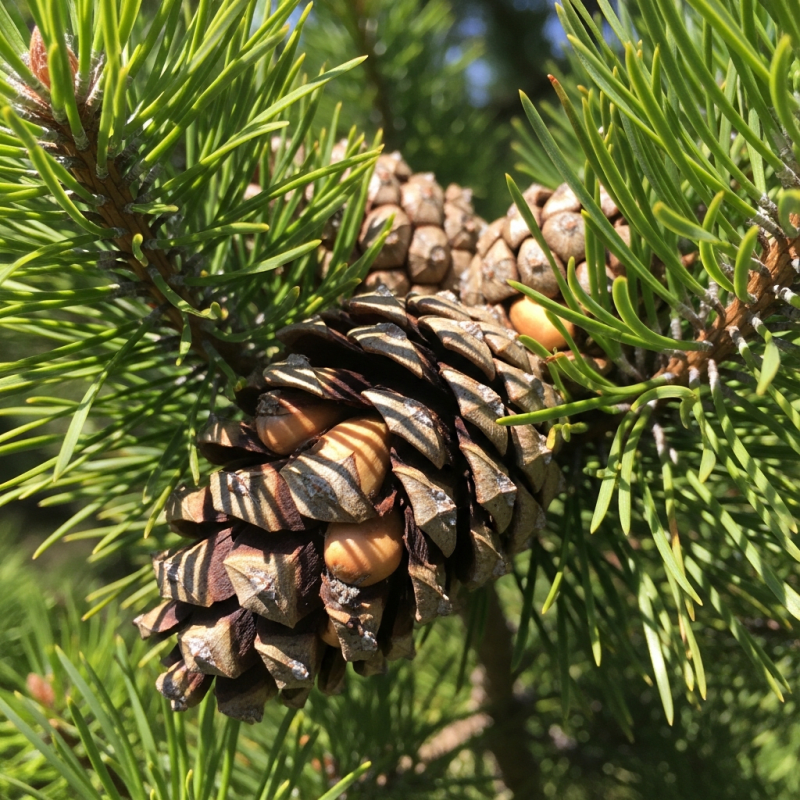
Soft cotton tee, unisex sizes
Buy ShirtPine nuts hold a cherished place in many culinary traditions. In Italy, they are essential to classic pesto and feature in festive pastries. Middle Eastern cuisines use them to garnish rice dishes and enrich savory preparations like kibbeh. In East Asia, pine nuts appear in stir-fries and desserts. Their presence in ancient diets and rituals underscores their enduring cultural importance, often symbolizing abundance and longevity in regional folklore.
Scientific Name: Pinus pinea (European stone pine), Pinus koraiensis (Korean pine), Pinus sibirica (Siberian pine), Pinus cembroides (Mexican pinyon).
Family: Pinaceae.
Key Traits: Small, elongated seeds with a smooth, waxy exterior, encased within pine cone scales. Trees are slow-growing and adapted to diverse climates.


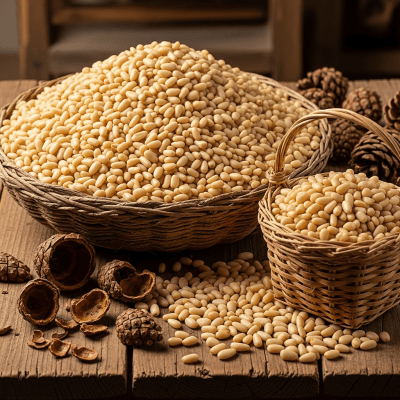
Pine nuts are mostly wild-harvested or collected from semi-managed stands, as systematic cultivation is rare. Trees require 15–25 years to reach maturity, and cones are harvested every 2–3 years. Extraction involves manually or mechanically removing seeds from the hard cone scales. Yields vary widely by species and environment, and mechanized harvesting remains limited due to the complexity of cone structure and tree growth patterns.
Pine nuts are energy-dense, rich in healthy fats (notably monounsaturated and polyunsaturated oils), and provide protein, magnesium, zinc, and vitamin E. Their high oil content contributes to their creamy texture and nutritional benefits, supporting heart health and providing sustained energy.
Pine nuts are not regulated as a major allergen in most jurisdictions, but rare allergic reactions have been reported. Individuals with nut allergies should consult a healthcare professional before consumption.
Pine nuts are a premium commodity, sold shelled or occasionally unshelled. Major producer countries include China, Russia, Italy, Spain, and Korea. Their high price reflects low yields and labor-intensive harvesting. Pine nuts are traded globally, with demand driven by gourmet food markets and traditional cuisines.