Peanut
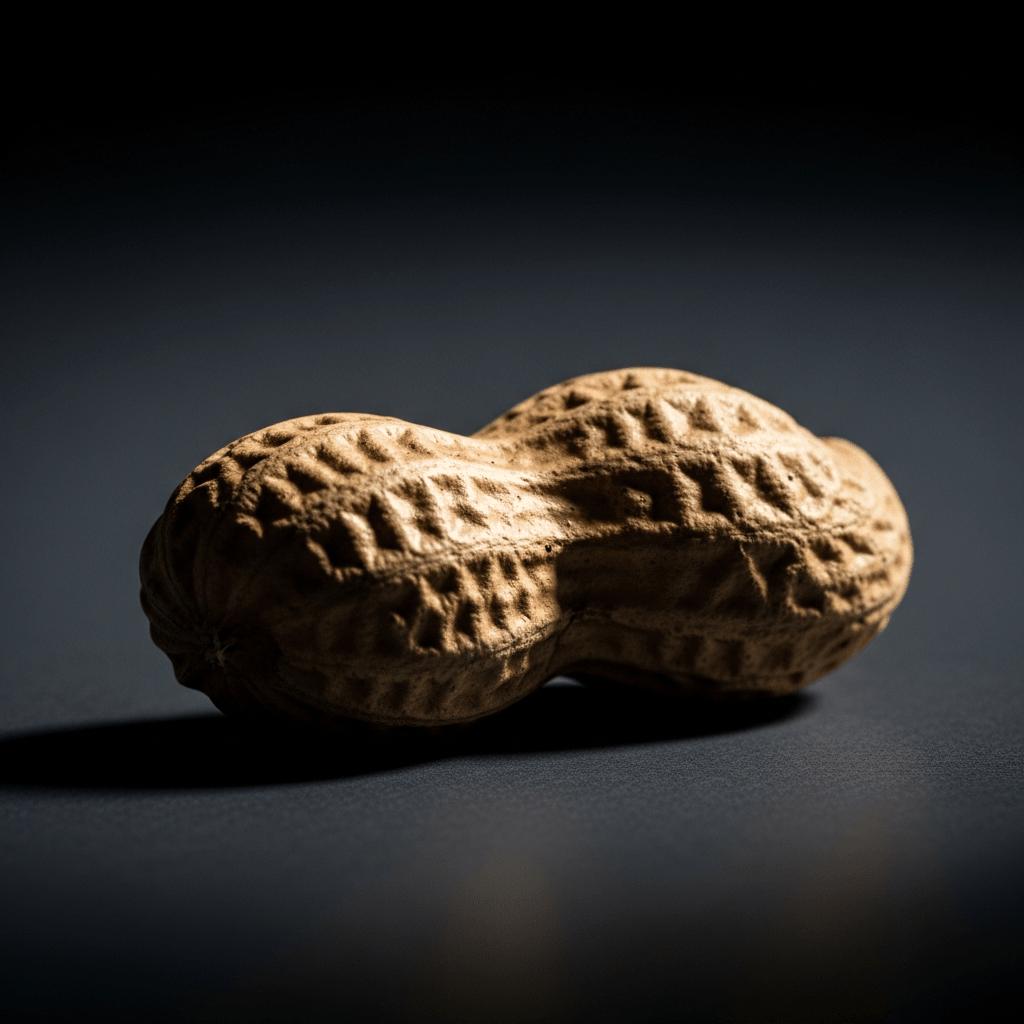
The peanut (Arachis hypogaea) is a legume widely regarded as a nut in culinary and commercial contexts, prized globally for its edible seeds, rich protein, and versatile uses.
The peanut (Arachis hypogaea) is a legume widely regarded as a nut in culinary and commercial contexts, prized globally for its edible seeds, rich protein, and versatile uses.
Originating in South America, the peanut was domesticated over 7,600 years ago in the region now encompassing Peru and Brazil. It is believed to be a hybrid of two wild species, Arachis duranensis and Arachis ipaensis. Following European colonization, peanuts spread worldwide, with commercial cultivation expanding significantly in the 19th century. Modern breeding efforts are led by institutions such as ICRISAT and the USDA Agricultural Research Service.
Botanically classified as a legume, the peanut belongs to the family Fabaceae. Despite this, it is commonly grouped with true nuts in culinary and trade classifications due to its similar nutritional profile and usage. This dual identity reflects the broader distinction between botanical and culinary definitions of nuts.
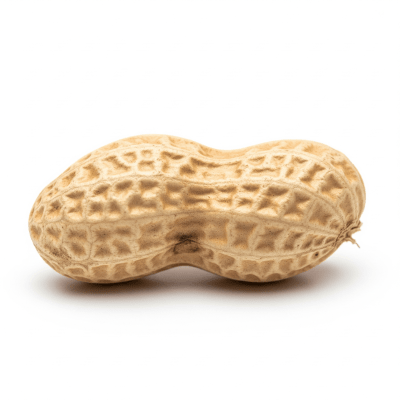
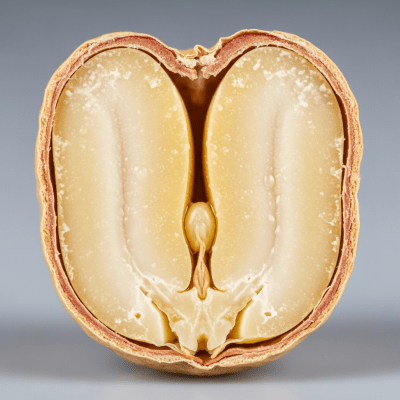
Peanut plants are annual herbaceous legumes, growing 30 to 50 centimeters tall with pinnate leaves and small yellow flowers. Unique among crops, peanuts develop their pods underground through geocarpy. The pods are oblong, measuring 3 to 7 centimeters in length, each containing one to four seeds. Seed colors range from pale tan to reddish-brown, varying by variety.
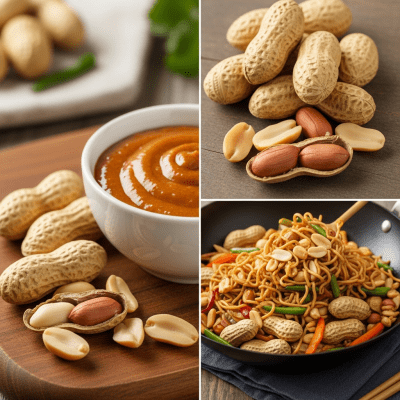
Peanuts serve multiple functions: as a nutritious food source, they are consumed raw, roasted, boiled, or processed into products like peanut butter, oil, and flour. They are integral to diverse cuisines worldwide and also find uses in animal feed and industrial products such as cosmetics and lubricants. Their adaptability and protein richness make them valuable in plant-based diets and food manufacturing.
Bring this kind into your world illustrated posters, mugs, and shirts.
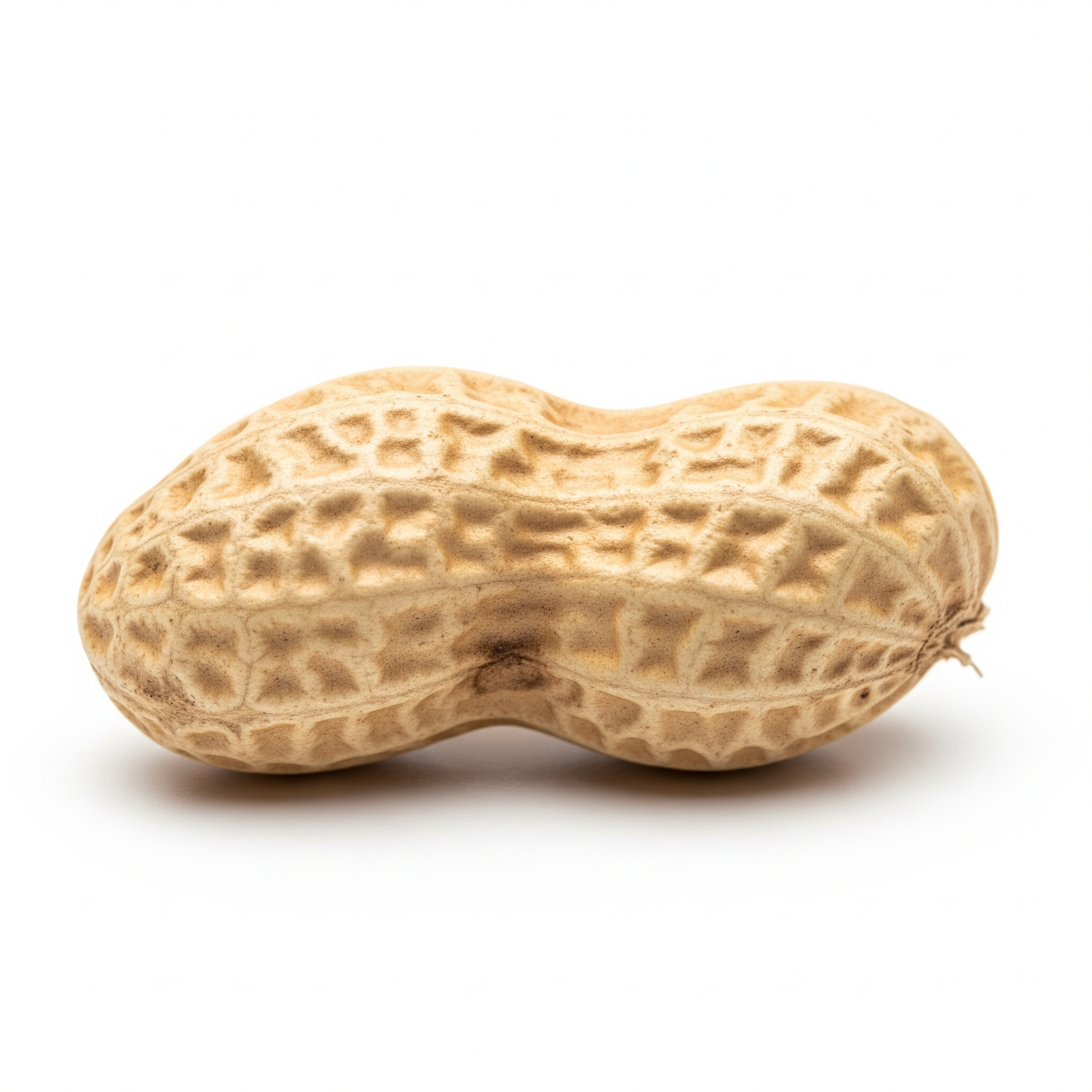
Archival print, museum-grade paper
Buy Poster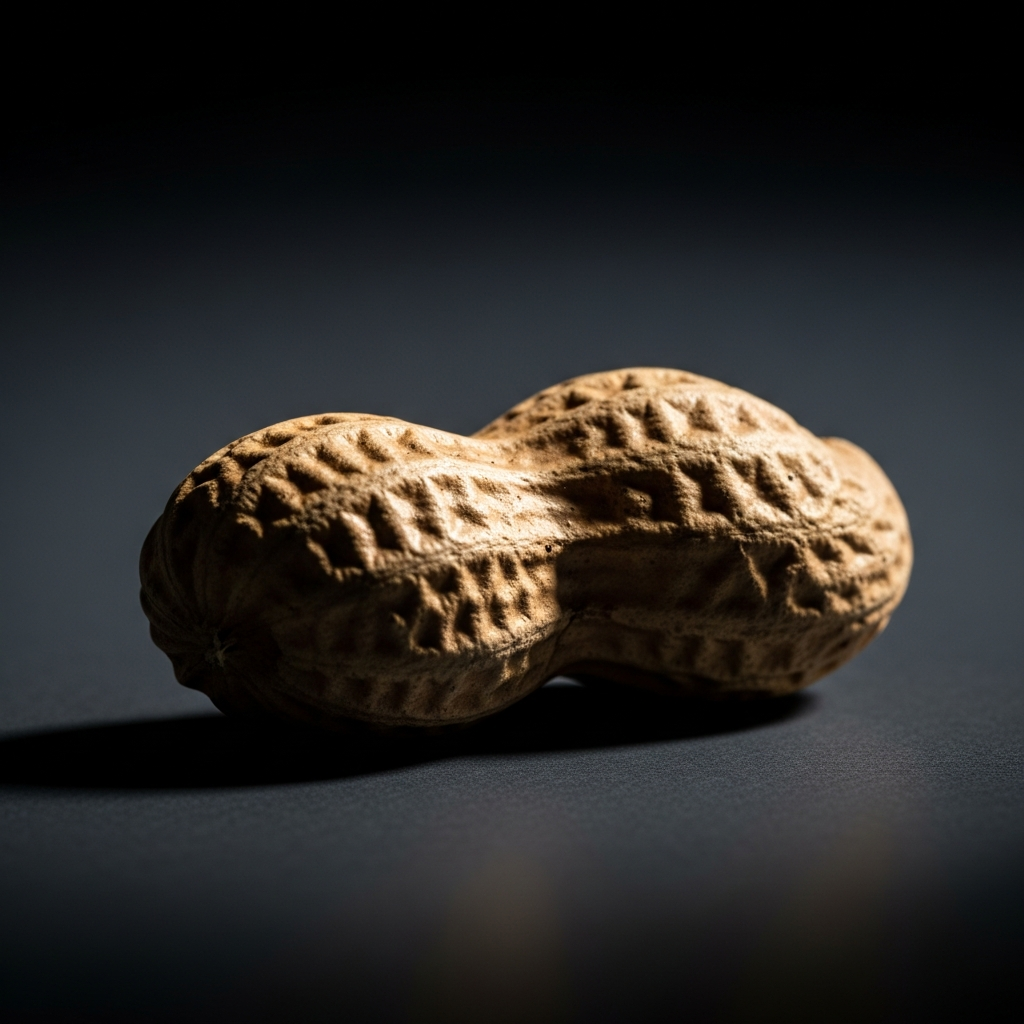
Stoneware mug, dishwasher safe
Buy Mug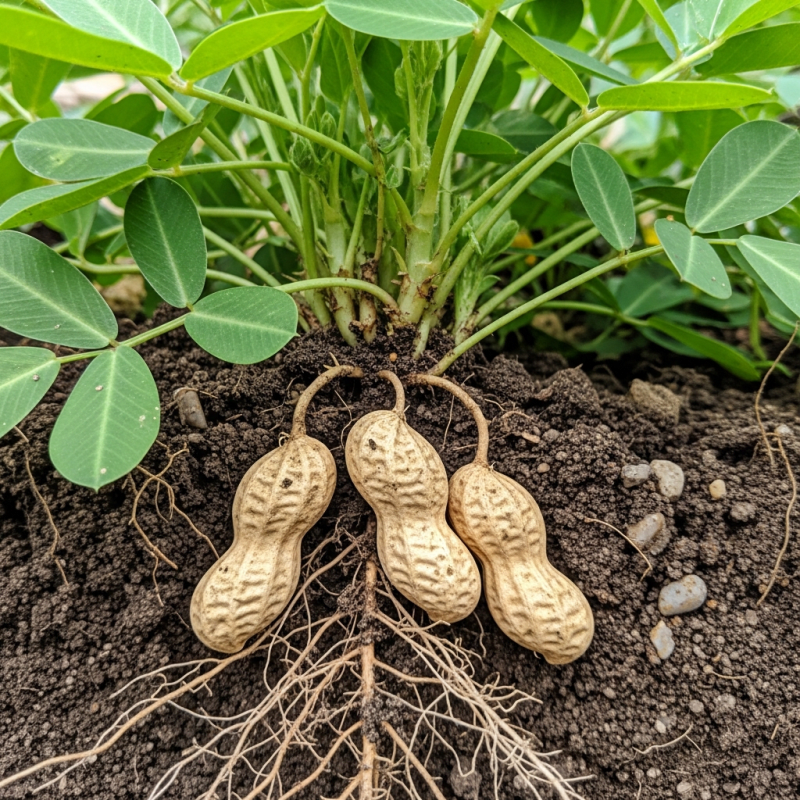
Soft cotton tee, unisex sizes
Buy ShirtPeanuts hold cultural importance across many regions, known by various names such as groundnut, goober, and monkey nut. They appear in traditional dishes, festivals, and folklore, symbolizing sustenance and agricultural heritage. Their widespread cultivation and consumption have made them a staple in global food culture.
Scientific name: Arachis hypogaea. The peanut is a member of the Fabaceae family, characterized as an annual herbaceous legume. Key traits include pinnate leaves, small yellow flowers, and geocarpic pod development underground. It thrives in tropical and subtropical climates with well-drained sandy soils.
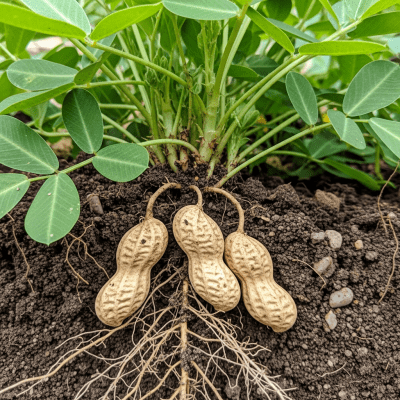
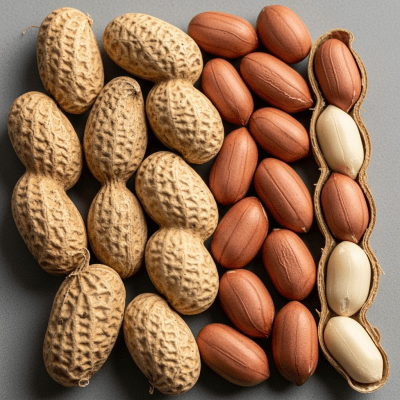

Peanuts require well-drained sandy soils and a frost-free growing period of 90 to 120 days. Cultivation involves planting seeds that develop pods underground. Harvesting is done by uprooting the entire plant, allowing pods to dry before shelling. Optimal yields range from 1,500 to 3,000 kilograms per hectare. Careful post-harvest handling is essential to prevent fungal contamination.
Major peanut cultivars include Virginia, known for large seeds; Runner, favored for uniform kernel size; Spanish, with smaller seeds and higher oil content; and Valencia, prized for sweetness and multiple-seed pods. Each variety suits different culinary uses and growing conditions.
Peanuts are nutrient-dense, offering high levels of protein, healthy fats, vitamins, and minerals. They provide essential amino acids and are an important source of energy. Their oil content contributes to heart-healthy diets, while their fiber supports digestion.
⚠️ Peanuts are recognized globally as a major allergen. They can trigger severe allergic reactions and must be clearly declared on food packaging in regions including the EU and US. Strict regulatory measures govern their labeling and handling to protect sensitive individuals.
Peanuts are consumed in numerous forms: raw, roasted, boiled, and ground into peanut butter or flour. They enrich snack foods, bakery products, sauces, and confections. Their versatility extends to plant-based protein sources and cooking oils, making them a staple ingredient worldwide.
Peanuts are a major global commodity, with leading producers including China, India, Nigeria, the United States, and Sudan. They are traded in various forms—raw, roasted, shelled, and processed. The peanut market supports food industries, animal feed sectors, and industrial applications, reflecting its broad economic importance.
Peanuts are vulnerable to fungal diseases such as Aspergillus flavus, which produces harmful aflatoxins, as well as nematodes and insect pests. However, breeding programs have developed varieties with improved resistance to these threats, enhancing crop reliability and safety.