Okari Nut
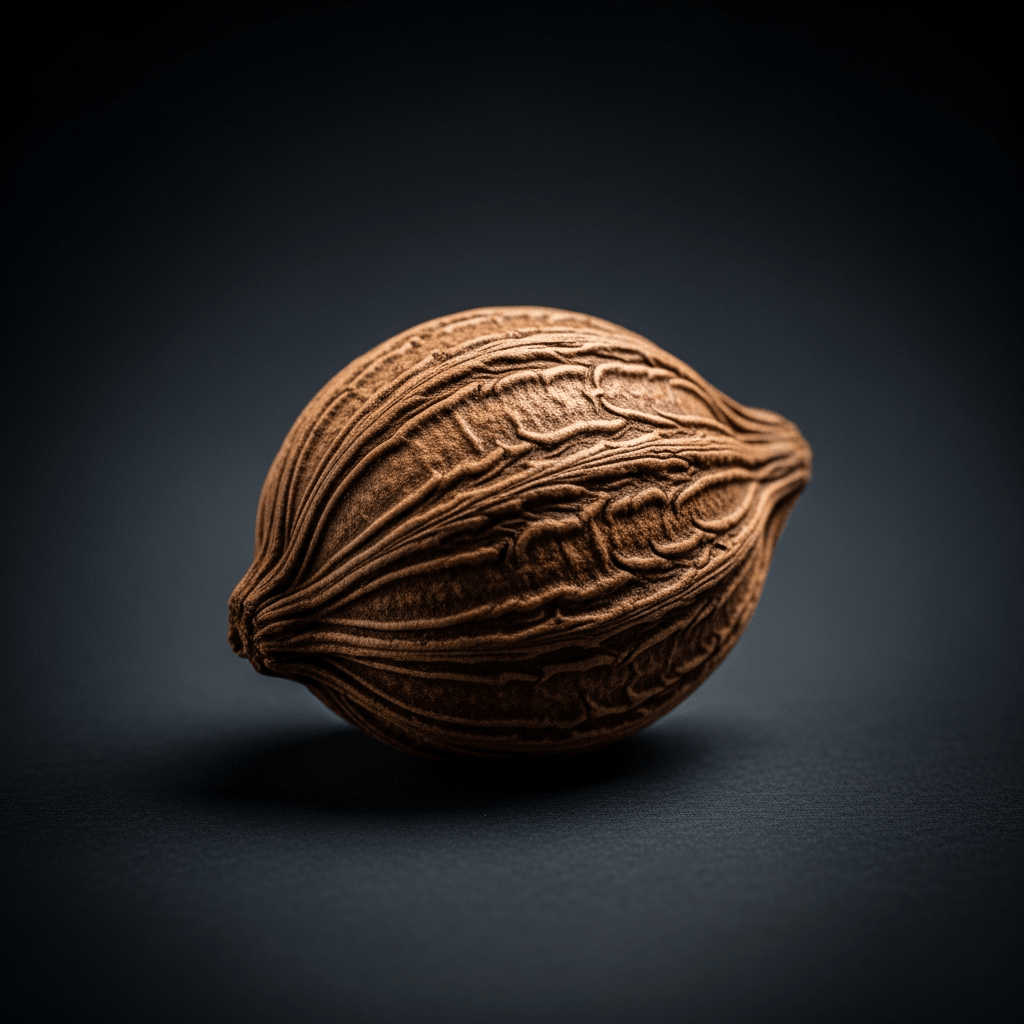
The Okari nut is an edible seed from the tropical tree Terminalia kaernbachii, prized locally in Papua New Guinea for its creamy kernel and high oil content.
The Okari nut is an edible seed from the tropical tree Terminalia kaernbachii, prized locally in Papua New Guinea for its creamy kernel and high oil content.
Originating in the lush lowland rainforests of Papua New Guinea and Melanesia, the Okari nut has been a traditional food source for generations. First described botanically in the late 19th century, it is typically harvested from wild or semi-cultivated trees, with no formal breeding or recognized cultivars. Its use is deeply rooted in local subsistence and village markets, reflecting a long history of adaptation to tropical environments.
Botanically, the Okari nut belongs to the family Combretaceae, genus Terminalia, and species kaernbachii. While it is not a true nut by strict botanical definition, it is grouped with edible nuts in culinary and commercial contexts due to its nut-like kernel and uses. It stands apart from other Terminalia species, such as the tropical almond, and is uniquely identified as Terminalia kaernbachii in Papua New Guinea.
The Okari nut is encased in a thick, woody shell that protects its edible kernel. The kernel itself is oval to oblong, measuring about 2–3 cm in length, with a pale cream to light brown hue. Its texture is rich and creamy, reminiscent of almonds, making it a distinctive ingredient in local cuisine. The tree that bears Okari nuts is a medium to large deciduous species, often towering 20–30 meters above the forest floor.
Okari nuts are primarily consumed locally, eaten raw or roasted, and featured in traditional dishes. Their high oil content makes them valuable for culinary oil extraction, and the kernel can substitute for other tree nuts in recipes. The nuts are collected by hand, often after natural fruit drop, and play a vital role in subsistence diets and local commerce. The hard shell aids in post-harvest storage, though careful drying is needed to prevent spoilage.
Bring this kind into your world illustrated posters, mugs, and shirts.
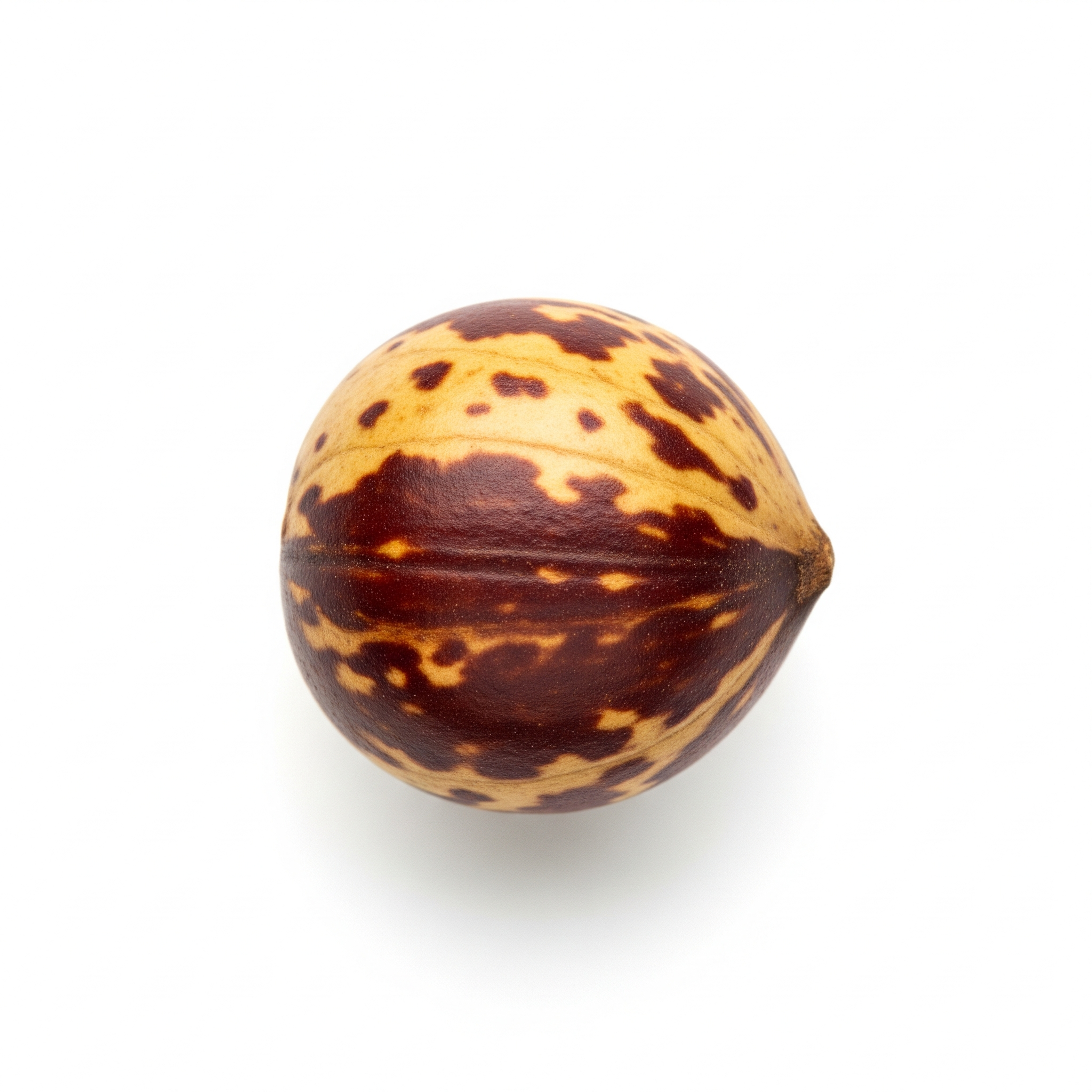
Archival print, museum-grade paper
Buy Poster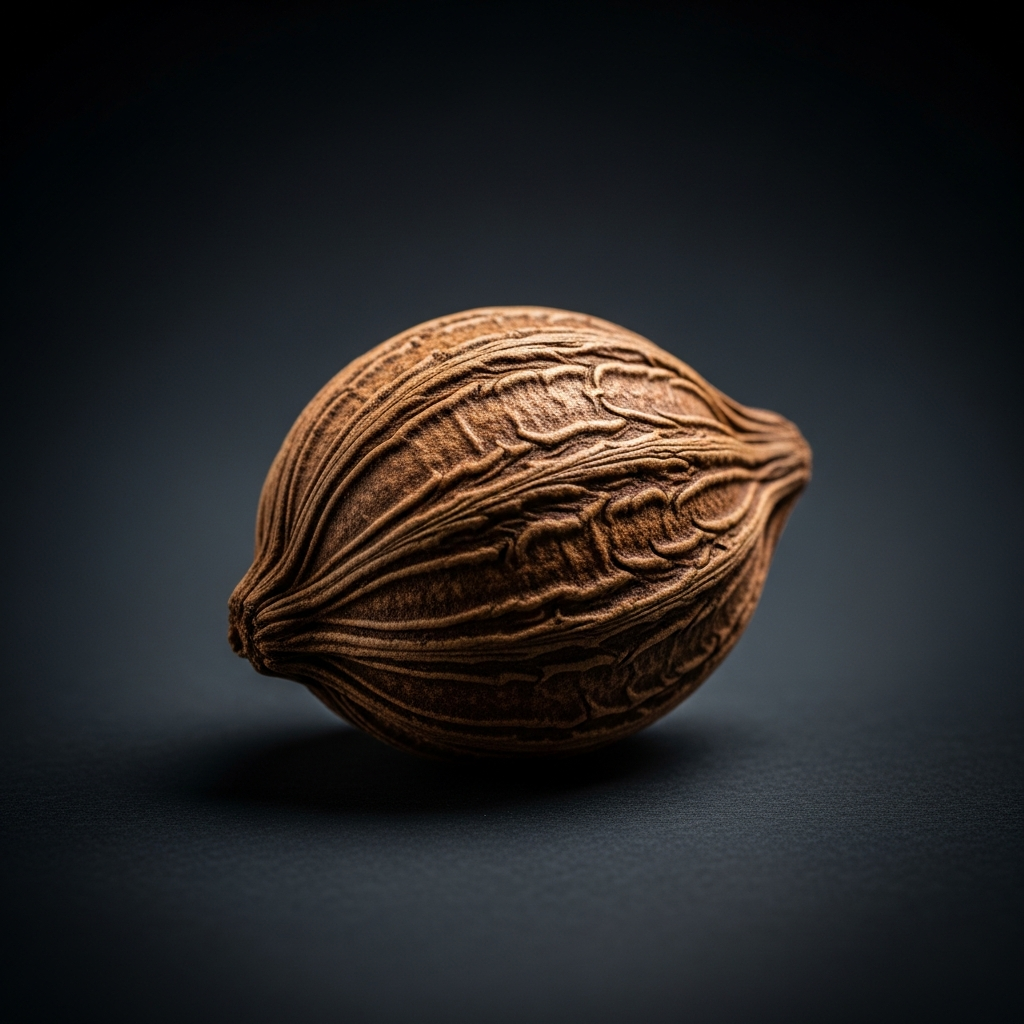
Stoneware mug, dishwasher safe
Buy Mug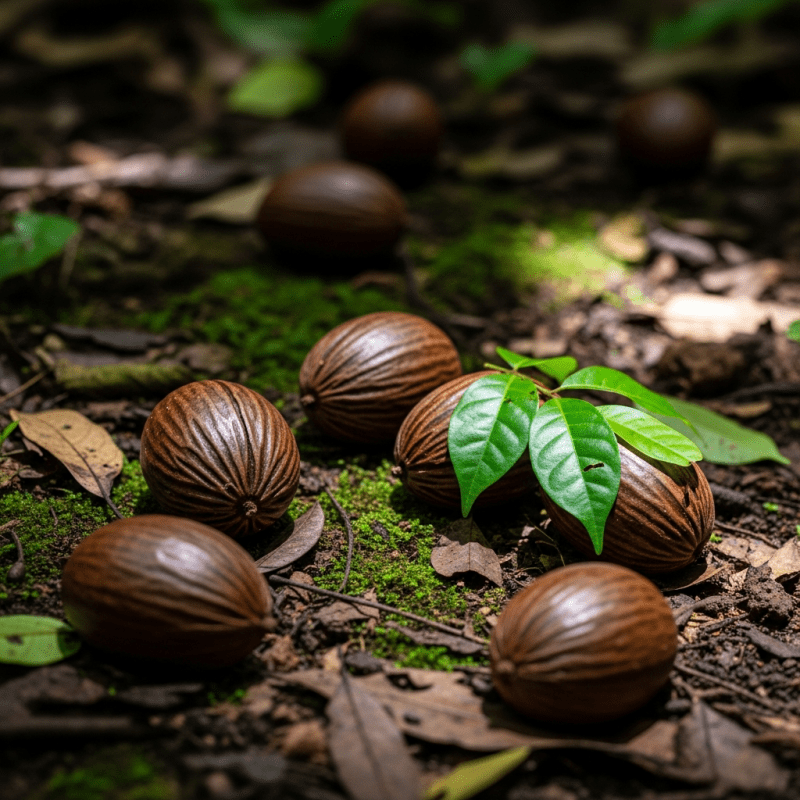
Soft cotton tee, unisex sizes
Buy ShirtIn Papua New Guinea, the Okari nut is woven into daily life and tradition, serving as a staple food and a source of nutrition in rural communities. Known regionally as "Galip nut" or "Kaernbach’s Terminalia," it is sold in village markets and used in festive dishes. Its role as a reliable, locally sourced fat and protein has made it an enduring symbol of food security and cultural resilience in Melanesian societies.
Scientific Name: Terminalia kaernbachii
Family: Combretaceae
Genus: Terminalia
Species: kaernbachii
The Okari nut tree is deciduous, reaching heights of 20–30 meters, and adapted to humid, tropical climates. Its thick shell and seasonal fruiting are key botanical traits.

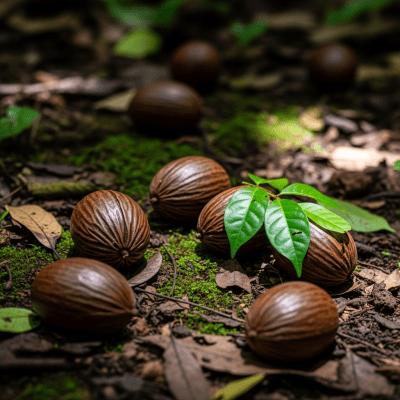
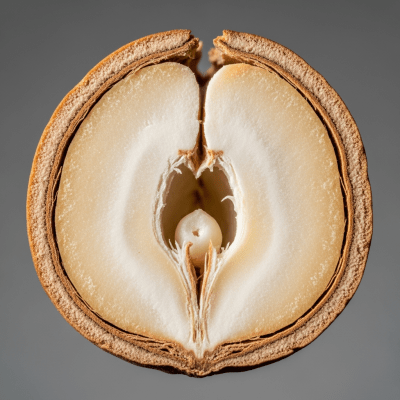
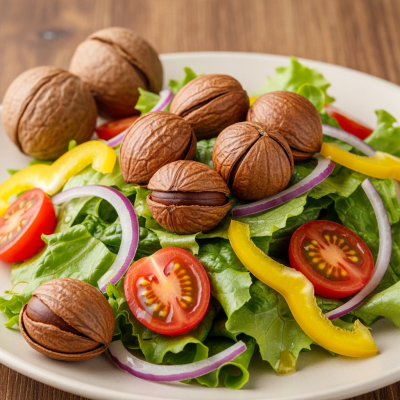
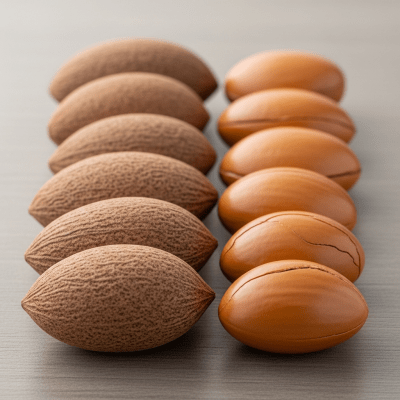
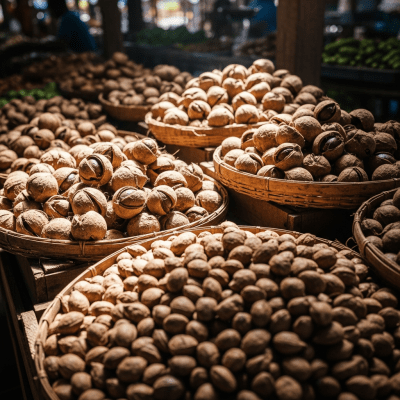
Okari nuts are harvested from wild or semi-cultivated trees in tropical rainforests. The trees thrive in well-drained soils and humid climates, with fruiting occurring seasonally. Nuts are collected by hand, often after natural fruit drop, and require careful drying to prevent fungal spoilage. No formal plantations or breeding programs are documented, and yields vary with environmental conditions and tree age.
There are no widely recognized commercial varieties or cultivars of Okari nut. The nuts are sourced from wild populations of Terminalia kaernbachii, with no documented heritage lines or breeding efforts. Regional names such as "Galip nut" may refer to the same species, but no formal varietal distinctions exist.
The Okari nut is valued for its high oil content and provides a rich source of dietary fat and protein. Its creamy kernel contributes essential nutrients to local diets, supporting energy needs and nutritional balance in subsistence communities. While detailed nutritional composition is not specified, its role as a staple food highlights its importance for health and sustenance.
Specific allergen status for Okari nut is not documented. As with all edible nuts, individuals with nut allergies should exercise caution, and regulatory guidance may be limited due to its rarity in global markets.
Okari nuts are enjoyed raw, roasted, or incorporated into traditional dishes in Papua New Guinea. The kernel’s rich, creamy texture makes it suitable for oil extraction and as a substitute for almonds or other tree nuts in recipes. Preparation typically involves cracking the hard shell, drying, and sometimes roasting the kernels. Industrial processing is minimal, with most nuts consumed locally or sold in village markets.
Okari nuts are primarily traded in local village markets within Papua New Guinea and Melanesia. They play a significant role in subsistence diets but have minimal presence in international commerce. Limited export and lack of industrial processing mean the nut remains largely unknown outside its native region, though it is an important commodity locally.
Okari nuts are relatively resistant to common tropical pests, thanks in part to their robust shell. However, post-harvest losses can occur due to fungal infestation or improper drying. No specific disease or pest resistance data is available, but careful handling and storage are key to maintaining quality.