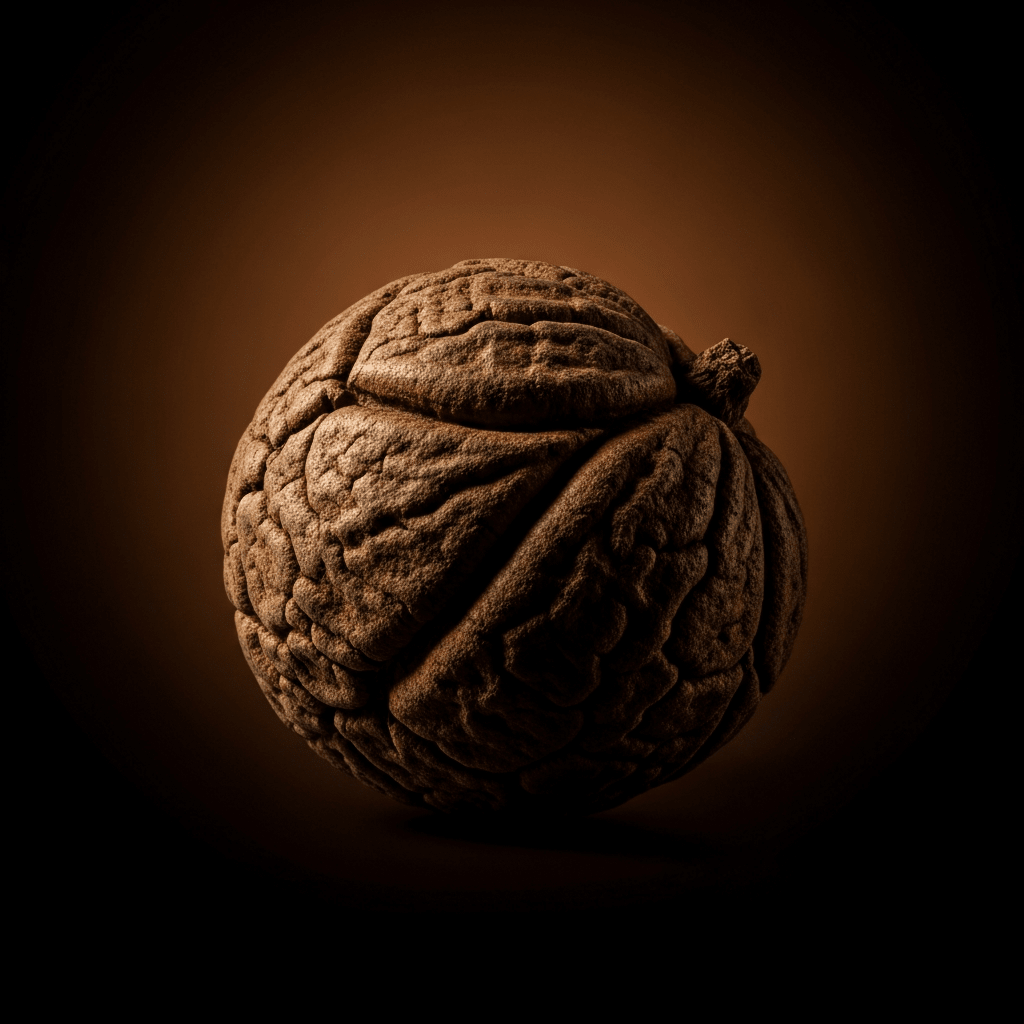
Mongongo Nut
The Mongongo nut is a highly nutritious edible seed native to southern Africa, renowned for its resilience, rich oil content, and vital role in local diets and culture.
The Mongongo nut is a highly nutritious edible seed native to southern Africa, renowned for its resilience, rich oil content, and vital role in local diets and culture.
Originating from the tree Schinziophyton rautanenii, the Mongongo nut is indigenous to the sandy woodlands of Namibia, Botswana, Zambia, Zimbabwe, and Angola. First described botanically in 1899, the species honors Swiss botanist Hans Schinz and Finnish missionary Martti Rautanen. Unlike most commercial nuts, Mongongo is wild-harvested rather than domesticated, with its use deeply rooted in the traditions of indigenous peoples such as the San, who have relied on it for generations as a staple food in arid environments.
Botanically, the Mongongo nut belongs to the family Euphorbiaceae, genus Schinziophyton, species rautanenii. While often called a nut in culinary contexts, it is technically the seed of a fruit. Its classification places it among edible nuts valued for both nutrition and cultural importance, though it stands apart from more widely traded tree nuts due to its wild origin and unique ecological niche.
Mongongo nuts are encased in oval, yellow-brown fruits measuring about 3–4 cm in length. The nut itself is protected by a hard shell surrounded by a fibrous outer layer, which is removed during processing. Inside, the kernel is cream-colored, smooth, and notably rich in oil, giving it a dense, slightly waxy texture. The tree that bears these nuts is medium to large, with a spreading canopy and distinctive deciduous foliage.
The Mongongo nut serves as a vital food source, especially during dry seasons when other resources are scarce. Its kernels are consumed raw, roasted, or pounded into meal, and the oil extracted is used for cooking and cosmetic purposes. The nuts are highly durable, making them ideal for long-term storage. Beyond food, the shells are sometimes repurposed as fuel or for crafts, reflecting the nut's multifaceted utility in local communities.
Bring this kind into your world illustrated posters, mugs, and shirts.
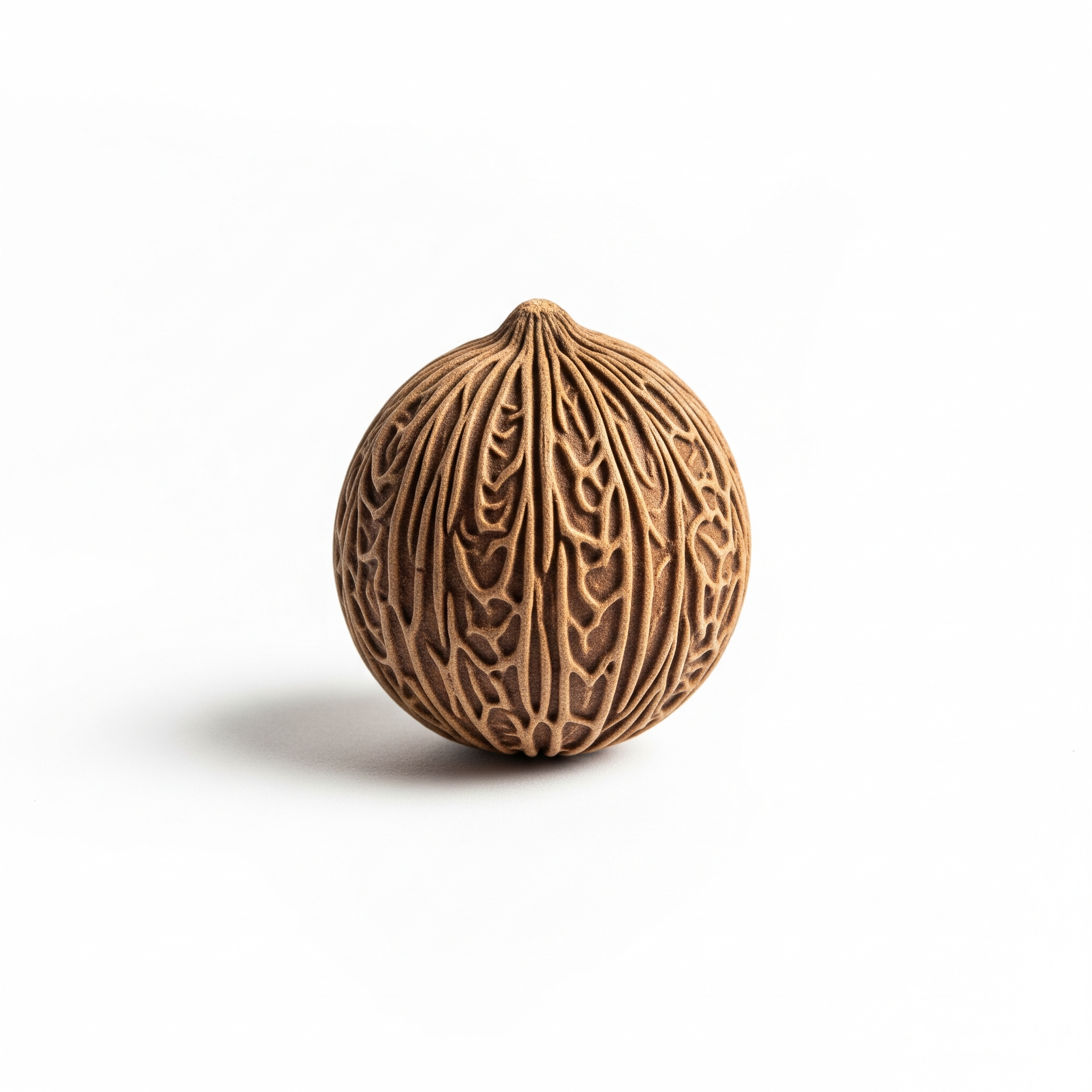
Archival print, museum-grade paper
Buy Poster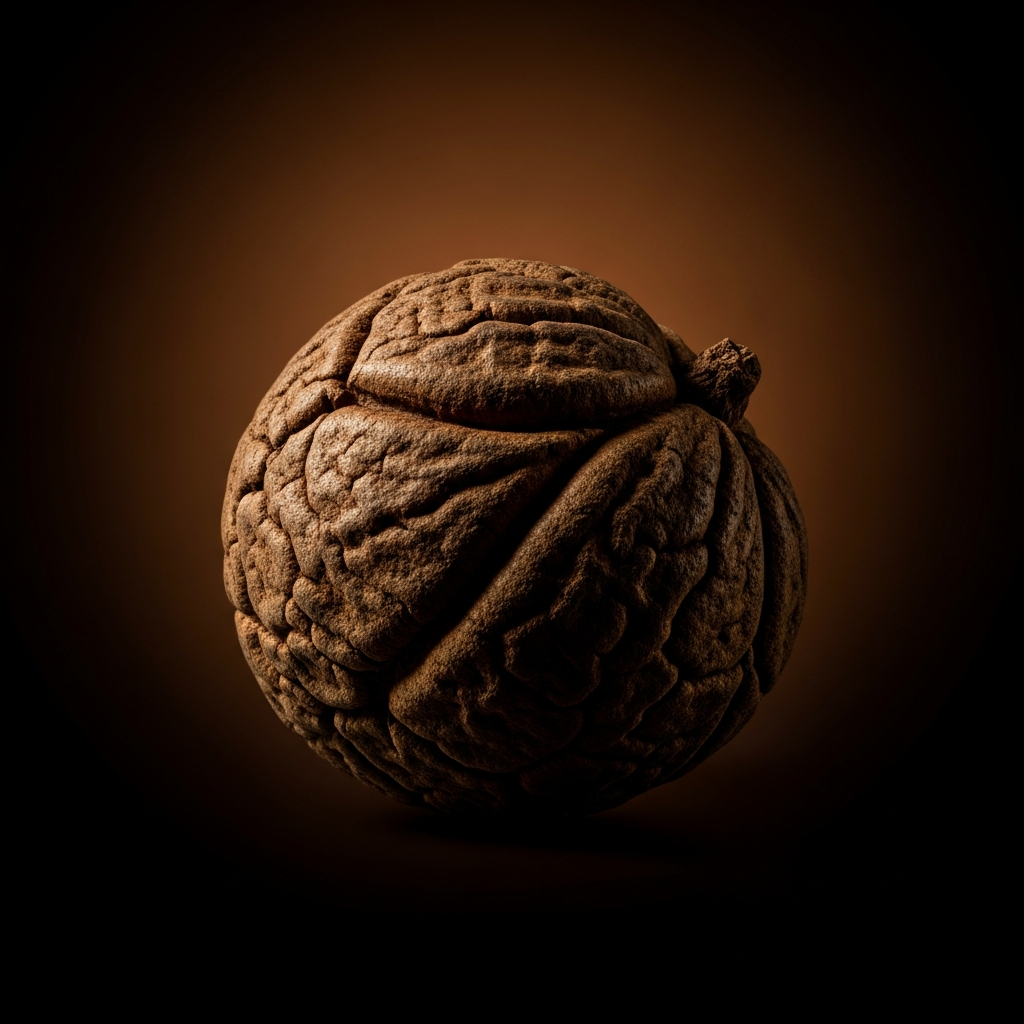
Stoneware mug, dishwasher safe
Buy Mug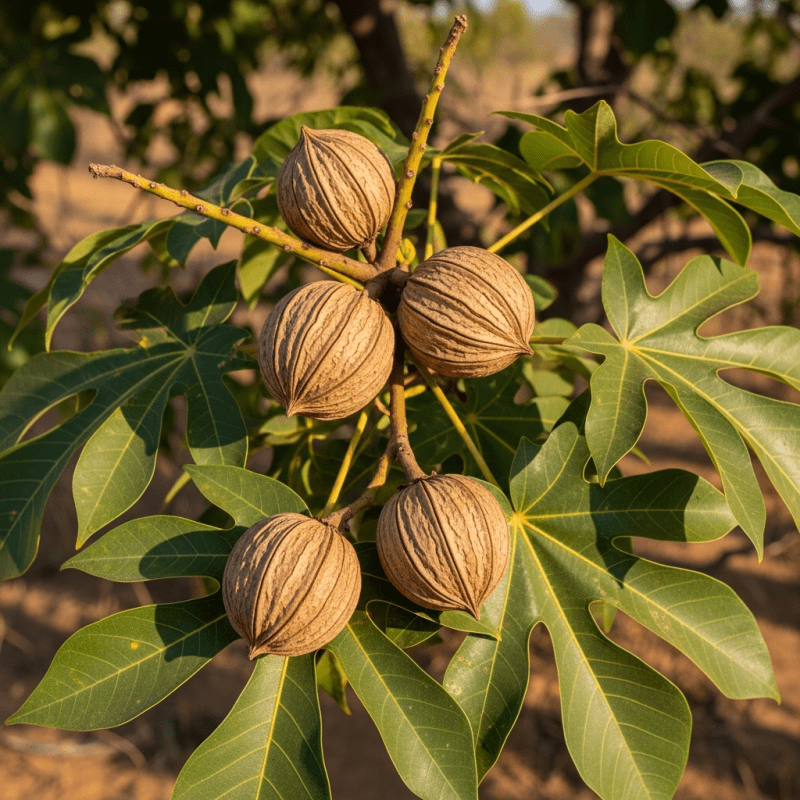
Soft cotton tee, unisex sizes
Buy ShirtDeeply woven into the traditions of southern Africa, the Mongongo nut is especially significant among the San people, who have depended on it for sustenance and survival in the Kalahari for centuries. Its resilience and nutritional value have made it a symbol of adaptation and resourcefulness. Ethnobotanical studies frequently highlight the nut's role in indigenous diets, seasonal rituals, and local crafts, underscoring its enduring cultural legacy.
Scientific name: Schinziophyton rautanenii.
Family: Euphorbiaceae.
Key traits: Medium to large deciduous tree (15–20 meters), oval yellow-brown fruit, hard-shelled nut with a cream-colored kernel rich in oil and protein. Adapted to Kalahari woodland ecosystems and sandy soils.
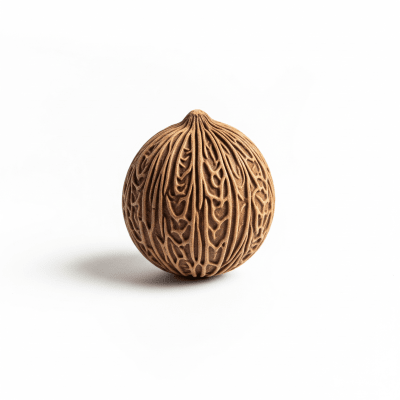
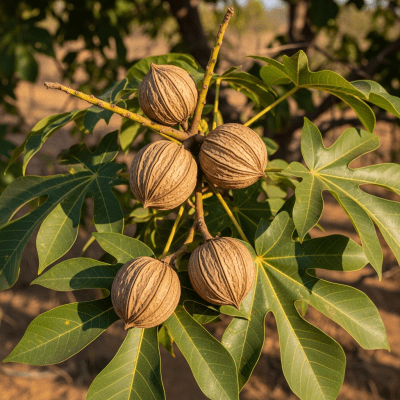
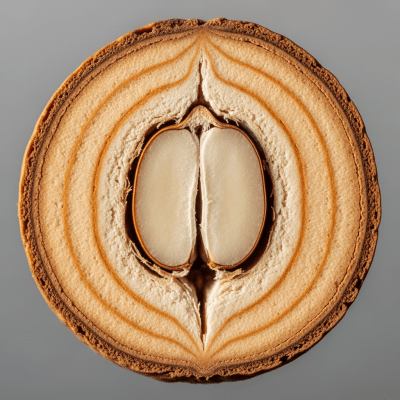

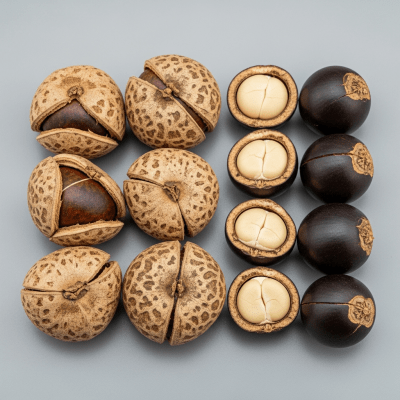
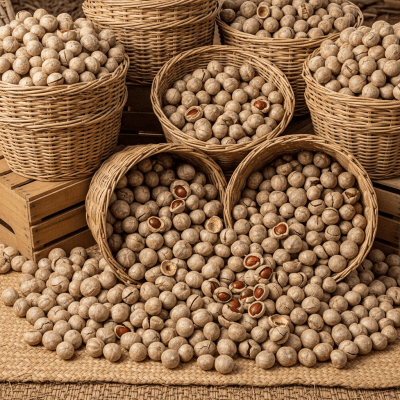
Mongongo nuts are wild-harvested rather than farmed. Trees grow naturally in sandy, arid regions and require little intervention due to their drought resistance. Harvesting typically involves collecting fallen fruits, removing the fibrous outer layer, and extracting the nut from its shell. Yields vary widely, with mature trees producing between 10 and 40 kg of nuts annually, depending on rainfall and age. Overharvesting and habitat loss are concerns for sustainability.
There are no formally recognized commercial or heritage cultivars of the Mongongo nut. All nuts are sourced from wild populations, and regional names such as manketti, nkuna, or mupundu reflect linguistic diversity rather than botanical variation.
Mongongo nuts are exceptionally rich in nutrients, offering up to 57% oil and approximately 24% protein by weight. They provide essential fatty acids, calories, and micronutrients, making them a vital dietary staple for communities in arid environments. Their high energy density and balanced nutritional profile support both daily sustenance and long-term health.
Mongongo nuts are not regulated as major allergens and are generally considered safe for consumption by most individuals. As with any food, those with specific sensitivities should exercise caution, but there are no widespread allergen concerns or regulatory restrictions associated with this nut.
The versatile Mongongo nut is enjoyed raw, roasted, or ground into meal for porridge and baked goods. Its oil is highly valued for cooking and is also used in traditional skin care and cosmetics. The nut's rich, nutty flavor and dense texture make it a prized ingredient in local dishes, especially during times when other food sources are scarce.
Mongongo nuts are a staple food for indigenous communities throughout southern Africa and are traded locally and regionally. Commercial export is rare due to limited supply and logistical challenges. The nuts are typically sold raw, roasted, or as oil, and the shells are sometimes used for fuel or crafts, reflecting their multifaceted value in local economies.