Maya Nut
The Maya nut is the edible seed of Brosimum alicastrum, a tropical tree native to Central America, prized for its nutritional richness and historical role as a staple food among ancient Maya civilizations.
The Maya nut is the edible seed of Brosimum alicastrum, a tropical tree native to Central America, prized for its nutritional richness and historical role as a staple food among ancient Maya civilizations.
Originating in the lush tropical forests of Central America, the Maya nut has been harvested for thousands of years by indigenous peoples. Its natural range stretches from southern Mexico through Central America to northern South America. Unlike many cultivated nuts, the Maya nut is a wild species, not the result of selective breeding or domestication. Ancient Maya and other Mesoamerican cultures relied on this resilient tree as a vital food source, especially during times of crop scarcity, embedding it deeply in the region's agricultural and cultural history.
Although commonly called a "nut" in culinary and commercial contexts, the Maya nut is botanically a seed from the Brosimum alicastrum tree, which belongs to the Moraceae family. It is not a true botanical nut but is grouped with edible nuts due to its similar uses and nutritional profile. Its synonyms include breadnut, ramón, ojoche, capomo, and árbol del pan, reflecting its widespread recognition across Mesoamerica.
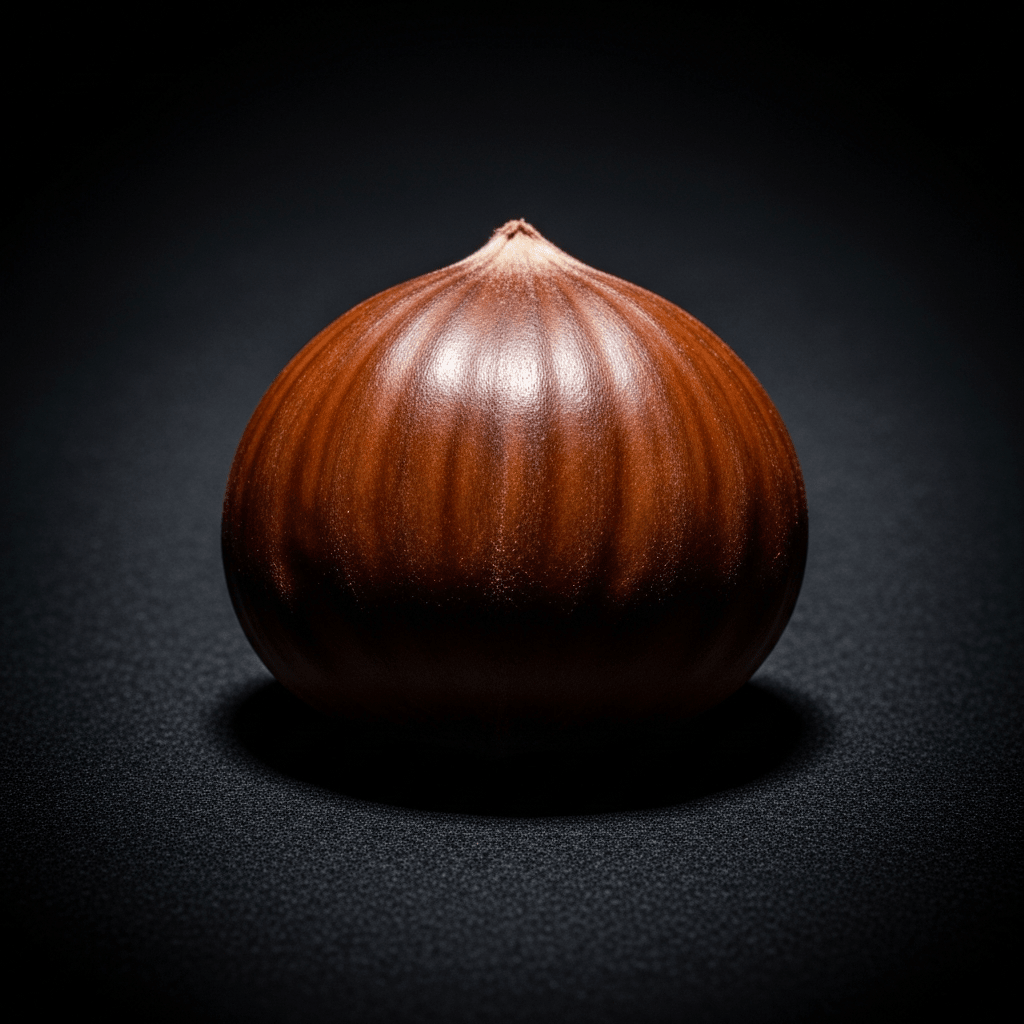
Maya nuts are oval to round seeds, measuring about 2–3 centimeters in diameter. When mature, their hard shells turn a rich brown and are encased in a thin, fleshy fruit covering. The seeds are dense and firm to the touch, with a subtle earthy aroma when roasted. The parent tree is a towering evergreen, its glossy green leaves forming a lush canopy in tropical landscapes.
Maya nuts are remarkably versatile. They are eaten roasted, boiled, or ground into flour for use in baked goods, beverages, and porridges. The flour is gluten-free and can serve as a coffee substitute. Beyond human consumption, Maya nuts are used as animal feed and play a significant role in agroforestry and reforestation projects due to the tree's drought resistance and ability to thrive in poor soils.
Bring this kind into your world illustrated posters, mugs, and shirts.
Archival print, museum-grade paper
Buy Poster
Stoneware mug, dishwasher safe
Buy Mug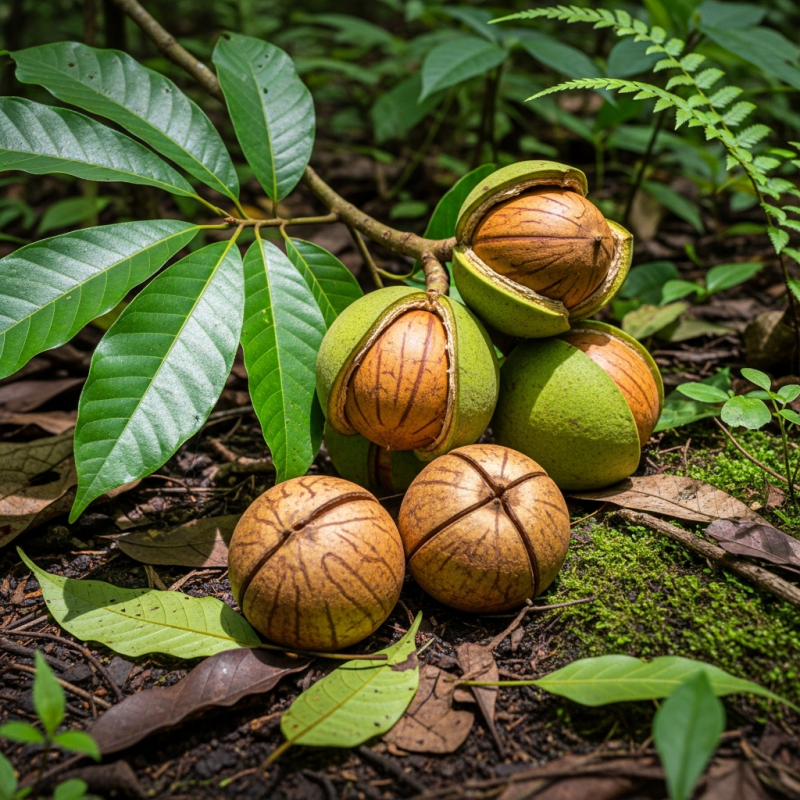
Soft cotton tee, unisex sizes
Buy ShirtDeeply woven into Mesoamerican heritage, the Maya nut was a crucial staple for ancient Maya societies, often sustaining communities during periods of famine. Its presence in folklore, traditional diets, and local names—such as ramón and ojoche—reflects its enduring cultural resonance. Today, efforts to revive its use highlight its ecological and nutritional value, connecting modern health movements with indigenous wisdom.
Scientific name: Brosimum alicastrum
Family: Moraceae
Traits: Large evergreen tree (20–40 meters), simple glossy leaves, small inconspicuous flowers, and hard-shelled seeds encased in a thin, fleshy fruit. The species is drought-resistant and tolerant of poor soils, typically propagated by seed.

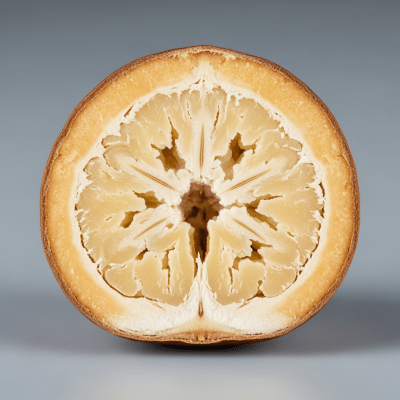

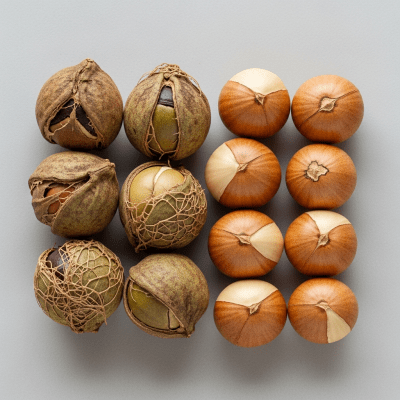
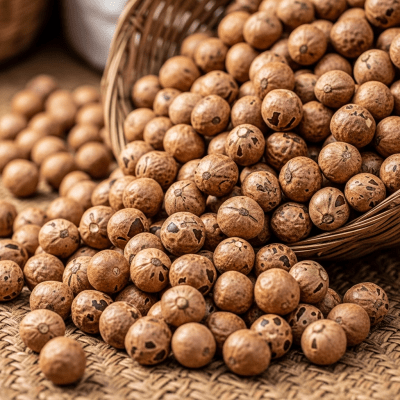
Maya nut trees are grown primarily in wild or semi-managed agroforestry systems. They are propagated by seed, with germination rates depending on seed freshness and handling. Mature trees can produce hundreds of kilograms of seeds annually. Harvesting involves collecting the fallen fruits, removing the fleshy covering, and drying the seeds. The trees require minimal inputs and are valued for their resilience to drought and poor soil conditions, making them ideal for sustainable farming and reforestation efforts.
There are no recognized commercial varieties or cultivars of Maya nut. It is a wild species, and all harvested nuts come from naturally occurring trees rather than selectively bred lines.
Maya nuts are celebrated for their dense nutritional profile. They are high in dietary fiber, protein, calcium, potassium, iron, zinc, and vitamins A, B, C, and E. The flour is gluten-free and low in fat, making it suitable for a wide range of diets. Its nutrient richness supports both human health and animal nutrition.
Maya nut is not classified as a major allergen in regulatory systems. While it is generally safe for people with tree nut allergies, those with specific sensitivities should seek medical advice before consumption.
Maya nut is primarily sold as flour, snack products, and nutritional supplements in Central America, with growing interest in specialty health food markets worldwide. It is also promoted for use in reforestation and sustainable agriculture projects due to its ecological benefits.