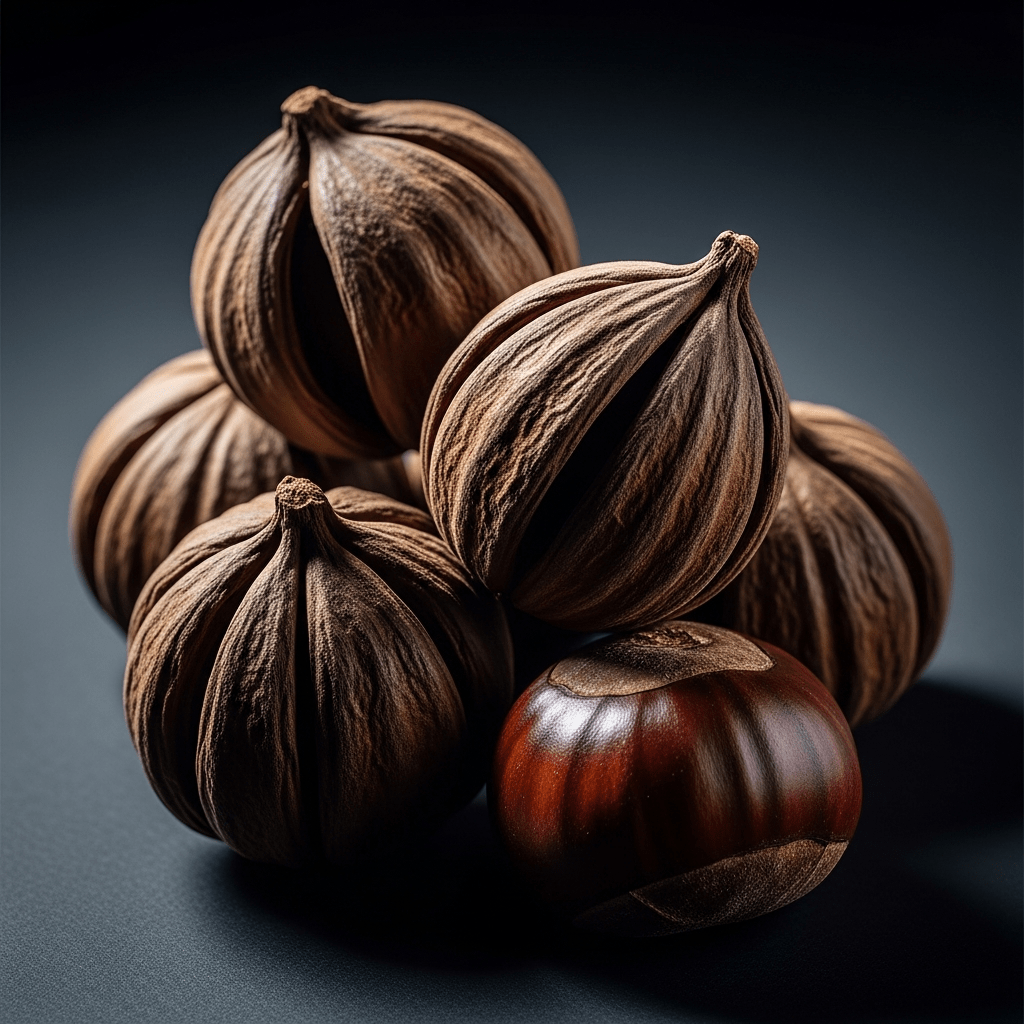
Malabar Chestnut
The Malabar chestnut is an edible seed-bearing tree native to Central and South America, prized for its mild-flavored seeds and often cultivated as both a food source and ornamental "money tree."
The Malabar chestnut is an edible seed-bearing tree native to Central and South America, prized for its mild-flavored seeds and often cultivated as both a food source and ornamental "money tree."
Originating from the wetland regions of Central and South America—especially Brazil, Guyana, and Costa Rica—the Malabar chestnut (Pachira aquatica) was first described by botanists in the late 18th century. Its wild-type lineage remains largely undomesticated, with local communities harvesting seeds from naturally occurring trees rather than from formal cultivars or breeding programs. Despite its misleading name, the Malabar chestnut is not native to the Malabar region of India.
Though commonly referred to as a "nut," the Malabar chestnut is not a true botanical nut. It belongs to the genus Pachira within the family Malvaceae. Its edible seeds are classified as nut-like in culinary contexts, aligning it with other non-botanical nuts such as peanuts and almonds. The species is scientifically named Pachira aquatica, and is grouped with edible nuts due to its culinary uses and nutritional profile.
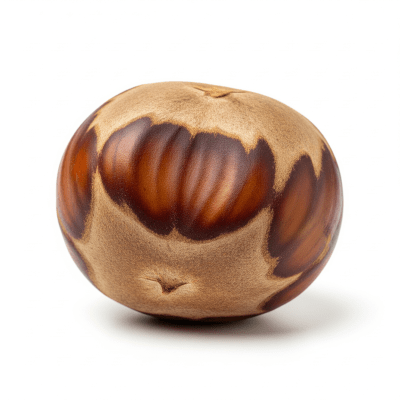
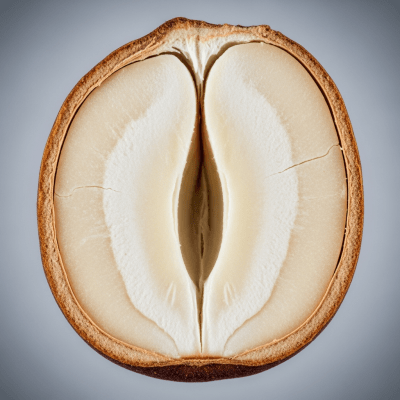
The Malabar chestnut tree is a tropical evergreen that can reach up to 18 meters (60 feet) in its native habitat, though cultivated specimens are typically smaller. It features glossy, palmate leaves and dramatic, showy flowers with long, thread-like stamens. The fruit is a large, woody capsule—up to 30 cm (12 inches) long—housing 10–25 sizable, round to oval seeds. These seeds are brown, smooth, and measure about 2–3 cm in diameter, offering a tactile experience reminiscent of chestnuts.
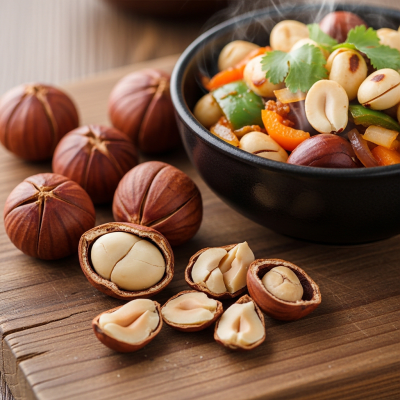
Malabar chestnut seeds are enjoyed both raw and roasted, valued for their mild flavor similar to peanuts or chestnuts. In some regions, the seeds are ground into flour or used in confectionery, while occasionally pressed for oil. Beyond its culinary role, the tree is celebrated as the "money tree" in ornamental horticulture, symbolizing prosperity and often grown indoors for its aesthetic appeal. Commercial cultivation for nut production is limited, with most seeds consumed locally or in specialty markets.
Bring this kind into your world illustrated posters, mugs, and shirts.
Archival print, museum-grade paper
Buy Poster
Stoneware mug, dishwasher safe
Buy Mug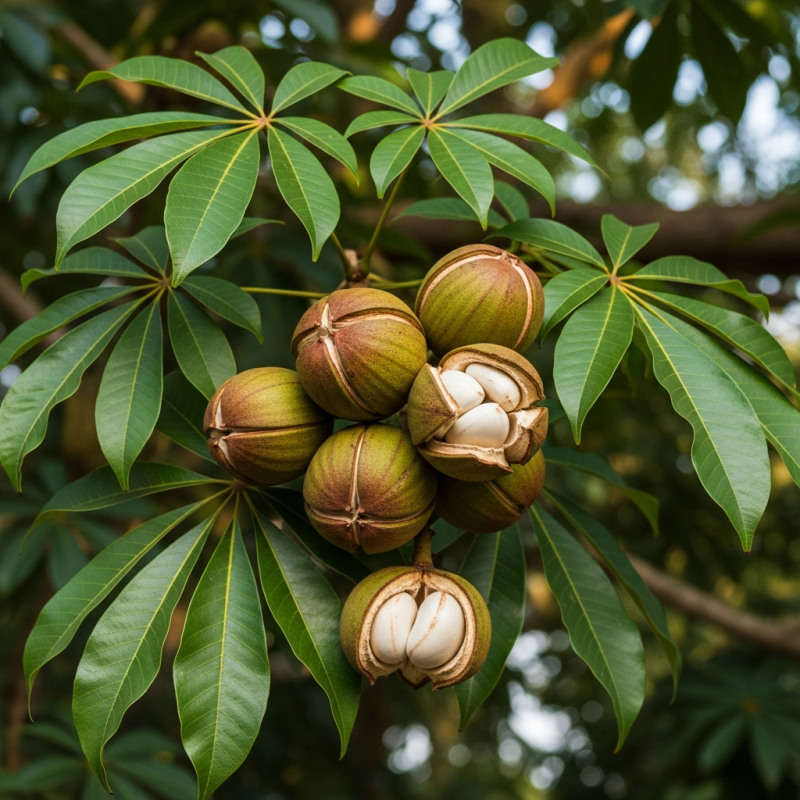
Soft cotton tee, unisex sizes
Buy ShirtWhile the Malabar chestnut is a regional food staple in parts of Central and South America, its greatest cultural prominence comes from its role as the "money tree" in East Asian horticulture. This ornamental use is rooted in beliefs about luck and prosperity, making the plant a popular gift and decorative item. Its nut-like seeds, however, have not achieved widespread culinary fame outside their native regions, and the tree's symbolic status often eclipses its food value in global culture.
Scientific name: Pachira aquatica
Family: Malvaceae
Key traits: Tropical evergreen tree with glossy palmate leaves, large showy flowers, and woody fruit capsules containing edible seeds. The seeds are round to oval, brown, and measure 2–3 cm in diameter.
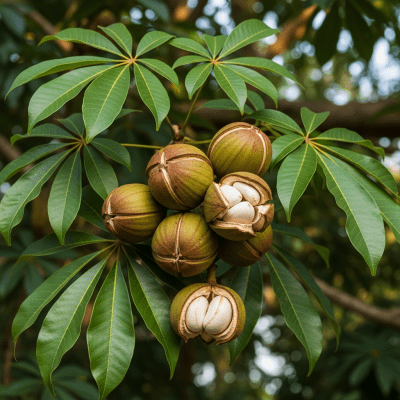
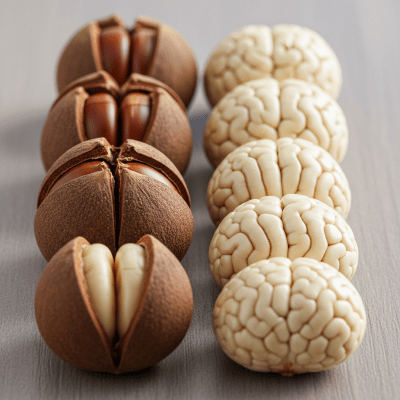
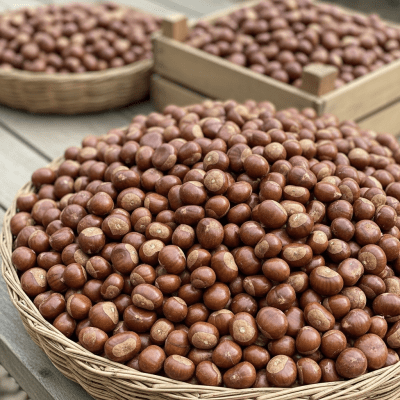
Malabar chestnut trees thrive in moist, well-drained soils and can tolerate periodic flooding, making them ideal for riparian or swampy environments. They are typically grown from seed and require warm, humid conditions. Harvesting involves collecting the woody fruit capsules once mature and extracting the seeds. Commercial cultivation is rare, with most production occurring on a small scale for local consumption. Seeds must be stored in cool, dry conditions to prevent mold.
No widely recognized cultivars or commercial varieties of Malabar chestnut exist for nut production. The species is generally harvested from wild-type trees, and formal breeding programs have not been documented.
Malabar chestnut seeds are valued for their mild flavor and nutritional content, offering a source of plant-based protein and healthy fats. While specific nutritional breakdowns are limited, they are generally considered a wholesome snack, similar in profile to peanuts or chestnuts.
There is no documented evidence of Malabar chestnut seeds being regulated as a major allergen. However, individuals with sensitivities to tree nuts should exercise caution, as cross-reactivity is possible but not well studied.
Malabar chestnut seeds are eaten raw or roasted, sometimes ground into flour for regional dishes or used in confectionery. While the seeds can be pressed for oil, this is uncommon. The fruit pulp is not typically consumed, and culinary use remains primarily local to Central and South America.
Commercial cultivation and international trade of Malabar chestnut seeds are limited. Most seeds are consumed locally or sold in specialty markets, with no significant presence on global commodity exchanges. The tree is more widely traded as an ornamental plant, especially in East Asia.
No significant pest or disease resistance traits have been formally documented for Malabar chestnut. The tree may be susceptible to general tropical pests and environmental stresses, and specific agronomic weaknesses or resistances remain largely unstudied.