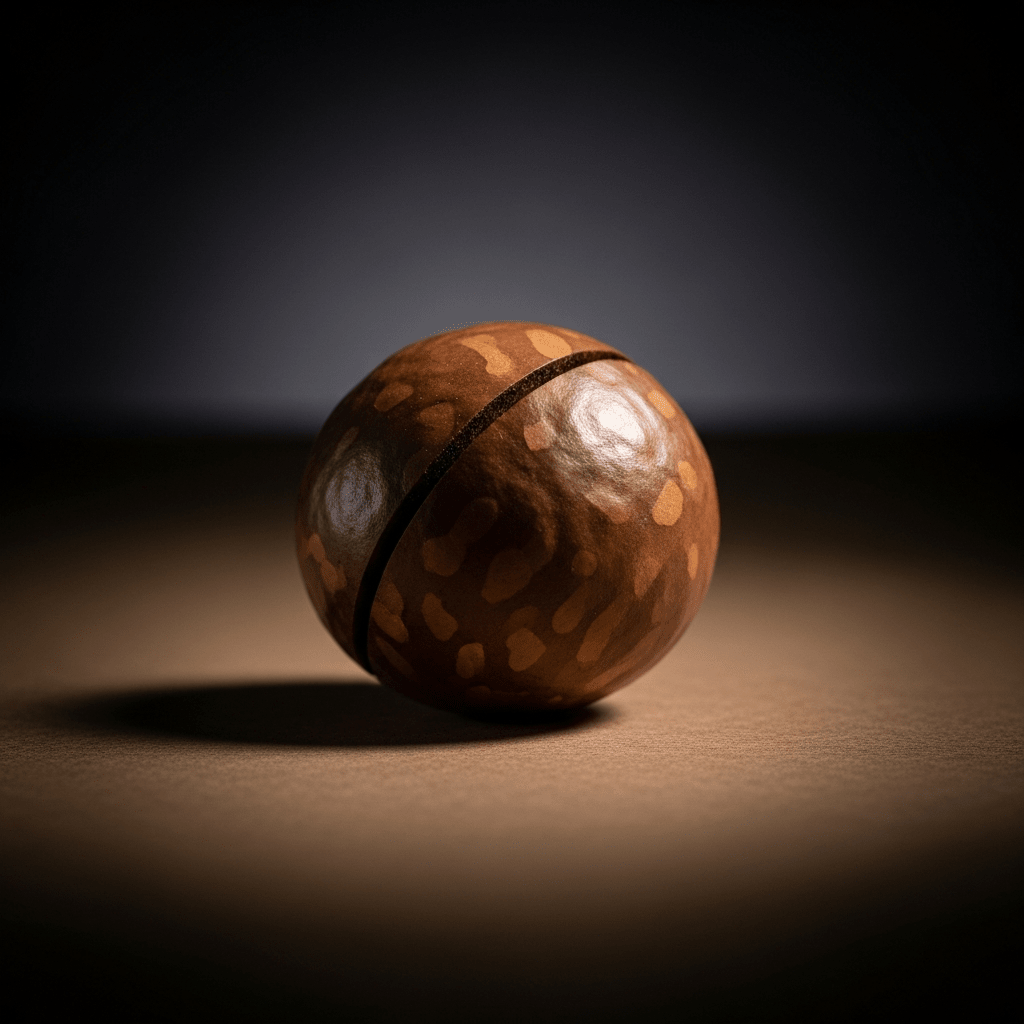
Macadamia Nut
The macadamia nut is a premium edible seed from the macadamia tree, celebrated for its rich, buttery flavor, creamy texture, and high oil content.
The macadamia nut is a premium edible seed from the macadamia tree, celebrated for its rich, buttery flavor, creamy texture, and high oil content.
Native to the subtropical rainforests of eastern Australia—specifically Queensland and New South Wales—the macadamia nut was first scientifically described in 1857 by Ferdinand von Mueller. Commercial cultivation began in Australia in the late 19th century and expanded rapidly in Hawaii during the early 20th century, thanks to pioneers like Ernest Van Tassel and the Hawaiian Agricultural Experiment Station. Modern macadamia orchards typically grow hybrids of Macadamia integrifolia and Macadamia tetraphylla, selected for superior kernel quality and resilience.
Although commonly called a nut, the macadamia is botanically the seed of a drupe—a fruit with a hard shell encasing the edible kernel. It belongs to the family Proteaceae, genus Macadamia, with the principal commercial species being Macadamia integrifolia and Macadamia tetraphylla. In culinary and commercial contexts, it is grouped with other tree nuts due to its similar uses and nutritional profile.
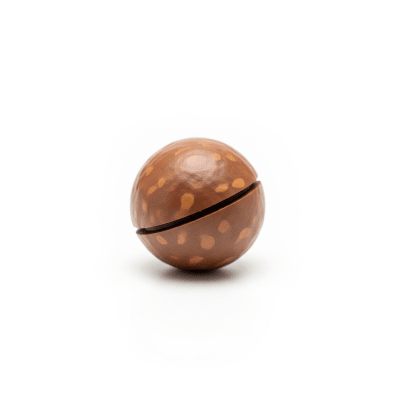
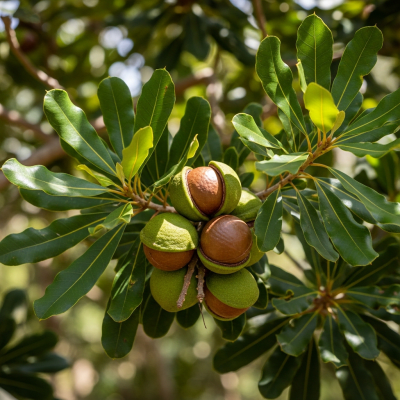
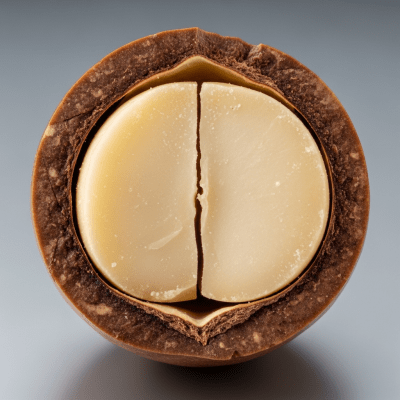
Macadamia nuts are round to oval, creamy white kernels measuring 2–3 cm in diameter. They are encased in an exceptionally hard, woody shell (2.6–6 mm thick), which is itself surrounded by a green husk that splits open when mature. The tree is evergreen, with glossy, dark green leaves arranged in whorls, and produces fragrant flowers in long racemes.
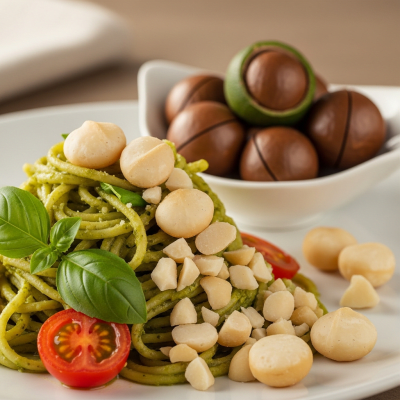
Macadamia nuts are prized for their versatility in both sweet and savory dishes. Their high oil content (up to 78%) imparts a luxurious, creamy texture, making them a favorite in premium snack mixes, confectionery, baked goods, and gourmet recipes. The nuts are also processed into macadamia oil, valued for both culinary and cosmetic applications. Commercially, they are sold raw, roasted, salted, whole, chopped, or as oil.
Bring this kind into your world illustrated posters, mugs, and shirts.
Archival print, museum-grade paper
Buy Poster
Stoneware mug, dishwasher safe
Buy Mug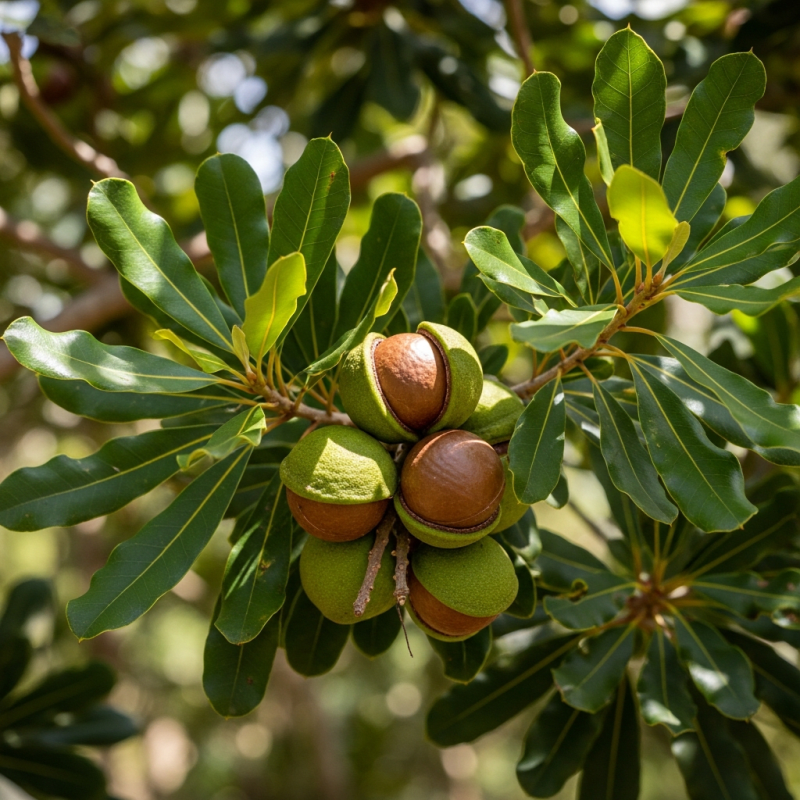
Soft cotton tee, unisex sizes
Buy ShirtIn Hawaii, the macadamia nut is more than an agricultural commodity—it is a cultural icon and a popular gift during festive seasons. Its status as a luxury food has made it a symbol of refinement in global cuisine. Traditional recipes in Australia and Hawaii often feature macadamias, and their cultivation has shaped local economies and landscapes.
Scientific name: Macadamia integrifolia (and M. tetraphylla). Belonging to the family Proteaceae, macadamia trees are evergreen, reaching 6–12 meters in height, with glossy leaves and raceme flowers pollinated primarily by bees. The nut is technically the seed of a woody drupe, encased in a hard shell and green husk.
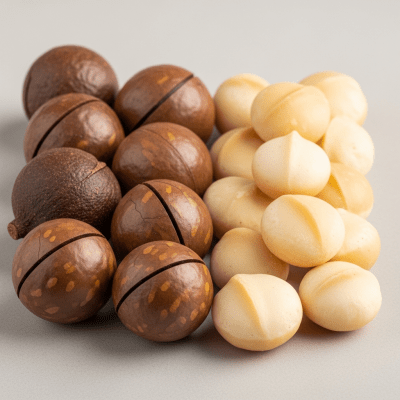

Macadamia trees thrive in subtropical to tropical climates, preferring temperatures of 16–25°C and annual rainfall between 1,000–2,000 mm. Trees begin to bear fruit after 5–7 years, reaching full production at 10–12 years. Harvesting is typically manual or mechanized, with mature nuts collected from the ground. Post-harvest, nuts are dried to reduce moisture to 1.5–3%, ensuring safe storage and optimal quality. Yields can reach 2–4 metric tons per hectare under ideal conditions.
Macadamia nuts are energy-dense, with up to 78% oil content, predominantly monounsaturated fats. They provide protein, dietary fiber, and essential minerals such as magnesium and manganese. Their healthy fat profile supports heart health, and the creamy texture makes them a satisfying snack. Due to their richness, they are best enjoyed in moderation.
Macadamia nuts are not regulated as a major allergen in most regions. However, individuals with tree nut allergies should exercise caution, as cross-reactivity is possible. Always check product labels and consult healthcare professionals if uncertain.
Macadamia nuts are sold shelled or unshelled, whole or chopped, and as oil. Australia leads global production, followed by South Africa, Kenya, Hawaii (USA), and China. Their premium price reflects labor-intensive harvesting and processing. In Hawaii, they are a significant export and cultural symbol, while global demand continues to rise for both culinary and cosmetic uses.