Hazelnut
The hazelnut is the edible nut of the hazel tree, celebrated for its rich flavor, high oil content, and versatility in culinary and commercial uses worldwide.
The hazelnut is the edible nut of the hazel tree, celebrated for its rich flavor, high oil content, and versatility in culinary and commercial uses worldwide.
Hazelnuts originate from temperate regions of Europe and western Asia, with wild populations known since antiquity. The species Corylus avellana was formally described in 1753 by Carl Linnaeus. Over centuries, hazelnuts have been cultivated and selectively bred in regions such as Turkey’s Black Sea coast, Italy’s Piedmont, and Oregon in the United States. Traditional varieties were selected regionally, while modern breeding programs, such as those at Oregon State University, have developed cultivars for improved yield and disease resistance.
Botanically, the hazelnut is a true nut belonging to the family Betulaceae, genus Corylus, species avellana. It stands apart from many other culinary nuts, which are often seeds or drupes. Hazelnuts are classified as tree nuts in culinary and commercial contexts, and are grouped with other edible nuts for trade and allergen labeling.
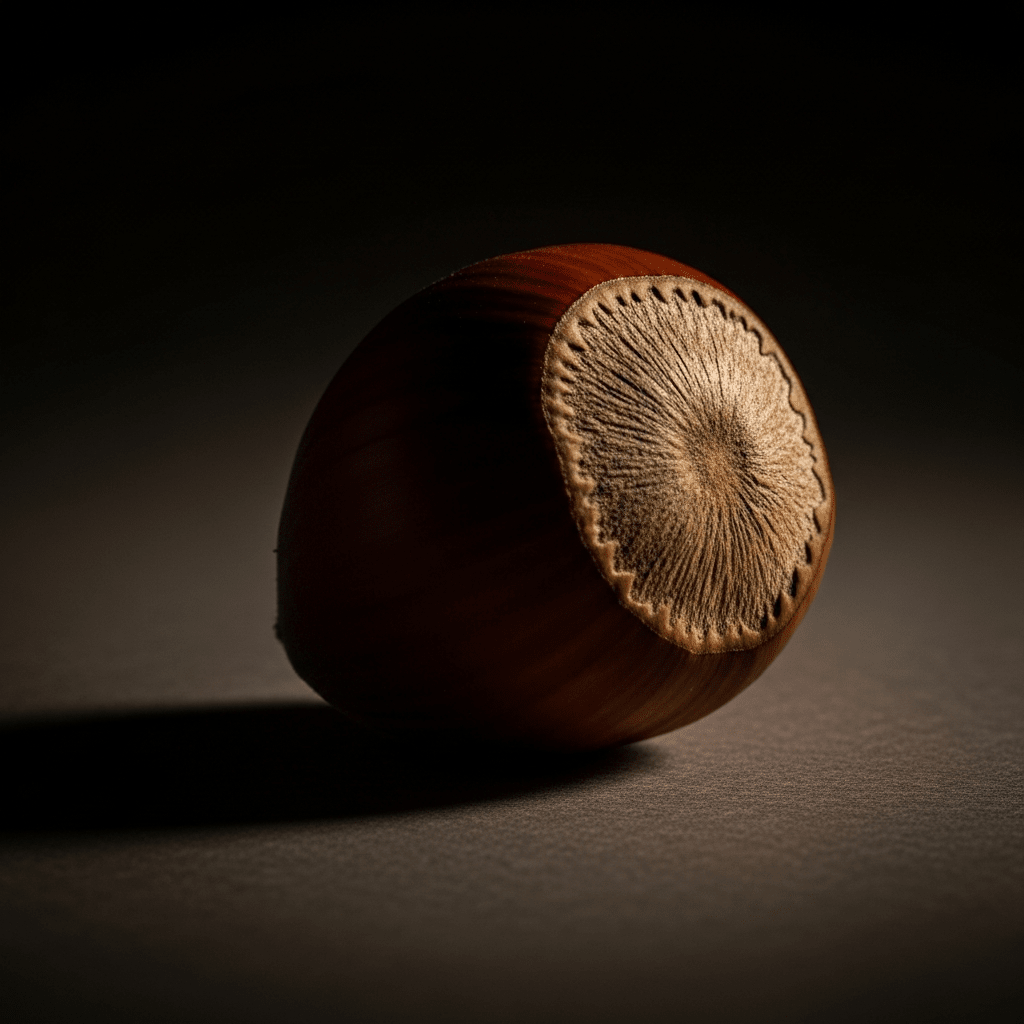
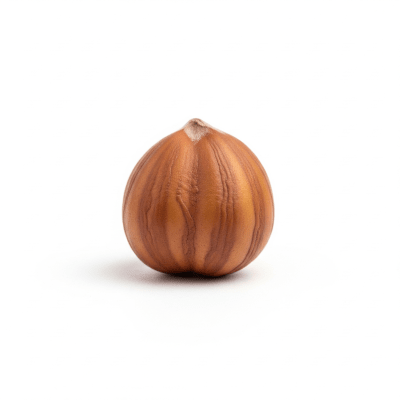
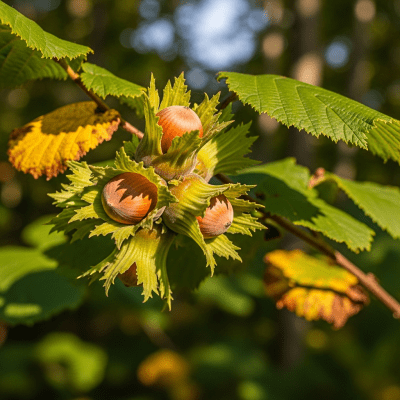
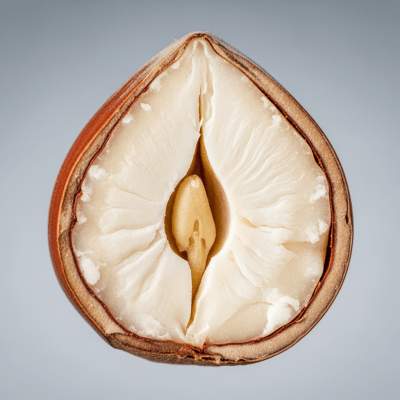
Hazelnuts are small, round to oval nuts measuring 1–2.5 cm in diameter. Each nut is encased in a hard, smooth shell and surrounded by a leafy husk called an involucre. The kernel inside is pale and firm, with a distinctive aroma and creamy texture. Hazelnut trees are deciduous shrubs or small trees, typically reaching 3–8 meters in height, with rounded, doubly serrate leaves.
Hazelnuts are harvested in late summer to early autumn, either by collecting nuts that have naturally fallen or by mechanical shaking. They are consumed raw, roasted, or ground, and processed into oil, flour, and paste. In agriculture, hazelnut trees require well-drained soils, moderate climates, and a period of winter chilling for bud break. Their high oil content makes them prone to rancidity if not stored properly.
Bring this kind into your world illustrated posters, mugs, and shirts.
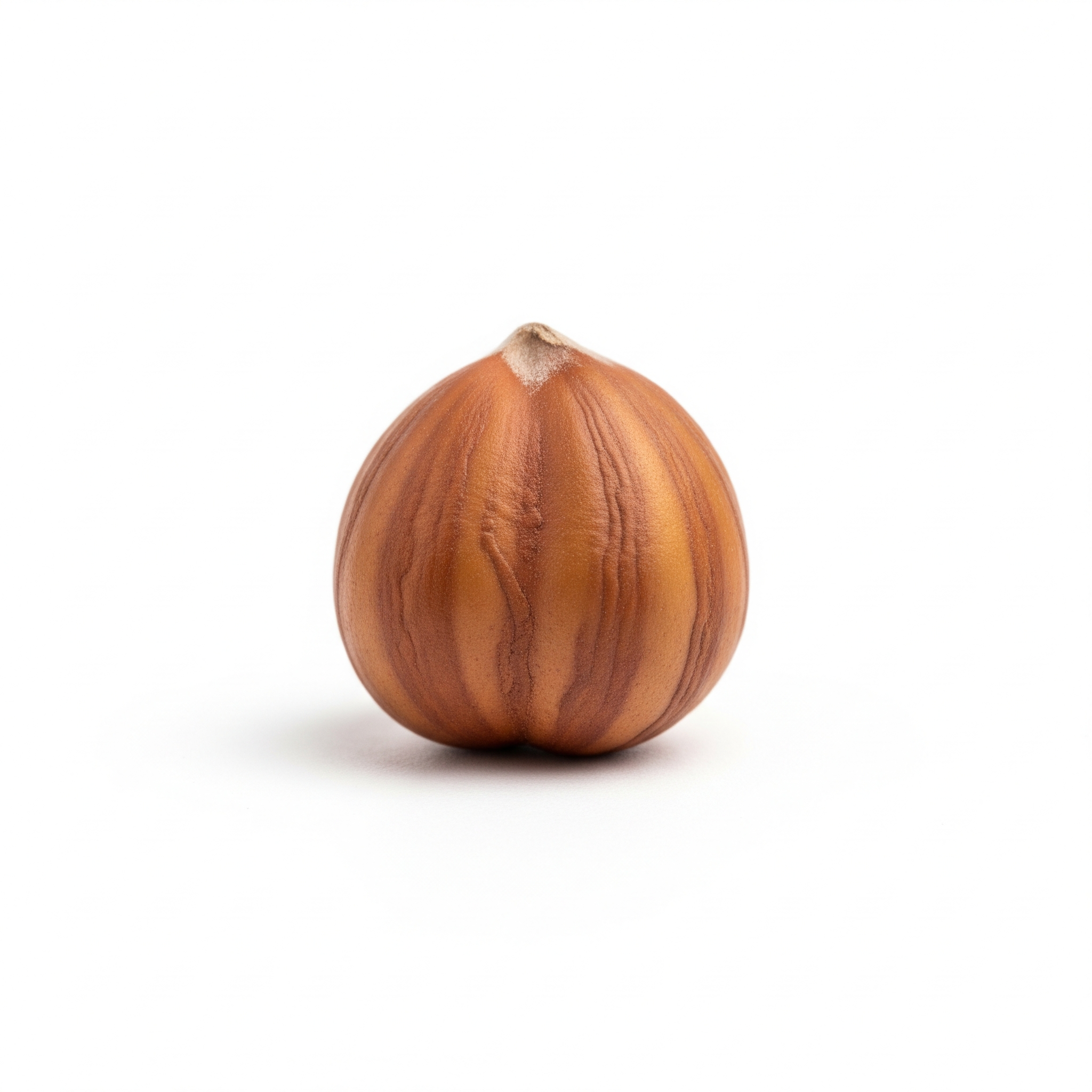
Archival print, museum-grade paper
Buy Poster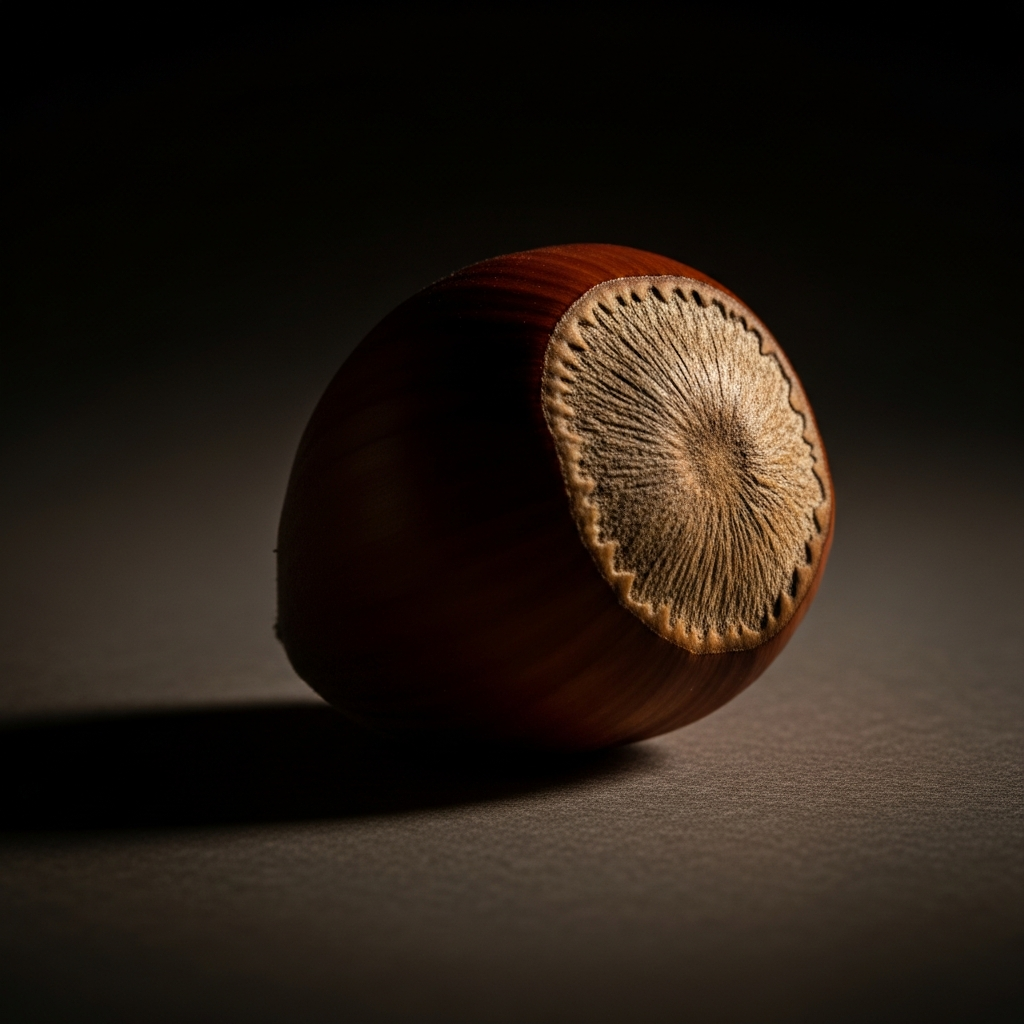
Stoneware mug, dishwasher safe
Buy Mug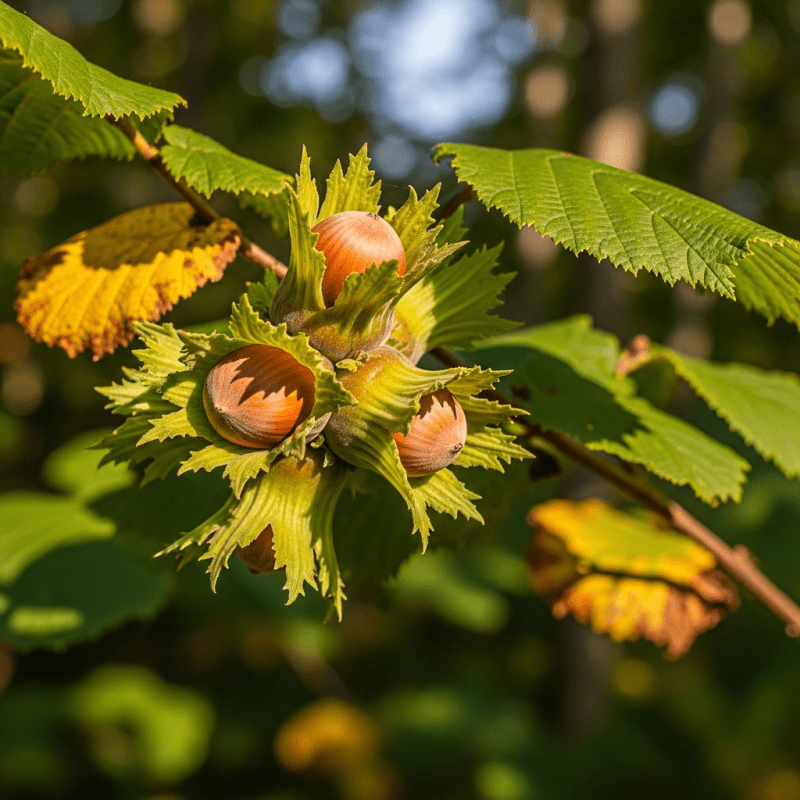
Soft cotton tee, unisex sizes
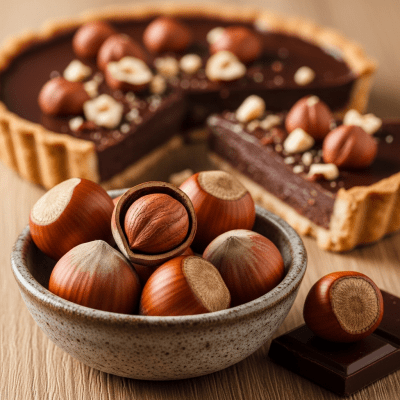
Buy ShirtHazelnuts have deep roots in European and Middle Eastern cuisines and traditions. They are featured in classic confections like pralines, gianduja, and Nutella, and symbolize abundance in folklore. In England, certain cultivars are called "cobnuts," and the nut is known as "filbert" in the US and UK. Hazelnuts appear in art and literature as emblems of wisdom and prosperity, and remain integral to regional festivals and culinary heritage.
Scientific Name: Corylus avellana
Family: Betulaceae
Genus: Corylus
Species: avellana
Hazelnut trees are deciduous, typically 3–8 meters tall, with rounded, serrate leaves and wind-pollinated catkins. The nut is spherical to oval, protected by a hard shell and leafy husk. Productive orchards can last 30–50 years.
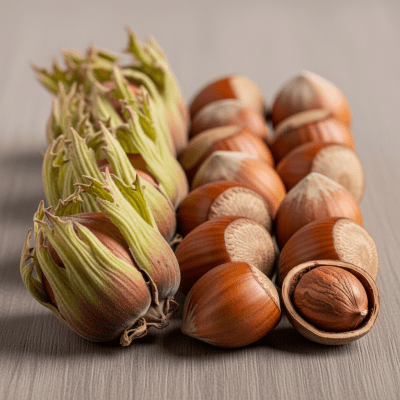

Hazelnuts are grown in temperate climates with well-drained soils and require winter chilling for bud break. Flowering occurs in late winter to early spring, with wind-pollinated catkins. Harvest takes place in late summer to early autumn, when nuts drop naturally or are shaken from the tree. Yields range from 1,000 to 2,500 kg/ha, depending on cultivar and region. Modern breeding has produced cultivars resistant to Eastern Filbert Blight, a major disease threat.
Hazelnuts are nutrient-rich, providing healthy fats (notably monounsaturated and polyunsaturated oils), protein, dietary fiber, vitamin E, and minerals such as magnesium and copper. Their high oil content contributes to their creamy texture and energy density, making them a popular choice for heart-healthy diets and plant-based nutrition.
Hazelnuts are a regulated major allergen and can trigger severe reactions in sensitive individuals. They are subject to strict labeling requirements in the US, EU, and other markets. People with tree nut allergies should avoid hazelnuts and products containing them.
Hazelnuts are a major global crop, with Turkey producing about 70% of the world’s supply. Italy and the United States are also significant producers. Hazelnuts are traded shelled or unshelled, and are exported to major markets including the EU, US, and China. Their value lies in flavor, texture, and nutritional profile, with demand driven by the confectionery and baking industries.