Ginkgo Nut
The ginkgo nut is the edible seed of the ancient Ginkgo biloba tree, cherished in East Asian cuisine for its subtle flavor and unique heritage.
The ginkgo nut is the edible seed of the ancient Ginkgo biloba tree, cherished in East Asian cuisine for its subtle flavor and unique heritage.
Ginkgo nuts originate from Ginkgo biloba, the sole surviving member of the Ginkgoaceae family. Fossil records trace this species back over 200 million years to prehistoric China, where it has been cultivated in temple gardens for centuries. Its use as a food source is deeply rooted in tradition, with no single breeder or institution credited for its domestication. The lineage of ginkgo nuts is direct from wild and cultivated populations, making them a living link to the distant botanical past.
Botanically, the ginkgo nut is the seed of Ginkgo biloba, a deciduous tree classified under the family Ginkgoaceae. Unlike most culinary nuts, it is not a true nut but is grouped as such due to its edible seed and culinary applications. Ginkgo biloba stands alone in its family, with no close relatives, and is often referred to as a "living fossil" for its unchanged lineage since the age of dinosaurs.
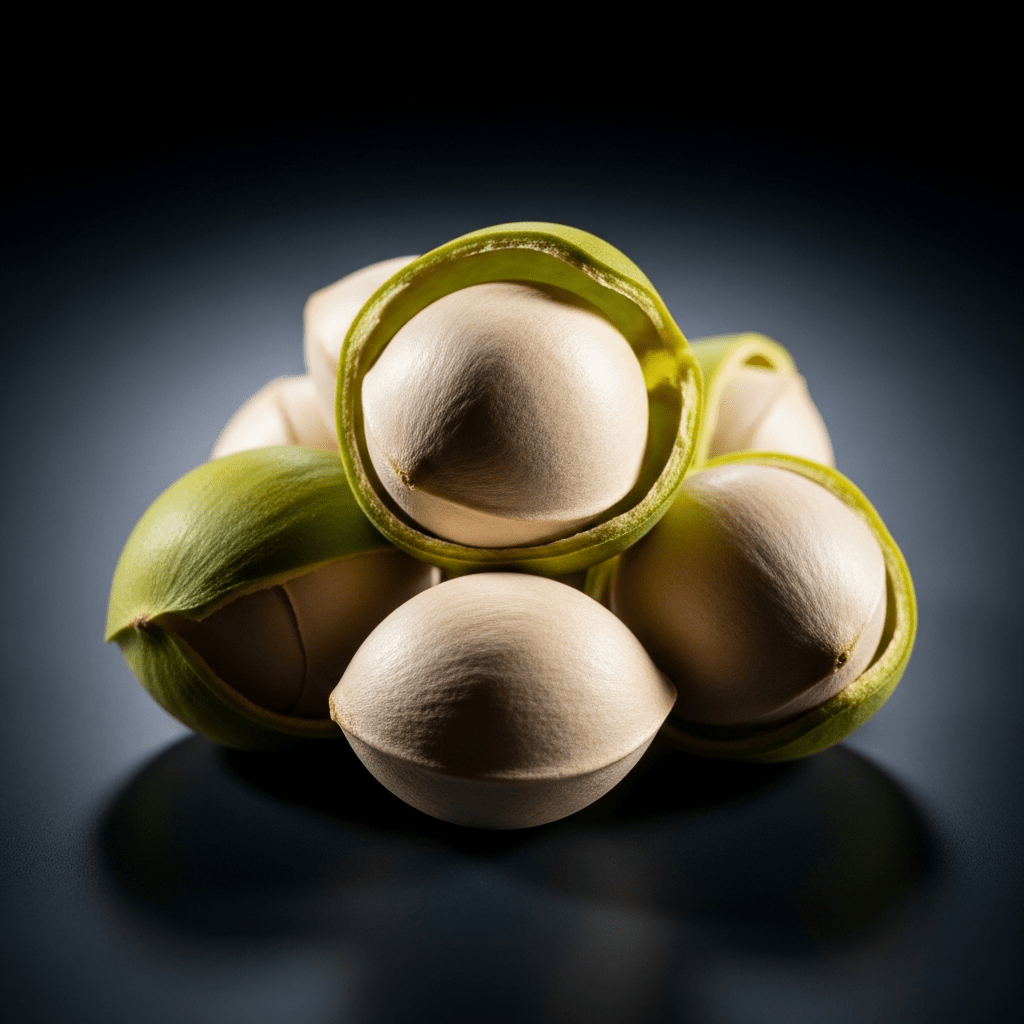
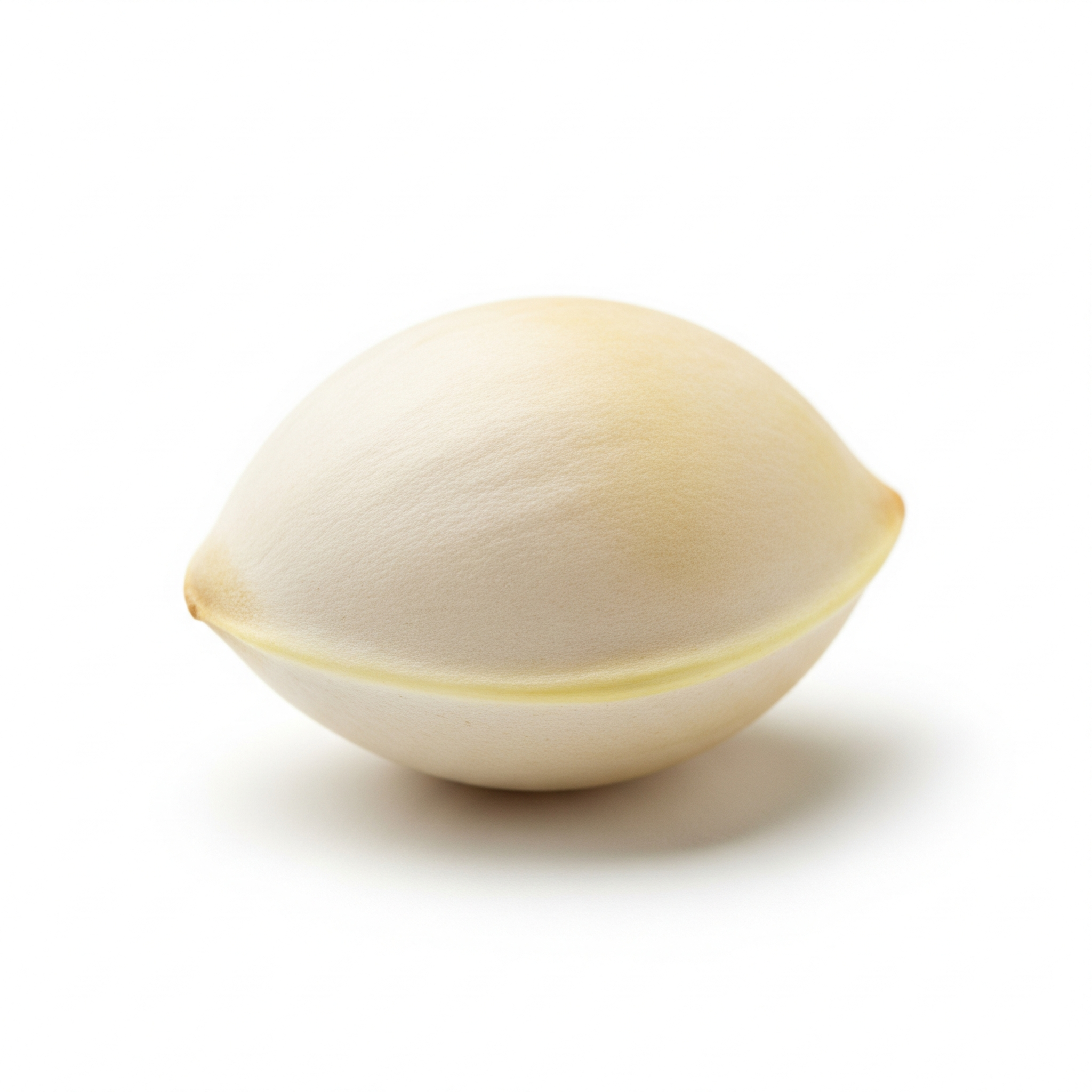
Ginkgo nuts are oval-shaped seeds, typically 1.5–2 cm long, encased in a hard, pale shell. Before processing, the seeds are surrounded by a fleshy, yellow outer fruit that emits a strong, unpleasant odor. Once cleaned, the nut reveals a soft, yellowish kernel with a chewy texture and mild, slightly bitter taste. The shell is smooth and often slightly glossy, protecting the delicate interior until ready for consumption.
Ginkgo nuts are harvested from mature female trees and require careful handling to remove the toxic outer pulp. Once cleaned and cooked, they are used in a variety of culinary dishes, especially in East Asian traditions. Their consumption is typically limited to moderate amounts due to potential toxicity if eaten raw or in excess. The nuts are valued for their texture and subtle flavor, adding both nutrition and cultural symbolism to meals.
Bring this kind into your world illustrated posters, mugs, and shirts.
Archival print, museum-grade paper
Buy Poster
Stoneware mug, dishwasher safe
Buy Mug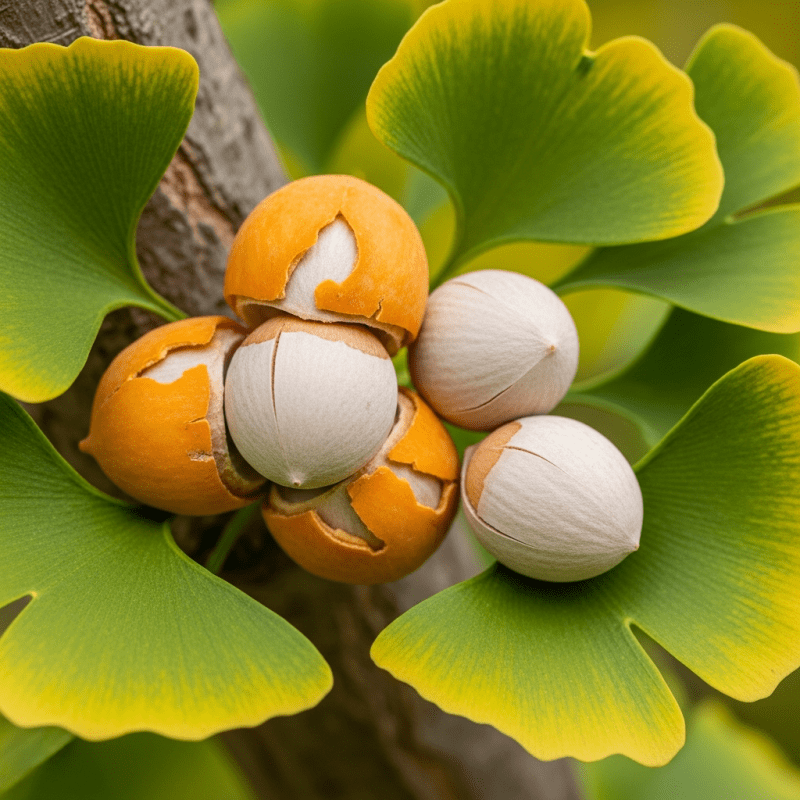
Soft cotton tee, unisex sizes
Buy ShirtGinkgo nuts hold a revered place in Chinese, Japanese, and Korean cultures. In China, they are often served during festivals and banquets as a symbol of longevity and prosperity. Japanese cuisine features ginkgo nuts in chawanmushi and seasonal dishes, while in Korea they appear in soups and ceremonial foods. The ginkgo tree itself is celebrated in art and literature as a symbol of endurance and resilience, with its nuts embodying these qualities in culinary tradition.
Scientific Name: Ginkgo biloba
Family: Ginkgoaceae
Key Traits: Deciduous tree with fan-shaped leaves; seeds produced by mature female trees; seeds encased in a fleshy fruit with a hard shell and soft kernel. Ginkgo biloba is dioecious, meaning male and female trees are distinct, and only female trees bear seeds.
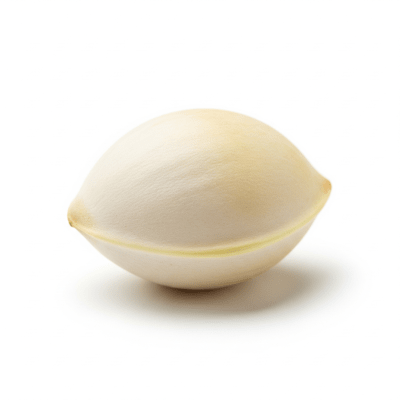


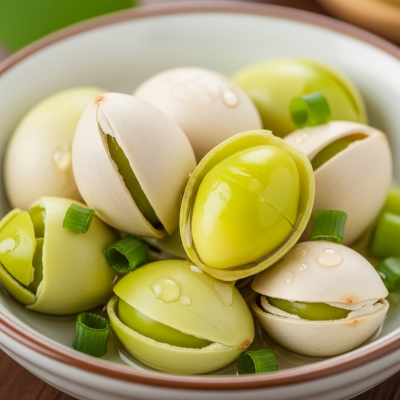
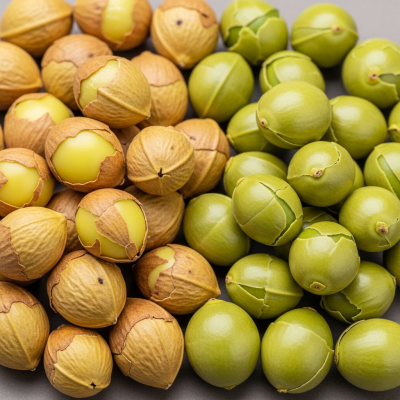
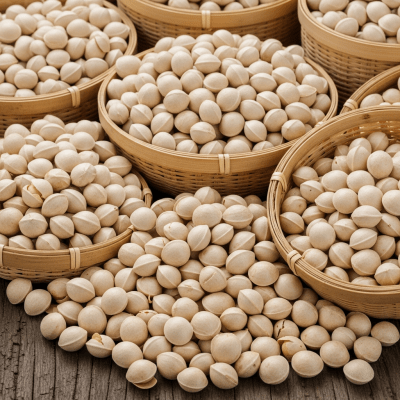
Ginkgo trees are grown in temperate climates, thriving in urban and rural settings due to their resilience against pollution and pests. Female trees produce seeds after pollination, with mature specimens yielding several kilograms annually. Harvesting involves collecting fallen fruits, removing the malodorous pulp, and cleaning the hard-shelled seeds. Post-harvest, nuts are dried or roasted to ensure safety and extend shelf life. No specialized cultivars are bred for nut production; trees are propagated for both ornamental and culinary purposes.
There are no distinct commercial or heritage cultivars bred specifically for ginkgo nut production. All edible nuts come from Ginkgo biloba trees, with regional variations in preparation and culinary use rather than genetic differences. Selection for planting may favor male trees in urban areas to avoid the odor of female fruit, but nut production is exclusive to female trees.
Ginkgo nuts are a source of carbohydrates, small amounts of protein, and trace minerals. They are traditionally believed to offer health benefits, such as supporting digestion and cognitive function, though scientific evidence is limited. Consumption should be moderate, as the nuts contain compounds that can be toxic in large quantities.
Ginkgo nuts are not classified as a major allergen under most regulatory standards. However, they contain naturally occurring toxins that can cause adverse reactions if consumed raw or in excess. Proper cooking and moderation are advised for safe consumption.
Ginkgo nuts are featured in a range of East Asian dishes. In China, they are added to congee, stir-fries, and desserts. Japanese cuisine uses them in chawanmushi (savory egg custard) and as a garnish. In Korea, ginkgo nuts are included in soups like samgyetang and served as snacks. The nuts are typically roasted, boiled, or canned, and must be cooked to ensure safety and enhance flavor.
China, Japan, and Korea are the primary producers and consumers of ginkgo nuts, with most trade occurring regionally. Ginkgo nuts are sold fresh, dried, or canned, often in specialty markets. Western availability is limited, making them a niche product in international trade. Commercial demand is steady but modest due to their specialized culinary role and safety considerations.
Ginkgo biloba trees are notably resistant to urban pollution, most pests, and diseases, making them popular for city planting. The main vulnerability is the unpleasant odor of the female tree's fruit, which limits planting in public spaces. The nuts themselves require careful handling to remove toxic compounds, but the tree's overall hardiness ensures reliable seed production in suitable climates.