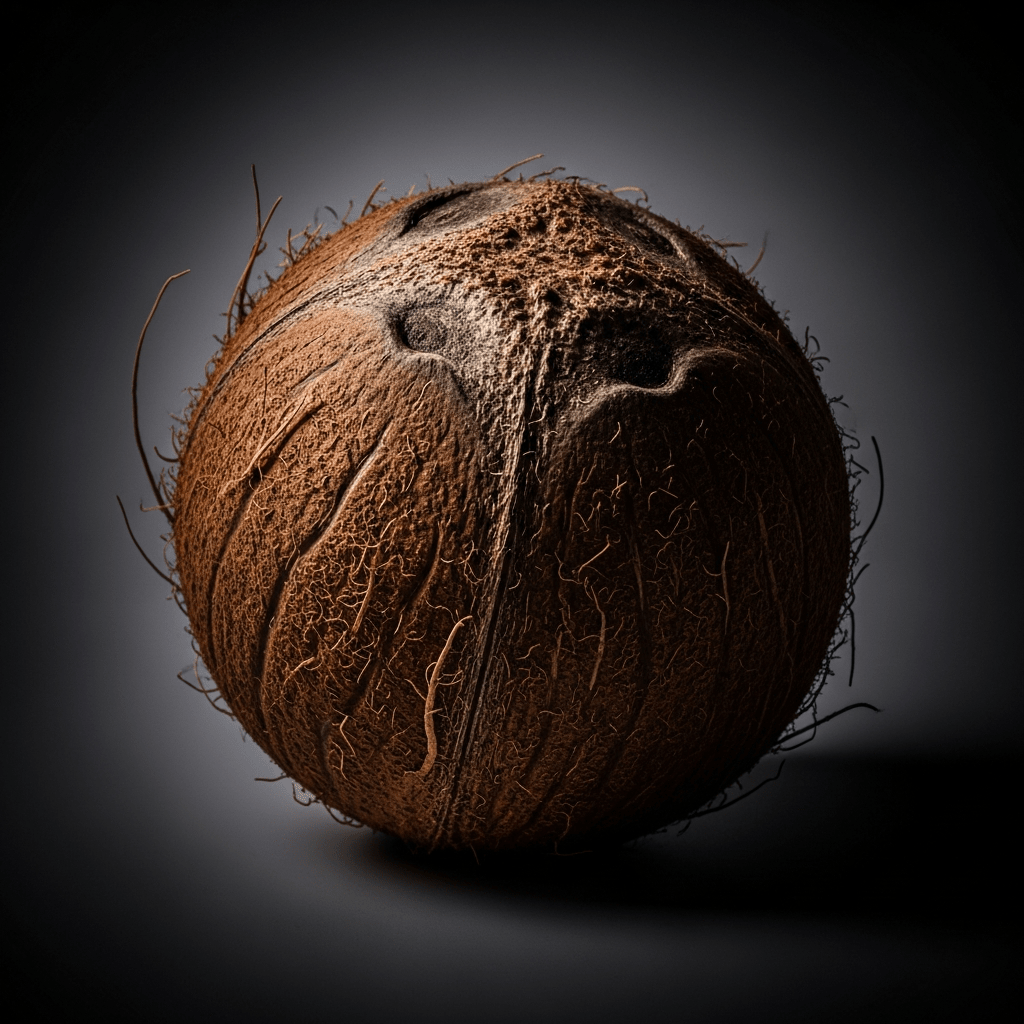
Coconut
The coconut is the edible seed of the fruit of Cocos nucifera, a tropical palm prized worldwide for its versatile culinary and commercial uses.
The coconut is the edible seed of the fruit of Cocos nucifera, a tropical palm prized worldwide for its versatile culinary and commercial uses.
Coconut palms are believed to have originated in the Indo-Pacific region, with ancient domestication occurring independently across Southeast Asia and the Indian subcontinent. For thousands of years, coconuts have been dispersed naturally by ocean currents, thriving along tropical coastlines. Their cultivation predates recorded history, making the coconut one of humanity’s oldest cultivated crops, with no single breeder or institution credited for its spread.
Botanically, the coconut is classified as a drupe—a fruit with a fibrous outer layer and a hard inner shell—rather than a true nut. Its scientific name is Cocos nucifera. Despite this, coconut is included in culinary and commercial nut categories due to its nut-like properties and broad utility. Regulatory authorities such as Codex Alimentarius and the International Nut and Dried Fruit Council recognize coconut as a nut for trade and labeling purposes.
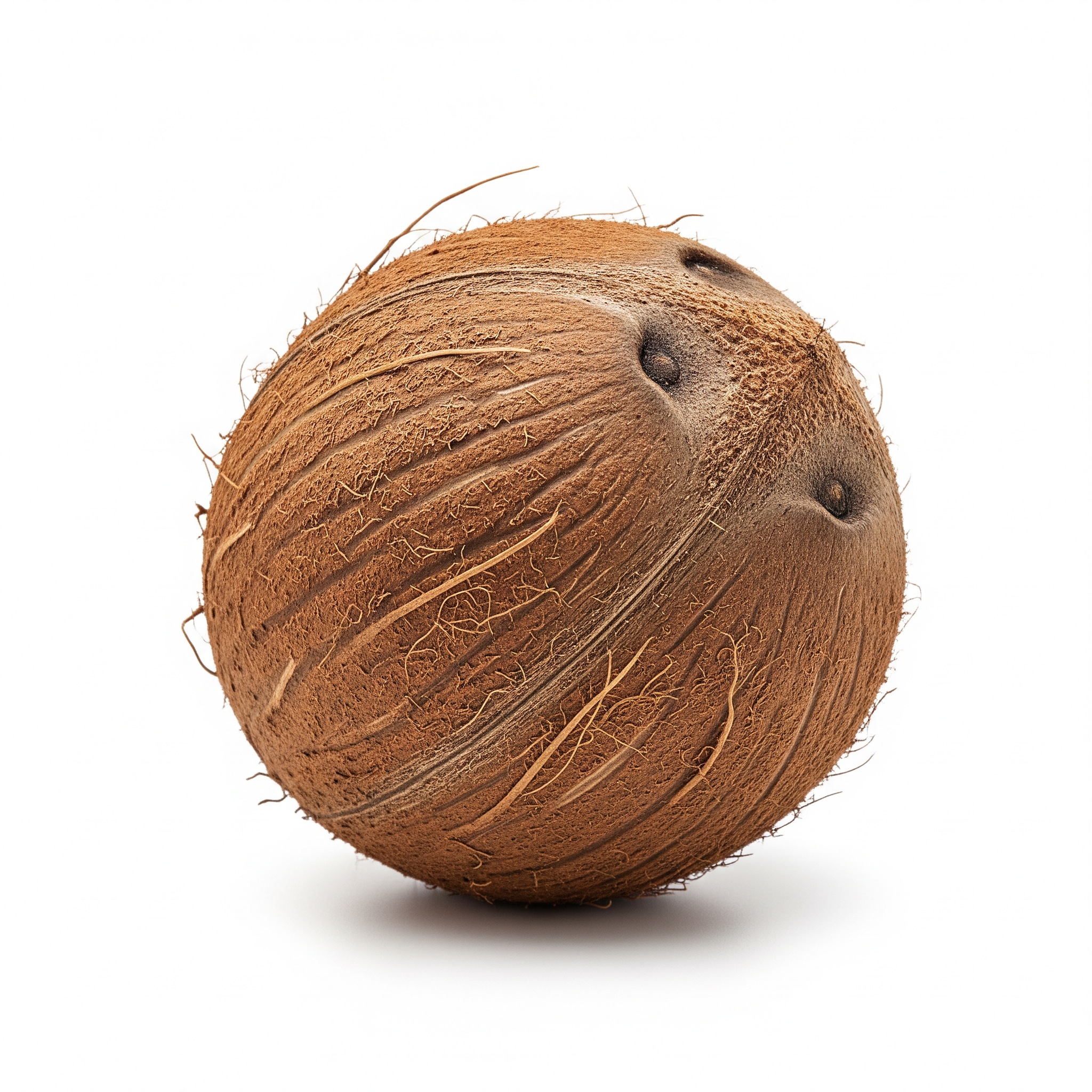
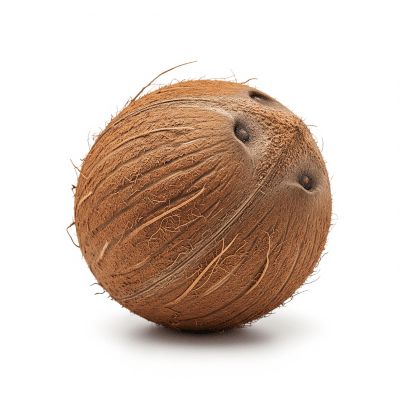
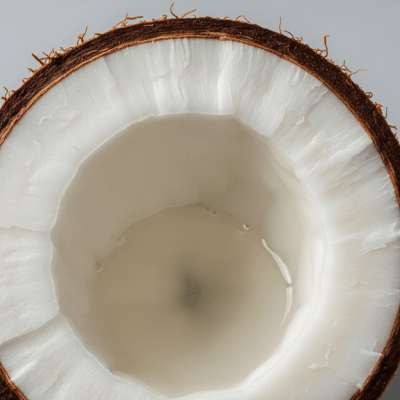
The coconut fruit is large and oval, typically measuring 20–30 centimeters in length and weighing up to 2.5 kilograms. Its smooth green or yellow exterior encases a thick, fibrous husk (coir), which surrounds a hard, woody shell. Inside, the edible white kernel (flesh) lines the shell, with a cavity filled by refreshing coconut water. Mature coconuts feel heavy and solid, while young coconuts are lighter and contain more liquid.
Coconuts are harvested for both their edible and non-edible components. The kernel is consumed fresh or processed into products like oil, milk, and desiccated coconut. Coconut water is enjoyed as a hydrating beverage, while the shell and husk are utilized for charcoal, coir fiber, and crafts. The palm’s adaptability to coastal environments makes it a vital resource in tropical agriculture and daily life.
Bring this kind into your world illustrated posters, mugs, and shirts.
Archival print, museum-grade paper
Buy Poster
Stoneware mug, dishwasher safe
Buy Mug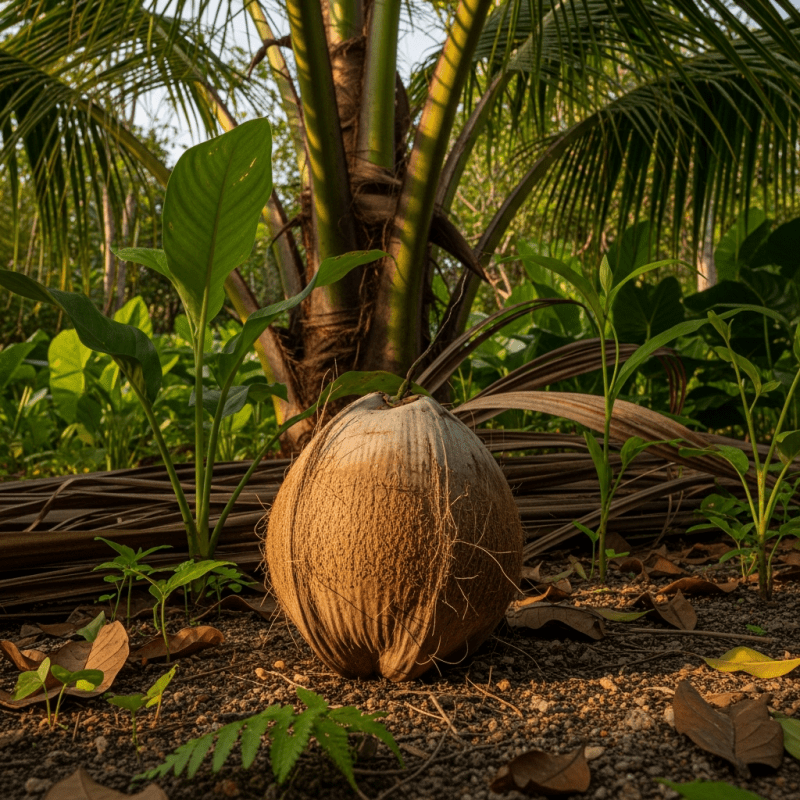
Soft cotton tee, unisex sizes
Buy ShirtCoconut holds deep cultural meaning across tropical regions. In South Asia, it is used in religious rituals and symbolizes prosperity. Pacific Island societies regard the coconut as the "tree of life," integral to diet, shelter, and tradition. Its image appears in art, folklore, and festivals worldwide, embodying resilience and abundance.
Scientific name: Cocos nucifera
Family: Arecaceae (palm family)
Key traits: Tall, monoecious palm; large, fibrous drupes; edible white kernel and coconut water; adapted to tropical coastal regions.
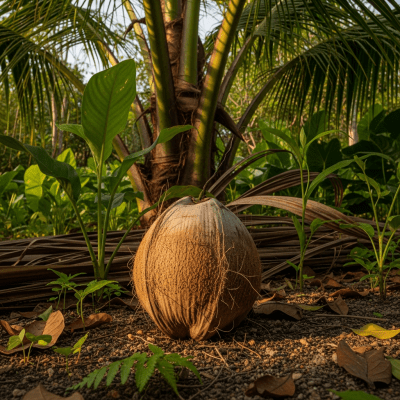

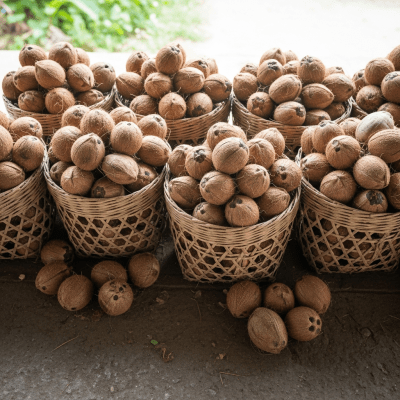
Coconut palms thrive in sandy, well-drained soils and humid tropical climates, especially near coastlines. Trees reach up to 30 meters and begin bearing fruit after 6–10 years. Annual yields range from 30–75 fruits per tree, depending on variety and farming practices. Harvesting is typically manual, with coconuts collected from the ground or cut from the tree using long poles. The palm’s tolerance of saline soils and moderate drought makes it a resilient crop, though it is susceptible to pests and diseases such as lethal yellowing.
There are numerous coconut cultivars, broadly divided into tall and dwarf types. Tall varieties, such as West Coast Tall and East Coast Tall, are common in commercial production and valued for high yields. Dwarf varieties, including Malayan Dwarf and Chowghat Dwarf, are often grown for tender coconut water and ornamental use. Distinct cultivars may differ in fruit size, oil content, and disease resistance.
Coconut kernel is rich in dietary fat, primarily medium-chain triglycerides, and provides moderate amounts of fiber, vitamins (notably B-complex), and minerals such as potassium and manganese. Coconut water is low in calories and contains electrolytes, making it a popular hydrating drink. Coconut oil is prized for its stability and unique fatty acid profile.
Coconut is regulated as a tree nut allergen in some regions, though true coconut allergy is rare. Most individuals with tree nut allergies can safely consume coconut, but labeling requirements may vary. Always check local regulations and consult healthcare professionals if you have concerns.
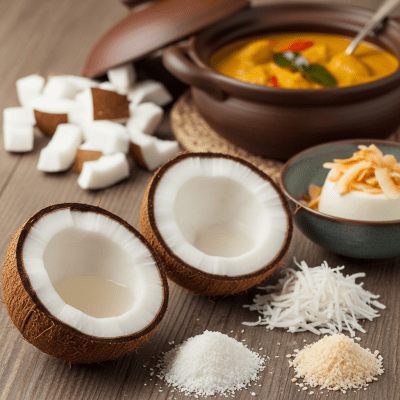
Coconut is used in a wide array of culinary applications. The fresh kernel is eaten raw or grated into desserts and savory dishes. Coconut milk and cream enrich curries, soups, and baked goods. Desiccated coconut is a staple in confectionery, while coconut oil is used for frying and baking. Coconut water is enjoyed as a refreshing beverage, and the shell is sometimes used as a serving vessel or for charcoal.
Coconut is a globally traded commodity, with major producers including Indonesia, the Philippines, and India. It is exported as whole nuts, copra, oil, desiccated coconut, and coconut water. The market spans food, beverage, cosmetic, and industrial sectors, reflecting coconut’s versatility and economic importance.