Chestnut
Chestnut is a true botanical nut from the genus Castanea, prized for its starchy, low-fat edible seeds that have nourished temperate cultures for centuries.
Chestnut is a true botanical nut from the genus Castanea, prized for its starchy, low-fat edible seeds that have nourished temperate cultures for centuries.
Chestnuts trace their origins to southern Europe and Asia Minor, with cultivation dating back to ancient Greek and Roman times. The American chestnut is native to eastern North America, while the Chinese chestnut originates from China. Modern varieties often arise from hybridization efforts to combat diseases like chestnut blight.
Belonging to the genus Castanea within the botanical nuts group, chestnuts are true nuts characterized by a hard shell enclosing a starchy seed. Unlike many culinary nuts, they are low in fat and botanically distinct from drupes or legumes.
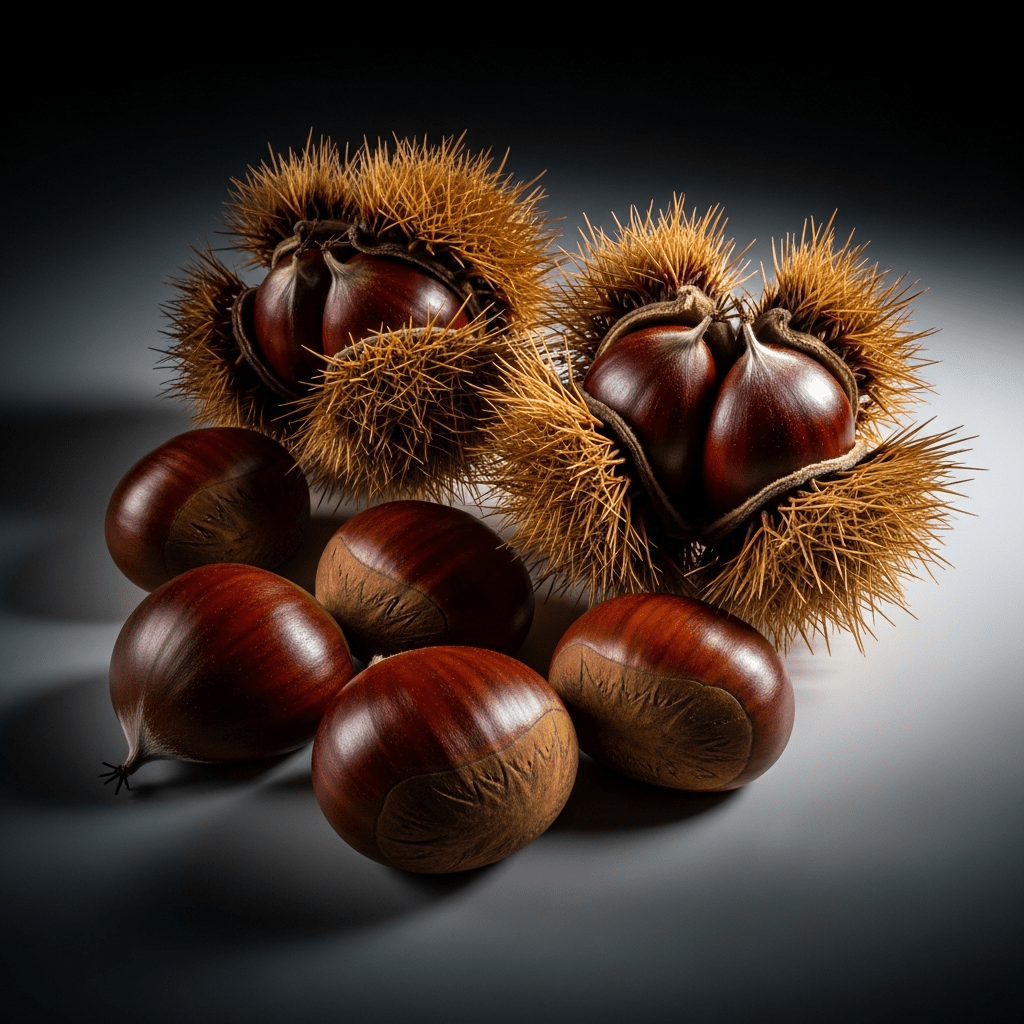
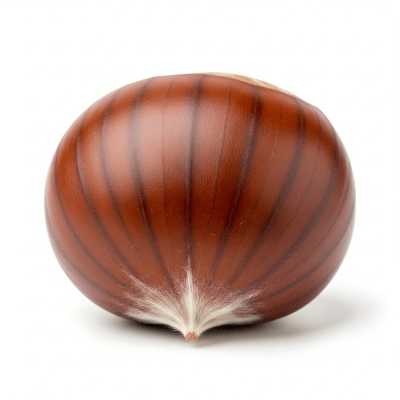
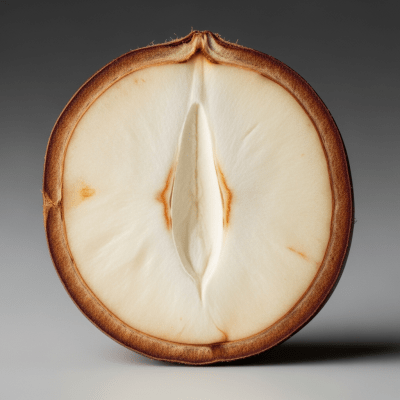
Chestnut trees are medium to large deciduous trees, growing 10 to 30 meters tall, with serrated, lance-shaped leaves. Their nuts are round to oval, 2 to 4 centimeters in diameter, encased in glossy brown shells within spiny husks called cupules. The nut’s interior is pale and starchy, offering a firm yet tender texture.
Chestnuts mature in autumn and are harvested for fresh consumption or processing. They are enjoyed roasted, boiled, or raw and are often ground into flour for breads and pastries. Their moderate drought tolerance and preference for well-drained acidic soils shape cultivation practices.
Bring this kind into your world illustrated posters, mugs, and shirts.
Archival print, museum-grade paper
Buy Poster
Stoneware mug, dishwasher safe
Buy Mug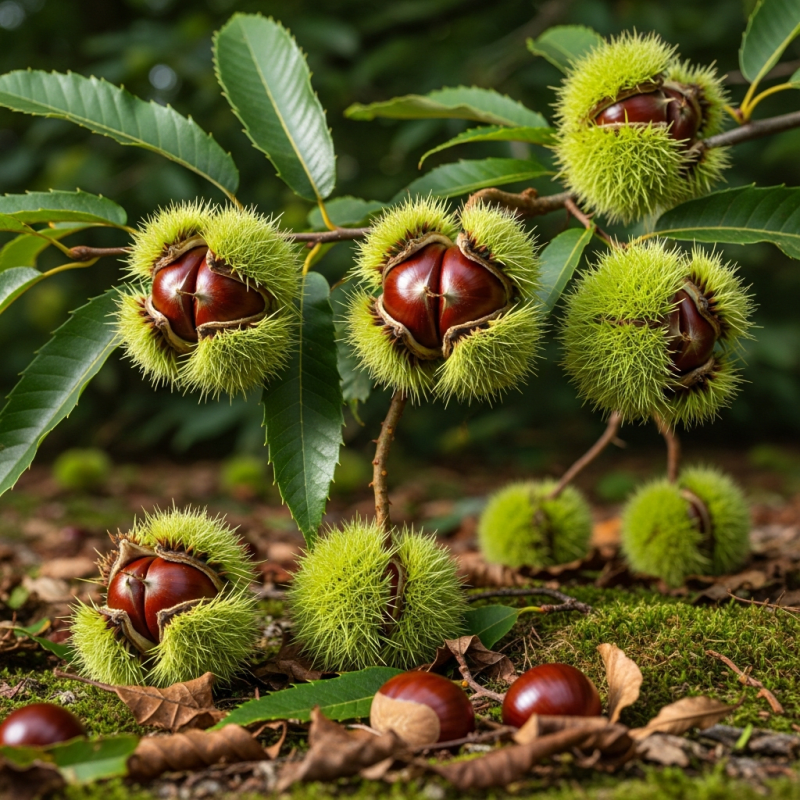
Soft cotton tee, unisex sizes
Buy ShirtChestnuts hold deep cultural roots across Europe, Asia, and North America, featuring in traditional festivals, folklore, and cuisine. In France, large single-nut varieties called "marrons" are celebrated, while in East Asia, chestnuts appear in seasonal dishes and symbolic art. They have historically served as a staple food and symbol of autumn harvest.
Scientific name: Castanea sativa (European chestnut). Chestnuts belong to the family Fagaceae and genus Castanea. They are deciduous trees with serrated lanceolate leaves and produce true nuts enclosed in spiny cupules. Flowering occurs in late spring to early summer, with nuts maturing in autumn.
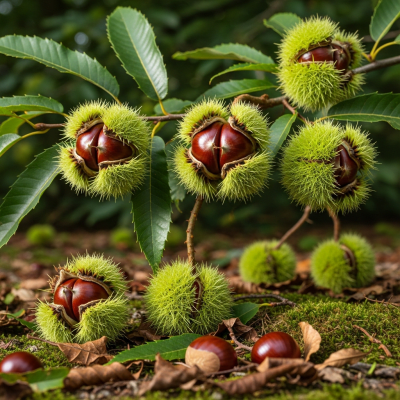
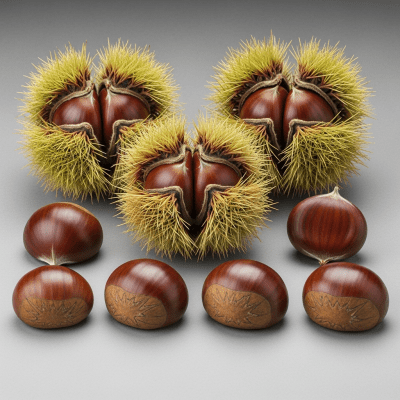
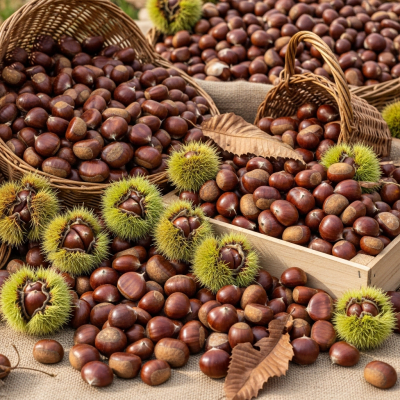
Chestnuts thrive in well-drained, acidic soils and moderate climates. Trees grow 10–30 meters tall and flower in late spring. Harvesting occurs in autumn when spiny husks open to release nuts. Due to high moisture, chestnuts require prompt curing and refrigeration or drying to extend shelf life and prevent mold.
Notable chestnut cultivars include the French ‘Marron de Lyon’, the American ‘Dunstan’, and the Chinese ‘Qing’. These varieties differ in nut size, flavor, and disease resistance, with many modern cultivars bred for blight resistance and improved yield.
Chestnuts are unique among nuts for their low fat and high starch content. They provide complex carbohydrates, dietary fiber, vitamin C, and minerals while being lower in calories and fat compared to other tree nuts, making them a nutritious energy source.
Chestnuts are generally considered less allergenic than most tree nuts and are not classified as major allergens in many regions. However, individuals with specific nut allergies should exercise caution.
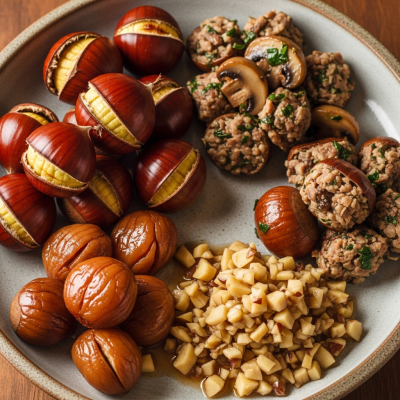
Chestnuts are versatile in the kitchen: eaten fresh, roasted, boiled, or raw; ground into gluten-free flour for breads, pastries, and pasta; candied as marrons glacés; and incorporated into stuffing, soups, and desserts across European, Asian, and American cuisines.
Chestnuts are marketed fresh, dried, canned, or processed, with major producers including China, Italy, Turkey, South Korea, and France. The market peaks seasonally in autumn and winter, supporting both fresh consumption and specialty processed products.
Chestnuts face threats from chestnut blight (Cryphonectria parasitica) and root rot, which have devastated wild populations, especially in North America. Mold is a common post-harvest issue. The Chinese chestnut (Castanea mollissima) exhibits notable resistance to blight, making it vital in breeding programs.