Cedar Nut
Cedar nuts are the edible seeds of the Siberian pine (Pinus sibirica), celebrated for their delicate flavor, high oil content, and cultural importance in northern Asia.
Cedar nuts are the edible seeds of the Siberian pine (Pinus sibirica), celebrated for their delicate flavor, high oil content, and cultural importance in northern Asia.
Originating from the vast forests of Siberia and northern Asia, cedar nuts are harvested from wild Pinus sibirica trees. The species was first described scientifically in 1833 by Carl Friedrich von Ledebour. Unlike many commercial nuts, cedar nuts have never undergone formal domestication or breeding; instead, they are gathered by hand from naturally occurring stands, continuing a tradition that stretches back generations in Russia, Mongolia, and Kazakhstan.
Cedar nuts belong to the Pinaceae family, within the genus Pinus, and specifically the species Pinus sibirica. Though commonly called "pine nuts," they are distinct from Mediterranean pine nuts, which come from other Pinus species. In culinary contexts, cedar nuts are grouped among edible nuts due to their similar uses and nutritional profile, even though botanically they are seeds of a conifer.
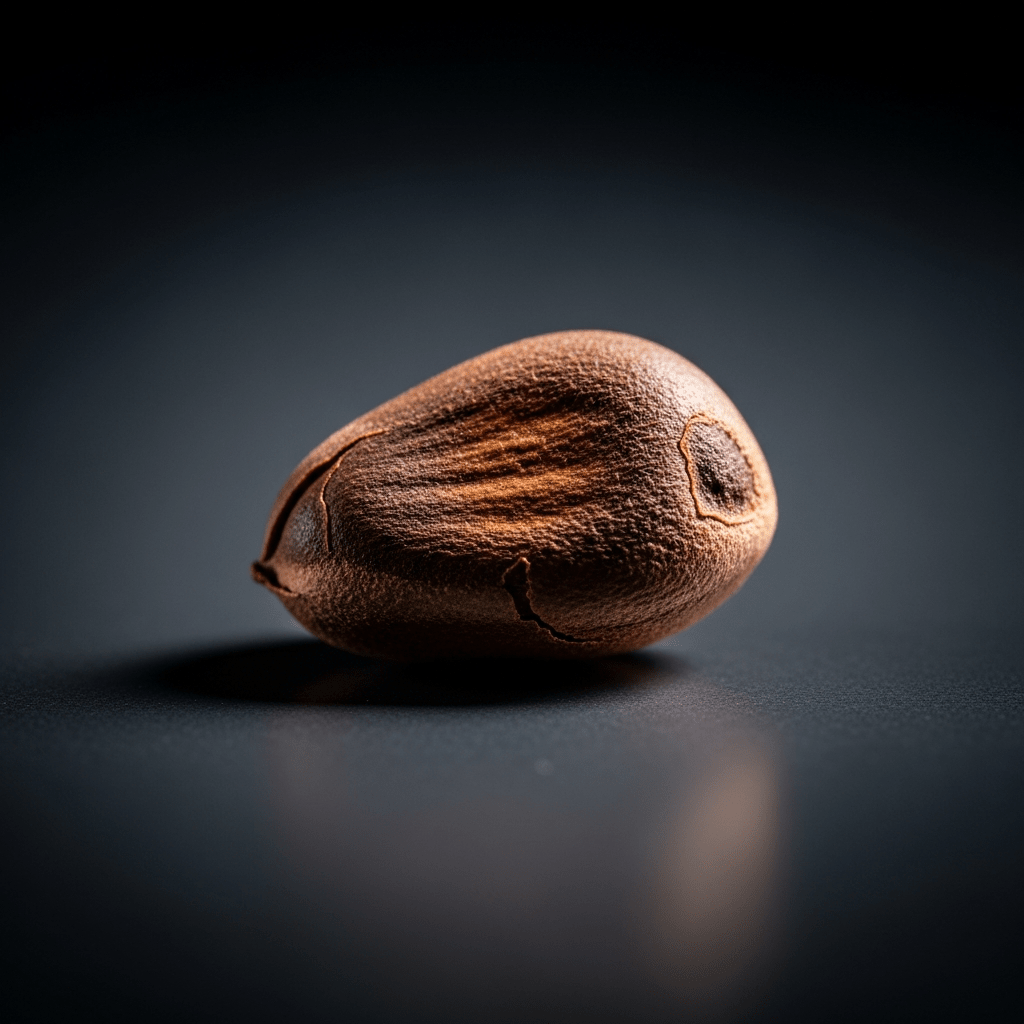
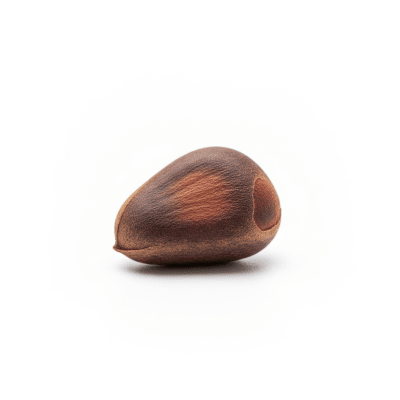
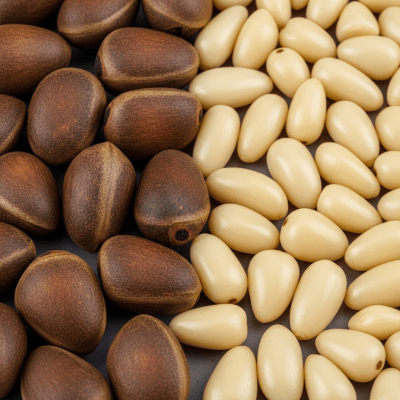
Cedar nuts are small, oval seeds, typically light brown and measuring 8–12 mm in length. They are encased within large, woody cones, each containing 80–120 seeds. The nuts have a smooth, firm texture and a mild, buttery aroma, making them visually and sensorially appealing both raw and roasted.
Harvested manually from wild Siberian pine trees, cedar nuts are enjoyed raw, roasted, or as a versatile ingredient in baked goods, salads, and traditional dishes like Siberian milk. Their high oil content makes them suitable for pressing into culinary and cosmetic oils. Cedar nuts are prized for their nutritional density and delicate flavor, and function as both a staple and a delicacy in regional diets.
Bring this kind into your world illustrated posters, mugs, and shirts.

Archival print, museum-grade paper
Buy Poster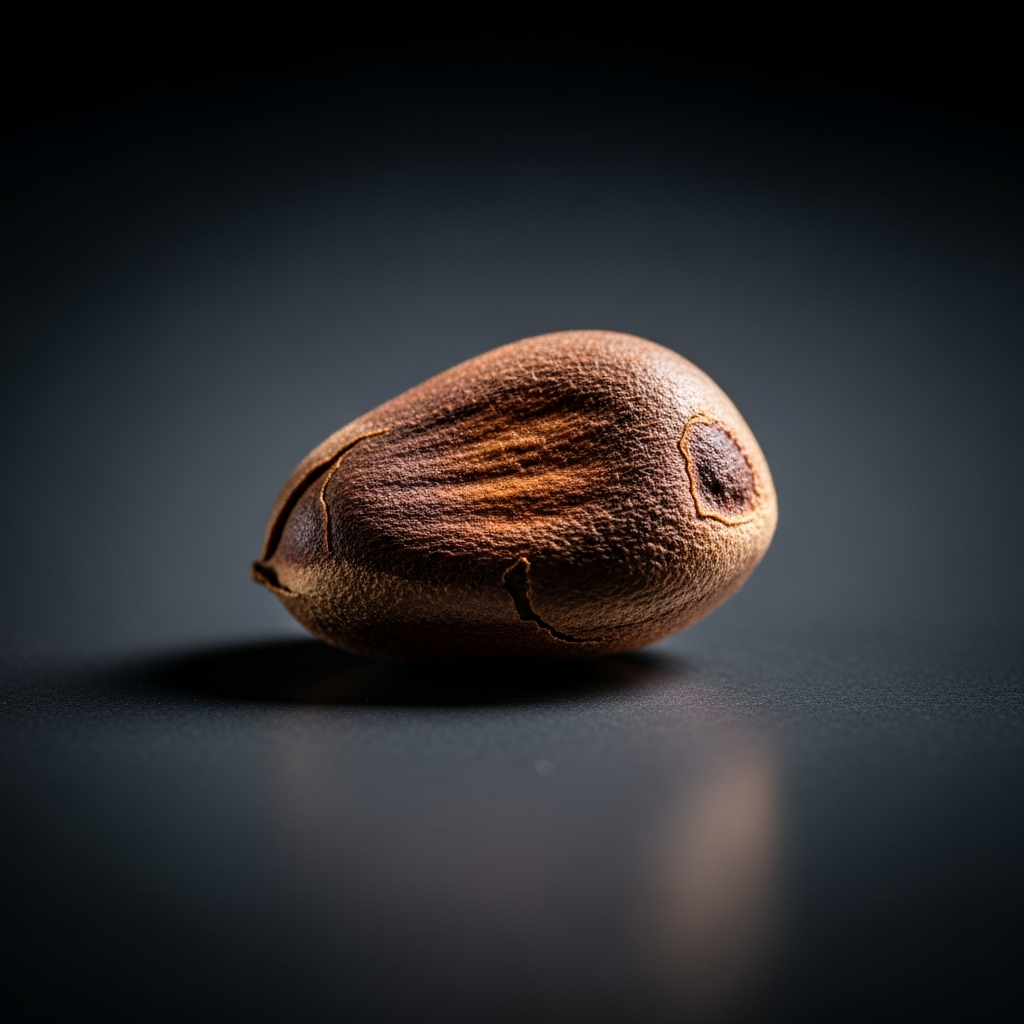
Stoneware mug, dishwasher safe
Buy Mug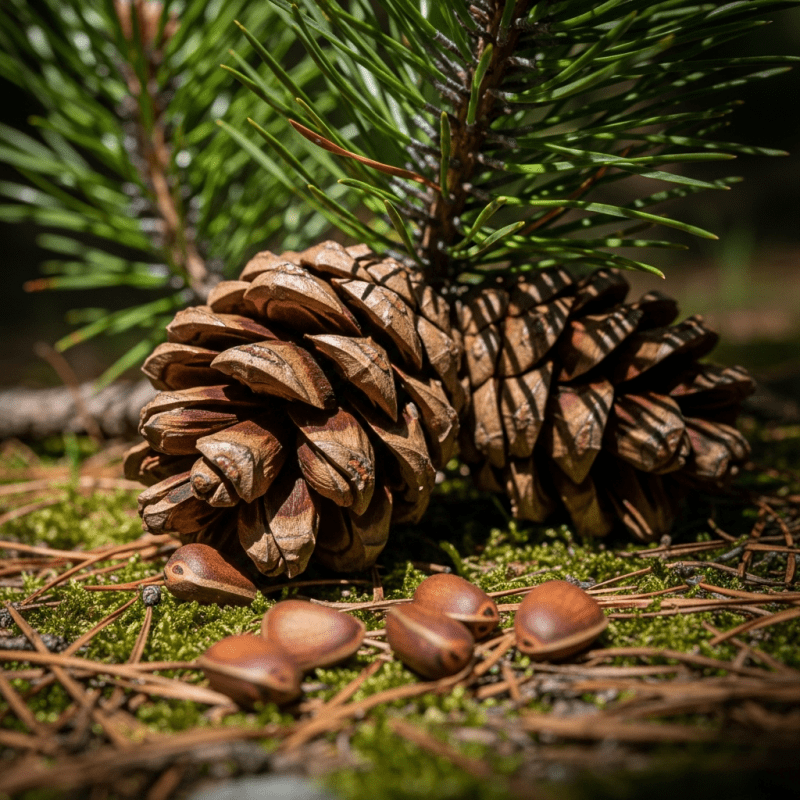
Soft cotton tee, unisex sizes
Buy ShirtCedar nuts hold a revered place in Russian and Siberian culture, symbolizing abundance and connection to the land. They feature in folk traditions, local cuisine, and even rituals, with "kedrovye orekhi" celebrated for their health benefits and as gifts. Their harvest and consumption are woven into the fabric of northern Asian life, reflecting both ecological respect and culinary heritage.
Scientific name: Pinus sibirica. Cedar nuts are seeds of a large evergreen conifer native to Siberia, reaching heights of 30–40 meters. The trees produce cones that mature over 18–24 months, each containing dozens of seeds. Their adaptation to cold climates and resistance to many pests make them a resilient forest species.
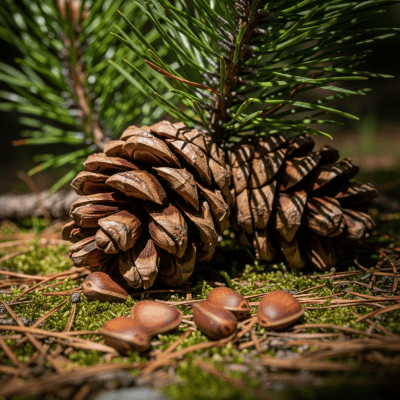

Cedar nuts are not cultivated in orchards but are gathered from wild Siberian pine forests. Harvesting is manual, involving the collection of mature cones, which are then dried and processed to extract the seeds. The slow-growing trees require cold climates, and cone production can vary with environmental conditions and forest management. Yields per tree can reach up to 12 kg in a good season.
There are no formally recognized cultivars or commercial varieties of cedar nuts. All nuts are sourced from wild Pinus sibirica populations, with minor regional differences in harvesting traditions and local names, such as "kedrovye orekhi" in Russia.
Cedar nuts are rich in healthy fats, with an oil content of up to 60%. They provide a dense source of energy, protein, and essential minerals, making them a nutritious addition to both traditional and modern diets. Their mild flavor and nutrient profile support heart health and overall well-being.
There is limited data on the allergen status of cedar nuts. While pine nuts can cause allergic reactions in sensitive individuals, cedar nuts are not widely regulated as a major allergen. Consumers with nut allergies should exercise caution and consult local guidelines.
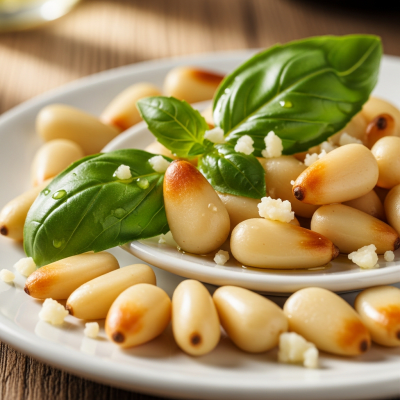
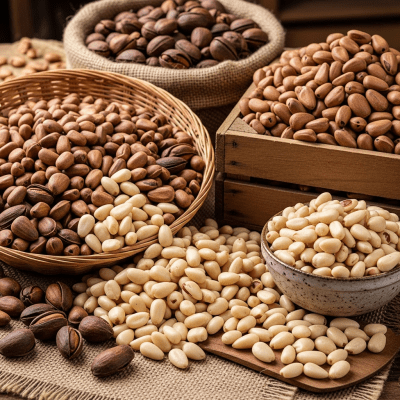
Cedar nuts are enjoyed raw or roasted, adding a mild, buttery flavor to salads, baked goods, and traditional dishes like Siberian milk and pesto. They are also pressed for oil, which is used in cooking and cosmetics. Market forms include shelled, unshelled, and oil.
Cedar nuts are primarily harvested and exported from Russia, with smaller quantities from Mongolia and Kazakhstan. They are sold in various forms—shelled, unshelled, and as oil—mainly as a delicacy or specialty ingredient. Global production volumes are modest compared to other nuts, reflecting their wild-harvested nature and regional significance.