Cashew
The cashew is the edible seed of the cashew tree, prized worldwide for its creamy texture and versatile culinary uses, and botanically classified as the seed of a drupe rather than a true nut.
The cashew is the edible seed of the cashew tree, prized worldwide for its creamy texture and versatile culinary uses, and botanically classified as the seed of a drupe rather than a true nut.
Originating in northeastern Brazil, the cashew tree (Anacardium occidentale) was first documented in the 16th century and later spread globally by Portuguese colonists to India, Mozambique, Southeast Asia, and Africa during the late 1500s and early 1600s. Its cultivation evolved through wild selection and local farming rather than formal breeding programs.
Cashew belongs to the family Anacardiaceae and the genus Anacardium, scientifically named Anacardium occidentale. Unlike true botanical nuts, cashews are seeds of a drupe, a fruit type characterized by a fleshy outer part and a hard inner shell.
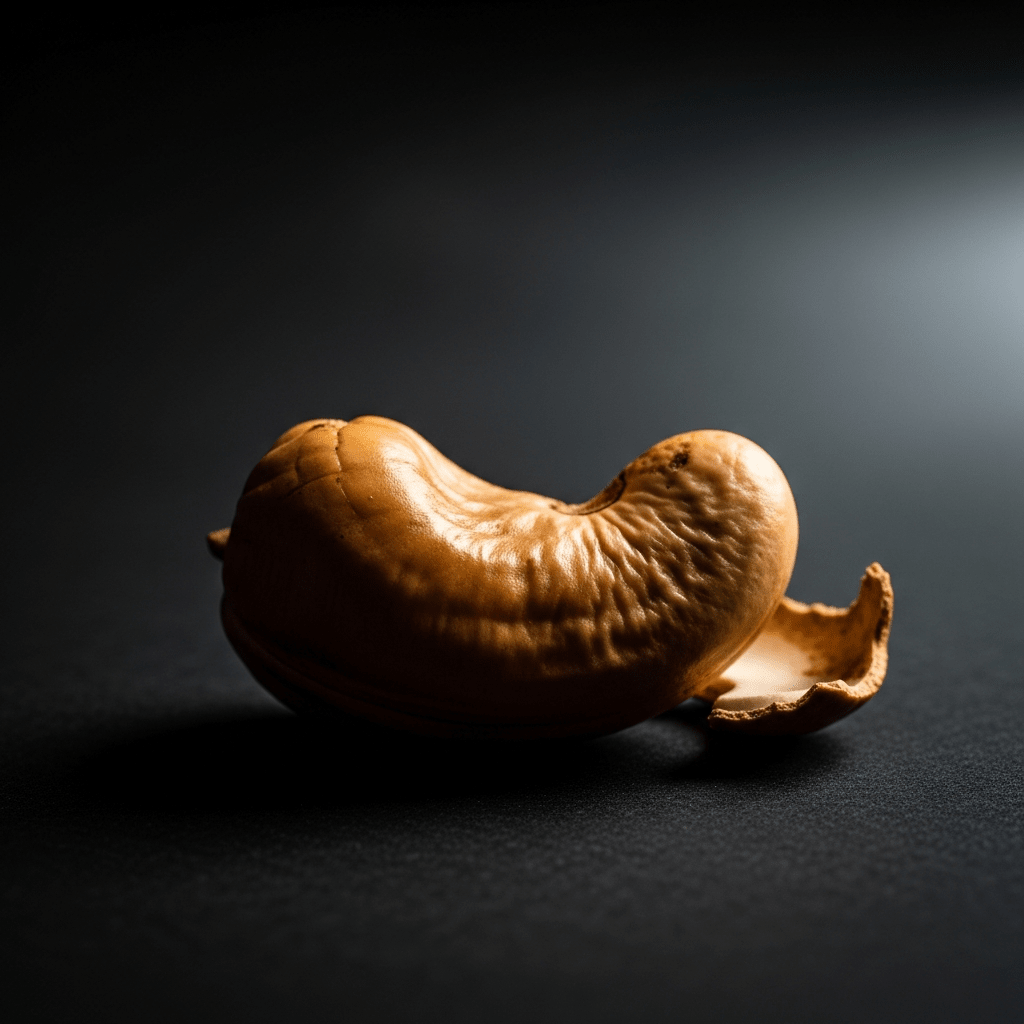
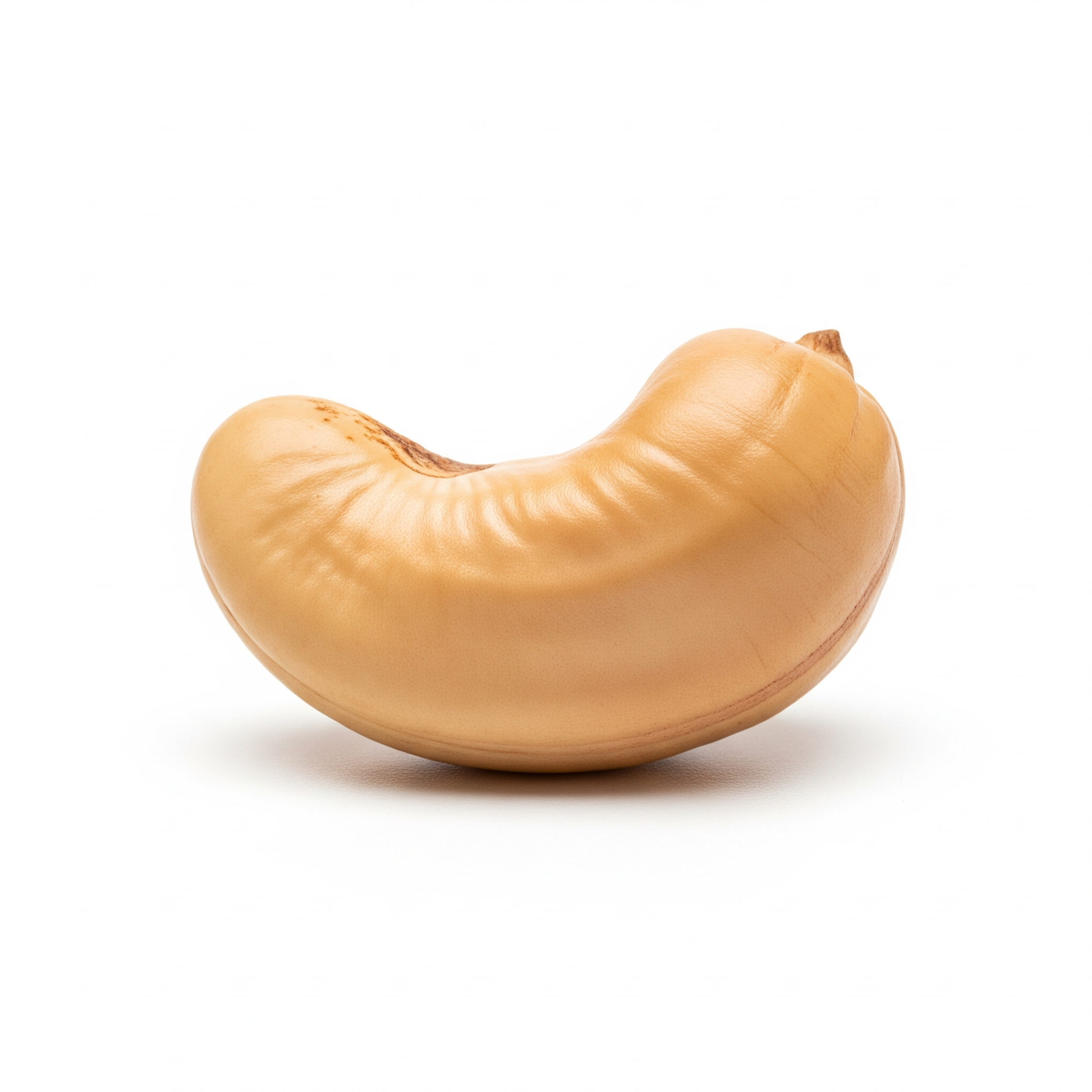
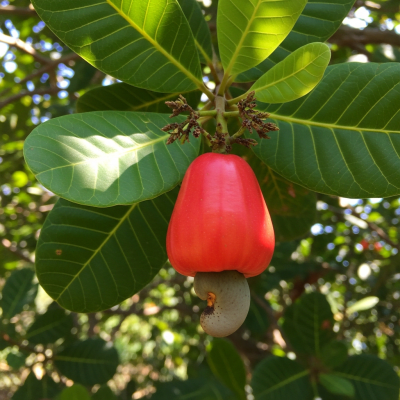
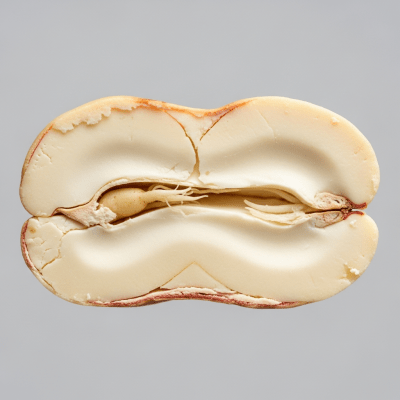
The cashew seed is kidney-shaped, measuring 2 to 3 centimeters in length, with a pale gray to brown color. It grows attached beneath the cashew apple, a swollen, fleshy pedicel. The seed is enclosed in a double shell containing caustic phenolic compounds, requiring careful processing to remove toxins.
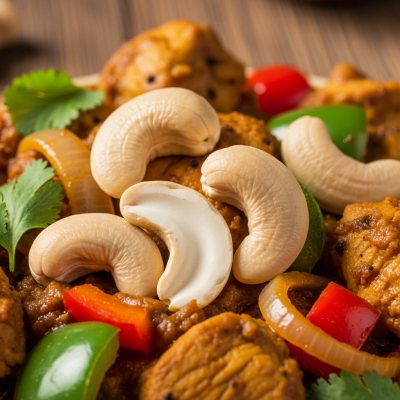
Cashew seeds serve as a popular snack and ingredient worldwide, consumed roasted, salted, or incorporated into confectionery, bakery, and savory dishes. The cashew apple is also eaten fresh, juiced, or fermented in some regions. Processing extends to producing cashew paste, butter, and milk alternatives, especially valued in vegan and lactose-free diets.
Bring this kind into your world illustrated posters, mugs, and shirts.
Archival print, museum-grade paper
Buy Poster
Stoneware mug, dishwasher safe
Buy Mug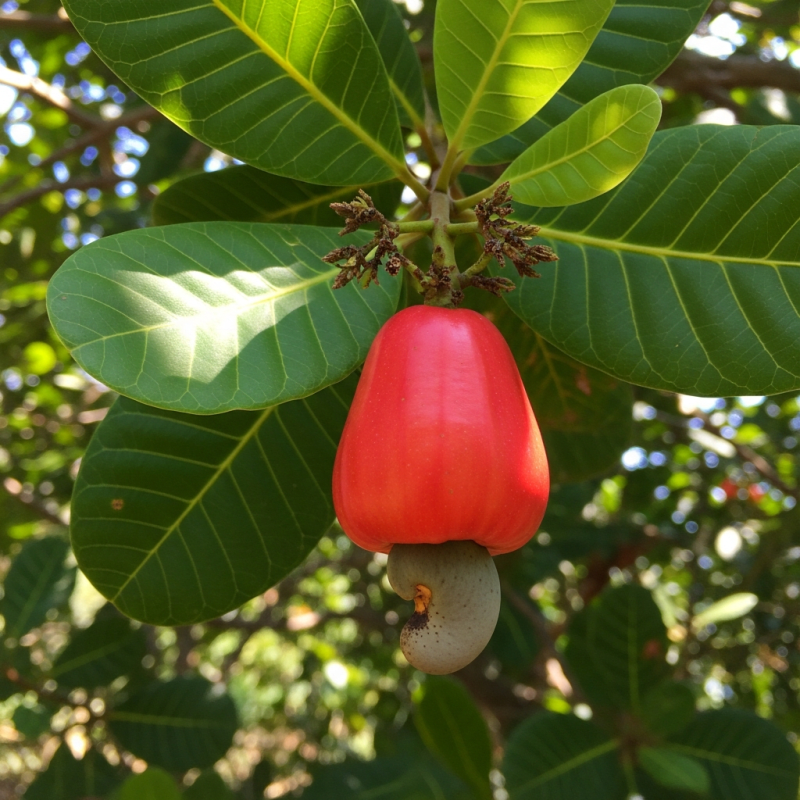
Soft cotton tee, unisex sizes
Buy ShirtCashews hold cultural importance in many tropical regions, featuring in local cuisines and traditional practices. Their introduction by Portuguese explorers facilitated global trade and agricultural integration, making them emblematic of colonial-era crop exchanges and modern food globalization.
Scientific name: Anacardium occidentale. The cashew tree is an evergreen reaching 6–12 meters tall, with broad, leathery leaves and distinctive inflorescences. Its fruit is a composite structure consisting of the swollen cashew apple and the attached kidney-shaped seed enclosed in a toxic double shell. It belongs to the family Anacardiaceae.

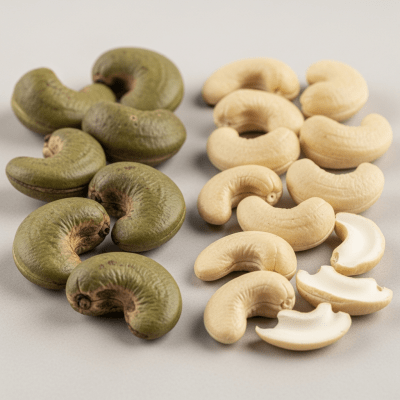
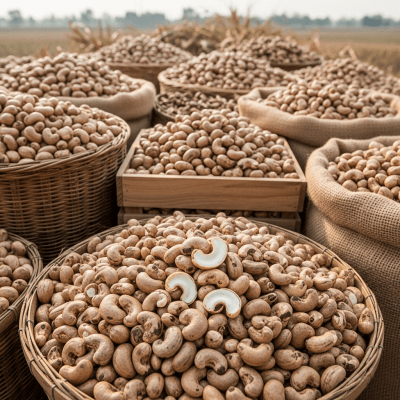
Cashew trees thrive in tropical climates with sandy, well-drained soils and show moderate drought tolerance. They are sensitive to frost and require manual harvesting. Processing involves careful shelling and roasting to remove toxic shell oils. Yields vary by cultivar and region, typically ranging from 800 to 1,500 kilograms of raw nuts per hectare annually.
While specific cultivars and breeding programs exist commercially, there is no universally standardized catalog of cashew varieties. Regional landraces and heritage types are cultivated, but detailed data on distinct cultivars remain limited.
Cashews are rich in healthy fats, proteins, vitamins, and minerals, making them a nutritious snack and ingredient. Their creamy texture and mild flavor contribute to their popularity in diverse culinary and health-conscious applications.
⚠️ Cashews are recognized as a major allergen. They can trigger allergic reactions ranging from mild to severe and are subject to food safety regulations and labeling requirements worldwide.
Cashews are widely used roasted or salted as snacks and incorporated into confectionery, bakery, and savory dishes. They are processed into pastes, butters, and milk alternatives, especially valued in vegan and lactose-free diets. The cashew apple is also consumed fresh, juiced, or fermented in some regions.
Cashews are a major global commodity with India, Vietnam, Nigeria, and Ivory Coast as leading producers. International grading and quality standards are maintained by organizations such as Codex Alimentarius and the International Nut and Dried Fruit Council, supporting a robust global trade network.
Cashew trees are moderately tolerant to drought and poor soils but are vulnerable to fungal diseases like anthracnose and insect pests such as Helopeltis species. They are sensitive to frost and require careful management to maintain healthy yields.