Breadnut
Breadnut is the edible seed of Brosimum alicastrum, a tropical tree native to Central America and the Caribbean, prized for its nutritional value and historical role as a staple food.
Breadnut is the edible seed of Brosimum alicastrum, a tropical tree native to Central America and the Caribbean, prized for its nutritional value and historical role as a staple food.
Originating in the lush lowland forests of southern Mexico, Guatemala, Belize, Honduras, and parts of the Caribbean, breadnut has been a vital food source for indigenous peoples for centuries. The tree grows wild and semi-domesticated, with its seeds harvested through traditional agroforestry practices. Although its formal discovery date is unrecorded, breadnut's lineage is direct from wild populations, and it has never undergone commercial breeding or formal cultivar development.
While breadnut is commonly called a "nut," it is botanically the seed of Brosimum alicastrum, a member of the Moraceae family. Unlike true nuts, its seeds are encased within a fleshy fruit, making it a nut-like seed in culinary and commercial contexts. Breadnut is grouped with other edible nuts for its similar uses and nutritional profile, though it stands apart from botanical nuts like chestnuts or hazelnuts.
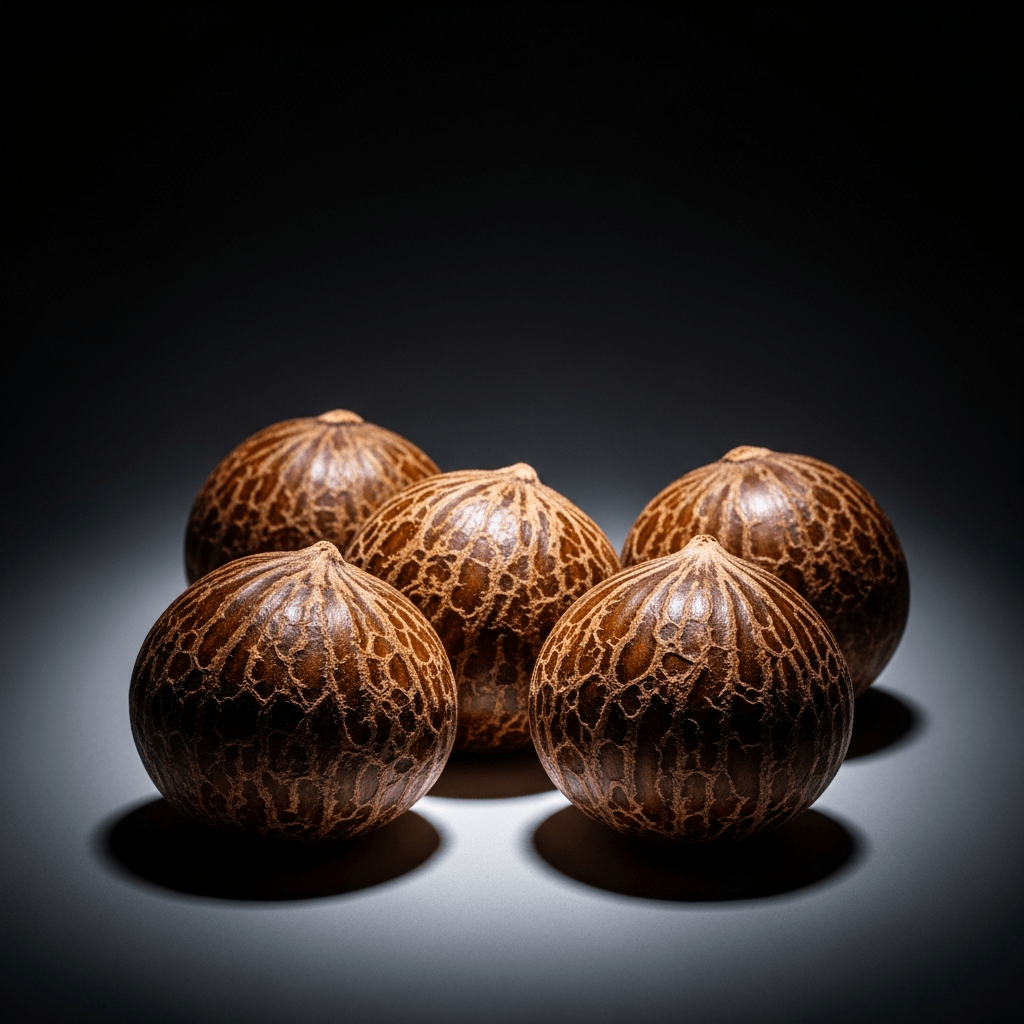
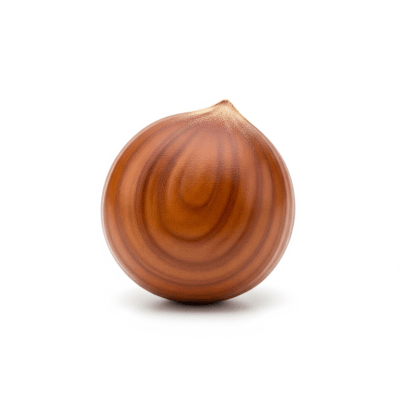
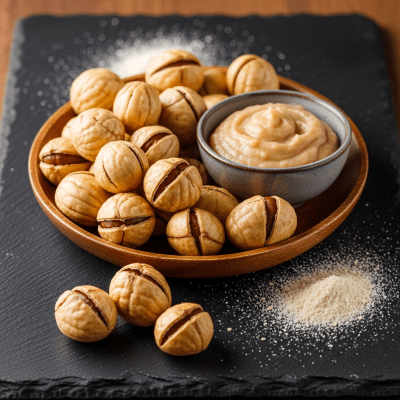
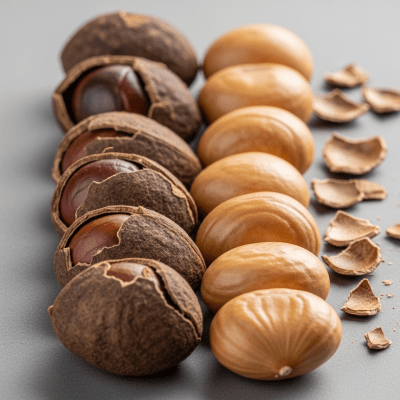
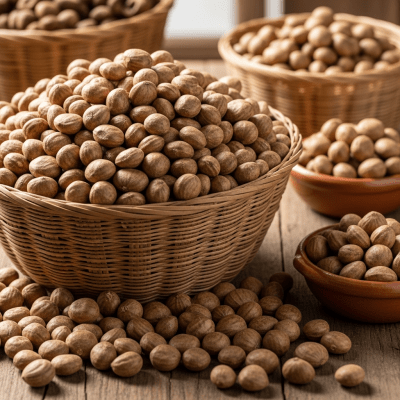
Breadnut seeds are oval to round, measuring 2–4 cm in diameter, with a hard brown shell reminiscent of chestnuts. They are found inside a fleshy fruit produced by a towering evergreen tree, which can reach heights of up to 35 meters. The seeds have a firm texture and, when roasted or boiled, offer a mild, earthy flavor.
Breadnut seeds are versatile in the kitchen: boiled, roasted, ground into flour, or consumed whole. They serve as a staple during food scarcity and are valued for their ability to store well for several months when kept dry. The tree itself contributes to agroforestry systems, providing shade and improving soil quality, while its drought tolerance makes it reliable in tropical climates.
Bring this kind into your world illustrated posters, mugs, and shirts.

Archival print, museum-grade paper
Buy Poster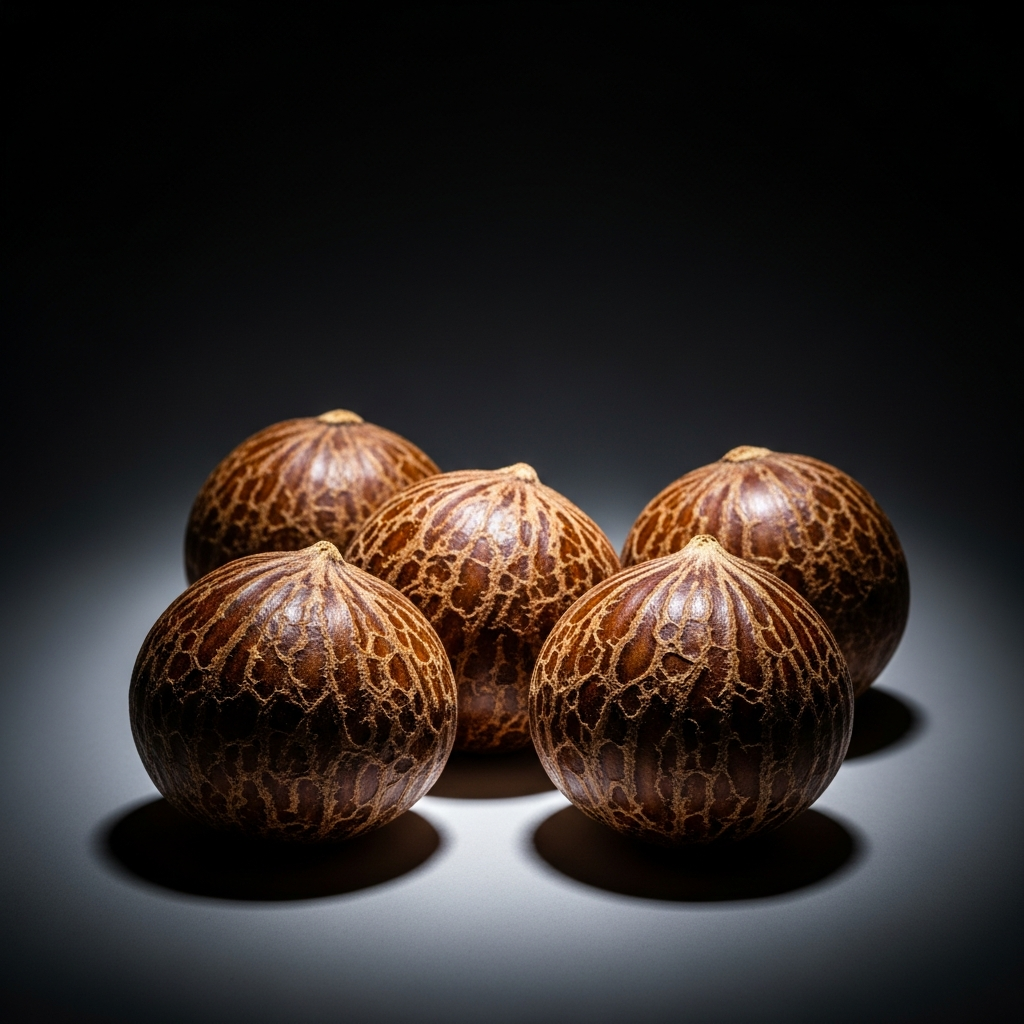
Stoneware mug, dishwasher safe
Buy Mug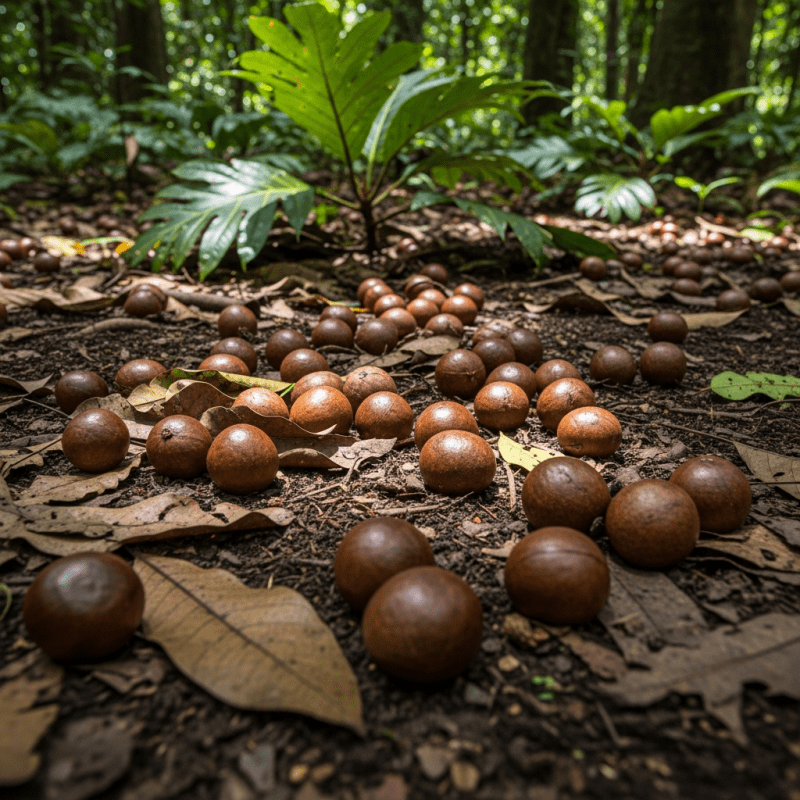
Soft cotton tee, unisex sizes
Buy ShirtBreadnut, also known as Maya nut or ramón, holds deep cultural roots in Central America and the Caribbean. It was a staple food for ancient Maya civilizations and continues to be celebrated in regional cuisines and traditions. Breadnut flour is sometimes used in rituals and as a symbol of resilience during times of scarcity, reflecting its enduring importance in local heritage.
Scientific name: Brosimum alicastrum Sw.
Family: Moraceae
Key traits: Large, evergreen tree; drought-tolerant; produces fleshy fruits containing hard-shelled seeds. No formal cultivars exist, and most trees are wild or semi-domesticated.


Breadnut trees are grown primarily in tropical lowland forests, often as part of agroforestry systems. They require minimal care, thriving in well-drained soils and tolerating drought. Seeds are harvested from wild or semi-domesticated trees, typically by hand when fruits ripen. Mature trees can yield several kilograms of seeds annually, with harvest practices rooted in traditional knowledge rather than commercial agriculture.
No formally recognized breadnut cultivars exist. Regional variants may differ slightly in seed size and flavor, but all are direct descendants of wild populations. Local names such as ramón, ojoche, or capomo reflect these subtle differences across Central America and the Caribbean.
Breadnut seeds are rich in carbohydrates, provide moderate protein, and are low in fat. They supply essential nutrients and energy, making them a valuable staple during periods of scarcity. The flour is gluten-free, offering an alternative for those with wheat sensitivities.
Breadnut is not regulated as a major allergen in most regions. While allergic reactions are rare, individuals with severe nut or seed allergies should exercise caution and consult a healthcare provider before trying breadnut products.
Breadnut seeds are boiled, roasted, or ground into flour for use in porridge, breads, and baked goods. The flour serves as a gluten-free alternative, and whole seeds can be eaten as a snack or added to stews. In rural communities, breadnut is also used in animal feed and as a famine food.
Breadnut is primarily sold in local markets throughout Central America and the Caribbean. It is a minor crop with limited commercial production and is rarely exported. Most breadnut products are consumed locally, with occasional use of flour in specialty gluten-free baking.
Breadnut trees are resistant to many tropical pests and diseases, contributing to their suitability for sustainable agroforestry. However, they are susceptible to fungal rot in overly humid or poorly drained soils. Drought tolerance is a notable strength, allowing the species to thrive in challenging environments.