
Brazil Nut
The Brazil nut is the large, edible seed of Bertholletia excelsa, prized for its rich flavor, high selenium content, and unique ecological origins in the Amazon rainforest.
The Brazil nut is the large, edible seed of Bertholletia excelsa, prized for its rich flavor, high selenium content, and unique ecological origins in the Amazon rainforest.
Native to the vast Amazon basin, the Brazil nut has its roots in the rainforests of Brazil, Bolivia, and Peru. First described scientifically in 1775, this nut is exclusively wild-harvested, as its trees require pristine rainforest conditions and specialized pollinators to thrive. Unlike most commercial nuts, Brazil nuts have never been domesticated or bred into cultivars; every nut on the market comes from wild populations, making their journey from forest to table a testament to the delicate balance of their natural ecosystem.
Botanically, the Brazil nut belongs to the family Lecythidaceae, genus Bertholletia, species excelsa. While often grouped with tree nuts in culinary and commercial contexts, it stands apart as a true seed from a woody capsule, not a typical botanical nut. Its classification reflects both scientific rigor and its prominent place among edible nuts traded worldwide.
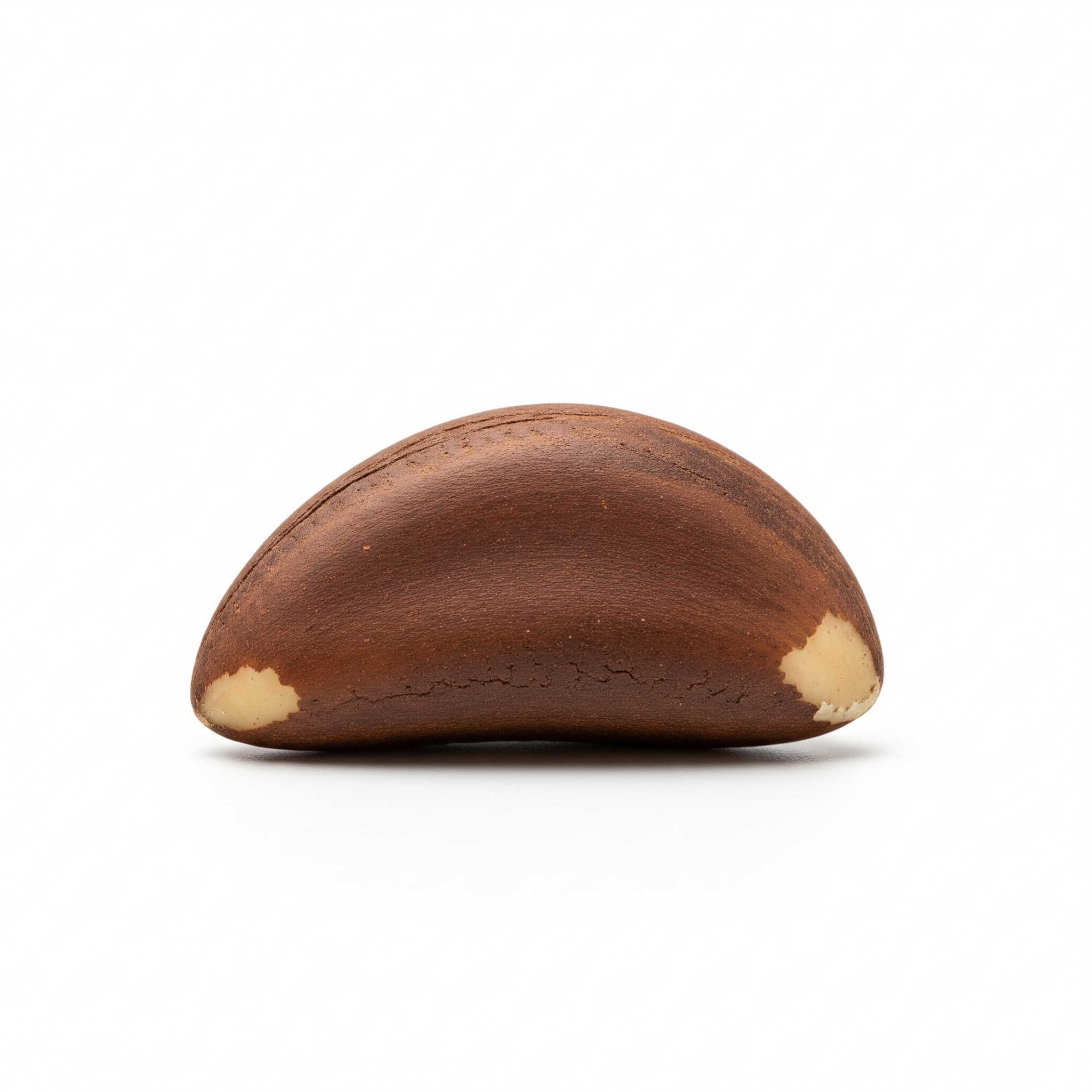
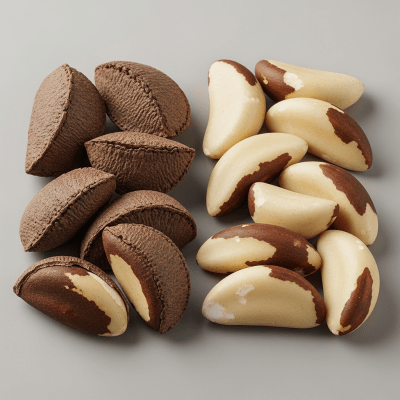
Brazil nuts are large, angular seeds measuring 3–5 cm, encased in a thick, brown shell. Each nut is housed within a massive, woody fruit capsule that resembles a coconut and can weigh up to 2 kg. The edible seed inside is creamy, pale, and firm, with a smooth texture and a mild, buttery aroma. Their distinctive triangular shape and tough shell make them instantly recognizable among mixed nuts.
Brazil nuts are enjoyed raw, roasted, or as ingredients in confections, baked goods, and snack mixes. Their high oil content makes them suitable for culinary oil extraction and even cosmetic applications. In the wild, agouti rodents play a crucial role in dispersing seeds, while large-bodied bees are essential for pollination. For humans, Brazil nuts are valued both as a food and a source of dietary selenium.
Bring this kind into your world illustrated posters, mugs, and shirts.
Archival print, museum-grade paper
Buy Poster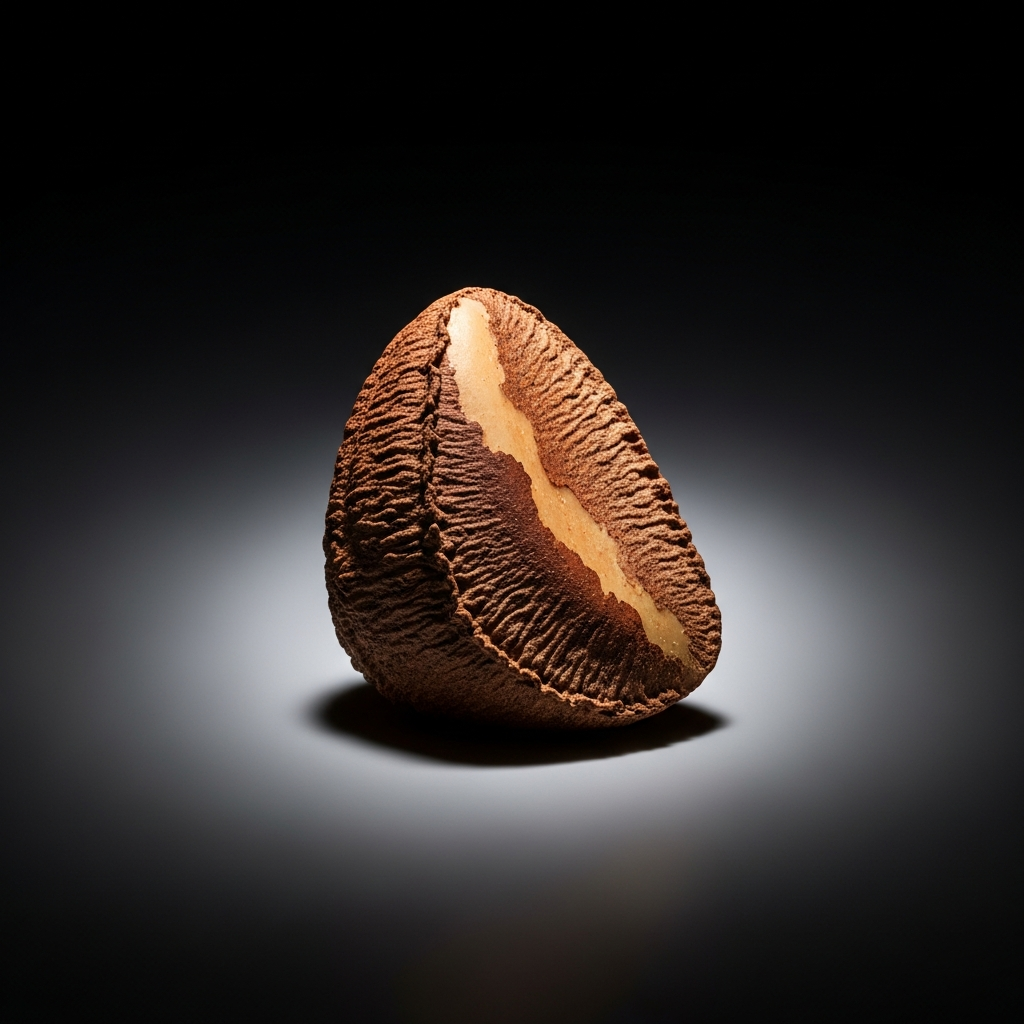
Stoneware mug, dishwasher safe
Buy Mug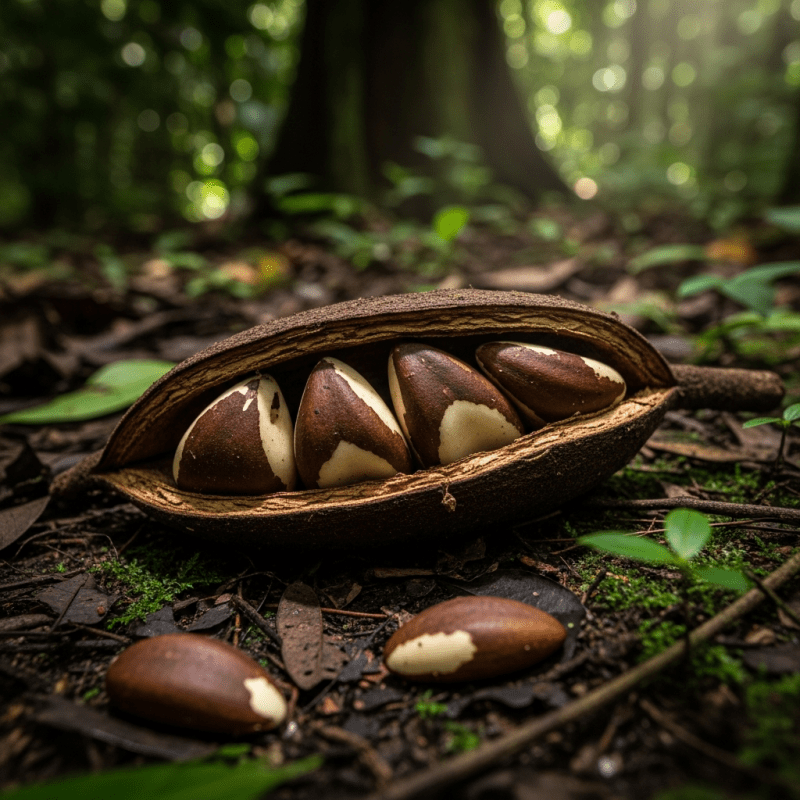
Soft cotton tee, unisex sizes
Buy ShirtBrazil nuts hold cultural importance throughout South America, where they are known as "castanha-do-pará" in Brazil and "almendra" in Bolivia. They feature in local diets, traditional celebrations, and folklore, symbolizing the bounty of the rainforest. Globally, their reputation as a "superfood" rich in selenium has elevated their status in health-conscious circles and culinary traditions alike.
Scientific name: Bertholletia excelsa
Family: Lecythidaceae
Key traits: Towering rainforest tree (30–50 m), woody fruit capsule, 12–24 large seeds per fruit, lifespan exceeding 500 years, dependent on specific pollinators and seed dispersers.
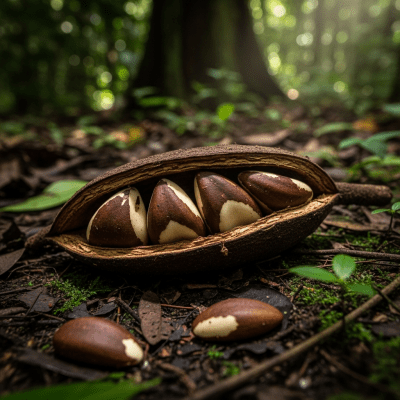

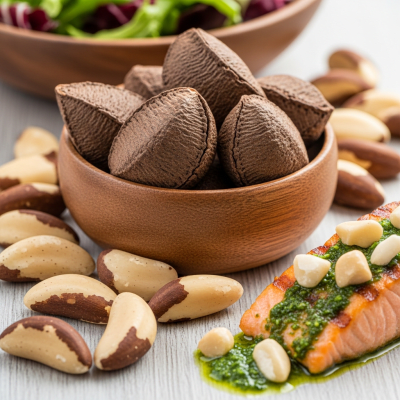
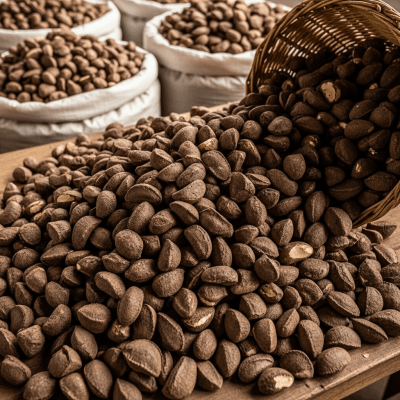
Brazil nuts are not cultivated in plantations; instead, they are wild-harvested from mature trees in undisturbed Amazonian forests. Harvesters collect the heavy fruit capsules from the forest floor, extract the seeds, and dry them carefully to prevent mold and aflatoxin contamination. The trees rely on intact rainforest ecosystems and specialized pollinators, making sustainable harvesting and forest conservation essential for continued production.
There are no recognized commercial varieties or cultivars of Brazil nuts. All nuts available on the market are sourced from wild populations, reflecting the species' dependence on natural rainforest conditions and the absence of formal breeding programs.
Brazil nuts are renowned for their exceptionally high selenium content, averaging 1,917 μg per 100g. They are also rich in healthy fats (about 66% by weight), protein, magnesium, and other micronutrients. Regular consumption supports antioxidant activity, immune function, and heart health, but moderation is advised due to the potency of selenium.
Brazil nuts are classified as major allergens and are subject to strict regulatory labeling in many countries. Individuals with tree nut allergies should avoid them, and food safety authorities monitor imports for aflatoxin contamination to protect consumer health.
Brazil nuts are a major export commodity for Bolivia, Brazil, and Peru, with Bolivia currently leading global exports. They are sold both shelled and unshelled, often appearing in mixed nut assortments. International trade is tightly regulated, especially regarding aflatoxin limits and food safety standards.