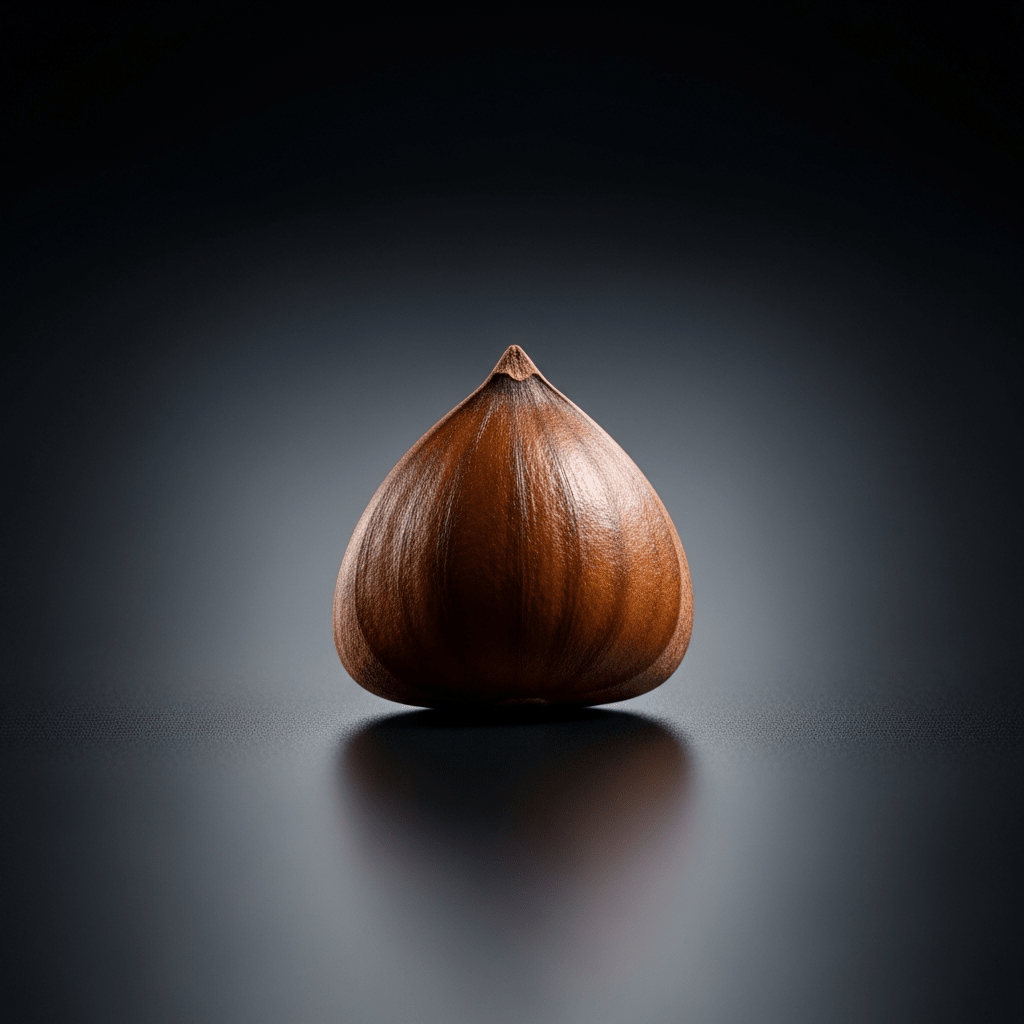
Beech Nut
Beech nuts are the edible, triangular seeds of beech trees (genus Fagus), valued for their distinctive flavor and status as true botanical nuts.
Beech nuts are the edible, triangular seeds of beech trees (genus Fagus), valued for their distinctive flavor and status as true botanical nuts.
Beech nuts originate from wild populations of beech trees, particularly Fagus sylvatica (European beech), native to temperate regions across Europe. First described scientifically by Carl Linnaeus in 1753, beech trees have thrived from southern Sweden to Sicily and from western France to Russia. Unlike many commercial nuts, beech nuts have never been domesticated or bred for agriculture; their lineage remains direct from the wild, with nut harvests dependent on natural mast cycles and forest conditions.
Beech nuts are classified as true nuts in the botanical sense, produced by trees in the family Fagaceae, genus Fagus. This distinguishes them from many culinary nuts, which are often seeds or drupes. The most commonly consumed species is Fagus sylvatica, though Fagus grandifolia (American beech) also yields edible nuts. Unlike almonds or peanuts, beech nuts fit both botanical and culinary definitions of a nut.
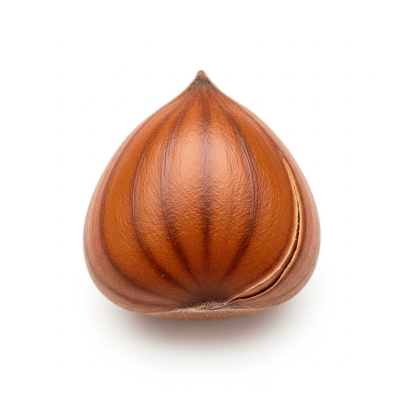
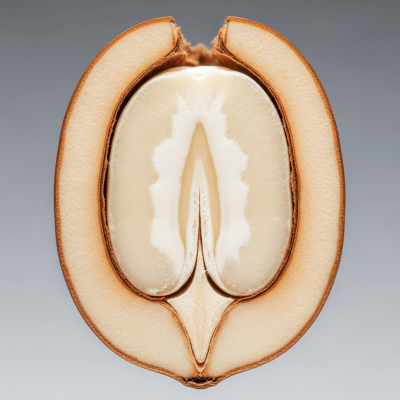
Beech nuts are small—typically 1–2 cm long—and distinctly triangular, enclosed within a spiny, woody husk called a cupule. When ripe, the cupule splits open to reveal the glossy brown shell of the nut, which houses a pale, oily kernel. Their texture is firm and crisp, and the flavor is mildly astringent with subtle sweetness, especially after roasting.
Beech nuts are foraged rather than farmed, maturing in autumn and often consumed by wildlife such as birds and rodents. For humans, they are eaten raw or roasted, though roasting is preferred to neutralize mild toxins and enhance flavor. Historically, beech nuts served as a fallback food during scarcity and were pressed for their oil, which is rich in fat and was once used for cooking and lamp fuel. Today, their use is mostly limited to specialty foods, baking, and occasional garnishes.
Bring this kind into your world illustrated posters, mugs, and shirts.
Archival print, museum-grade paper
Buy Poster
Stoneware mug, dishwasher safe
Buy Mug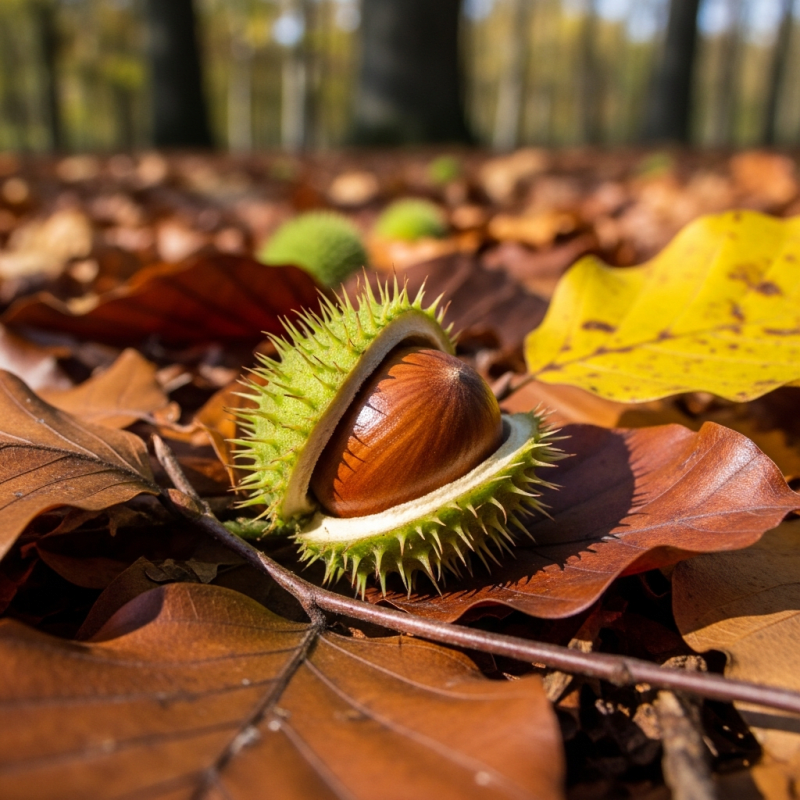
Soft cotton tee, unisex sizes
Buy ShirtBeech nuts have played a modest but notable role in European folklore and rural traditions, often associated with forest abundance and wildlife sustenance. The term "mast"—referring to the nut crop—has deep roots in forestry and hunting cultures, symbolizing cycles of plenty for both people and animals. While not central to modern cuisine, beech nuts evoke heritage foodways and are sometimes featured in regional festivals or specialty dishes.
Scientific Name: Fagus sylvatica (European beech)
Family: Fagaceae
Genus: Fagus
Key Traits: Deciduous tree, smooth gray bark, broad ovate leaves, nuts enclosed in spiny cupules, autumn maturation. Nuts are small, hard-shelled, and triangular, with a high oil content.
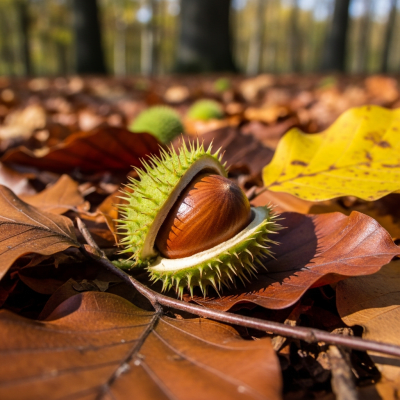
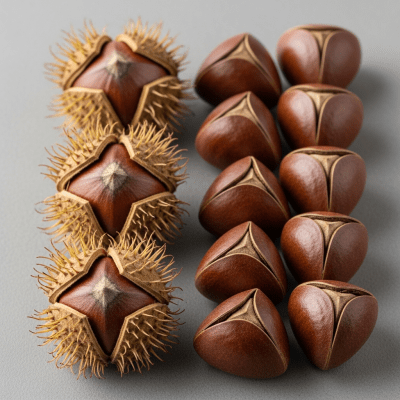

Beech nuts are not cultivated in orchards but gathered from wild beech trees in forests and woodlands. Harvest occurs in autumn, typically September to October, when mature cupules split open and nuts fall to the ground. Yields vary greatly depending on tree age, weather, and mast cycles. Collection is manual, and nuts must be dried or consumed quickly due to their tendency to spoil. No specialized farming or breeding practices exist for beech nut production.
There are no recognized commercial or heritage varieties of beech nuts. All edible nuts come from wild populations of Fagus sylvatica (European beech) or Fagus grandifolia (American beech), with minor regional differences in nut size and flavor. No cultivars have been developed for nut production.
Beech nuts are rich in fat, with oil content reaching up to 40%. They provide energy and contain moderate amounts of protein and carbohydrates, though detailed nutritional profiles are limited due to their rarity in commercial markets. Historically, their oil was valued for both culinary and non-food uses.
Allergen status for beech nuts is not well documented, and they are not classified as a major allergen under most regulatory frameworks. Individuals with tree nut allergies should exercise caution, as cross-reactivity is possible.
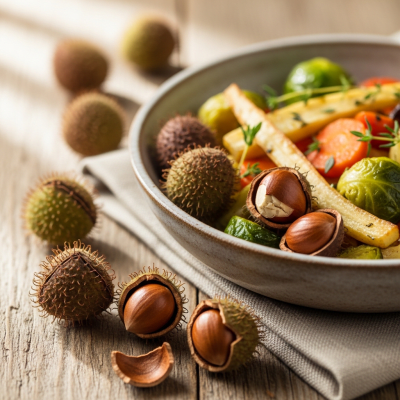
Beech nuts can be eaten raw in small quantities, but are best roasted to improve flavor and safety. They are sometimes used in baking, confectionery, or as a garnish in specialty dishes. Historically, beech nut oil was extracted for cooking and lamp fuel. Today, culinary uses are mostly limited to foraged or heritage recipes.
Beech nuts have minimal presence in global trade and are rarely found in commercial markets. They are primarily foraged in European and North American forests, with no major producer countries or commercial supply chains. Their market value is minor compared to other nuts, and they are mostly used locally or in specialty foods.
Beech nuts are highly susceptible to predation by wildlife, especially birds and rodents. Beech trees can suffer from fungal diseases that affect nut production. No notable resistances or agronomic improvements are documented, and environmental factors such as drought or poor mast years can severely limit yields.