Almond
The almond is a highly prized edible seed of the Prunus dulcis tree, celebrated worldwide for its nutritional richness, culinary versatility, and economic importance.
The almond is a highly prized edible seed of the Prunus dulcis tree, celebrated worldwide for its nutritional richness, culinary versatility, and economic importance.
Almonds trace their origins to the landscapes of Western Asia and the Middle East, where cultivation began at least as early as 3000 BCE. Over millennia, the almond spread across continents, becoming a staple in Mediterranean diets and beyond. Modern commercial production is dominated by California, whose industry was shaped by breeding programs at institutions like the University of California, Davis. The journey from ancient wild groves to today’s global commodity reflects centuries of selection for flavor, yield, and resilience.
Botanically, the almond is not a true nut but the edible seed of a drupe—the fruit of Prunus dulcis, in the Rosaceae family. Its closest relatives include peaches and cherries. In culinary and commercial contexts, almonds are classified as tree nuts due to their similar uses and nutritional profiles, even though their structure differs from botanical nuts like hazelnuts or acorns.
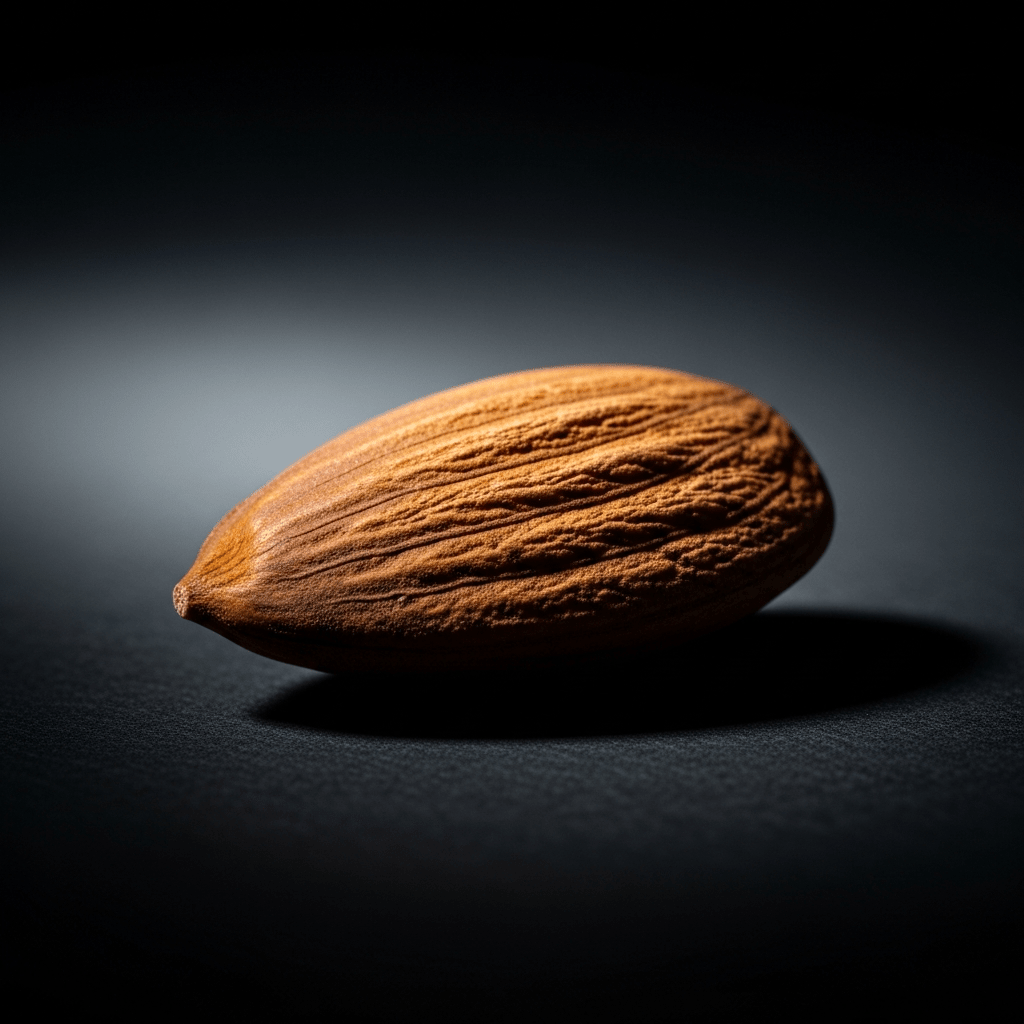
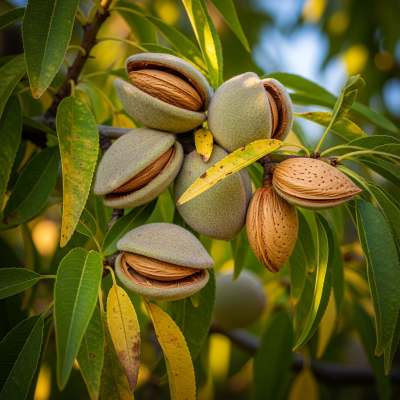
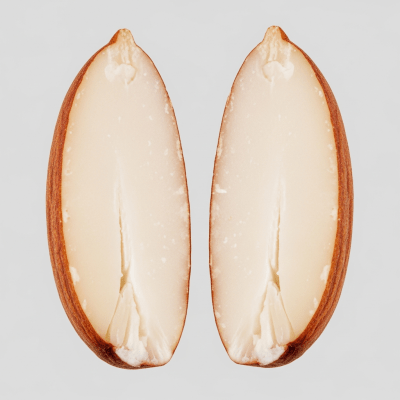
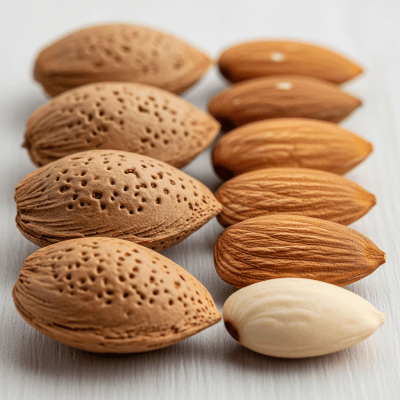
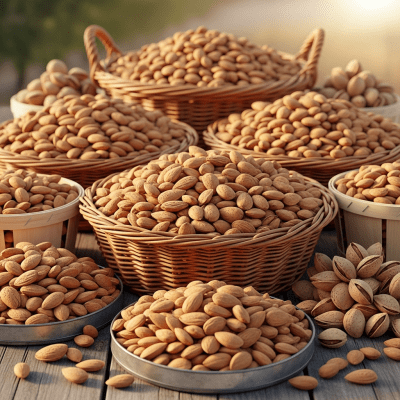
Almonds are small, oval seeds with a smooth, tan skin and a firm, creamy texture. The nut is encased within a hard, woody shell, itself protected by a green, leathery outer hull. When shelled, almonds reveal a pale, off-white interior. The trees themselves are medium-sized and deciduous, with lance-shaped leaves and delicate pink to white blossoms that herald the arrival of spring.
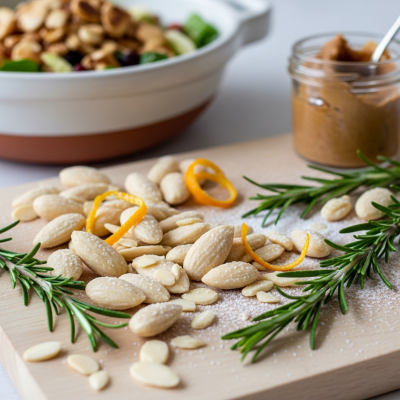
Almonds are valued for their adaptability in the kitchen and beyond. They can be enjoyed raw, roasted, or blanched, and are processed into flour, milk, oil, and marzipan. Their mild, nutty flavor and satisfying crunch make them a favorite in baked goods, savory dishes, and traditional sweets. Beyond food, almond oil is prized in cosmetics and pharmaceuticals for its emollient properties.
Bring this kind into your world illustrated posters, mugs, and shirts.
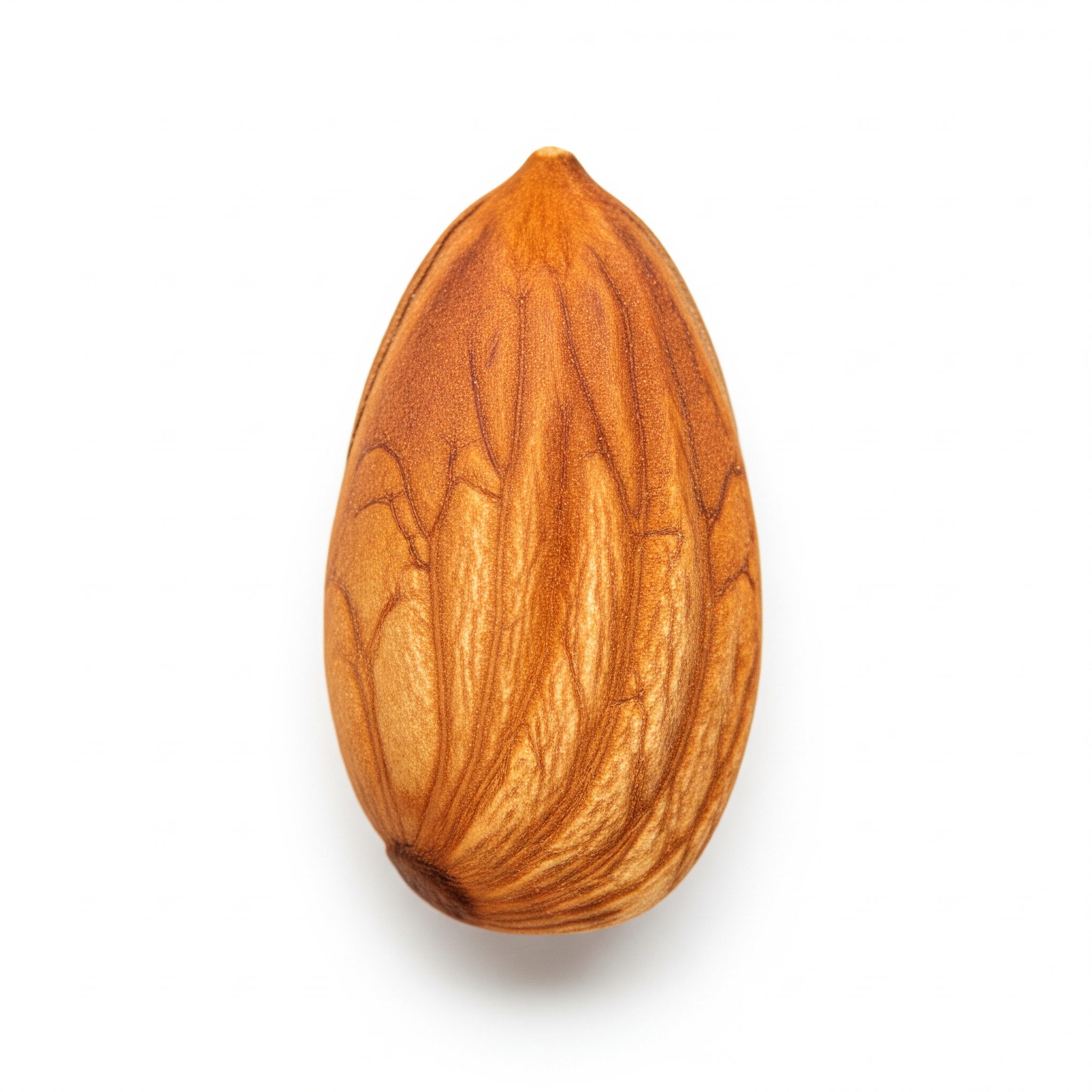
Archival print, museum-grade paper
Buy Poster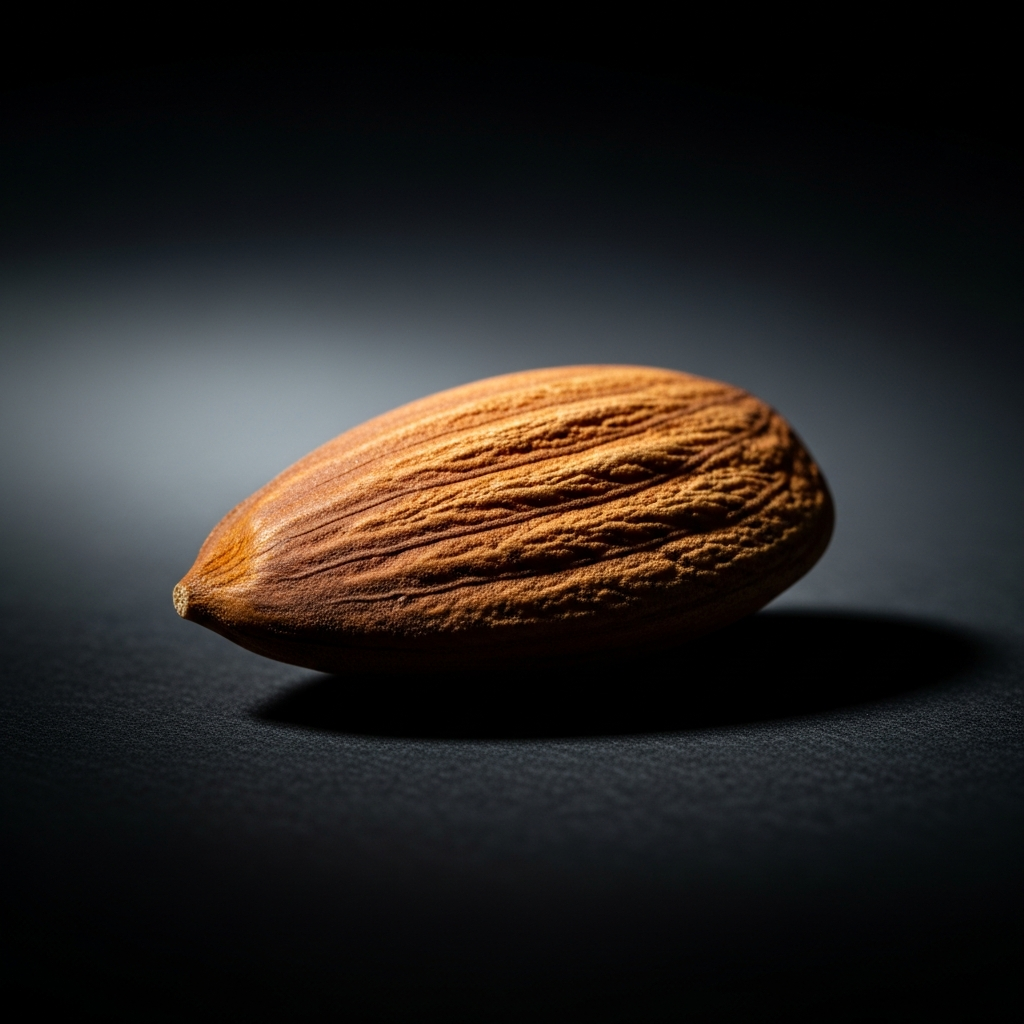
Stoneware mug, dishwasher safe
Buy Mug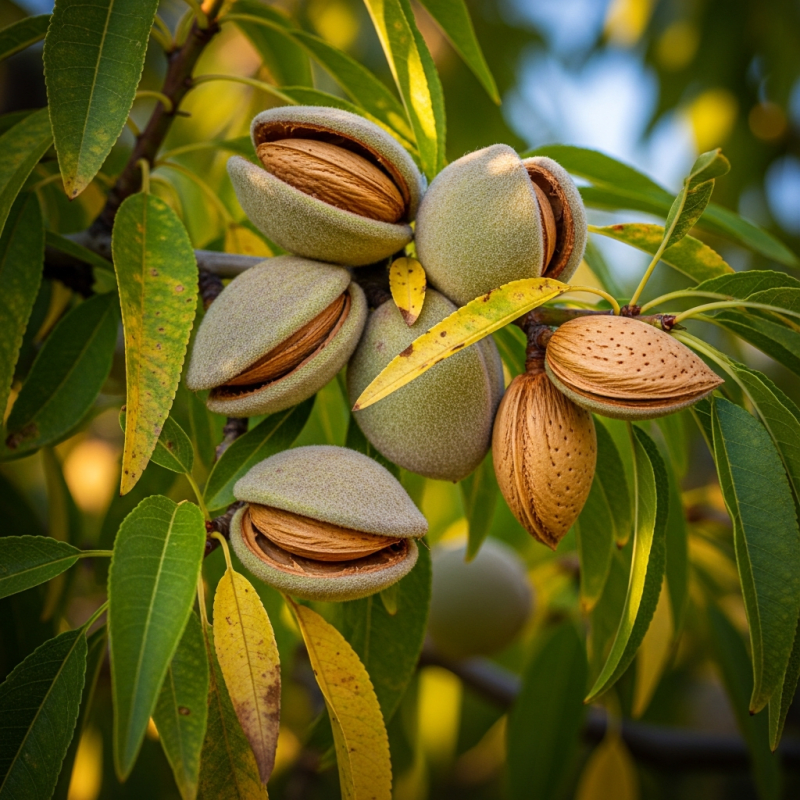
Soft cotton tee, unisex sizes
Buy ShirtAlmonds hold deep cultural resonance, symbolizing hope and renewal in Persian, Jewish, and Christian traditions. They feature prominently in rituals, celebrations, and art—from Middle Eastern pastries to European marzipan confections. In many cultures, almonds are gifted as tokens of good fortune or used in festive dishes marking life’s milestones.
Scientific name: Prunus dulcis. Almond trees belong to the Rosaceae family, genus Prunus. They are deciduous, medium-sized, and produce lanceolate leaves and pink to white flowers. The fruit is a drupe, with a tough outer hull, a hard shell, and the edible seed inside. Commercial varieties are classified by shell hardness and flowering time.

Almonds thrive in Mediterranean climates, requiring cool winters and hot, dry summers. Trees begin bearing fruit three to four years after planting, reaching full productivity at six to ten years. Harvest typically occurs in late summer, when the hulls split and nuts are shaken from the trees. Integrated pest management and careful irrigation are essential for healthy crops, as almonds are sensitive to frost during flowering and susceptible to pests like navel orangeworm and diseases such as hull rot.
Almonds are a nutritional powerhouse, offering high levels of protein, dietary fiber, and heart-healthy unsaturated fats. They are rich in vitamin E, magnesium, and antioxidants, making them a popular choice for plant-based diets. Regular consumption is associated with benefits for heart health, blood sugar regulation, and satiety.
Almonds are classified as a major allergen in food safety regulations. Individuals with tree nut allergies should avoid almonds and products containing them. Food labeling laws in many countries require clear identification of almonds as an ingredient.
Almonds are a major global commodity, with California producing the vast majority of supply. They are exported worldwide in various forms—raw, roasted, shelled, blanched, and processed into flour, milk, and oil. Key markets include snacks, baking, plant-based foods, and cosmetics. Quality grading and size classification are important for trade, and demand continues to rise due to health trends and dietary shifts.