Tuba
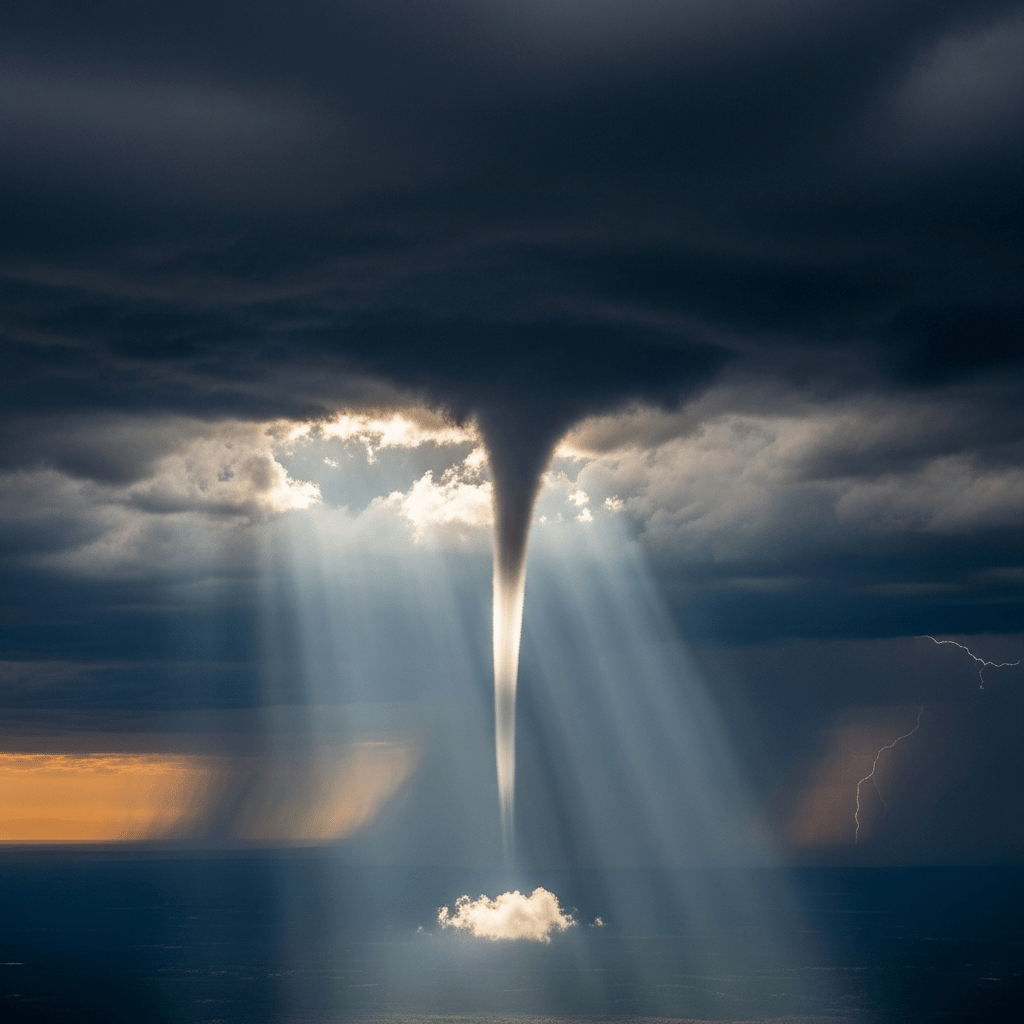
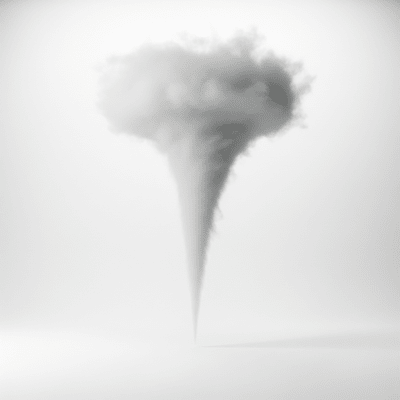
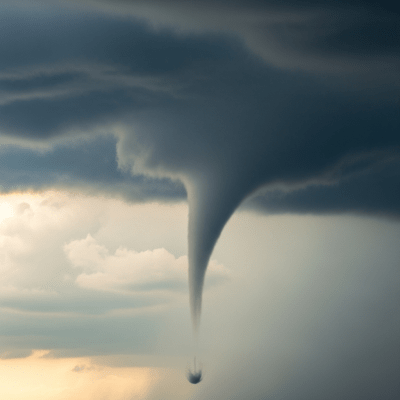
Tuba is a narrow, funnel-shaped accessory cloud that extends downward from a parent cloud, often signaling intense rotation and the potential onset of severe weather such as tornadoes.
Tuba is a narrow, funnel-shaped accessory cloud that extends downward from a parent cloud, often signaling intense rotation and the potential onset of severe weather such as tornadoes.
The term tuba derives from Latin, meaning "trumpet" or "tube," aptly describing its tubular shape. Formalized by the World Meteorological Organization in the International Cloud Atlas, the tuba concept evolved from 19th-century meteorological observations of funnel clouds and tornado precursors, rooted in Luke Howard's foundational cloud classification work.
Tuba is classified as an accessory cloud feature rather than a genus or species. It typically forms beneath vertical development clouds like cumulonimbus or cumulus congestus and is recognized internationally as a distinct morphological feature indicating localized rotation.
Tuba appears as a sharply defined or sometimes diffuse vertical column or funnel protruding downward from the base of its parent cloud. Its diameter ranges from a few meters up to several tens of meters, and its color varies from dark gray to nearly black depending on lighting and cloud thickness.
Tuba forms in areas of strong updraft and vertical wind shear where rotation develops beneath convective clouds. It is the visible condensation of rotating air and often acts as a precursor to tornadoes, waterspouts, or landspouts. While transient, it serves as a critical visual cue for severe weather monitoring and aviation safety.
Bring this kind into your world illustrated posters, mugs, and shirts.
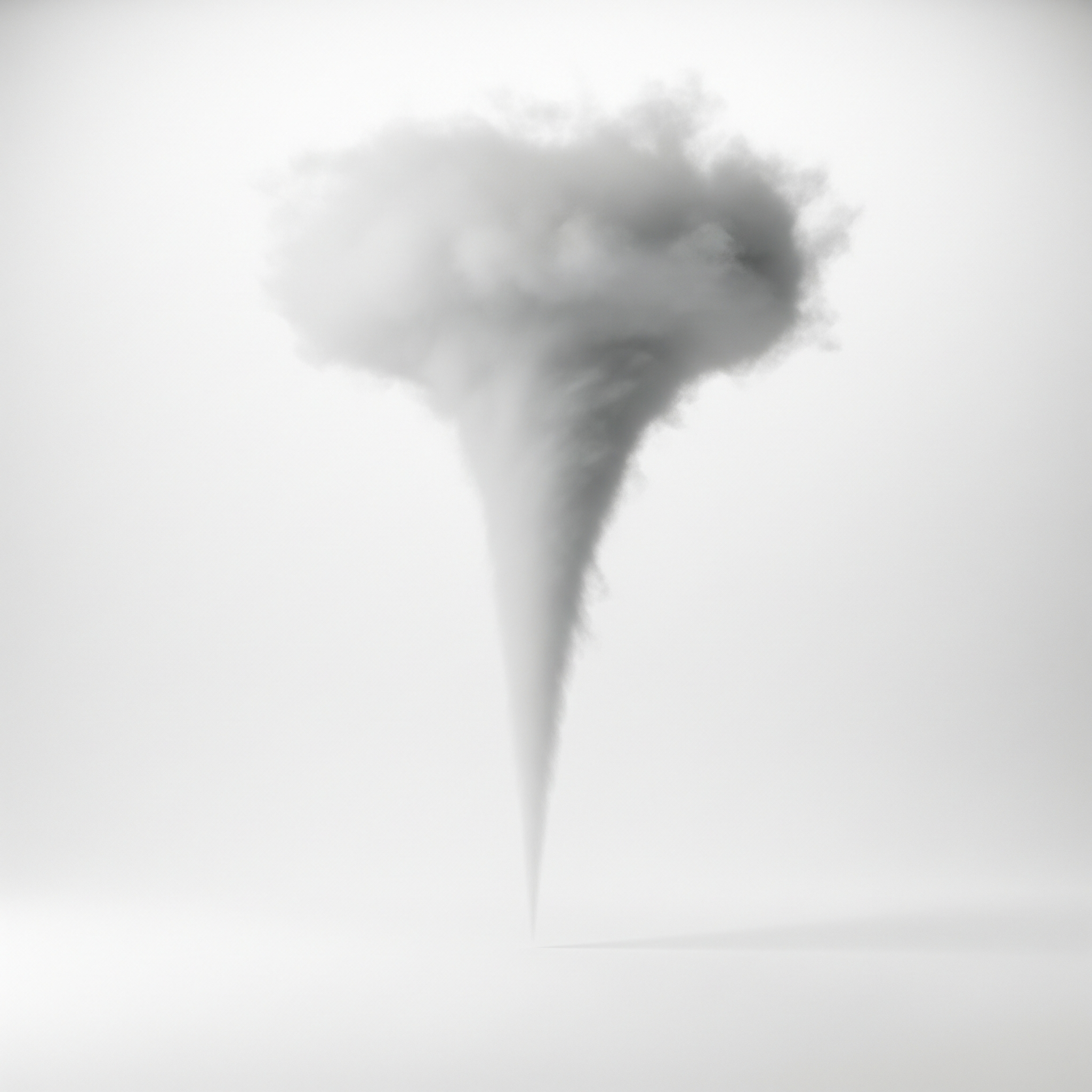
Archival print, museum-grade paper
Buy Poster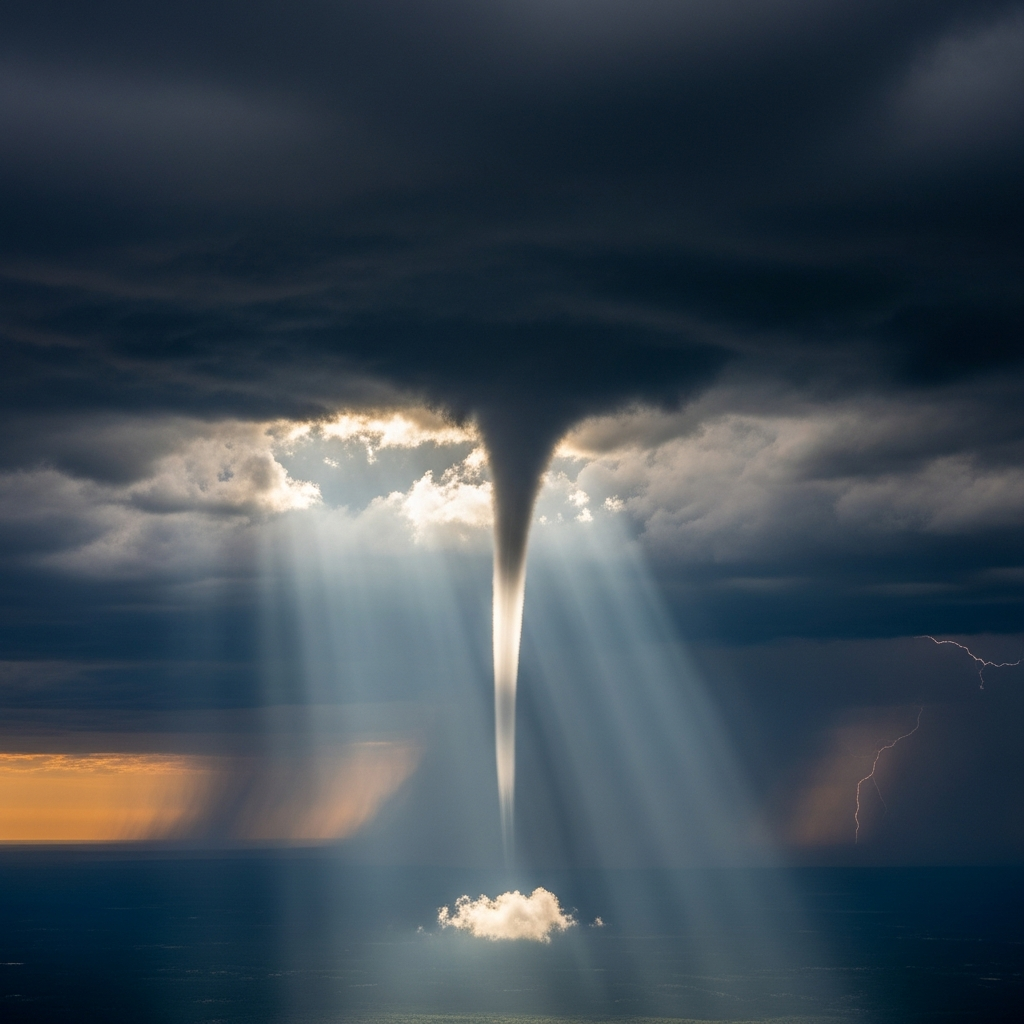
Stoneware mug, dishwasher safe
Buy Mug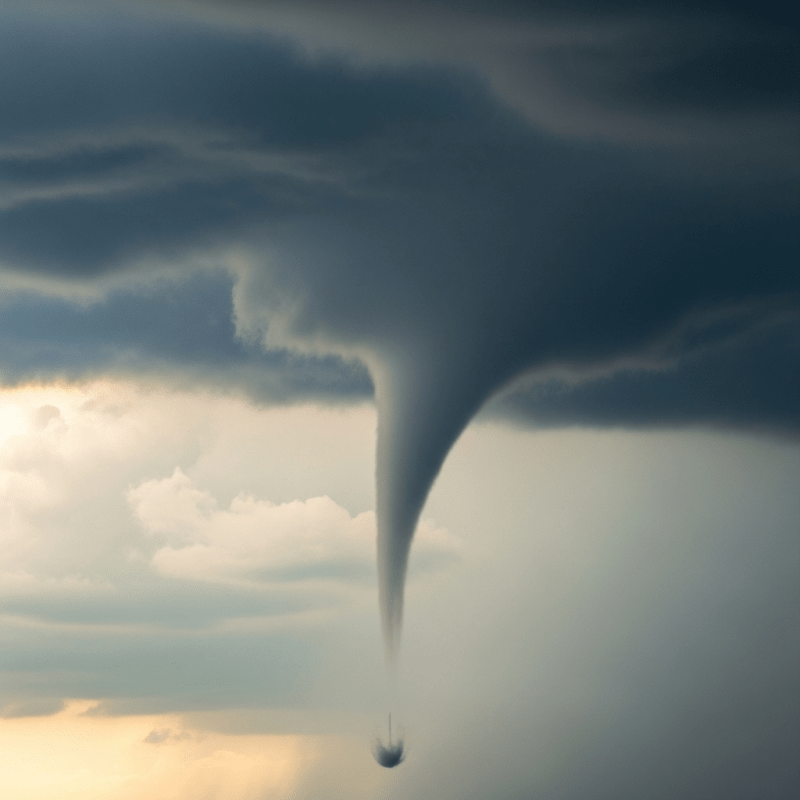
Soft cotton tee, unisex sizes
Buy ShirtIn meteorology and public awareness, tuba symbolizes the dramatic power of nature and severe storms. It features prominently in storm-spotting education and has inspired artistic and literary depictions of tornado genesis and atmospheric dynamics, underscoring its role as a striking natural phenomenon.
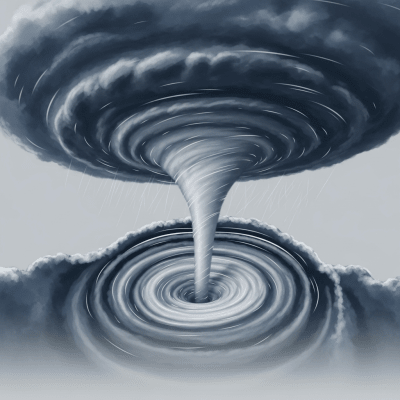
🌦️ Tuba forms when strong updrafts and vertical wind shear beneath a convective cloud induce localized rotation in the lower atmosphere. This rotation causes water vapor to condense into a visible, rotating funnel that extends downward from the cloud base. The process is closely linked to mesocyclones and intense storm dynamics, often preceding tornado or waterspout formation.
🌐 Tuba typically forms at altitudes between 100 and 2,000 meters above ground level, hanging below the base of parent cumulonimbus or cumulus clouds. It occurs globally but is most frequently observed in regions with strong convective activity, such as the central United States and temperate to subtropical zones.
⚠️ While tuba itself does not produce precipitation, its presence signals severe convective storms capable of heavy rain, hail, and tornadoes. It is a critical warning sign for aviation safety and public weather alerts, indicating the potential for hazardous winds and rapid weather changes.
🔍 Tuba is primarily observed visually by storm spotters and through ground-based photography. Radar systems detect the rotation of the parent cloud but cannot directly image the tuba. Spotter reports and visual confirmation remain essential for operational meteorology and severe weather warnings.
🛰️ Due to its small scale, tuba is generally too fine to be resolved in satellite imagery. However, satellites can detect the larger parent convective clouds and their associated severe weather signatures, such as cold cloud tops and enhanced infrared reflectance, which indirectly signal conditions favorable for tuba formation.