Stratus Nebulosus
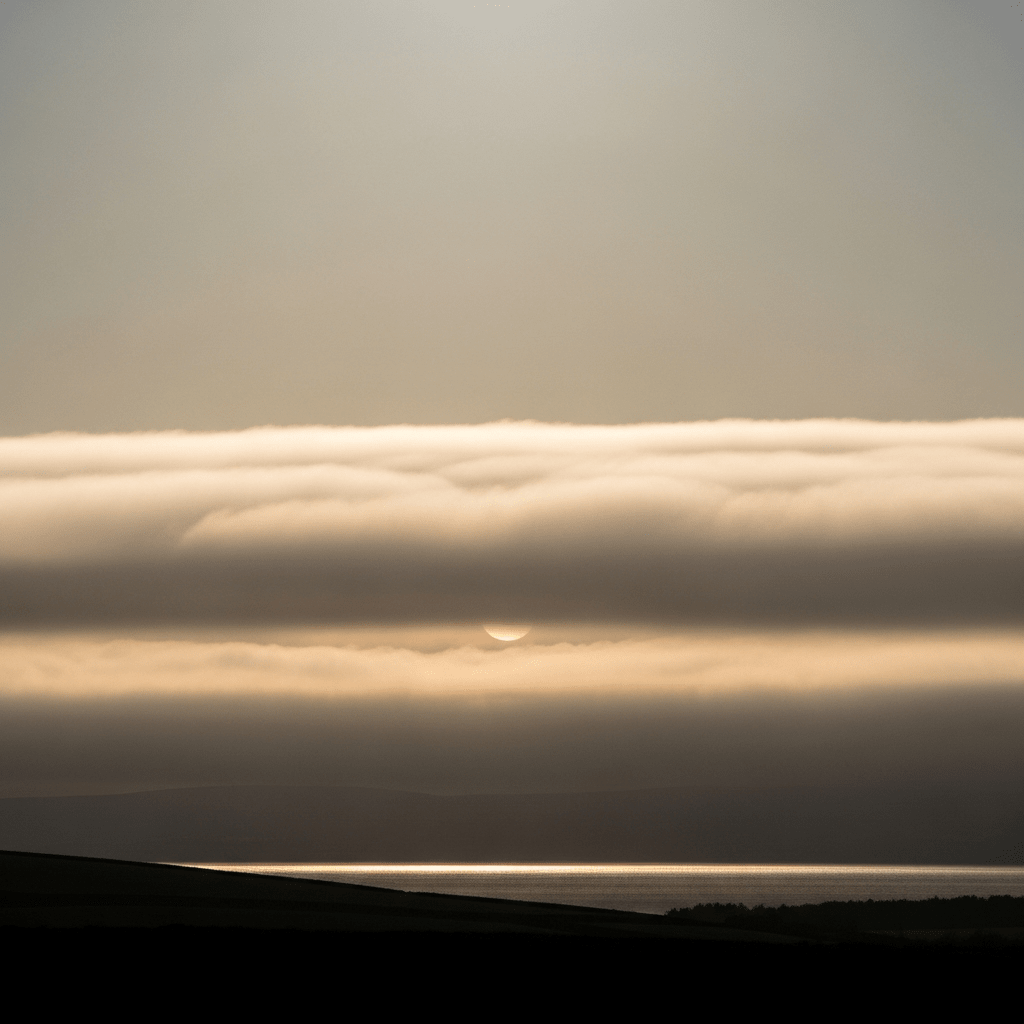
Stratus nebulosus is a low-level cloud species defined by its uniform, featureless gray layer that often resembles fog and obscures the sky with a continuous, diffuse sheet.
Stratus nebulosus is a low-level cloud species defined by its uniform, featureless gray layer that often resembles fog and obscures the sky with a continuous, diffuse sheet.
The name Stratus nebulosus derives from Latin, with "stratus" meaning "spread out" and "nebulosus" meaning "cloudy" or "foggy." This species was formally classified in the World Meteorological Organization's International Cloud Atlas, building on Luke Howard's early 19th-century work on cloud classification. It was introduced to identify stratus clouds exhibiting a uniform, nebulous appearance lacking distinct features.
Stratus nebulosus belongs to the genus Stratus, which encompasses low-level clouds characterized by horizontal layering and minimal vertical development. Within this genus, the species nebulosus specifically denotes clouds with a smooth, featureless texture, distinguishing it from other stratus species that may show more structure or breaks.
This cloud species appears as a uniform, gray sheet with diffuse edges and no visible elements or texture. Its seamless, fog-like form can cover large areas of the sky, often creating an overcast condition. When it occurs at ground level, it manifests as fog, further emphasizing its smooth, nebulous character.
Stratus nebulosus typically forms under stable atmospheric conditions where moist air gently lifts or cools, resulting in a widespread cloud layer. It plays a significant role in reducing visibility, especially near the surface as fog, and is closely monitored in aviation and transportation for its impact on safety. While it rarely produces precipitation, it can generate light drizzle or mist, influencing local weather and microclimates.
Bring this kind into your world illustrated posters, mugs, and shirts.

Archival print, museum-grade paper
Buy Poster
Stoneware mug, dishwasher safe
Buy Mug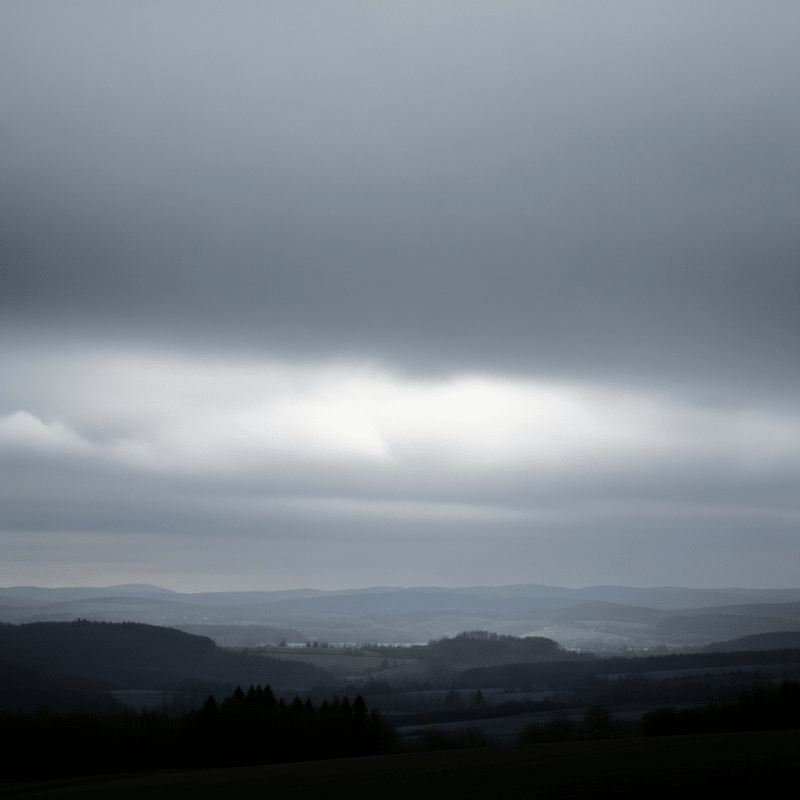
Soft cotton tee, unisex sizes
Buy ShirtIn art and literature, Stratus nebulosus often symbolizes gloominess or introspection due to its pervasive gray and featureless appearance. Its presence is culturally associated with dreary, overcast days and has been used metaphorically to evoke moods of melancholy or calm reflection. Though less dramatic than towering clouds, its subtle omnipresence has inspired contemplative themes.
Stratus nebulosus forms primarily through the gentle lifting or cooling of a large, moist air mass. Common mechanisms include radiative cooling of the Earth's surface at night, advection of moist air over cooler surfaces, and gradual lifting along shallow frontal zones. These processes cause water vapor to condense into a widespread, uniform cloud layer with minimal vertical development.
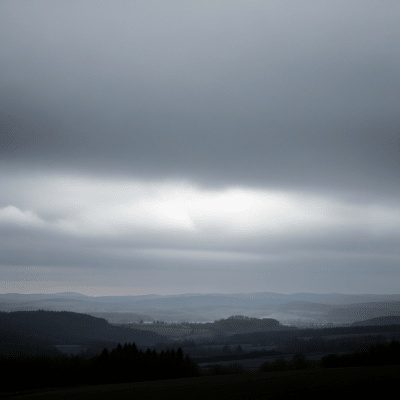

Typically classified as a low-level cloud, Stratus nebulosus forms from the surface up to about 2,000 meters in altitude. It is globally distributed but is especially prevalent in temperate and polar regions where stable, moist atmospheric conditions favor its formation. At ground level, it manifests as fog, while aloft it forms a continuous gray cloud deck.
Stratus nebulosus poses hazards mainly through reduced visibility, impacting aviation, road transportation, and outdoor activities. While it generally produces minimal turbulence, in freezing conditions it can cause light icing on aircraft surfaces. Its presence near airports and highways requires careful monitoring to ensure safety during takeoff, landing, and travel.
Observation of Stratus nebulosus relies on visual identification by meteorologists and trained observers, noting its uniform gray, featureless appearance. Instrumental methods include ceilometers and lidar to measure cloud base height and thickness, while satellite remote sensing detects its low-albedo, uniform gray signature. Surface weather stations provide complementary data, especially when the cloud layer reaches ground level as fog.
In satellite imagery, Stratus nebulosus appears as a uniform, low-reflectance gray layer in visible bands, often blending with fog or other low clouds. Its featureless texture and low optical thickness make it challenging to distinguish without supporting data such as infrared temperature profiles or ground observations. This cloud type typically shows low cloud-top temperatures consistent with its low altitude.