
Nimbostratus Pannus
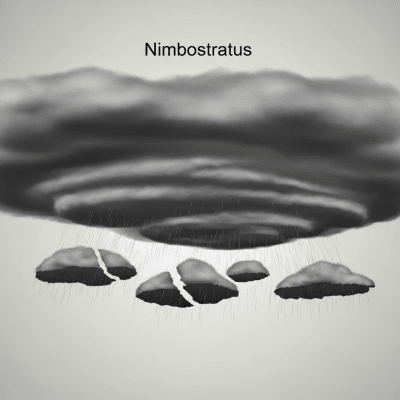
Nimbostratus pannus is a ragged, low-level accessory cloud formed as irregular fragments beneath the main nimbostratus cloud during precipitation events.
Nimbostratus pannus is a ragged, low-level accessory cloud formed as irregular fragments beneath the main nimbostratus cloud during precipitation events.
The term pannus, derived from Latin meaning "rag" or "shred," was formalized by the World Meteorological Organization to describe the torn, ragged cloud fragments that develop beneath precipitation-producing clouds like nimbostratus. This classification traces back to 19th-century cloud studies by Luke Howard and was standardized in the International Cloud Atlas.
Nimbostratus pannus is classified as an accessory cloud to the genus Nimbostratus (abbreviated Ns). It is not a separate genus or species but a distinctive ragged cloud formation beneath the main nimbostratus layer, recognized by the WMO as "pannus."
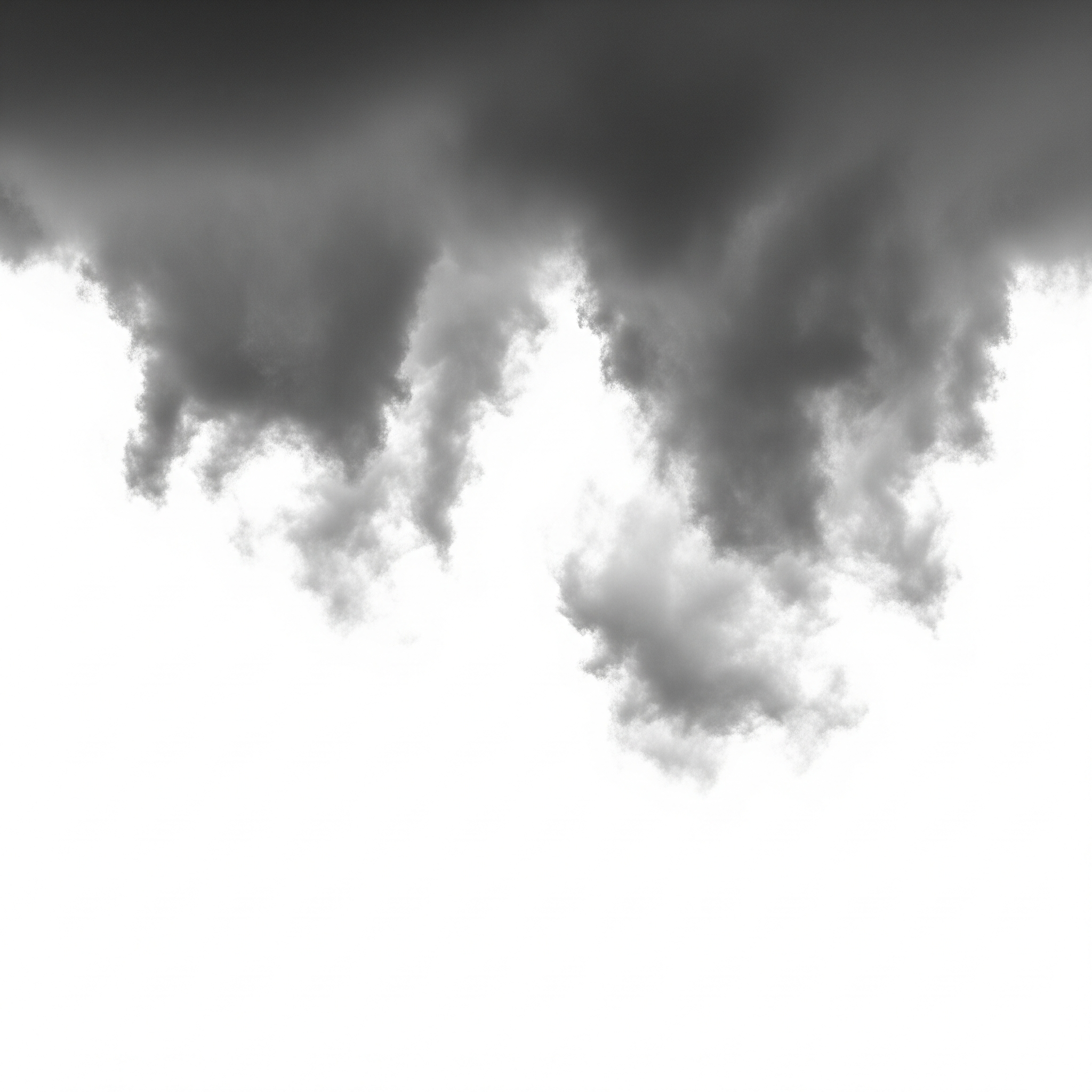
This cloud appears as irregular, ragged, and often fast-moving fragments beneath the nimbostratus deck. Its dark gray to nearly black, shapeless, shredded structure shifts rapidly with wind and precipitation, creating a turbulent and obscuring visual effect often described as "scud."
Nimbostratus pannus forms as precipitation falls through moist, turbulent air near the surface, generating ragged cloud fragments through mechanical turbulence and updrafts below the main cloud. While it does not produce precipitation itself, its presence reliably signals ongoing rain or snow and turbulent low-level atmospheric conditions.
Bring this kind into your world illustrated posters, mugs, and shirts.
Archival print, museum-grade paper
Buy Poster
Stoneware mug, dishwasher safe
Buy Mug
Soft cotton tee, unisex sizes
Buy ShirtIn weather lore and popular culture, pannus clouds—often called "scud"—are associated with gloomy, stormy weather. Their ragged, dark appearance beneath rain clouds evokes imagery of shreds or tattered fabric, symbolizing unsettled skies and advancing precipitation in art and storytelling.
🌦️ Nimbostratus pannus forms as precipitation from the overlying nimbostratus cloud descends through lower layers of moist, turbulent air. Mechanical turbulence and localized updrafts in this layer cause condensation of water vapor into irregular, ragged cloud fragments. These fragments continuously evolve, merging and separating in response to shifting winds and precipitation intensity, resulting in the characteristic shredded appearance beneath the main cloud deck.
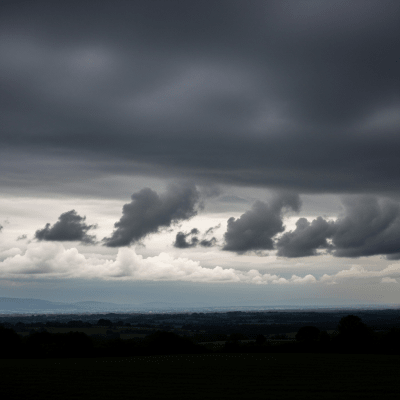
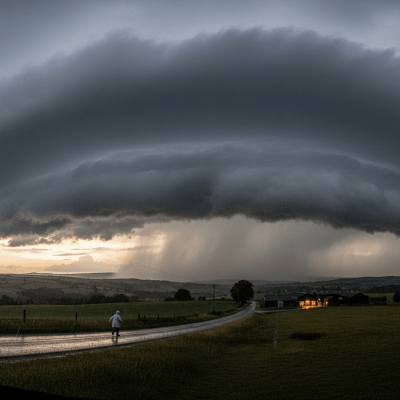
🗺️ Nimbostratus pannus occurs at low altitudes, typically from the surface up to about 2,000 meters, always beneath the parent nimbostratus cloud. It is found worldwide wherever nimbostratus clouds produce precipitation, most commonly in mid-latitude cyclones and frontal weather systems.
⚠️ While pannus clouds themselves do not produce precipitation, their presence signals ongoing rain or snow and turbulent low-level air. This can lead to reduced visibility, low cloud ceilings, and obscured terrain, posing hazards for aviation, especially during approach and landing phases. Observers should be cautious of the associated gloomy and turbulent weather conditions.
🔍 Nimbostratus pannus is primarily identified through visual ground observation, noted for its ragged, fast-moving fragments beneath nimbostratus. Ceilometers and cloud base recorders can detect pannus as a distinct low cloud layer. Satellite sensors generally cannot resolve pannus separately due to its low altitude and lack of thermal contrast.
🛰️ In satellite imagery, nimbostratus pannus is not distinctly visible from the main nimbostratus cloud deck because of its low altitude and minimal thermal contrast. It may contribute to a diffuse, textured appearance in visible-light images but lacks unique infrared signatures, making it challenging to isolate in remote sensing data.