
Mamma
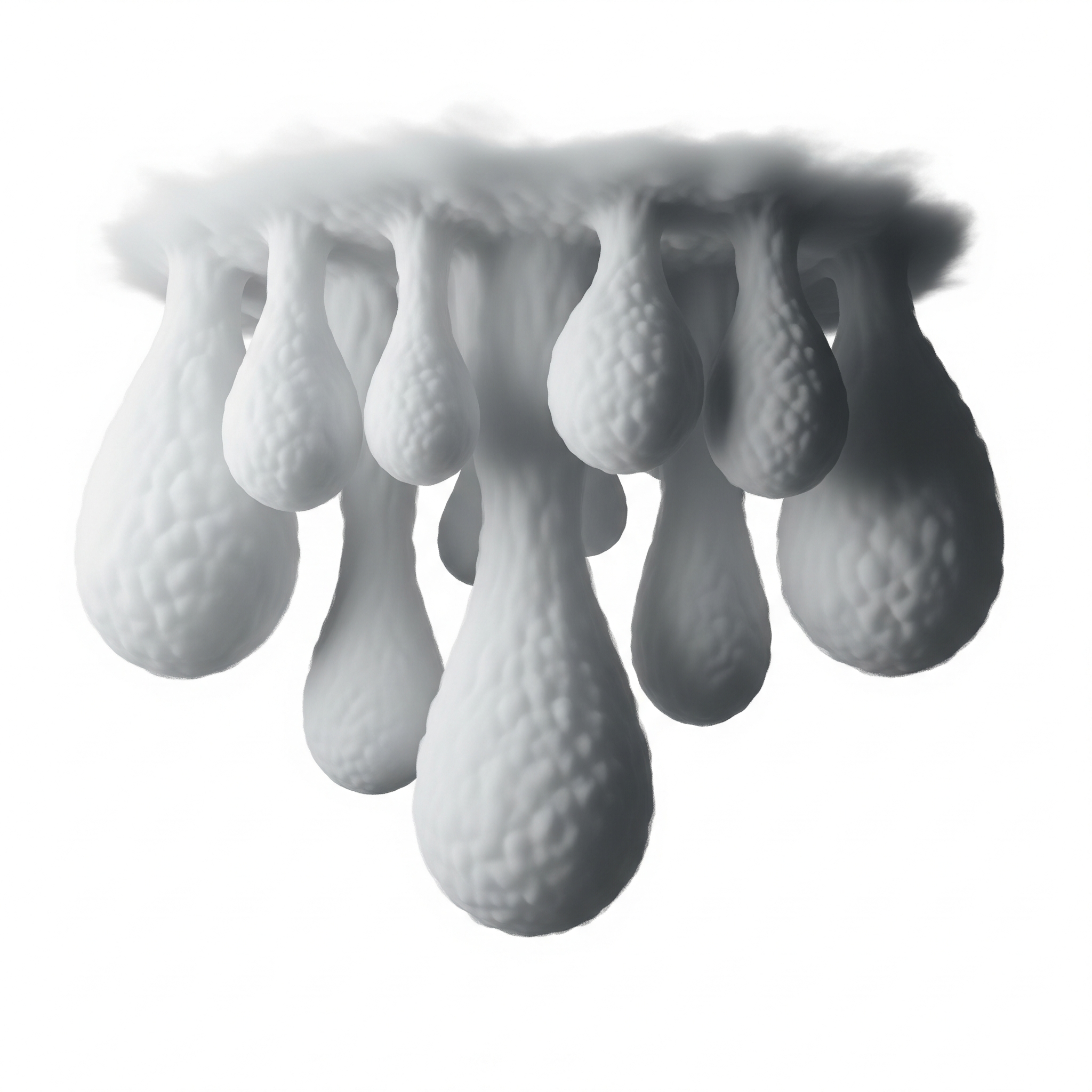
Mamma is a striking supplementary cloud feature characterized by rounded, pouch-like lobes hanging pendulously from the underside of a parent cloud, most often cumulonimbus, signaling turbulent atmospheric conditions.
Mamma is a striking supplementary cloud feature characterized by rounded, pouch-like lobes hanging pendulously from the underside of a parent cloud, most often cumulonimbus, signaling turbulent atmospheric conditions.
The term mamma originates from the Latin word for "udder" or "breast," inspired by the cloud’s distinctive rounded, hanging shapes. First described in meteorological literature in the late 19th century, mamma was standardized as a supplementary cloud feature by the World Meteorological Organization in the International Cloud Atlas, cementing its role in cloud classification.
Mamma is not a cloud genus or species but a supplementary feature that appears beneath various cloud types, predominantly beneath cumulonimbus (Cb) and altostratus (As) clouds. It is recognized globally within the WMO cloud taxonomy as an indicator of dynamic atmospheric processes, reported in aviation as "CB mam" or "AS mam."
Mamma formations consist of bulbous, pouch-like lobes clustered beneath the parent cloud’s base, ranging from a few hundred meters to over a kilometer wide. Their colors vary from bright white to dark gray, influenced by cloud thickness and sunlight angle, creating a dramatic, udder-shaped, and turbulent visual effect.
While mamma itself does not produce precipitation, its presence beneath cumulonimbus clouds often signals severe weather such as heavy rain, hail, lightning, and turbulence. It serves as a vital visual cue for meteorologists and aviators to anticipate hazardous atmospheric conditions and is frequently featured in weather photography and education.
Bring this kind into your world illustrated posters, mugs, and shirts.
Archival print, museum-grade paper
Buy Poster
Stoneware mug, dishwasher safe
Buy Mug
Soft cotton tee, unisex sizes
Buy ShirtMamma clouds have captured public imagination through their dramatic and unusual appearance, often symbolizing impending storms in art and folklore. Their evocative, udder-like shapes have made them a popular subject in atmospheric science outreach and weather photography, highlighting the beauty and power of nature’s turbulent skies.
🌦️ Mamma clouds develop when cooler, denser air pockets sink within a parent cloud, creating the characteristic pouch-like lobes. This sinking motion is often driven by ice crystal or precipitation loading, turbulence, and differential evaporation beneath the cloud base. These dynamic processes cause the cloud underside to bulge downward, reflecting strong vertical air currents and atmospheric instability.
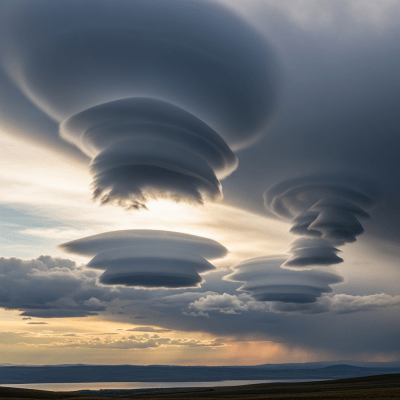
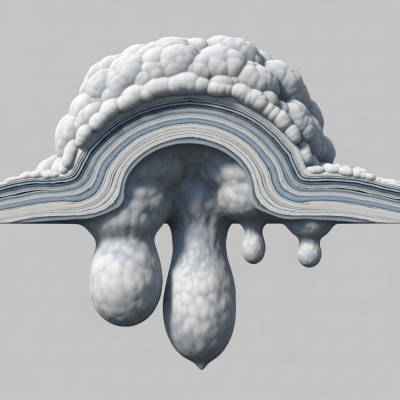
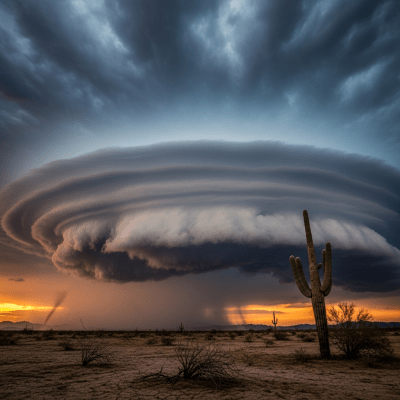
🗺️ Mamma features typically occur at mid-level altitudes, ranging from about 2,000 to 12,000 meters above ground, depending on the parent cloud’s height. They are found worldwide but are most common in mid-latitude regions during convective storm activity, where cumulonimbus clouds frequently develop.
⚠️ While mamma themselves do not pose direct hazards, their presence beneath cumulonimbus clouds warns of potential severe weather, including turbulence, lightning, hail, and strong downdrafts. Pilots and meteorologists use mamma as a visual indicator to anticipate and mitigate risks associated with convective storms.
🔍 Mamma clouds are primarily observed visually and through photography, prized for their distinctive shapes. They can also be studied using satellite remote sensing, lidar, and radar profiling, which help reveal their structure and association with parent clouds. High-resolution visible and infrared satellite imagery often captures mamma as textured, bulbous underbellies beneath convective cloud tops.
🛰️ In satellite imagery, mamma appear as bulbous, textured protrusions beneath the main cloud mass, especially visible in high-resolution visible and infrared bands. These features create distinctive patterns on the underside of cumulonimbus clouds, aiding meteorologists in identifying turbulent storm activity from space.