
Cumulus Fractus
Cumulus fractus is a species of cumulus cloud recognized by its ragged, fragmented, and wispy appearance, often resembling torn shreds drifting at low altitudes.
Cumulus fractus is a species of cumulus cloud recognized by its ragged, fragmented, and wispy appearance, often resembling torn shreds drifting at low altitudes.
The name cumulus fractus derives from Latin, where "cumulus" means "heap" or "pile" and "fractus" means "broken" or "fragmented." This species was first described in the early 19th century by Luke Howard and later formalized in the World Meteorological Organization's International Cloud Atlas, reflecting its place as a ragged form within the cumulus genus.
Cumulus fractus belongs to the low-level cloud family as a species under the cumulus genus. It is distinguished from other cumulus species by its irregular, torn form and is officially abbreviated as Cu fra. In aviation reports, it is coded as CUFRA or FR for fractus species.
This cloud species appears as irregular, ragged, and wispy fragments with diffuse, uneven edges. Unlike the well-defined, rounded tops of typical cumulus clouds, cumulus fractus looks like torn shreds or wisps, often shifting rapidly in shape and size.
Cumulus fractus forms through the mechanical breakup or erosion of larger cumulus clouds, driven by wind shear, turbulence, or evaporation. It often emerges during the early stages of convective cloud development or as clouds dissipate. While it poses minimal direct hazard, its presence signals atmospheric instability and can indicate turbulence relevant to aviation.
Bring this kind into your world illustrated posters, mugs, and shirts.
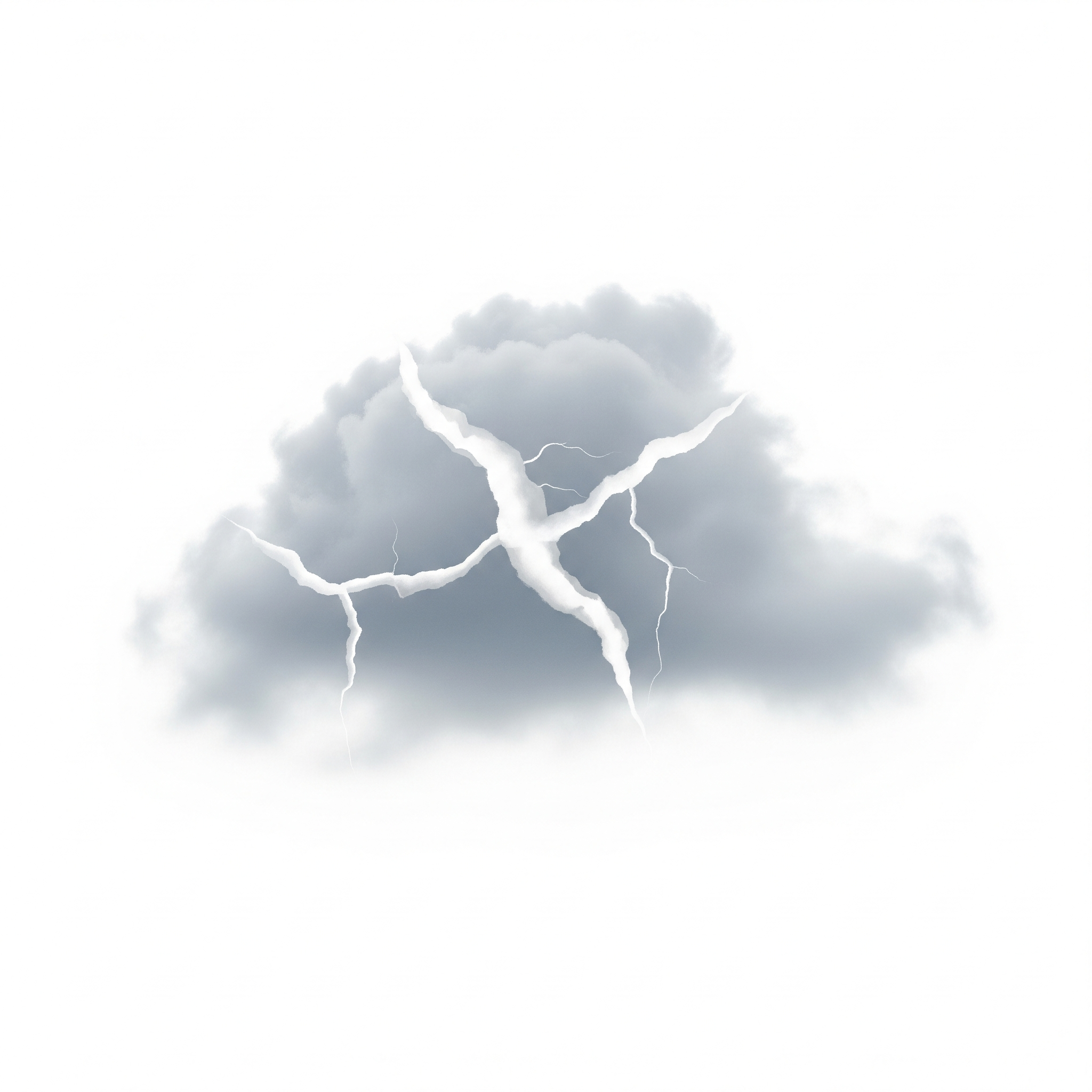
Archival print, museum-grade paper
Buy Poster
Stoneware mug, dishwasher safe
Buy Mug
Soft cotton tee, unisex sizes
Buy ShirtThough less prominent in art or mythology than other cloud types, cumulus fractus holds educational value in illustrating cloud lifecycle and atmospheric dynamics. It occasionally appears in weather lore as a sign of changing weather, but it remains primarily a scientific indicator rather than a cultural symbol.
🌦️ Cumulus fractus forms primarily through mechanical breakup or erosion of larger cumulus clouds. Wind shear and turbulence disrupt the cloud’s structure, fragmenting it into ragged pieces. Evaporation can further thin and distort these fragments. Additionally, cumulus fractus may develop from the transformation of stratus fractus or during the initial stages of convective cloud formation, marking dynamic atmospheric changes.

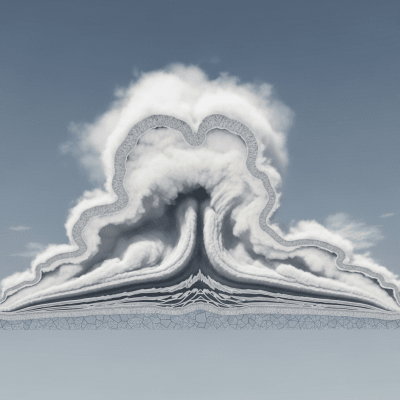

🌐 Cumulus fractus is a low-level cloud species, typically forming between 500 and 2,000 meters above the surface. It occurs worldwide across all climates, especially in regions experiencing convective activity or variable winds that promote cloud fragmentation and instability.
⚠️ While cumulus fractus clouds themselves are not hazardous, their presence often signals atmospheric instability and turbulence, which can affect aviation safety. Pilots monitor these clouds as indicators of changing weather conditions and potential turbulence, although the clouds rarely produce significant precipitation or severe weather.
🔍 Cumulus fractus is commonly observed visually and documented through ground-based photography. Its cloud base height can be measured using ceilometers or laser rangefinders. Satellite imagery also aids in identification, though distinguishing it from similar ragged clouds requires contextual information.
🛰️ In satellite imagery, cumulus fractus appears as small, low-albedo, fragmented patches in visible light images. Its irregular, wispy nature makes it challenging to differentiate from stratus fractus without additional atmospheric context or higher-resolution data.