Contrail
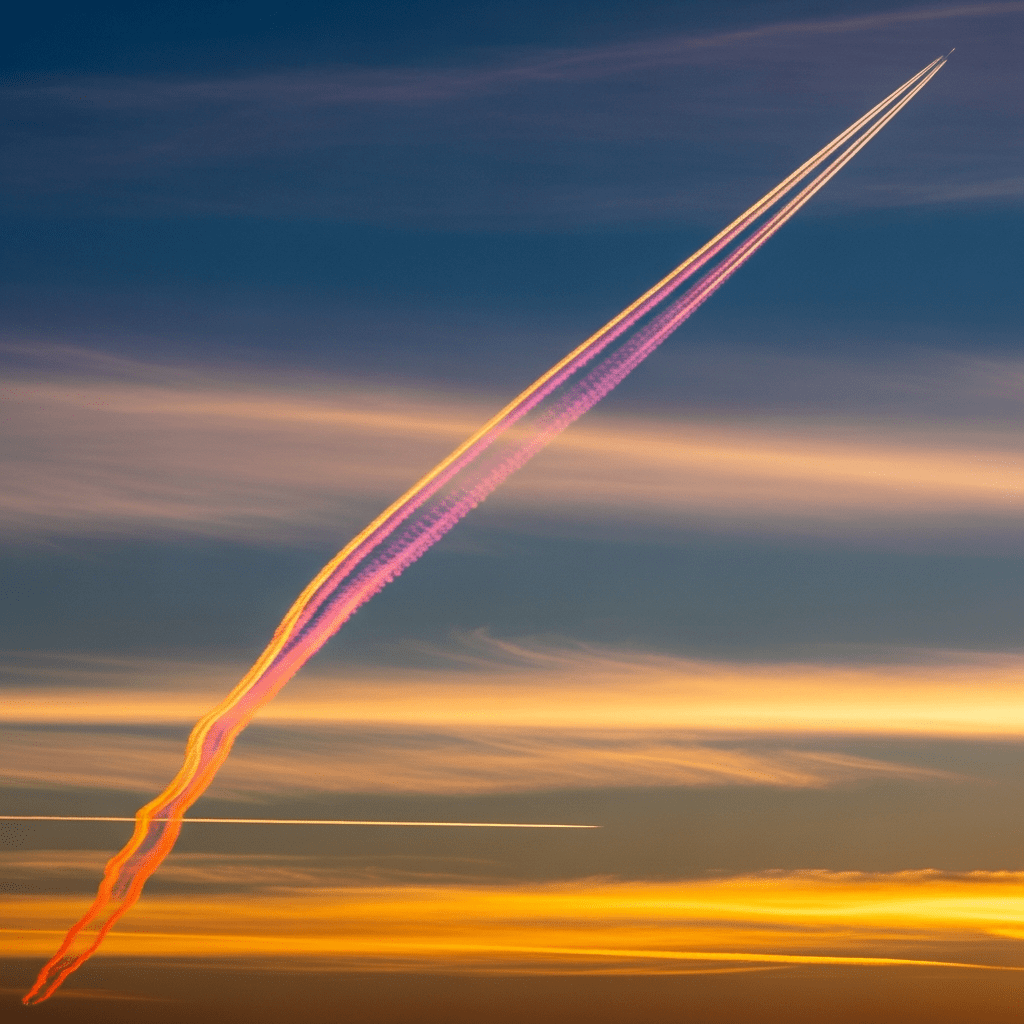
A contrail, short for "condensation trail," is a thin, linear cloud formed by aircraft engine exhaust or pressure changes at high altitudes, resembling cirrus clouds in appearance.
A contrail, short for "condensation trail," is a thin, linear cloud formed by aircraft engine exhaust or pressure changes at high altitudes, resembling cirrus clouds in appearance.
The term "contrail" emerged in the early 20th century alongside the rise of aviation, with systematic descriptions dating from World War II when high-altitude military flights made these clouds common and observable. Recognized by the World Meteorological Organization as artificial cirrus-like clouds, contrails represent a unique intersection of human activity and atmospheric phenomena.
Contrails are classified as a special type of cloud within the high-level cloud family, closely related to cirrus clouds but distinguished by their artificial origin from aircraft exhaust. Though not part of the classical cloud genera, they are included in meteorological taxonomies due to their significance in weather observation and aviation.
Contrails appear as narrow, white streaks across the sky, often linear and fibrous in texture. Initially sharp and well-defined, they may broaden and diffuse over time, sometimes merging with natural cirrus clouds to form spreading, wispy patterns.
Contrails form when hot, humid exhaust from aircraft engines mixes with cold, low-pressure air, causing water vapor to condense or freeze into ice crystals. Depending on atmospheric humidity and temperature, contrails may dissipate quickly or persist for hours, occasionally evolving into broader cirrus-like cloud formations. They serve as indicators of upper-level moisture and turbulence, playing a role in aviation meteorology and climate studies.
Bring this kind into your world illustrated posters, mugs, and shirts.
Archival print, museum-grade paper
Buy Poster
Stoneware mug, dishwasher safe
Buy Mug
Soft cotton tee, unisex sizes
Buy ShirtContrails have become cultural symbols of modern aviation and human impact on the atmosphere. They often appear in discussions about climate change due to their potential influence on cloud cover and radiative balance. While generally benign in popular culture, contrails have also been the subject of unfounded conspiracy theories, highlighting their visibility and intrigue in the public imagination.
Contrails form as aircraft engines emit hot, moist exhaust gases into the cold, low-pressure environment of the upper troposphere or lower stratosphere. The rapid cooling causes water vapor in the exhaust to condense and freeze into tiny ice crystals, creating visible trails. Additionally, pressure changes around aircraft surfaces can induce condensation. The persistence and evolution of contrails depend on ambient humidity and temperature, with moist conditions favoring long-lasting, spreading contrails that may merge with natural cirrus clouds.
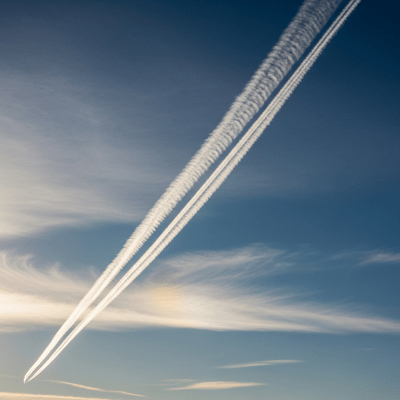
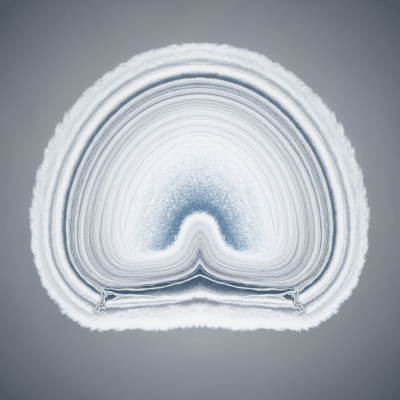
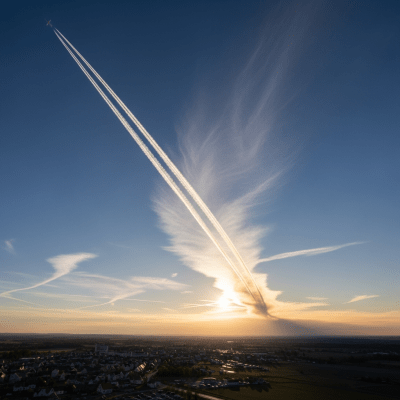
Contrails typically form at high altitudes ranging from about 5,000 to 13,000 meters, coinciding with common commercial and military flight levels. They occur globally but are most frequent along busy air traffic corridors in mid-latitude regions, where atmospheric conditions favor their formation and persistence.
While contrails themselves pose no direct precipitation or icing hazards, they can indicate turbulence at flight levels, which is a concern for aviation safety. Persistent contrails contribute to increased cirrus cloudiness, potentially affecting climate by altering radiative forcing. Additionally, contrails may obscure the night sky, impacting astronomical observations.
Contrails are observed visually from the ground and aircraft, and studied using satellite remote sensing instruments such as MODIS and GOES, which capture their distinctive linear patterns in visible and infrared bands. Lidar systems and in situ aircraft sampling provide detailed measurements of contrail microphysics and evolution, supporting research into their atmospheric impacts.
In satellite imagery, contrails appear as thin, bright, linear streaks with high reflectance in visible wavelengths and distinct thermal signatures in infrared. Persistent contrails may spread and become diffuse, making them harder to distinguish from natural cirrus clouds, especially in complex atmospheric scenes.