
Roman
Roman architecture is a foundational tradition of Western building design, celebrated for its monumental scale, engineering mastery, and enduring influence across centuries.
Roman architecture is a foundational tradition of Western building design, celebrated for its monumental scale, engineering mastery, and enduring influence across centuries.
Emerging in Italy, specifically Rome, Roman architecture developed from the late Republic around 509 BCE and flourished through the Imperial era until 476 CE. Its evolution was shaped by the city’s ambition to project power and unity, drawing inspiration from Greek and Etruscan precedents while pioneering new engineering feats. As Rome expanded its empire, its architectural language spread throughout Europe, North Africa, and the Near East, adapting to local contexts and needs.
Roman architecture belongs to the Classical Architecture school, standing as a distinct style within this tradition. It is closely related to Greek and Etruscan architectural forms and is further divided into substyles such as Republican, Imperial, and Late Roman. Roman architecture serves as a bridge between ancient Greek ideals and the later European movements it inspired, including Romanesque and Neoclassical styles.
Roman buildings are instantly recognizable for their grand scale and harmonious proportions. Typical forms include rounded arches, barrel and groin vaults, and majestic domes—most famously the Pantheon’s. Facades often feature engaged columns, pilasters, and richly decorated friezes. Interiors are adorned with coffered ceilings, vibrant mosaics, and frescoes, while exteriors display robust stonework and marble detailing. The overall impression is one of durability, order, and grandeur.
Roman architecture was designed for both utility and spectacle. Structures served diverse public functions: temples for worship, amphitheaters for entertainment, baths for socializing and hygiene, basilicas for civic gatherings, and aqueducts for supplying water. Urban planning was integral, with forums acting as the heart of civic life and triumphal arches commemorating military victories. These buildings were engineered to withstand heavy use and to impress both citizens and visitors.
Bring this kind into your world illustrated posters, mugs, and shirts.
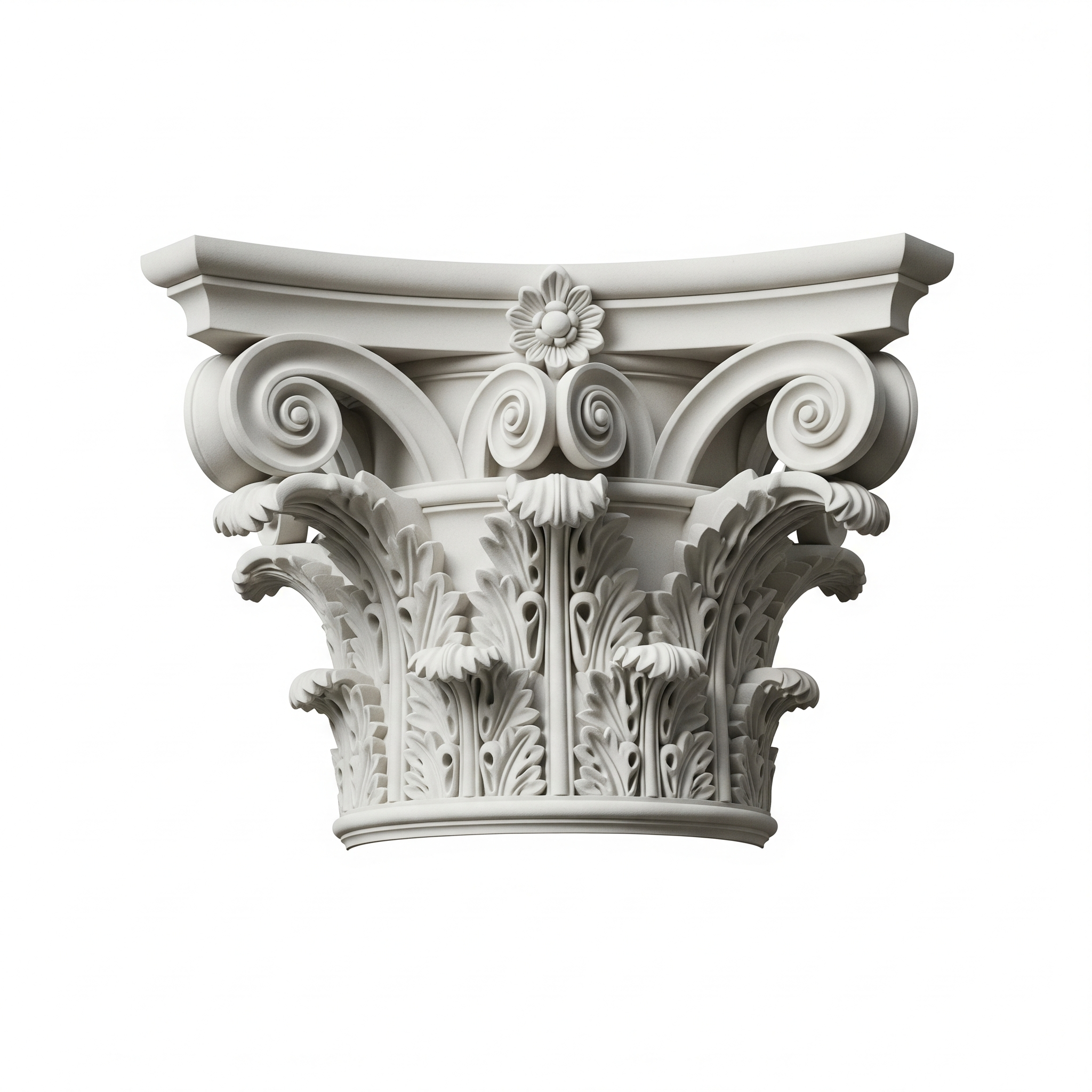
Archival print, museum-grade paper
Buy Poster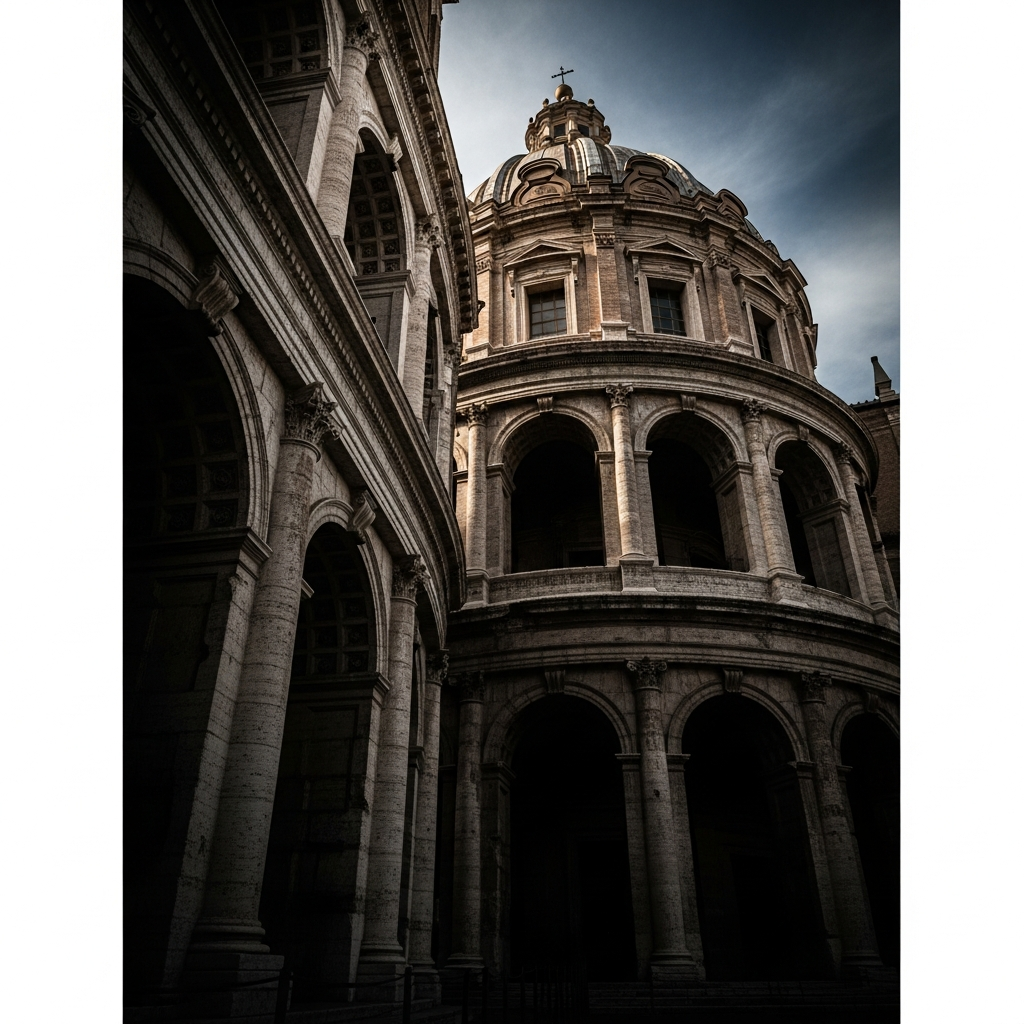
Stoneware mug, dishwasher safe
Buy Mug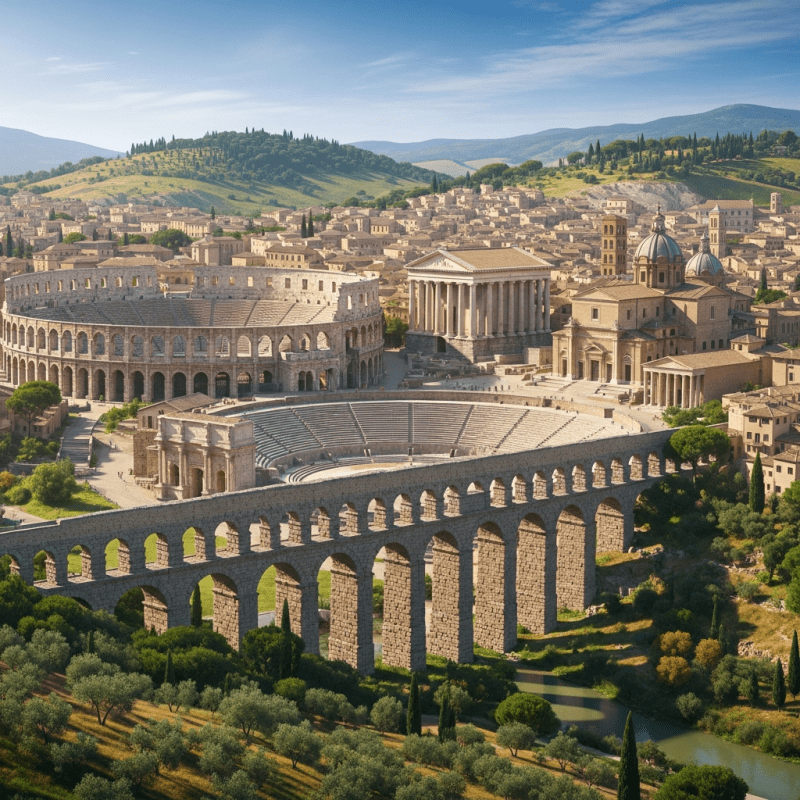
Soft cotton tee, unisex sizes
Buy ShirtRoman architecture became a symbol of imperial power, technological prowess, and civic pride. Its motifs and forms have been referenced in art, literature, and modern architecture, embodying ideals of order, strength, and beauty. Many Roman sites are celebrated in contemporary culture, with the Colosseum and Pantheon serving as icons of ancient achievement and inspiration for countless later works. The legacy of Roman urbanism and infrastructure continues to inform city planning and design worldwide.
Roman architecture flourished from approximately 509 BCE to 476 CE, originating in Rome, Italy. As the empire expanded, its architectural style spread throughout Europe, North Africa, and the Near East, adapting to local cultures and materials while retaining core Roman principles.
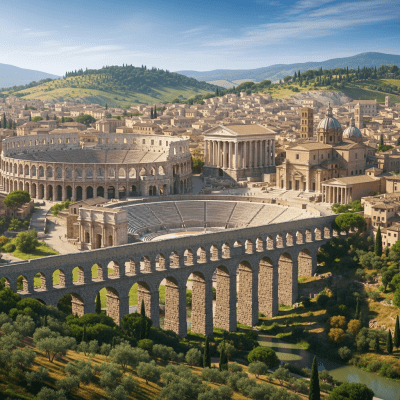

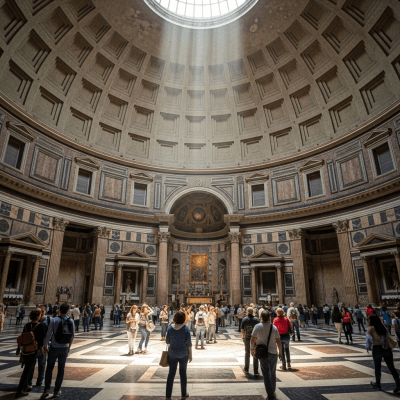

Roman builders utilized concrete (opus caementicium), travertine and marble stone, brick, and timber. Their innovative use of concrete allowed for vast domes and vaults, while standardized construction methods ensured consistency and speed. Advanced techniques included coffered ceilings for weight reduction, engaged columns for decorative and structural effect, and precise stone carving for ornamentation.
Roman architecture was heavily influenced by Greek architecture, especially in its use of classical orders and temple forms, and by Etruscan traditions in arches and vaults. It gave rise to related styles such as Romanesque (medieval Europe), Neoclassical (18th–19th centuries), and Renaissance architecture, all of which drew upon Roman engineering and aesthetics.
While the core principles of Roman architecture remained consistent, local adaptations—known as Provincial Roman architecture—emerged across the empire. These variants incorporated indigenous materials and techniques in regions like Gaul (France), Britain, North Africa, and the Near East, resulting in unique blends of Roman and local traditions.
Roman architectural sites are widely recognized for their historical and cultural significance. Many, including the Historic Centre of Rome, Pont du Gard, and Roman monuments in Trier, are inscribed as UNESCO World Heritage Sites. International bodies such as the UIA and Getty Vocabulary Program acknowledge Roman architecture’s foundational role in Western design, and ongoing preservation efforts safeguard its legacy for future generations.