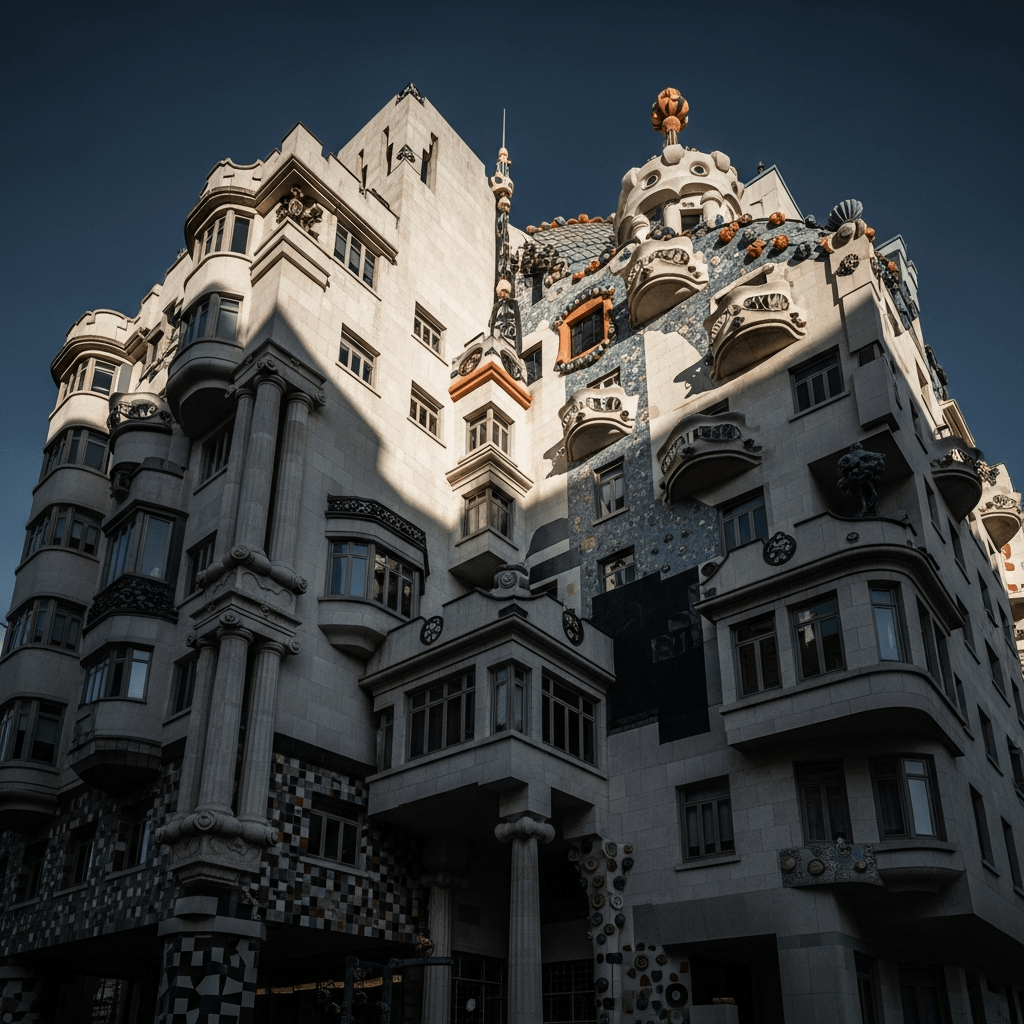
Postmodernism
Postmodernism is a transformative architectural style that emerged in the late 20th century, known for its playful eclecticism, historical references, and a bold rejection of Modernism’s strict minimalism.
Postmodernism is a transformative architectural style that emerged in the late 20th century, known for its playful eclecticism, historical references, and a bold rejection of Modernism’s strict minimalism.
Postmodernism originated in the United States during the 1960s, gaining momentum through the 1970s and 1980s as architects sought to challenge the perceived rigidity and uniformity of Modernist design. Its rise was fueled by a desire to reintroduce ornament, symbolism, and cultural context into architecture, drawing inspiration from both classical traditions and contemporary art movements. The style quickly spread to the United Kingdom, Italy, Germany, and beyond, becoming a global phenomenon by the end of the 20th century.
Postmodernism is classified as a style within the broader school of Modern Architecture, yet it stands as a deliberate reaction and extension of Modernist principles. It encompasses several substyles, including Deconstructivism and Neo-Eclecticism, and is often grouped with related movements such as High-Tech and New Urbanism. Its eclectic nature blurs the boundaries between strict stylistic categories, embracing plurality and contradiction.
Postmodern buildings are visually striking, often combining bold colors, varied materials, and unexpected forms. Facades may feature classical elements like columns or arches, reimagined with irony or whimsy. Ornamentation returns in abundance, layered with visual puns and playful references. Structures frequently juxtapose different historical motifs, textures, and shapes, resulting in a complex, sometimes fragmented aesthetic that invites curiosity and interpretation.
Postmodern architecture is found in a wide array of building types, from civic and commercial landmarks to residential developments and cultural institutions. Its designs encourage engagement and dialogue, often provoking thought or amusement through their unconventional forms and layered meanings. By foregrounding context and symbolism, Postmodern buildings can foster a sense of place and identity, inviting users to interact with their surroundings in new ways.
Bring this kind into your world illustrated posters, mugs, and shirts.
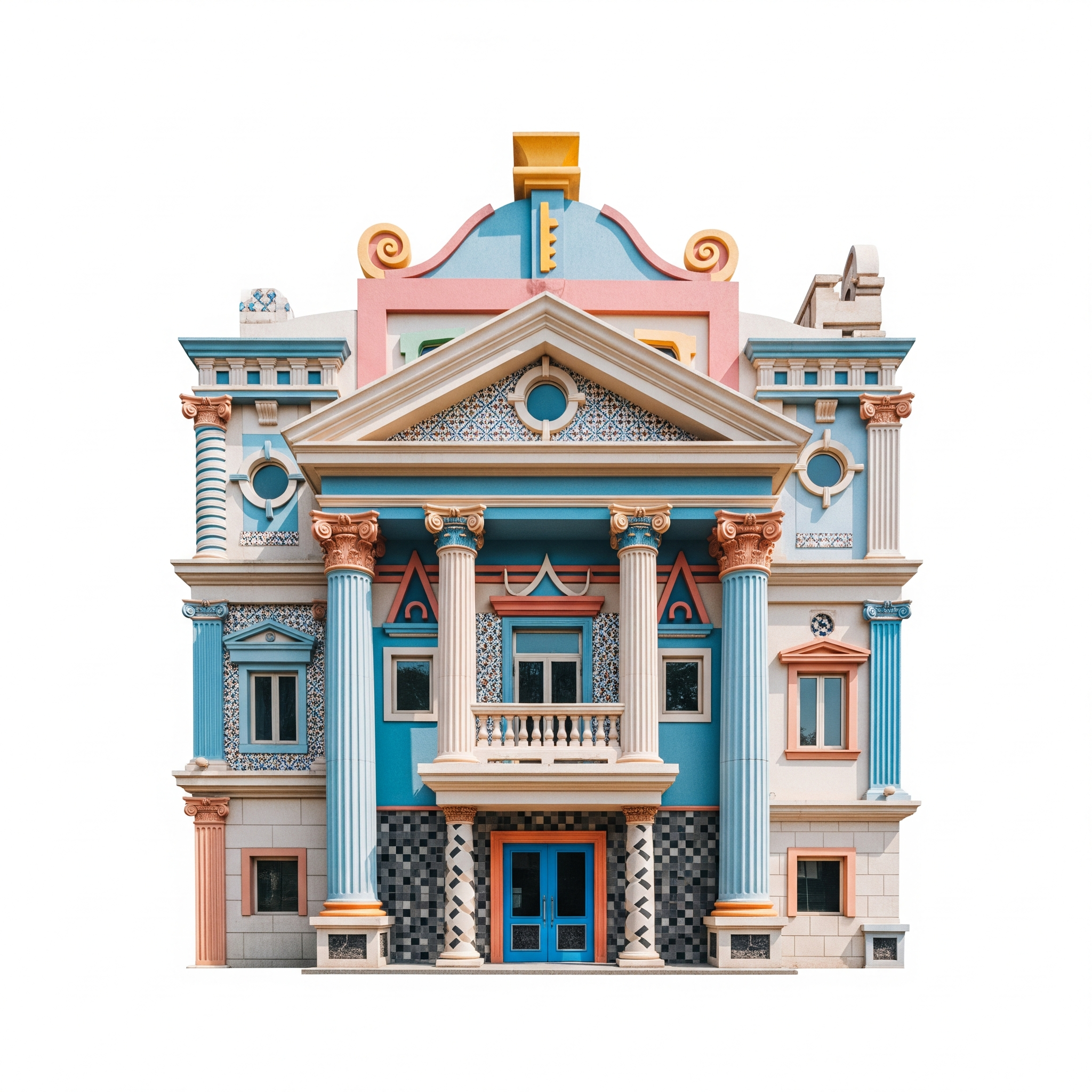
Archival print, museum-grade paper
Buy Poster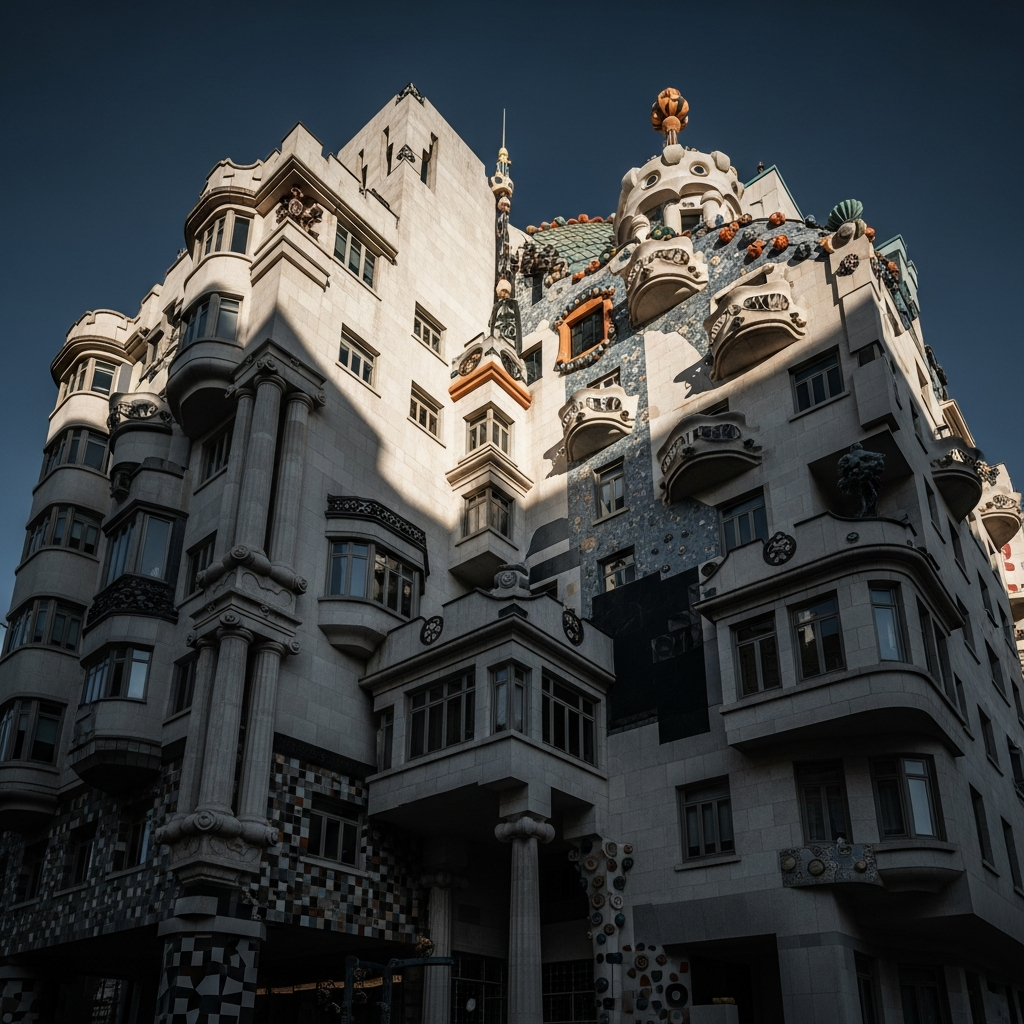
Stoneware mug, dishwasher safe
Buy Mug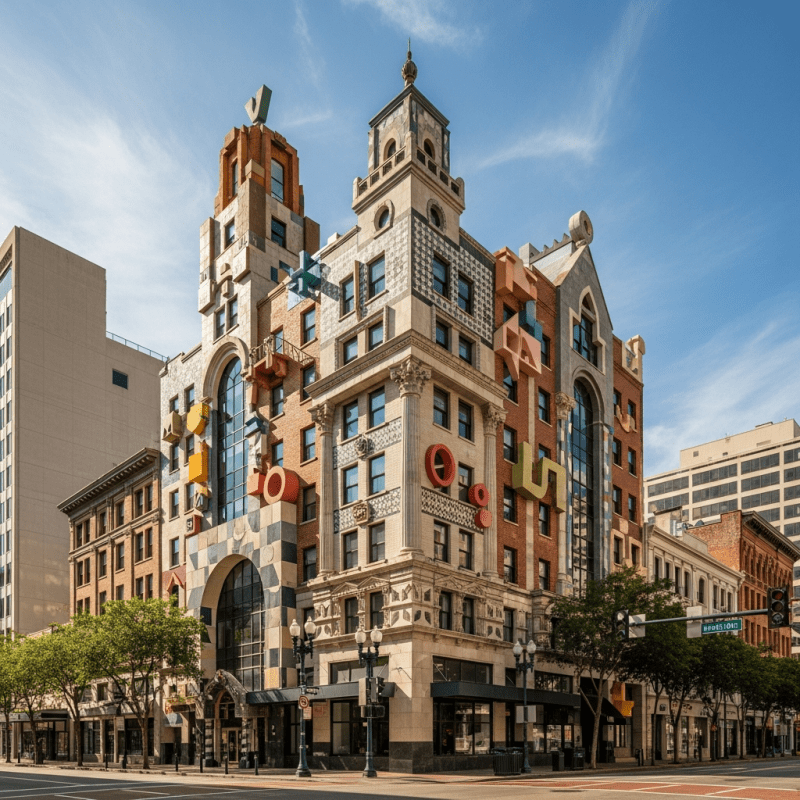
Soft cotton tee, unisex sizes
Buy ShirtPostmodernism has left a profound mark on architectural theory and practice, challenging the dogmas of Modernism and sparking debates about meaning, heritage, and identity in the built environment. Its embrace of irony, historical reference, and pluralism resonates in art, literature, and popular culture. The movement’s legacy continues to shape discussions about preservation, urbanism, and the role of architecture in reflecting societal values.
Postmodernism emerged in the 1960s in the United States, reaching its peak influence from the 1970s through the 1990s. The style rapidly diffused across the United Kingdom, Italy, Germany, and other regions, ultimately achieving global prominence. Its influence continues into the 21st century, with ongoing debates about its legacy and relevance.
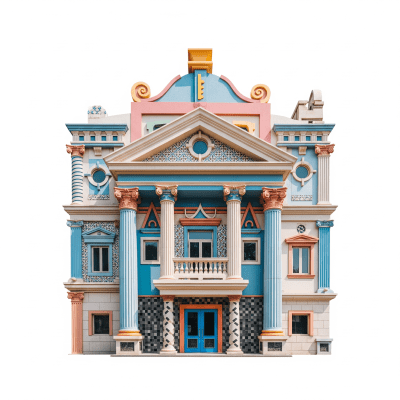
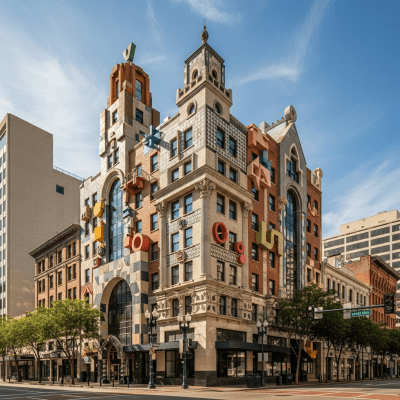

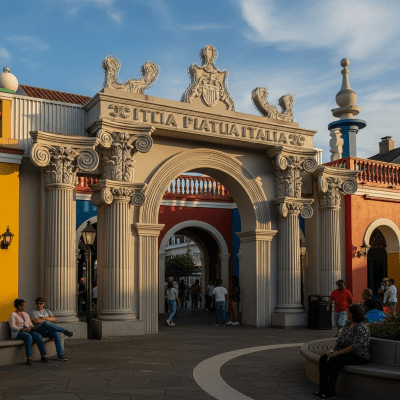

Postmodern architecture employs a wide range of materials, including concrete, glass, steel, stone, brick, and synthetic surfaces. Designers often experiment with bold colors and varied textures to create visual interest. Construction techniques range from conventional methods to innovative approaches such as prefabrication and fragmented, non-orthogonal geometry, particularly in later substyles like Deconstructivism.
Postmodernism arose as a critique of Modernism, International Style, and Brutalism, drawing inspiration from historical and vernacular architecture, Pop Art, and cultural pluralism. Related styles include Deconstructivism, Neo-Eclecticism, High-Tech, and New Urbanism. The movement often overlaps with regionalist and contextualist approaches, and its hybrid forms blur the boundaries between tradition and innovation.
Postmodern architecture has begun to receive formal recognition, with select buildings listed by heritage organizations such as Historic England (e.g., Sainsbury Wing of the National Gallery, MI6 Building). The Getty Art & Architecture Thesaurus includes "Postmodern" as a recognized style or period. While some structures are under consideration for UNESCO World Heritage status, comprehensive global recognition remains in progress. Preservation efforts are ongoing, as the movement’s relatively recent origins and controversial aesthetics pose challenges for heritage status.