
Neo-Renaissance
Neo-Renaissance is a 19th-century architectural revival style that reimagines the forms, motifs, and principles of the original Renaissance, blending classical symmetry and ornamentation with modern civic ambition.
Neo-Renaissance is a 19th-century architectural revival style that reimagines the forms, motifs, and principles of the original Renaissance, blending classical symmetry and ornamentation with modern civic ambition.
Neo-Renaissance architecture originated in Western Europe, especially England, France, and Germany, during the early 19th century. Emerging around the 1820s and flourishing through the Victorian era, it was part of the broader historicist movement that revived and adapted earlier architectural styles for contemporary needs. Architects sought inspiration from the humanist ideals and rational order of 15th- and 16th-century Italian Renaissance, translating them into monumental forms suited for the civic, cultural, and domestic buildings of a rapidly modernizing society.
Neo-Renaissance belongs to the Historicism school of architecture and is classified as a Renaissance Revival style. It encompasses several regional substyles, such as German Rundbogenstil, French Second Empire, and Russian Neo-Renaissance, each reflecting local adaptations of Renaissance principles. As a revivalist movement, it sits alongside other 19th-century styles like Neoclassicism, Romanesque Revival, and Baroque Revival, sharing a commitment to reinterpreting historical forms for new purposes.
Neo-Renaissance buildings are instantly recognizable for their symmetrical facades, rectangular plans, and horizontal emphasis. They often feature classical orders—columns and pilasters—along with ornate detailing such as pediments, balustrades, and sculptural decoration. Arched windows and doors, rusticated ground floors, and prominent cornices add to the grandeur, while domes and cupolas crown many public edifices. Richly decorated window surrounds, arcades, and loggias evoke the elegance of Renaissance palazzi, creating a sense of order and refinement.
Neo-Renaissance architecture was widely adopted for public buildings—museums, libraries, city halls, opera houses—as well as palaces, banks, educational institutions, and upscale residences. Its dignified and monumental character made it a preferred choice for civic and cultural landmarks, symbolizing progress, stability, and aspiration. The style’s adaptability allowed it to serve both functional and representational needs, providing spaces for governance, learning, and social life while projecting cultural sophistication.
Bring this kind into your world illustrated posters, mugs, and shirts.

Archival print, museum-grade paper
Buy Poster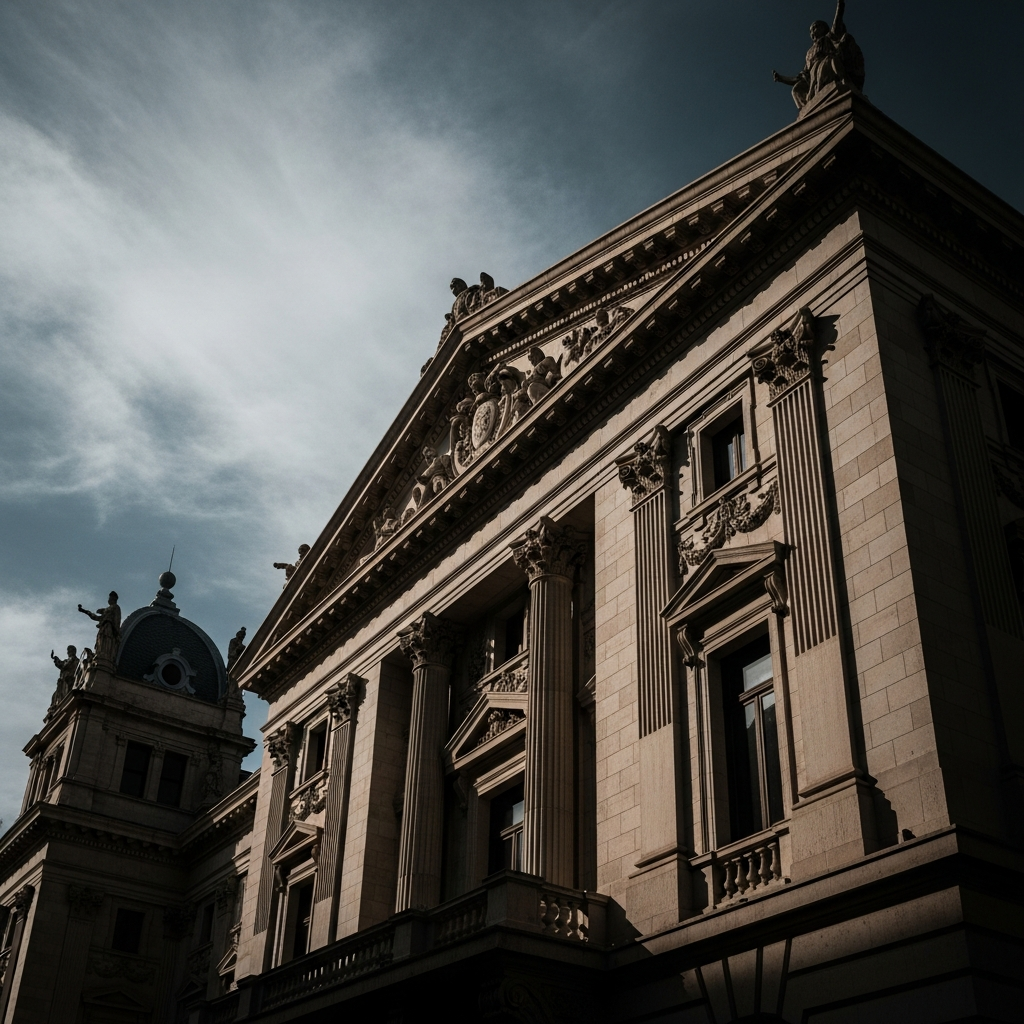
Stoneware mug, dishwasher safe
Buy Mug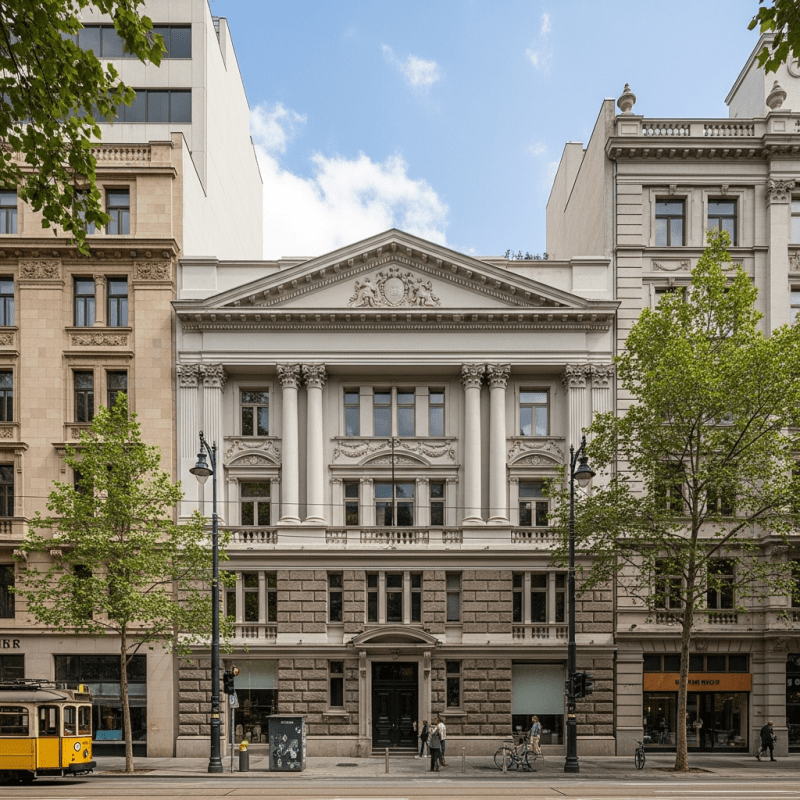
Soft cotton tee, unisex sizes
Buy ShirtNeo-Renaissance architecture became a visual language for civic pride and cultural ambition in the 19th century. By referencing the Renaissance—a period celebrated for its humanism and rationality—cities and institutions signaled their commitment to progress and enlightenment. The style’s grandeur and ornamentation made it a favorite for opera houses, theatres, and museums, embedding it in the cultural fabric of Europe and beyond. Today, Neo-Renaissance buildings are cherished as heritage landmarks, representing a pivotal era in architectural history and urban development.
Neo-Renaissance flourished from the 1820s through the early 20th century, with its peak between 1840 and 1890. It originated in Western Europe—particularly England, France, and Germany—and spread to Central and Eastern Europe, Russia, the United States, and beyond, adapting to local contexts and needs.
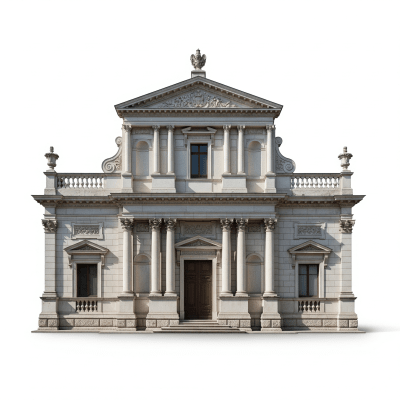
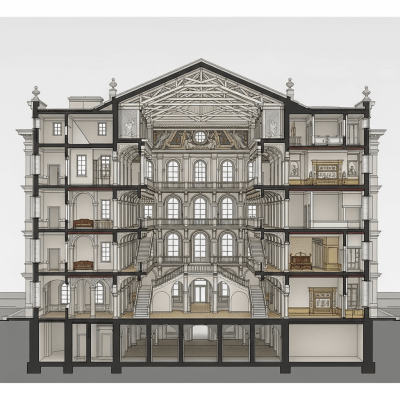
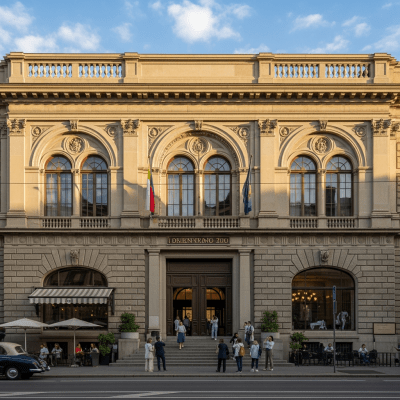
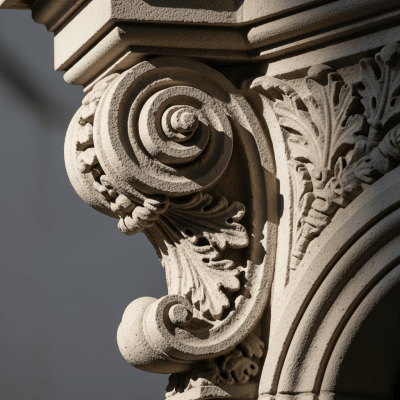
Neo-Renaissance buildings typically employ stone, brick, stucco, and terracotta, with iron and glass appearing in later examples. Construction relies on traditional masonry techniques, sometimes enhanced by industrial materials. Attention to proportion, detail, and classical ornamentation is paramount, with elaborate window surrounds and sculptural elements adding richness to facades.
Neo-Renaissance draws direct inspiration from Italian Renaissance masters like Alberti, Bramante, and Palladio, as well as French and Northern European Renaissance traditions. It is closely related to Neoclassicism (which is more restrained), Baroque Revival (often blended in Second Empire), Romanesque Revival, and Beaux-Arts, with many 19th-century buildings reflecting eclectic combinations of these styles.
Many Neo-Renaissance buildings are protected as UNESCO World Heritage Sites, national monuments, or listed landmarks—such as Vienna’s Historic Centre, Prague’s Historic Centre, and Paris’s Palais Garnier. The style is officially recognized by bodies like the Getty Vocabulary Program, RIBA, and the International Union of Architects, and ongoing conservation efforts underscore its lasting historical and cultural significance.