Neo-Gothic
Neo-Gothic, also known as Gothic Revival, is an architectural style that reimagines the forms and spirit of medieval Gothic architecture for the modern era, characterized by pointed arches, verticality, and ornate detailing.
Neo-Gothic, also known as Gothic Revival, is an architectural style that reimagines the forms and spirit of medieval Gothic architecture for the modern era, characterized by pointed arches, verticality, and ornate detailing.
Neo-Gothic architecture originated in England during the late 18th century, gaining momentum throughout the 19th century as a reaction against the rationalism of Neoclassicism and the rapid changes brought by the Industrial Revolution. Architects and patrons sought to revive the spiritual and nationalistic symbolism of the medieval Gothic, resulting in a movement that spread across Europe, North America, and beyond. This revival was deeply influenced by thinkers such as Augustus Welby Northmore Pugin and John Ruskin, who championed honesty in materials and craftsmanship, and saw Gothic forms as embodying moral and cultural values.
Neo-Gothic belongs to the broader school of Revivalist Architecture, specifically as the Gothic Revival style. It encompasses several substyles, including High Victorian Gothic, Collegiate Gothic, Carpenter Gothic, and Ecclesiological Gothic, each adapting medieval motifs to local contexts and building types.
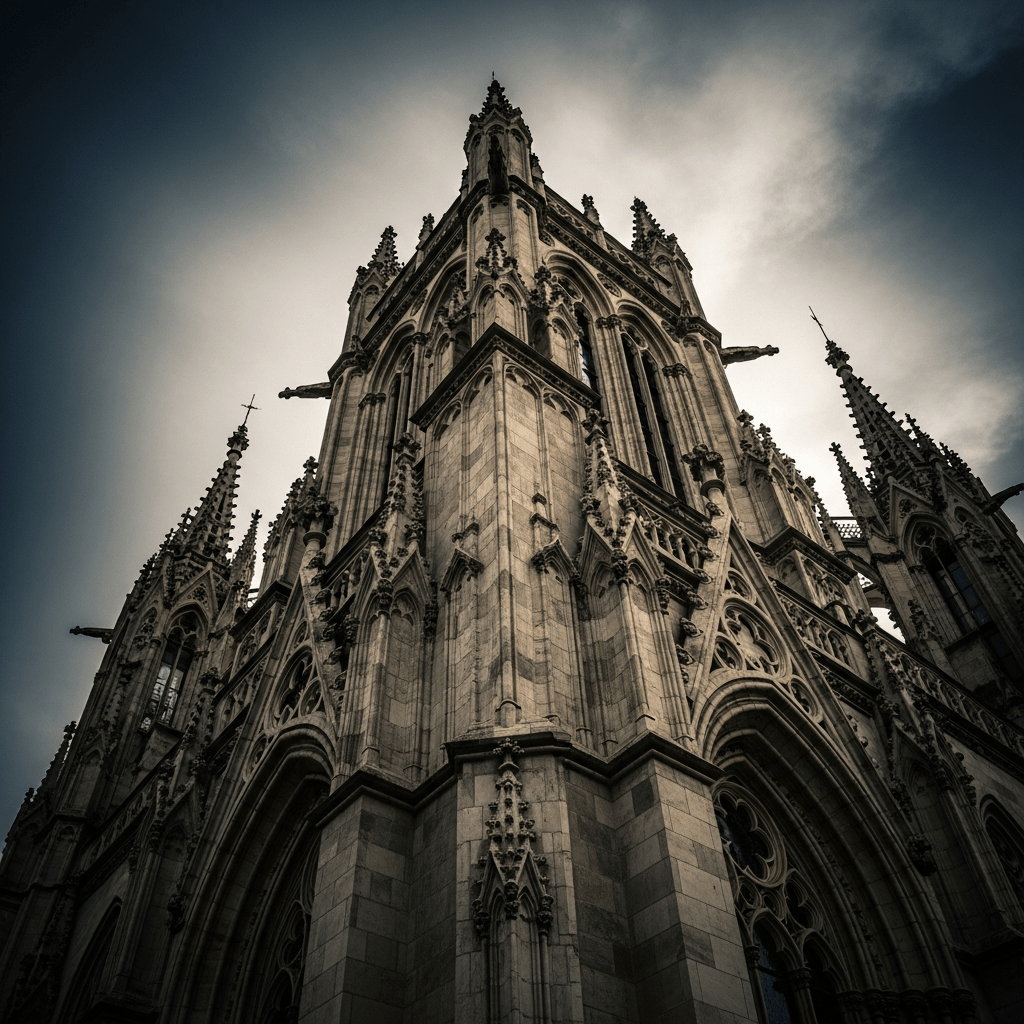
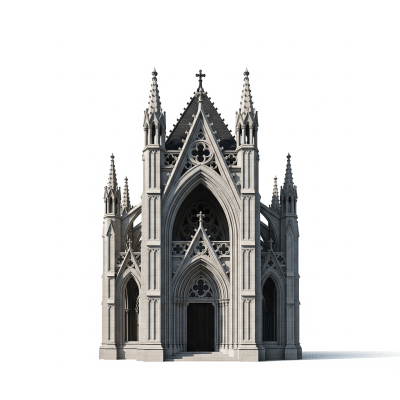
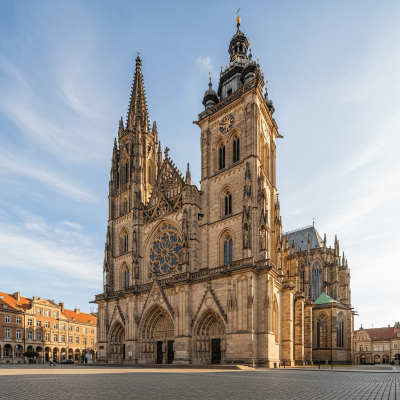
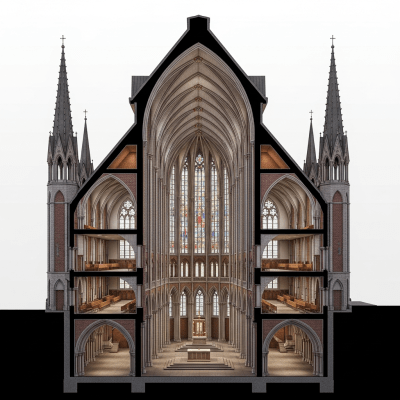
Visually, Neo-Gothic buildings are instantly recognizable for their dramatic vertical emphasis, pointed arches, ribbed vaults, and soaring spires. Facades are adorned with intricate tracery, finials, crockets, and pinnacles, while interiors often feature elaborate stone or wood carvings. The style evokes a romanticized medieval atmosphere, blending grandeur with detailed ornamentation and a play of light through stained glass windows.
Neo-Gothic architecture has been widely used for ecclesiastical, civic, and educational buildings, including churches, cathedrals, universities, government offices, railway stations, and private residences. Its symbolic associations with tradition, spirituality, and national identity made it a preferred choice for institutions seeking to convey permanence and moral authority.
Bring this kind into your world illustrated posters, mugs, and shirts.
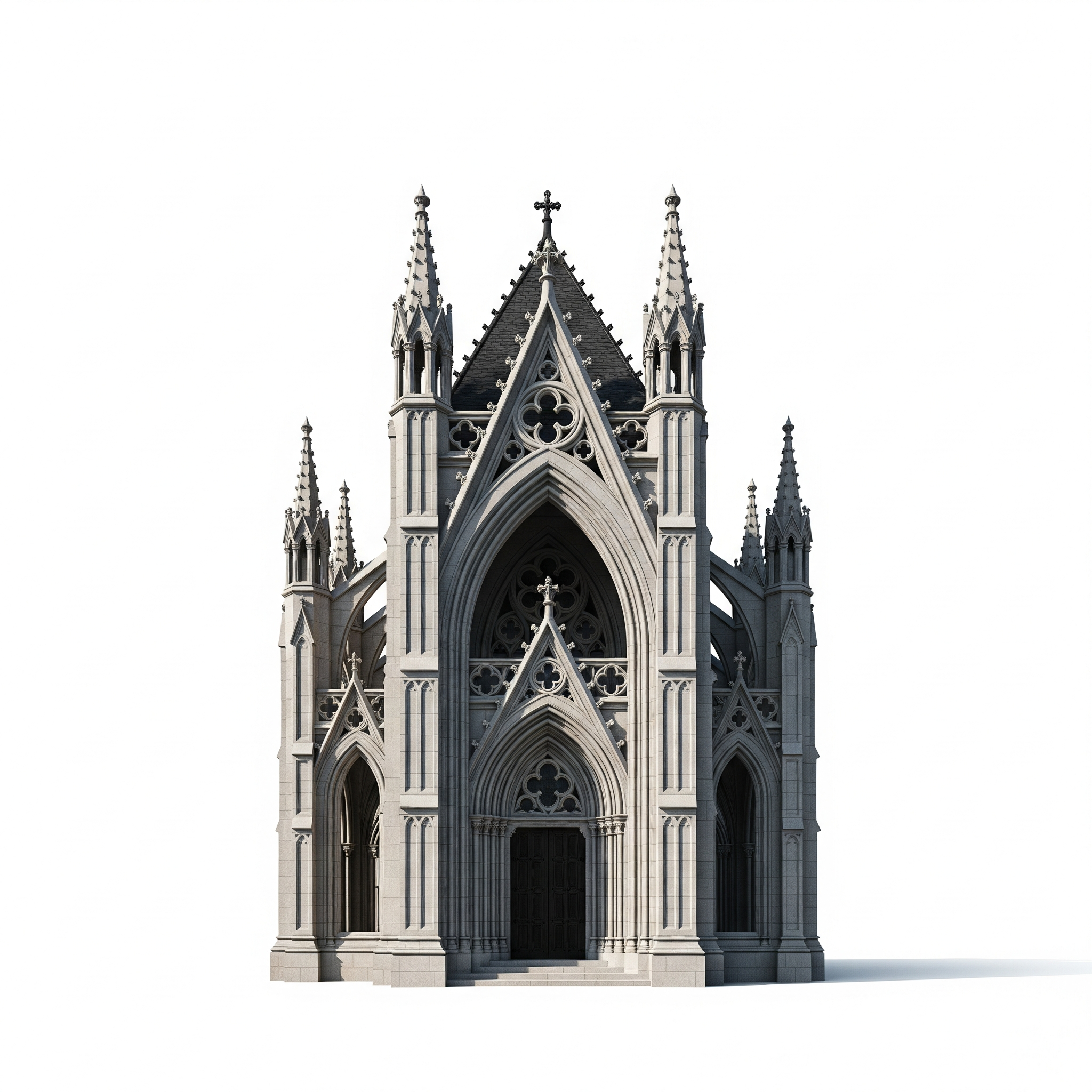
Archival print, museum-grade paper
Buy Poster
Stoneware mug, dishwasher safe
Buy Mug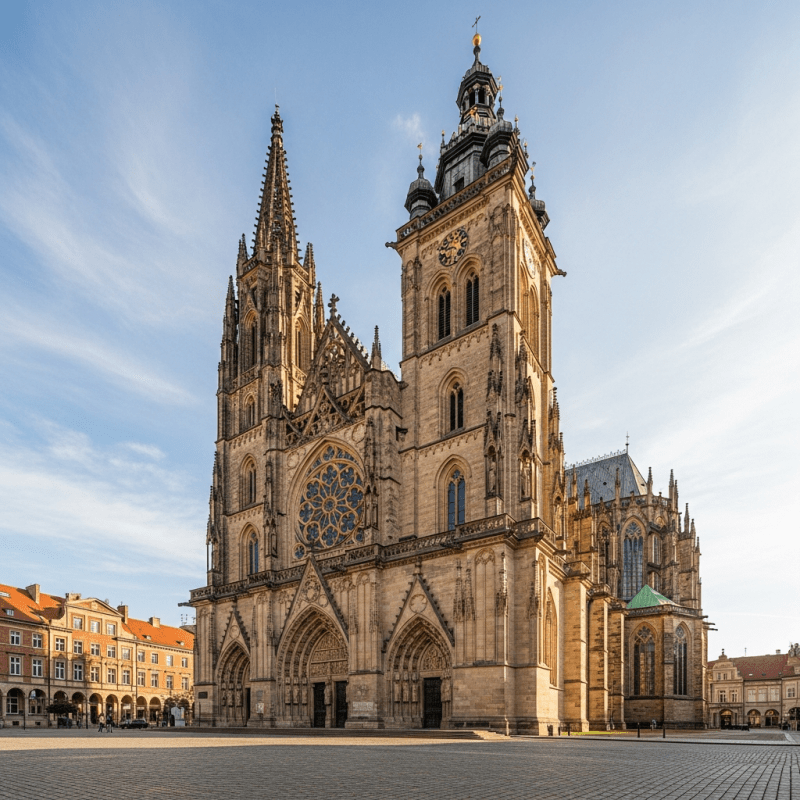
Soft cotton tee, unisex sizes
Buy ShirtNeo-Gothic became a cultural emblem of the 19th century, representing a yearning for spiritual renewal and historical continuity amid rapid social change. Its presence in literature, visual arts, and public monuments reinforced national pride and moral values. Many Neo-Gothic buildings are now cherished heritage landmarks, celebrated for their craftsmanship and historical resonance.
Neo-Gothic emerged in the United Kingdom around the 1740s and flourished throughout the 19th century, with its influence extending into the early 20th century. The style quickly spread across Europe, North America, Australia, and even parts of Asia and Africa, adapting to local traditions and needs.


Neo-Gothic buildings are typically constructed from stone and brick, with wood used in North American variants like Carpenter Gothic. Later examples incorporate iron and steel frameworks, allowing for larger spans and more intricate detailing. Traditional masonry techniques were complemented by prefabricated elements and industrial materials as the style evolved.
Neo-Gothic draws direct inspiration from medieval Gothic architecture, as well as the Romantic and Ecclesiological movements. It shares affinities with Romanesque Revival, Tudor Revival, Arts and Crafts, Victorian architecture, and occasionally blends with Beaux-Arts elements. Some Neo-Gothic buildings incorporate industrial materials or local vernacular traditions, reflecting a hybrid approach to design.
Many Neo-Gothic buildings are officially recognized as heritage landmarks, with some inscribed on the UNESCO World Heritage List, such as the Palace of Westminster and Cologne Cathedral. National bodies like Historic England and the National Register of Historic Places (USA) protect numerous Neo-Gothic structures, underscoring the style's enduring cultural and historical value.