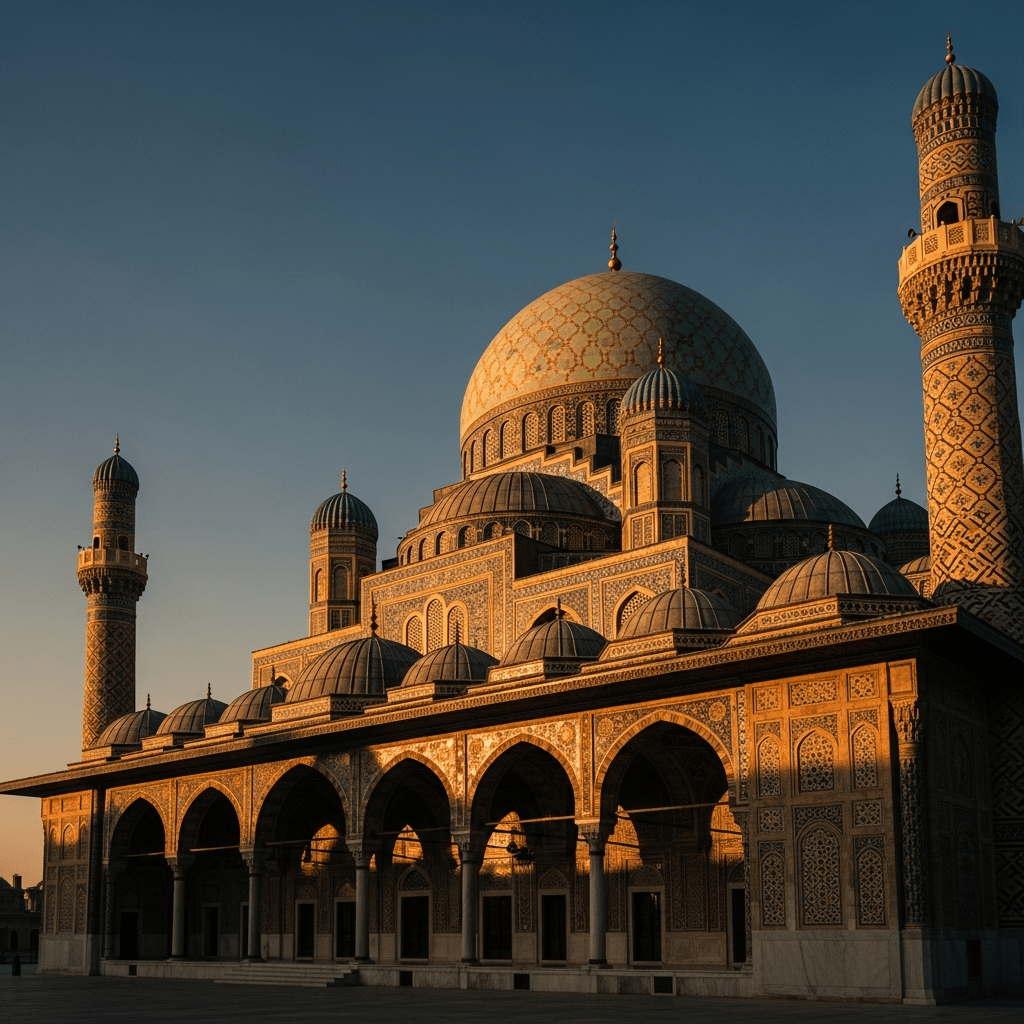
Islamic Architecture
Islamic architecture is a rich and influential tradition of building design, renowned for its distinctive domes, arches, intricate ornamentation, and spiritual symbolism across religious, civic, and domestic spaces.
Islamic architecture is a rich and influential tradition of building design, renowned for its distinctive domes, arches, intricate ornamentation, and spiritual symbolism across religious, civic, and domestic spaces.
Islamic architecture originated in the Arabian Peninsula during the 7th century CE, coinciding with the rise of Islam. As Islamic civilization expanded, its architectural language absorbed and transformed local building traditions from the Middle East, North Africa, Iberia, Central and South Asia, and beyond, resulting in a dynamic and diverse legacy that continues to evolve today.
Classified within Religious/Cultural Architecture, Islamic architecture is not a single style but a family of related traditions. It encompasses numerous substyles—such as Umayyad, Abbasid, Fatimid, Ottoman, Mughal, and Moorish—each shaped by regional, historical, and cultural influences. Its scope includes both sacred and secular buildings, unified by shared motifs and philosophies rooted in the Islamic faith.
Islamic architecture is visually striking, defined by large domes, pointed and horseshoe arches, soaring minarets, and spacious courtyards. Interiors and exteriors are adorned with geometric patterns, arabesques, and calligraphy, creating a sense of infinite repetition and unity. The avoidance of figural imagery in religious contexts leads to an emphasis on abstract ornamentation and harmonious spatial organization, often bathed in filtered light through intricately carved screens.
Functionally, Islamic architecture serves religious, educational, residential, and civic purposes. Mosques are oriented toward Mecca, facilitating communal prayer and reflection, while madrasas foster learning. Palaces, caravanserais, and hammams support daily life and governance. Architectural elements such as courtyards and arcades provide shade and social gathering spaces, adapting to climate and community needs.
Bring this kind into your world illustrated posters, mugs, and shirts.
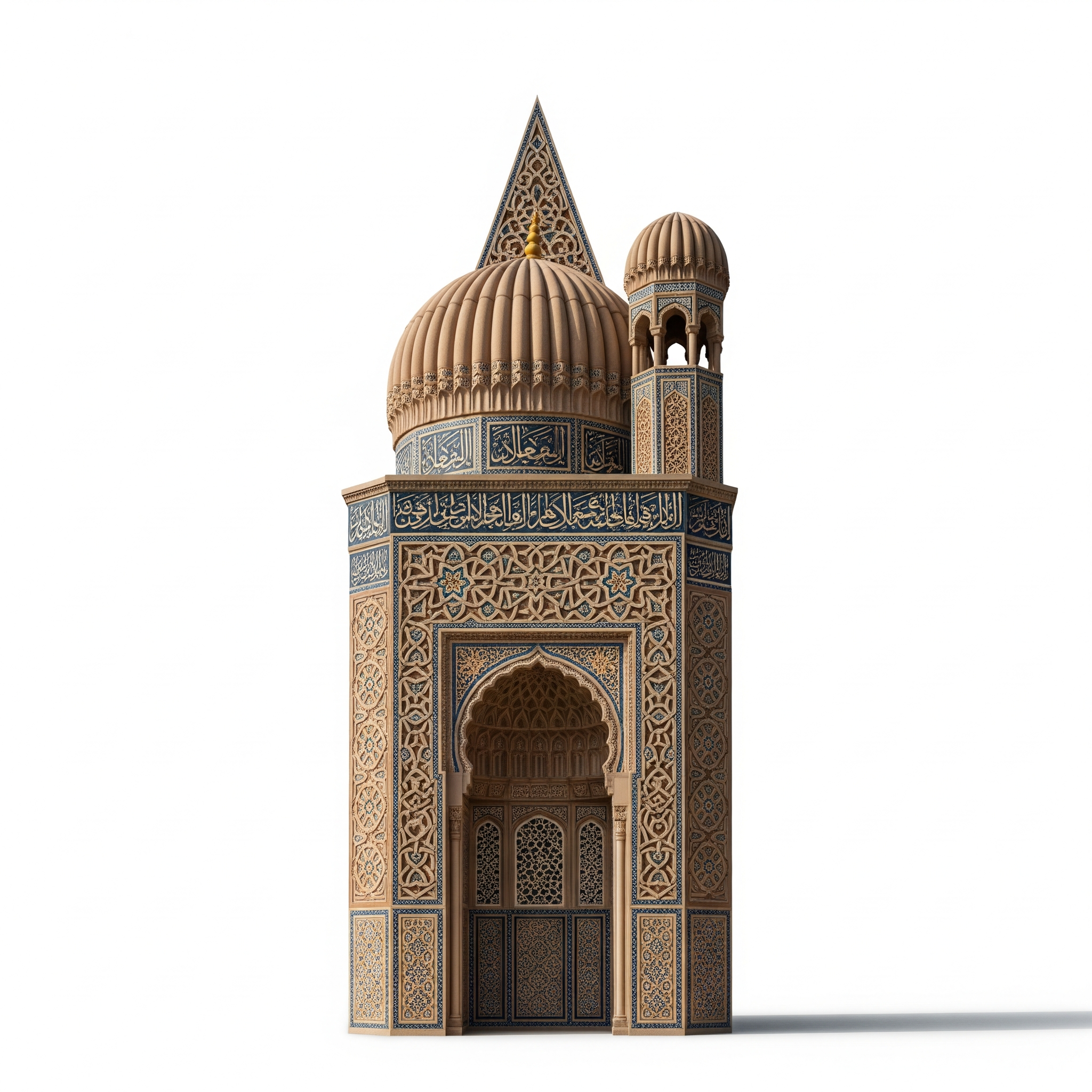
Archival print, museum-grade paper
Buy Poster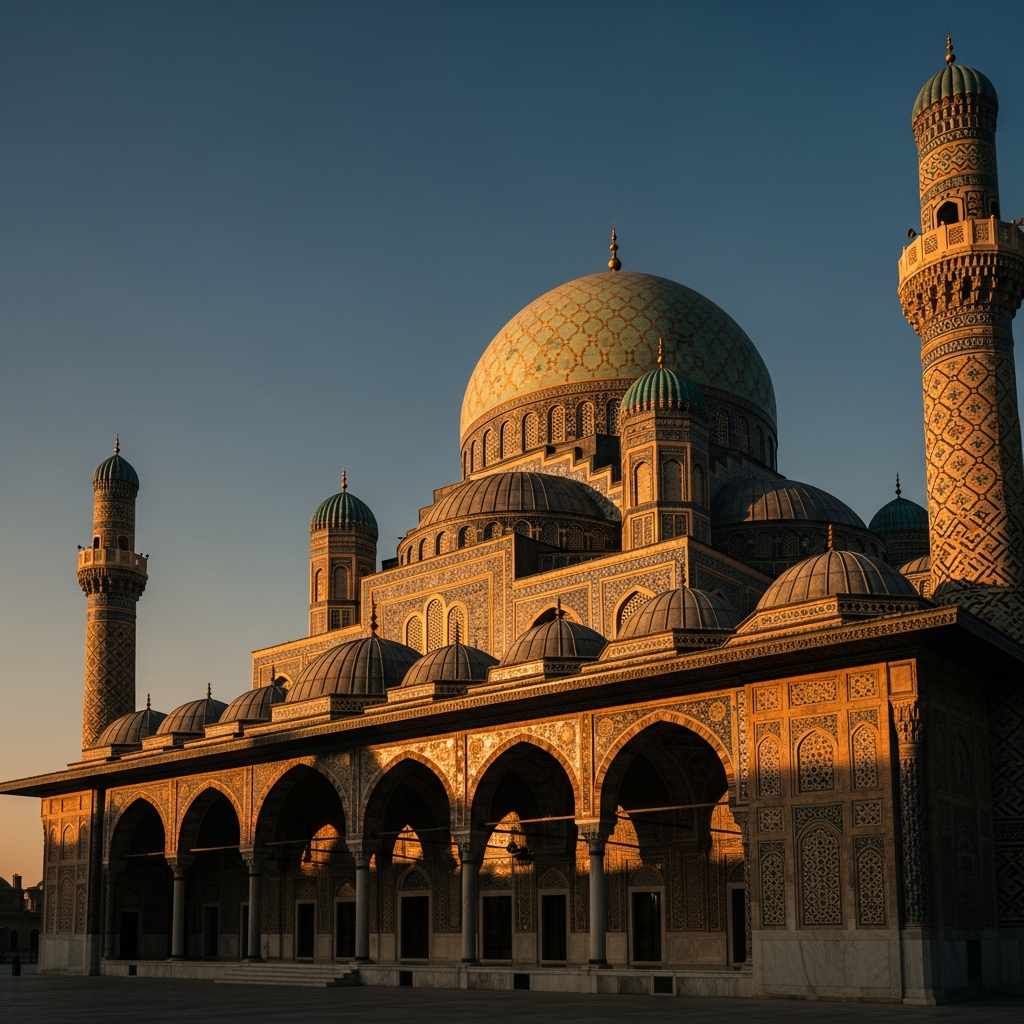
Stoneware mug, dishwasher safe
Buy Mug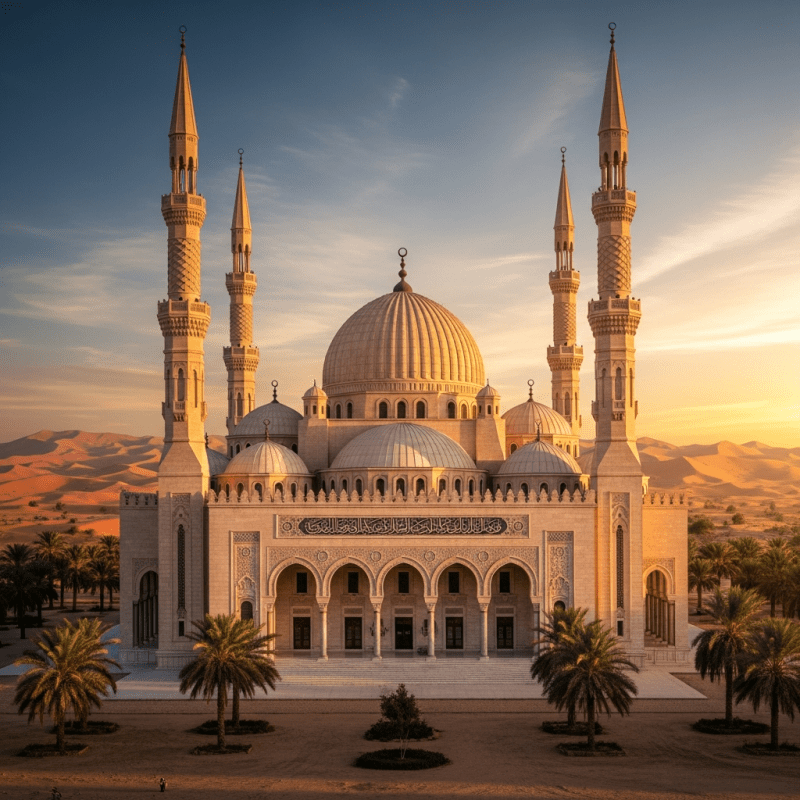
Soft cotton tee, unisex sizes
Buy ShirtIslamic architecture stands as a testament to the artistic, scientific, and spiritual achievements of Islamic civilization. Its masterpieces—mosques, palaces, mausoleums—are celebrated in art, literature, and global heritage. The style’s emphasis on unity, order, and the infinite has inspired generations, influencing modern design and remaining central to the cultural identity of diverse societies across continents.
Islamic architecture emerged in the Arabian Peninsula in the early 7th century CE and flourished across the Middle East, North Africa, Iberian Peninsula, Central and South Asia, Southeast Asia, and parts of Sub-Saharan Africa. Its development spans from the earliest mosques to contemporary expressions, adapting to local cultures and materials over more than a millennium.
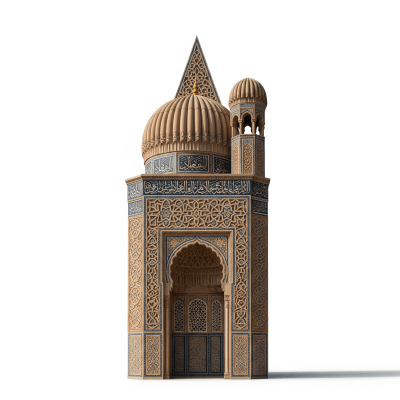
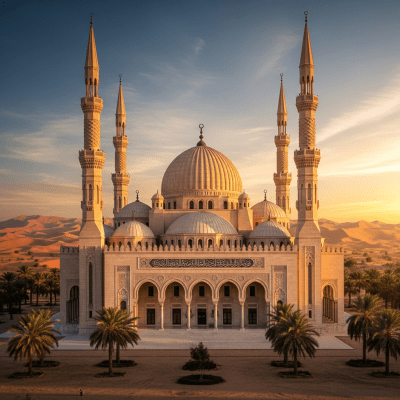

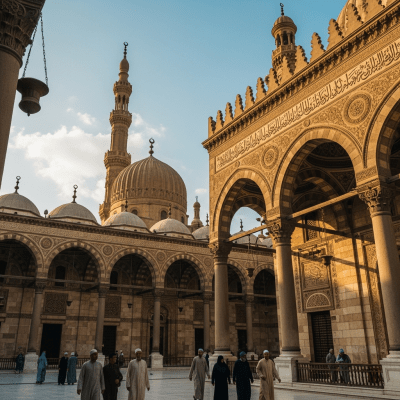
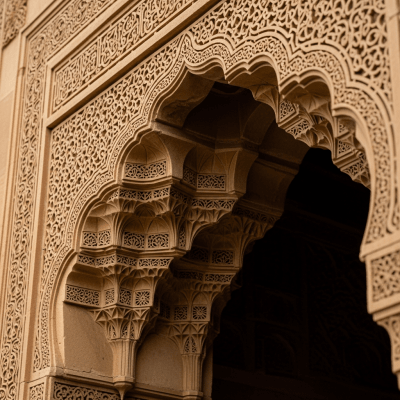
Islamic architecture utilizes stone, brick, stucco, wood, tile, and glazed ceramics, often sourced locally to suit climate and tradition. Construction techniques include advanced vaulting, squinches and pendentives for domes, intricate tilework (zellij, mosaic, faience), carved stucco, and wooden screens (mashrabiya). The result is a blend of durability, artistry, and regional adaptation.
Islamic architecture draws from pre-Islamic Byzantine, Sassanian, and Persian traditions, as well as indigenous building practices of regions it encountered. Related and successor styles include Moorish, Ottoman, Mughal, Persian, and Indo-Islamic, with notable hybrids such as Hispano-Moresque in Iberia and Sino-Islamic in China. Its influence extends into vernacular forms and modern interpretations worldwide.
Islamic architecture is honored through numerous UNESCO World Heritage listings, including the Alhambra, Great Mosque of Córdoba, Dome of the Rock, Taj Mahal, and Great Mosque of Djenné. These sites are protected for their global cultural significance, with ongoing preservation efforts by international bodies such as UNESCO and the Getty Vocabulary Program. Despite threats from conflict and environmental change, Islamic architecture remains a vital and celebrated part of world heritage.