Gothic
Gothic architecture is a medieval European style renowned for its soaring stone structures, pointed arches, ribbed vaults, and luminous stained glass, shaping some of the world’s most iconic cathedrals and churches.
Gothic architecture is a medieval European style renowned for its soaring stone structures, pointed arches, ribbed vaults, and luminous stained glass, shaping some of the world’s most iconic cathedrals and churches.
Gothic architecture emerged in the mid-12th century in the Île-de-France region of France, born from a quest to create sacred spaces filled with light and vertical grandeur. Its development was driven by advances in engineering and religious ambition, rapidly spreading across Western and Central Europe. The style flourished until the 16th century, with regional variants and later revivals extending its influence well beyond its medieval origins.
Gothic is a principal style within the school of Medieval European Architecture. It follows Romanesque architecture and precedes the Renaissance, with substyles such as Early (Lancet), High (Rayonnant), and Late (Flamboyant) Gothic, as well as distinct English variants like Decorated and Perpendicular. Its classification is defined by structural innovation, aesthetic motifs, and its role in religious and civic architecture.
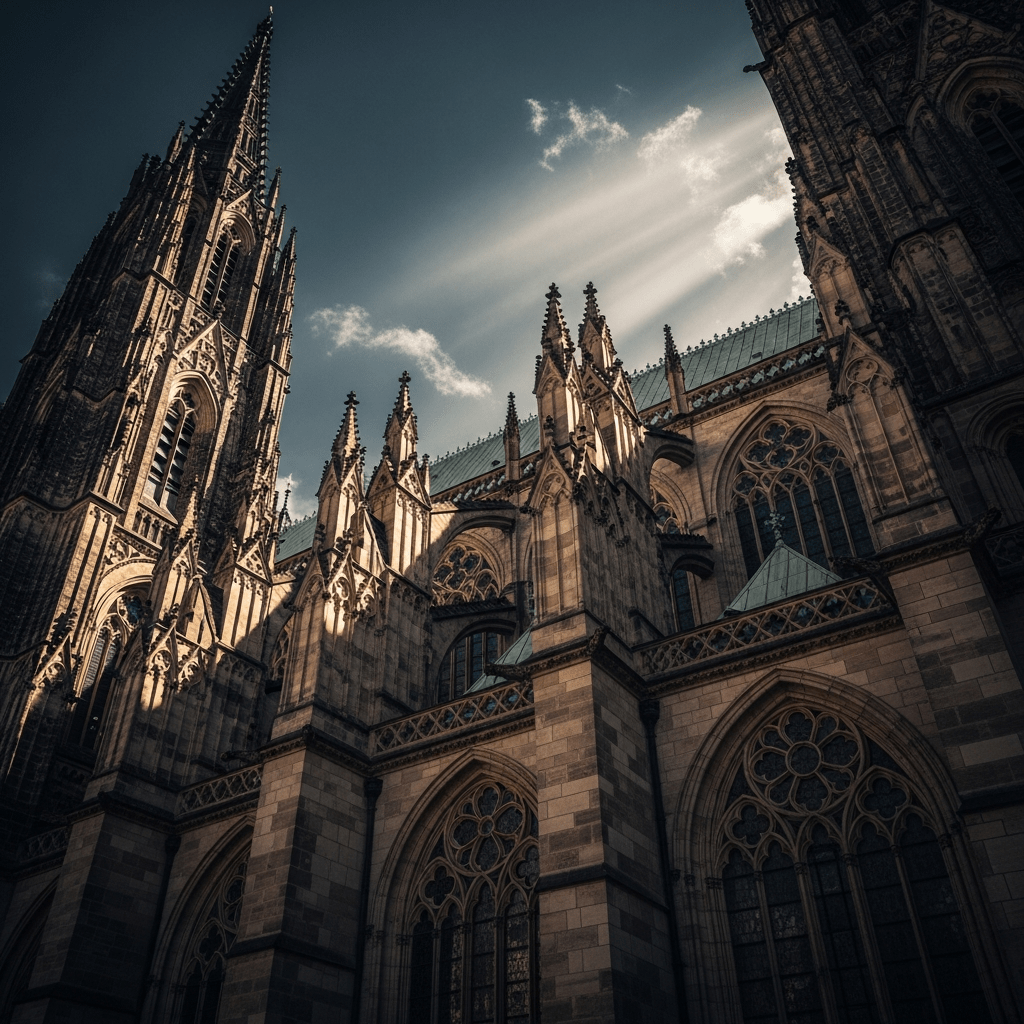
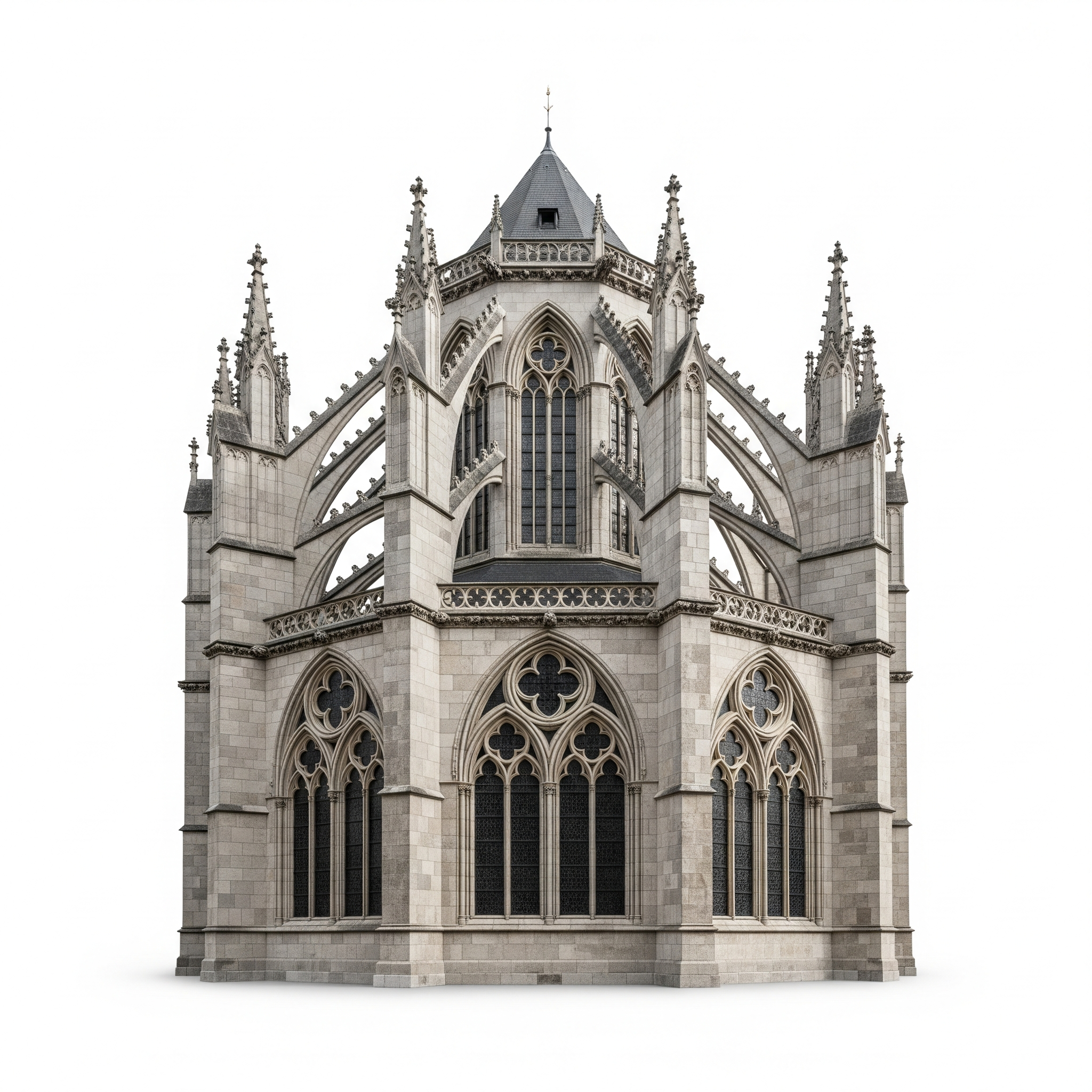
Gothic buildings are instantly recognizable for their vertical emphasis and ethereal interiors. Pointed arches soar overhead, ribbed vaults create intricate ceiling patterns, and flying buttresses support walls punctuated by vast stained glass windows. Exteriors bristle with spires, pinnacles, and sculptural tracery, while interiors glow with colored light and elaborate iconography, evoking awe and transcendence.
Primarily designed for cathedrals, abbeys, and churches, Gothic architecture also shaped collegiate buildings, civic halls, and palaces. Its innovative structures allowed for larger, brighter, and more communal worship spaces, transforming religious experience. Civic and secular buildings adopted Gothic elements to convey prestige and authority, with the style’s adaptability fostering local interpretations across Europe.
Bring this kind into your world illustrated posters, mugs, and shirts.
Archival print, museum-grade paper
Buy Poster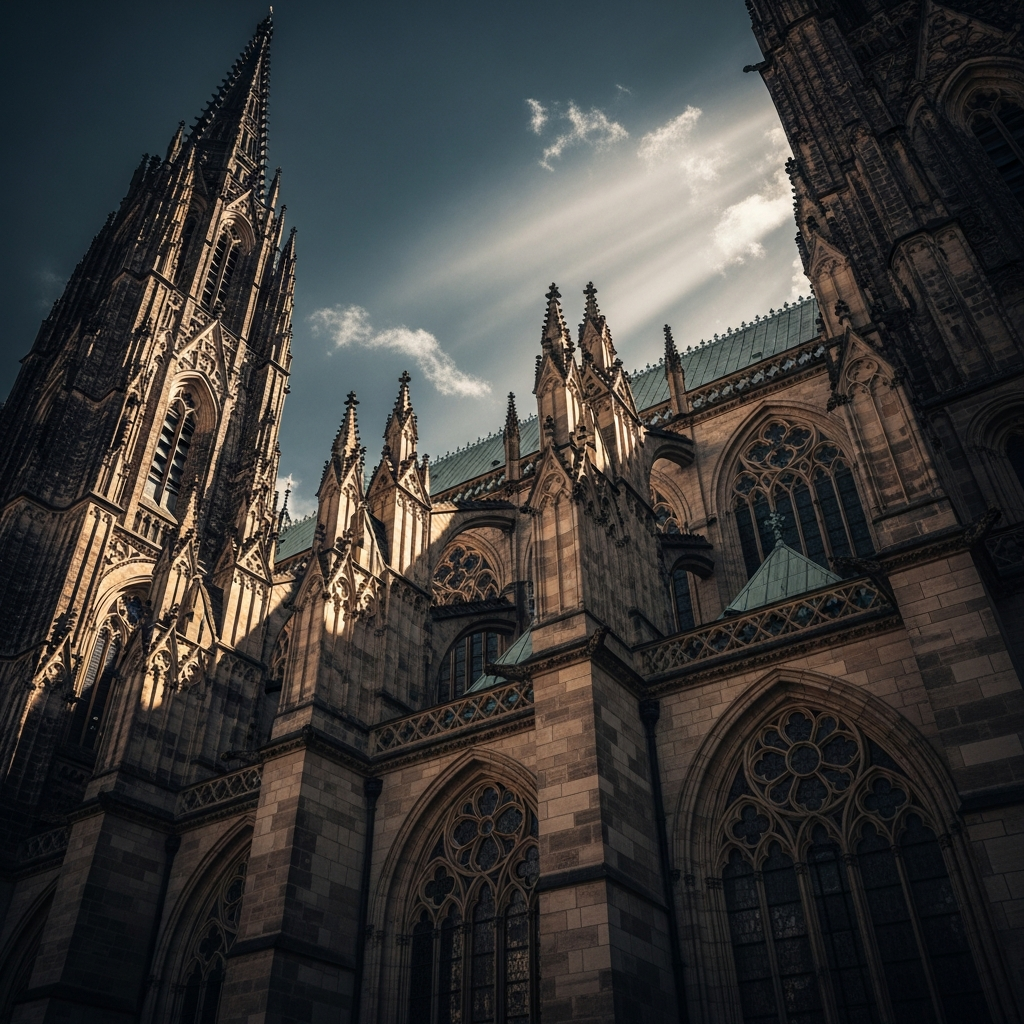
Stoneware mug, dishwasher safe
Buy Mug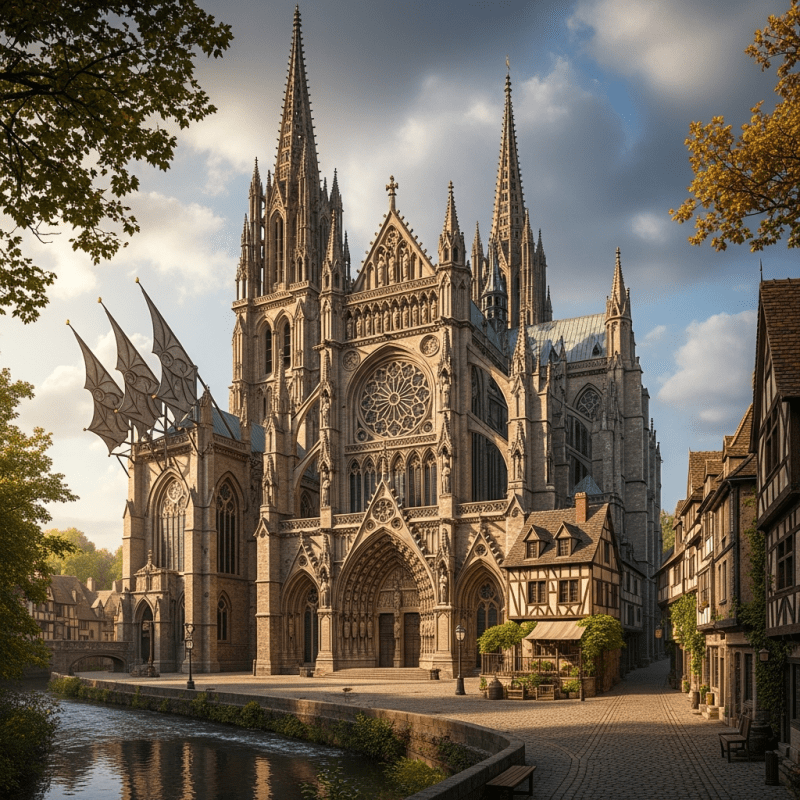
Soft cotton tee, unisex sizes
Buy ShirtGothic architecture is deeply woven into the cultural and spiritual fabric of Europe. Its cathedrals became centers of faith, art, and community, inspiring generations of artists, writers, and architects. The style’s iconography and dramatic forms have influenced literature, film, and visual arts, while its revival in the 18th–19th centuries sparked renewed appreciation and reinterpretation, especially in Britain and North America.
Gothic architecture originated in Île-de-France, France, around 1140 CE, and dominated European building from the 12th to the 16th centuries. Its reach extended through Western and Central Europe, including England, Germany, Spain, Italy, and beyond, with regional adaptations and later revivals continuing into the 19th century.
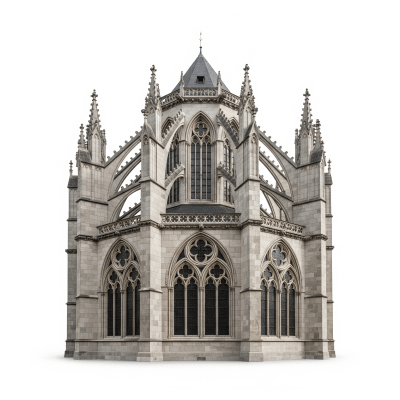
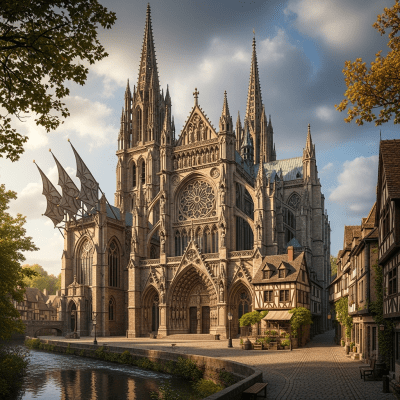
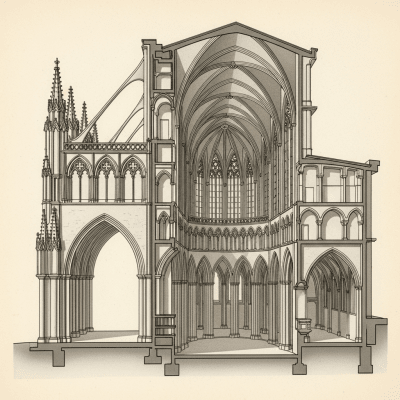
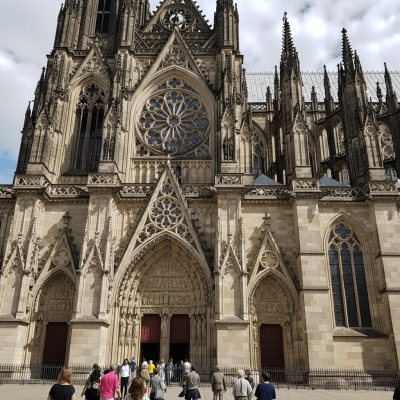

Gothic structures are primarily built from stone masonry, with stained glass used to fill vast window openings. Construction techniques include pointed arches for spanning large spaces, ribbed vaults for distributing ceiling weight, and flying buttresses to counteract lateral forces, allowing for taller, lighter buildings with intricate ornamentation.
Gothic architecture evolved from Romanesque traditions, adopting and refining structural innovations. It paved the way for Renaissance architecture’s classical revival and inspired later movements such as Gothic Revival (Neo-Gothic) in the 18th and 19th centuries. Transitional forms and regional adaptations often blended Gothic features with local styles, reflecting the dynamic evolution of European architecture.
Each region adapted Gothic principles to local traditions, materials, and tastes, resulting in a rich diversity of forms and details.
Many Gothic masterpieces are designated UNESCO World Heritage Sites, including Chartres Cathedral, Cologne Cathedral, and Westminster Abbey. The style is recognized by international and national heritage bodies for its architectural and cultural significance, with ongoing efforts dedicated to preservation, restoration, and scholarly study. Some sites face challenges from environmental and human threats, underscoring the importance of continued conservation.