Origin Story

Emerging in the United Kingdom during the reigns of George I through George IV (1714–1830), Georgian architecture arose from a renewed fascination with ancient Roman and Greek ideals, interpreted through Renaissance and Palladian lenses. Its influence quickly spread to British colonies, including North America, the Caribbean, Ireland, and Australia, where local materials and climates inspired distinctive adaptations.

Classification

Georgian belongs to the Western Classical school of architecture, drawing directly from classical antiquity and Renaissance traditions. It is classified as a style within this school, with recognized substyles such as Early Georgian, Late Georgian, and Colonial Georgian, reflecting chronological and regional nuances.

Appearance or Form

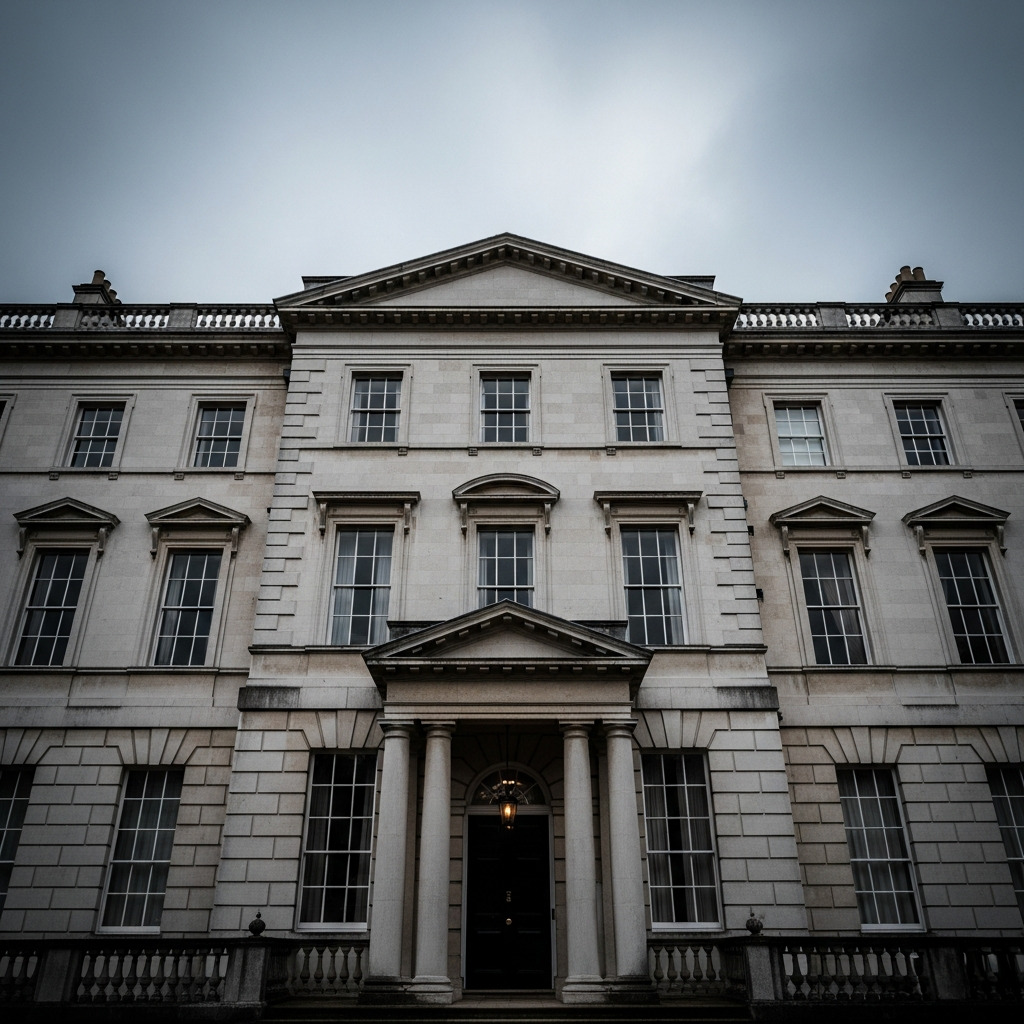
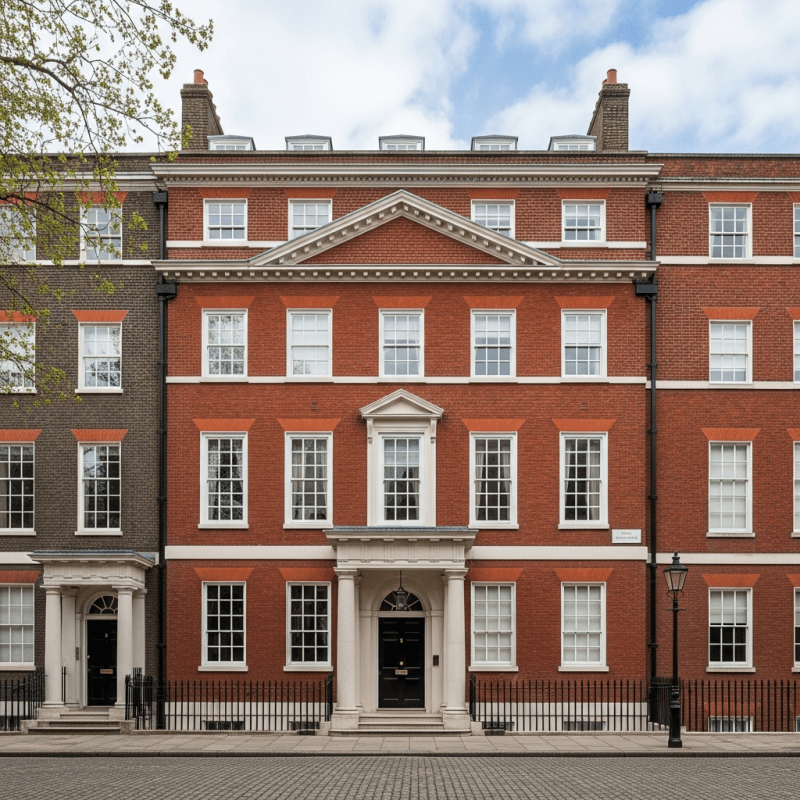
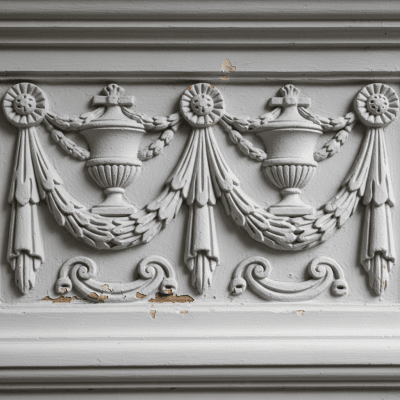
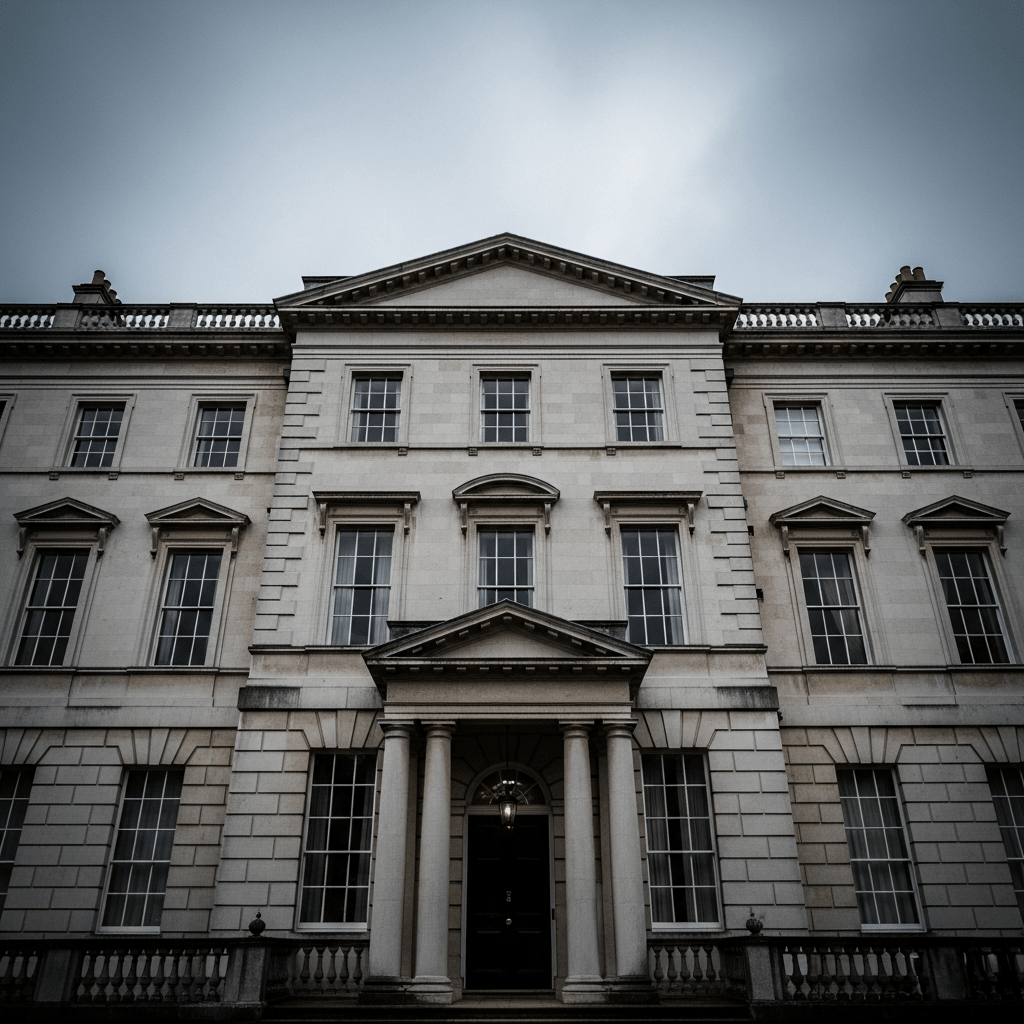
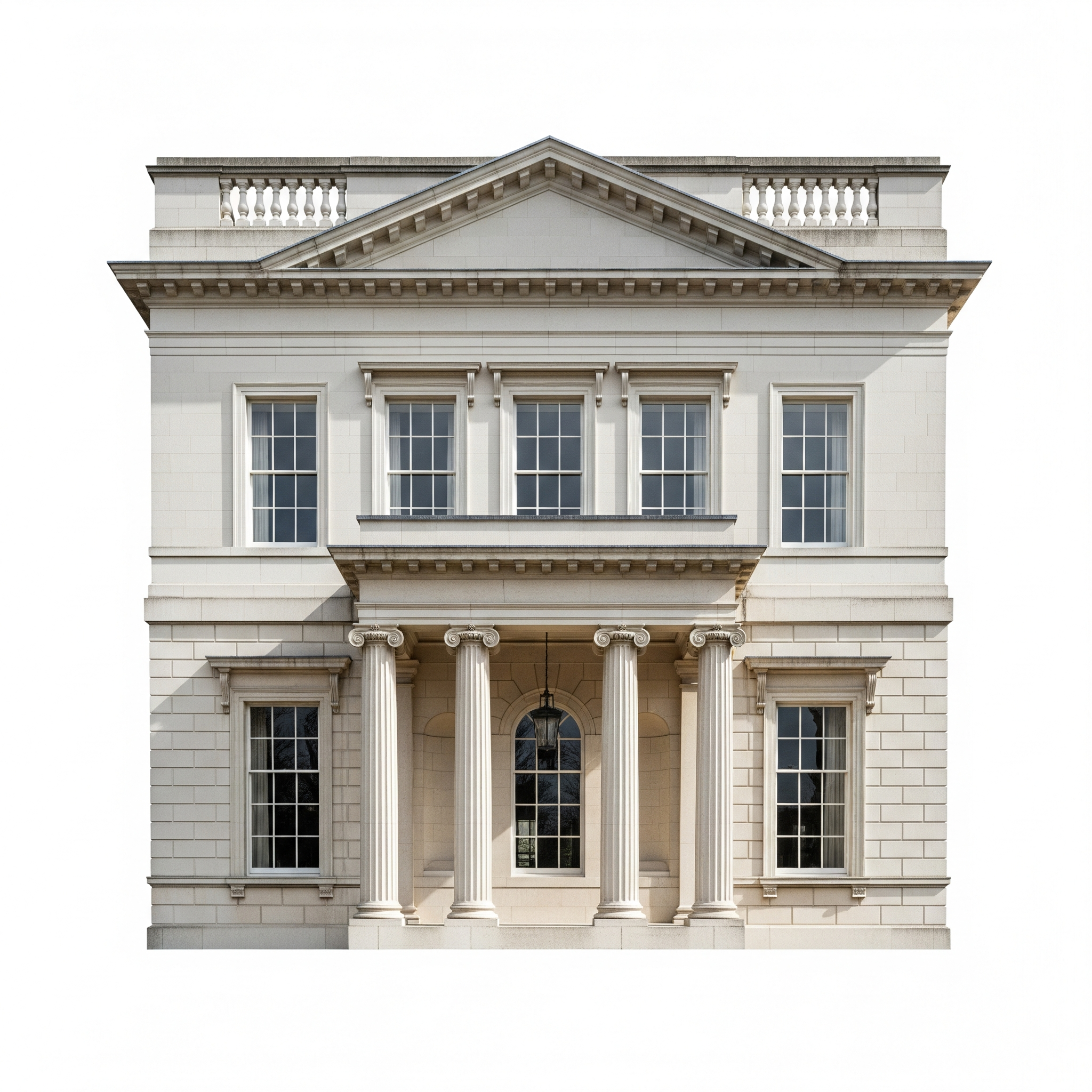
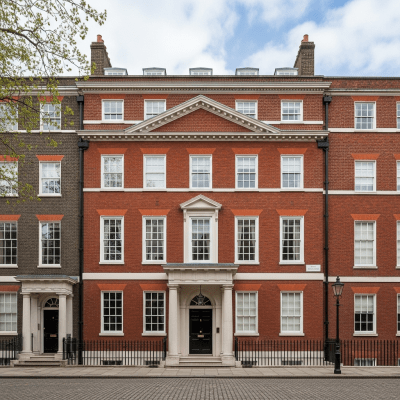
Georgian buildings are instantly recognizable for their balanced, rectangular facades, typically two or three stories high. Hallmarks include brickwork (often in red or brown), stone detailing, and sash windows with small panes arranged in neat vertical and horizontal rows. Entrances are frequently adorned with decorative crowns, pediments, fanlights, and classical columns or pilasters, all underscored by a sense of order and harmony. Interiors continue the theme of symmetry, with rooms laid out in rational, proportional grids.

Behavior or Usage

Georgian architecture was designed for versatility and dignity, serving as the blueprint for townhouses, country estates, civic buildings, churches, and institutions. Its rational layouts and restrained ornamentation made it ideal for both private and public use, facilitating efficient circulation, natural light, and a sense of decorum. In colonial contexts, adaptations allowed for climate and local materials, ensuring the style’s enduring practicality.

Merchandise & Prints

Bring this kind into your world � illustrated posters, mugs, and shirts.
Georgian Georgian Poster

Georgian Poster

Archival print, museum-grade paper

Georgian Georgian Mug

Georgian Mug

Stoneware mug, dishwasher safe

Georgian Georgian Shirt

Georgian Shirt

Soft cotton tee, unisex sizes

Attributes & Insights

Taxon-Specific Insights

🌍Cultural Significance

Georgian architecture is deeply woven into the cultural fabric of the English-speaking world. Its orderly facades and stately proportions symbolize Enlightenment ideals of reason and civility, appearing in literature, art, and film as shorthand for elegance and tradition. Many historic districts and heritage sites celebrate Georgian buildings, which continue to inspire contemporary design and preservation efforts.

📌Notable Facts

  • The style’s name comes from the succession of British monarchs named George.
  • Pattern books were widely used to standardize Georgian architectural details, making the style accessible across continents.
  • In North America, wood was often painted to mimic stone, adapting the style to local resources.
  • The city of Bath, UK, is a UNESCO World Heritage Site largely due to its Georgian architecture.
  • Georgian Revival brought the style back into vogue in the late 19th and early 20th centuries.

🗺️Period And Region

Georgian architecture flourished from 1714 to 1830, coinciding with the reigns of George I–IV in Britain. It originated in the United Kingdom but became widespread in North America, the Caribbean, Ireland, and Australia, adapting to local climates and materials while maintaining its classical core.
Visual Variations

High quality, studio-style photograph of a single Georgian from the architecture taxonomy
A wide-angle photograph of Georgian, a type of architecture, situated in its typical environment or setting
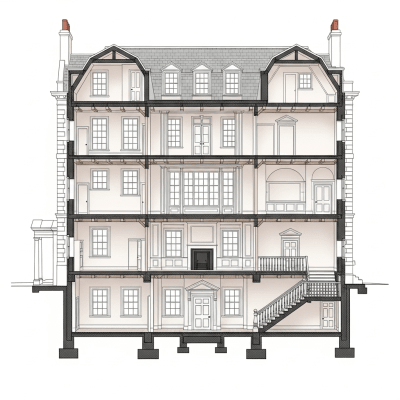
Detailed cross-sectional illustration or cutaway view showing the internal layout and key structural elements of the Georgian (architecture)
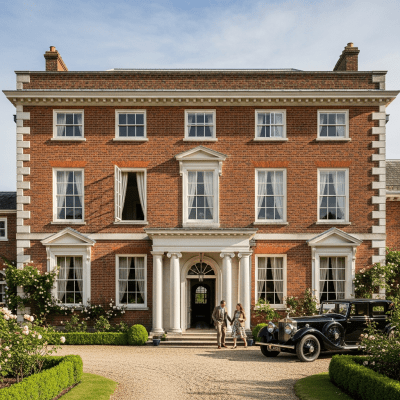
Photograph depicting Georgian, an example of architecture, in active use or cultural context—such as being inhabited, visited, or used for its intended purpose—while keeping focus on the structure itself
Close-up detail shot of a distinctive feature or ornamentation from the Georgian (architecture), showing material texture, craftsmanship, or unique design elements

Composition & Context

Taxon-Specific Insights

✨Key Characteristics

  • Symmetry and proportion: Facades and interiors are meticulously balanced.
  • Rectangular massing: Buildings are box-like, with hipped or gabled roofs.
  • Sash windows: Small-paned windows aligned in orderly grids.
  • Central entryways: Often highlighted by decorative crowns, fanlights, and classical columns.
  • Restrained ornamentation: Decorative elements are elegant but never excessive.

🧱Materials And Techniques

Georgian buildings primarily use brick for walls, with stone for detailing; in colonial regions, timber is painted to resemble stone. Construction relies on load-bearing masonry, with timber framing in adaptations. Pattern books standardized details, ensuring consistency across regions and builders.

🏛️Notable Works

  • The Royal Crescent, Bath, UK – a sweeping row of terraced houses by John Wood the Younger.
  • No. 10 Downing Street, London, UK – the iconic residence of the British Prime Minister.
  • Drayton Hall, Charleston, South Carolina, USA – a pristine example of Colonial Georgian.
  • Independence Hall, Philadelphia, USA – the birthplace of the United States.
  • Kenwood House, London, UK – a late Georgian masterpiece with Neoclassical influence.

👷‍♂️Notable Practitioners

  • Robert Adam – influential in late Georgian and Neoclassical design.
  • James Gibbs – known for landmark churches and civic buildings.
  • William Kent – pioneer of Palladian and Georgian forms.
  • John Wood the Elder & John Wood the Younger – architects of Bath’s Georgian splendor.
  • Peter Harrison and Samuel McIntire – key figures in Colonial Georgian architecture in North America.

🔗Influences And Related Styles

Georgian architecture is rooted in Renaissance and Palladian interpretations of ancient Roman and Greek design. It paved the way for Neoclassical and Regency styles in Britain, and Federal style in the USA. The Georgian Revival movement in the late 19th and early 20th centuries reimagined its classic forms for modern contexts.

🌍Regional Variants

  • Colonial Georgian: Adapted for North America and Australia, often using wood and local materials.
  • Southern Colonial: In the American South, features wide verandas and columns suited to the climate.
  • Caribbean Georgian: Incorporates jalousies and deep porches for tropical weather.
  • Irish Georgian: Noted for elegant townhouses in Dublin and beyond.

🏅Heritage And Recognition

Many Georgian buildings are officially protected as listed buildings in the UK and Ireland, with Bath recognized as a UNESCO World Heritage Site. In the USA, numerous Georgian structures are designated National Historic Landmarks. Preservation and restoration efforts continue globally, affirming the style’s enduring architectural and cultural value.

Faq

  • What makes a building Georgian?
    Symmetry, classical proportions, sash windows, and restrained ornamentation are key markers of Georgian architecture.
  • Where can I see Georgian architecture?
    Iconic examples can be found in the UK (Bath, London), the USA (Philadelphia, Charleston), Ireland (Dublin), and former British colonies worldwide.
  • How does Georgian differ from Federal style?
    Federal style is a later American variant of Georgian, often with more delicate detailing and influences from Neoclassicism.