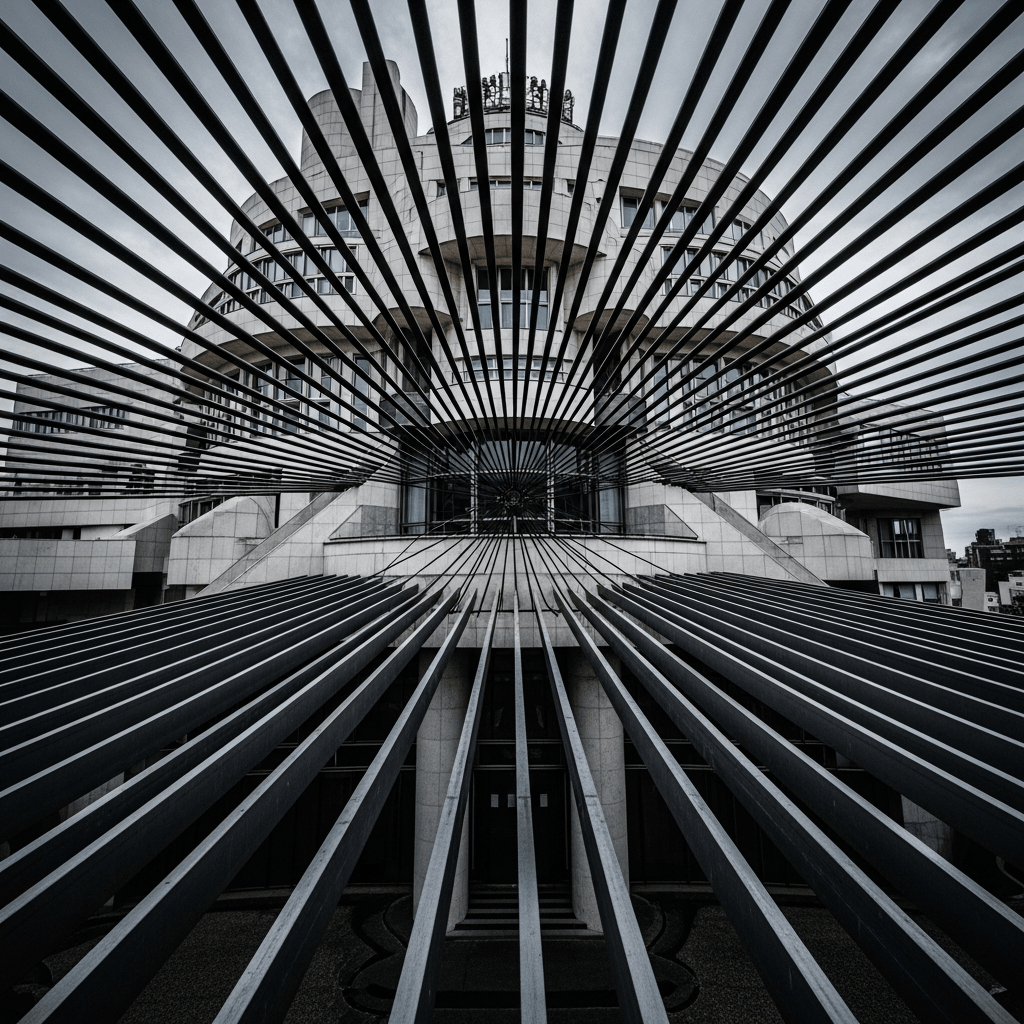
Futurism
Futurism is an avant-garde architectural movement that emerged in early 20th-century Italy, defined by its radical embrace of speed, technology, and dynamic forms, and its rejection of historical precedent.
Futurism is an avant-garde architectural movement that emerged in early 20th-century Italy, defined by its radical embrace of speed, technology, and dynamic forms, and its rejection of historical precedent.
Futurist architecture originated in Italy around 1909, inspired by the broader Futurist art movement that celebrated modernity, industrial progress, and the transformative power of technology. The movement was catalyzed by manifestos and visionary drawings, most notably those of Antonio Sant’Elia, who imagined cities shaped by machines and perpetual motion. While its core period spanned from 1909 to 1930, Futurism’s ethos later resurfaced in Neo-Futurism from the late 20th century onward, influencing architects worldwide.
Futurism is classified within the Modernism school of architecture. It stands as a distinct style, with substyles including Early Futurism and Neo-Futurism. While its roots are Italian, Futurism’s ideas spread globally, influencing architectural thought in Russia, the UK, the USA, and beyond. The movement is closely related to Constructivism, Art Deco, and later Modernist and Neo-Futurist trends.
Futurist buildings are characterized by bold, angular, and fragmented geometries that evoke speed and motion. Designs often feature aerodynamic shapes, cantilevered structures, and industrial motifs, with a pronounced use of concrete, steel, and glass. The visual language is dynamic and forward-looking, prioritizing the sensation of movement and the integration of technology into the urban fabric. Many Futurist proposals remain visionary, with dramatic forms that challenge conventional spatial organization.
Futurist architecture was conceived to serve the needs of a rapidly changing, industrialized society. Functional typologies include transportation hubs, factories, and ambitious urban schemes—places where speed, efficiency, and technological integration are paramount. While few Futurist buildings were constructed, the movement’s influence is evident in visionary city proposals and the design of dynamic, infrastructure-rich environments. Neo-Futurism continues this legacy, adapting it for contemporary contexts such as high-tech civic spaces and innovative urban developments.
Bring this kind into your world illustrated posters, mugs, and shirts.
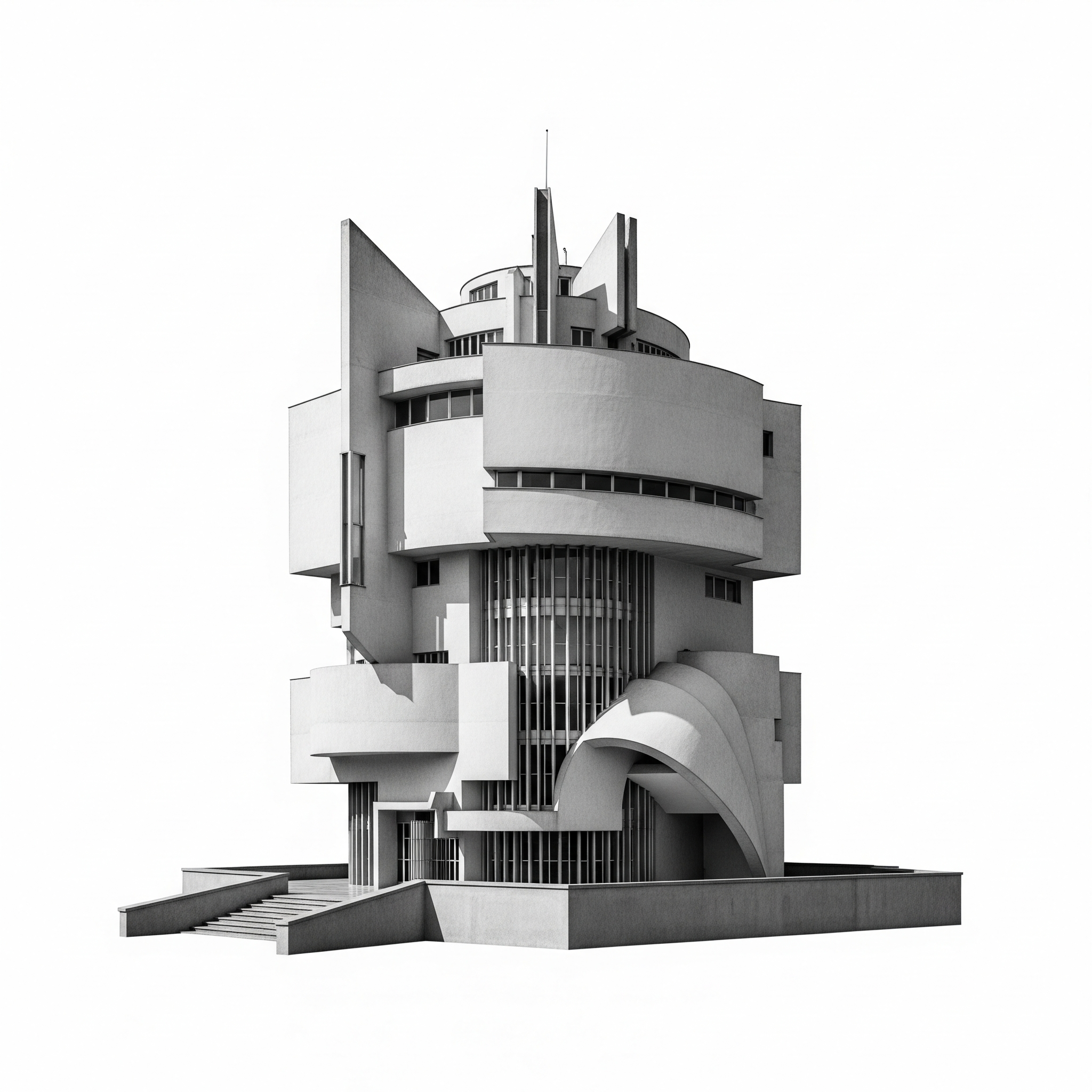
Archival print, museum-grade paper
Buy Poster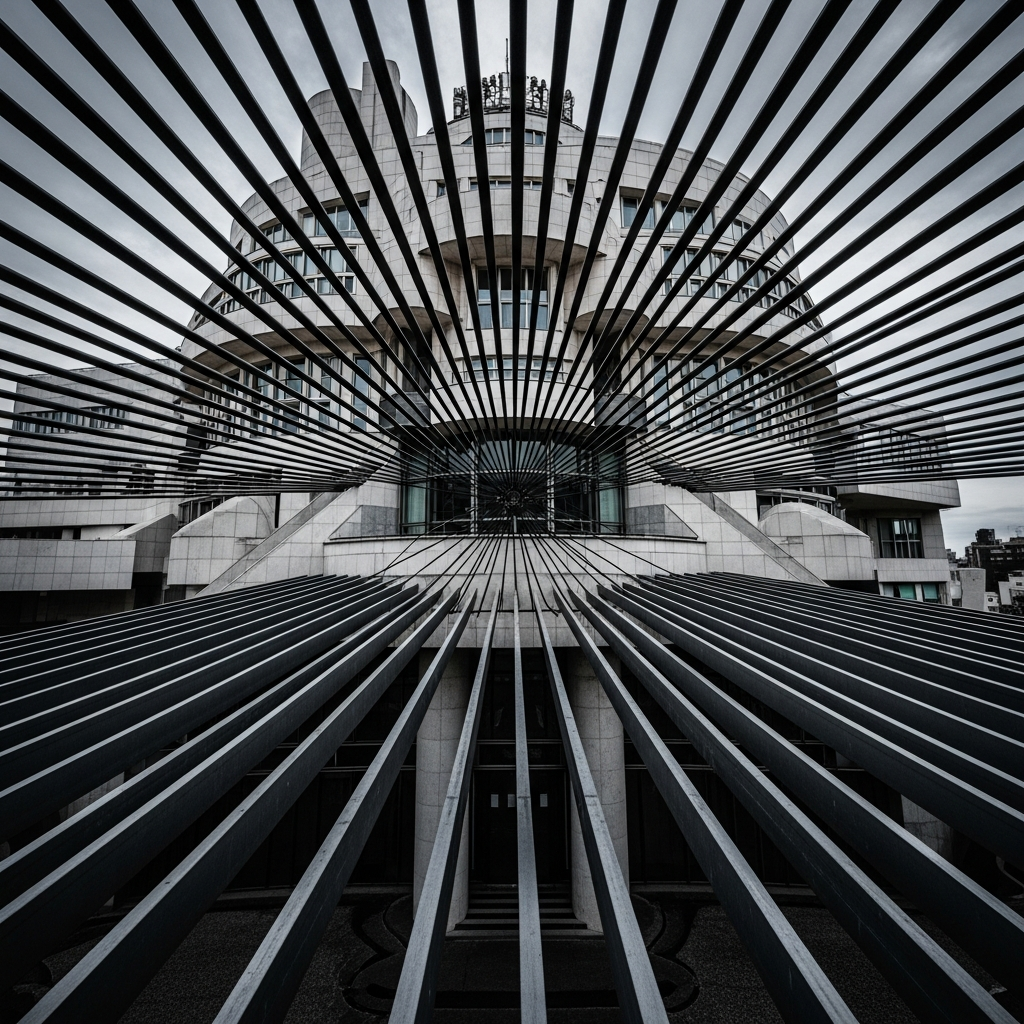
Stoneware mug, dishwasher safe
Buy Mug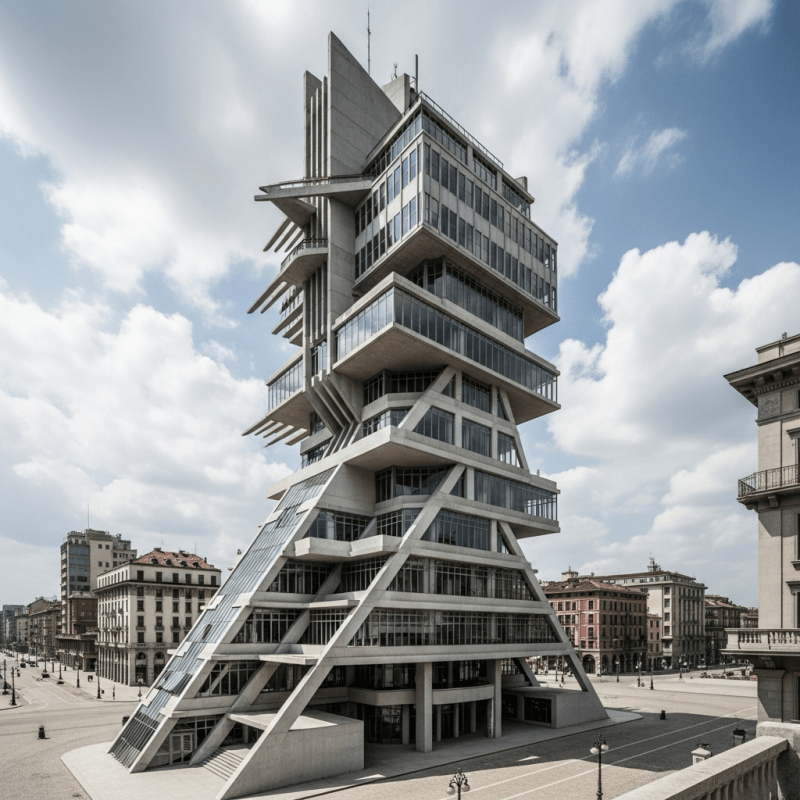
Soft cotton tee, unisex sizes
Buy ShirtFuturism holds a foundational place in the history of architectural avant-garde, symbolizing the optimism and upheaval of the early 20th century. Its radical ideas challenged traditional aesthetics and inspired generations of architects to envision cities shaped by technology and progress. Though its built legacy is limited, Futurism’s cultural impact endures in art, literature, and popular imagination, and its ethos resonates in the futuristic visions of today’s urban environments.
Futurism flourished in Italy between 1909 and 1930, coinciding with the rise of industrialization and modernist thought. Its influence later spread to Russia, the United Kingdom, the United States, and globally, especially through Neo-Futurism from the late 20th century onward.
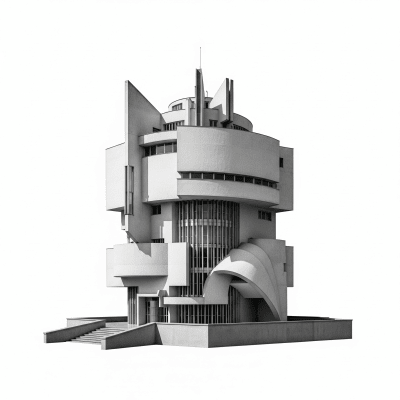
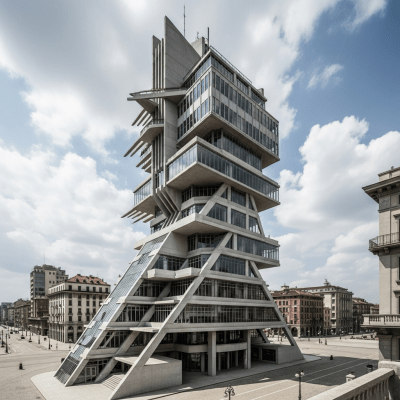

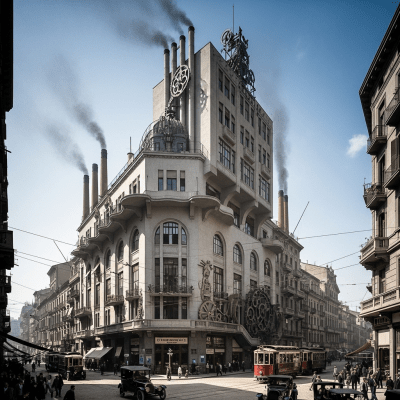

Futurist architects favored industrial materials such as concrete, steel, and glass, reflecting the technological advances of their era. Construction techniques emphasized cantilevering, dynamic forms, and the integration of infrastructure, often in visionary proposals for vertical cities and dynamic urban environments. While few buildings were realized, these methods anticipated later developments in high-tech and parametric architecture.
Futurism drew inspiration from Cubism, Expressionism, and the technological optimism of the early 20th century. It influenced and overlapped with Constructivism (especially in Russia), Art Deco (in motifs), and Modernism. Neo-Futurism, a late 20th–21st century reinterpretation, incorporates digital design, parametricism, and sustainability, diverging from original Futurist ideals while retaining its forward-looking spirit.
Regional variants of Futurism include Russian Futurism, which shares territory with Constructivism and embraced similar themes of industrial progress and dynamic form. Neo-Futurism represents a global evolution of the style, with architects such as Zaha Hadid and Santiago Calatrava reimagining Futurist principles for contemporary cities. While the original movement was centered in Italy, its influence can be traced in visionary projects and built works worldwide.
While Futurism as a movement has no formal heritage designation, individual works such as the Fiat Tagliero Building in Asmara are recognized as part of the UNESCO World Heritage Site "Asmara: A Modernist City" (2017). Futurism’s legacy is celebrated in architectural history as a catalyst for innovation and a touchstone for avant-garde design, with existing buildings and visionary proposals subject to local preservation efforts.