Federal
The Federal style is an American architectural tradition, celebrated for its elegant symmetry, refined Neoclassical motifs, and delicate ornamentation, which flourished in the United States from about 1780 to 1830.
The Federal style is an American architectural tradition, celebrated for its elegant symmetry, refined Neoclassical motifs, and delicate ornamentation, which flourished in the United States from about 1780 to 1830.
Federal architecture emerged in the wake of the American Revolution, as the new republic sought a visual language to express its ideals. Drawing inspiration from Roman classicism and the British Adam style, it took root along the Eastern Seaboard—especially in New England, the Mid-Atlantic, and Southern states—reflecting the optimism and civic aspirations of a young nation.
Federal style belongs to the broader school of Neoclassicism, distinguished by its adaptation of classical forms and philosophies. It evolved from Georgian architecture but is lighter and more restrained, and is sometimes referred to as the Adam style or Early Republic style in recognition of its influences and historical context.
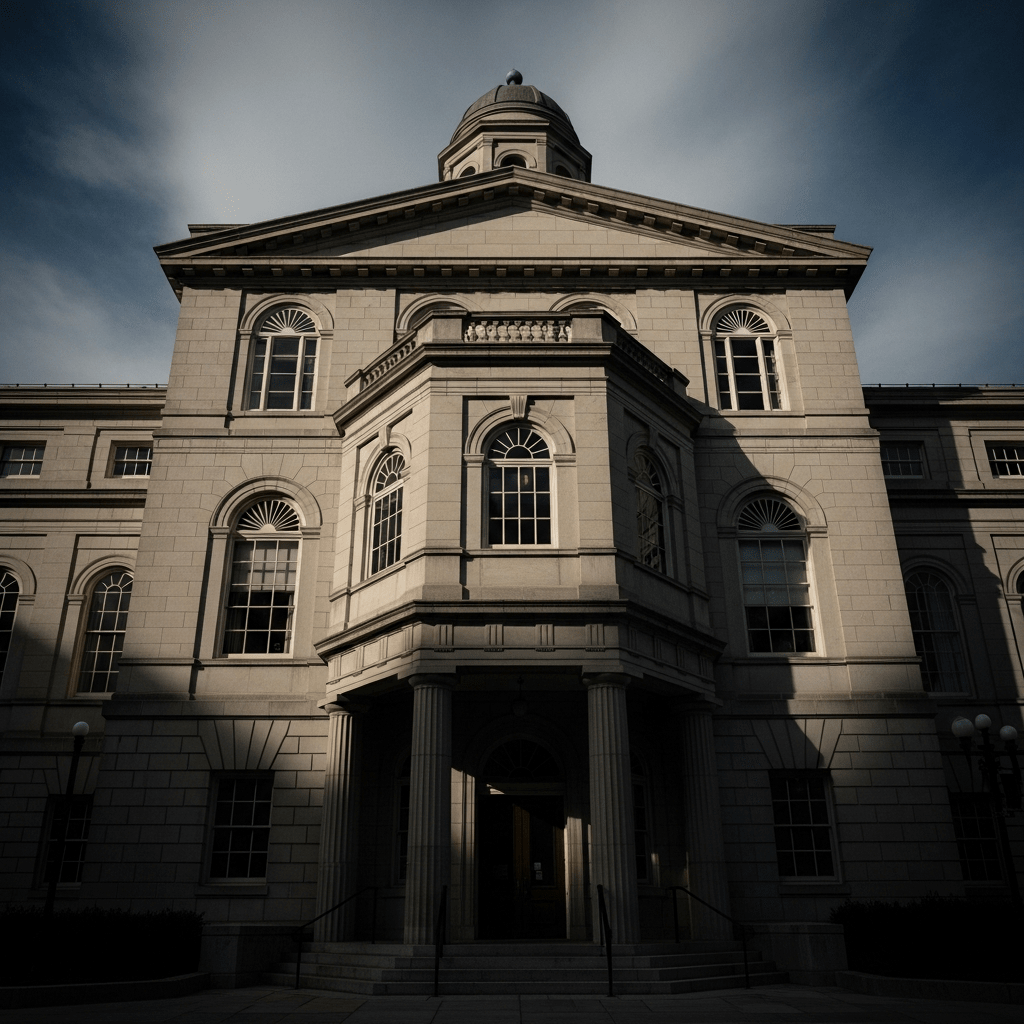
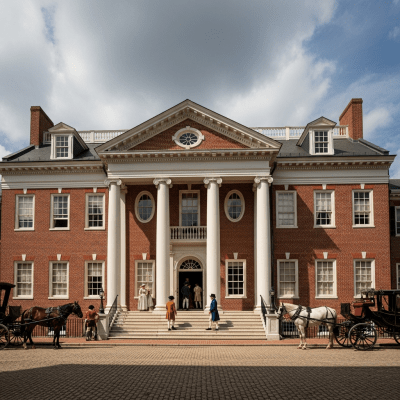
Federal buildings are instantly recognizable by their balanced, rectangular or square plans, low-pitched or flat roofs often hidden behind balustrades, and a harmonious sense of proportion. Signature elements include elliptical fanlights above doors, slender Ionic or Corinthian columns, Palladian windows, and delicate ironwork. Ornamentation is subtle—swags, garlands, urns, and classical moldings—creating an atmosphere of refined elegance and lightness.
Federal architecture served a variety of functions, from stately urban rowhouses and country estates to public buildings like courthouses, banks, and churches. Its rational layout and dignified appearance made it a favored choice for early government structures, symbolizing order and civic virtue in the built environment.
Bring this kind into your world illustrated posters, mugs, and shirts.

Archival print, museum-grade paper
Buy Poster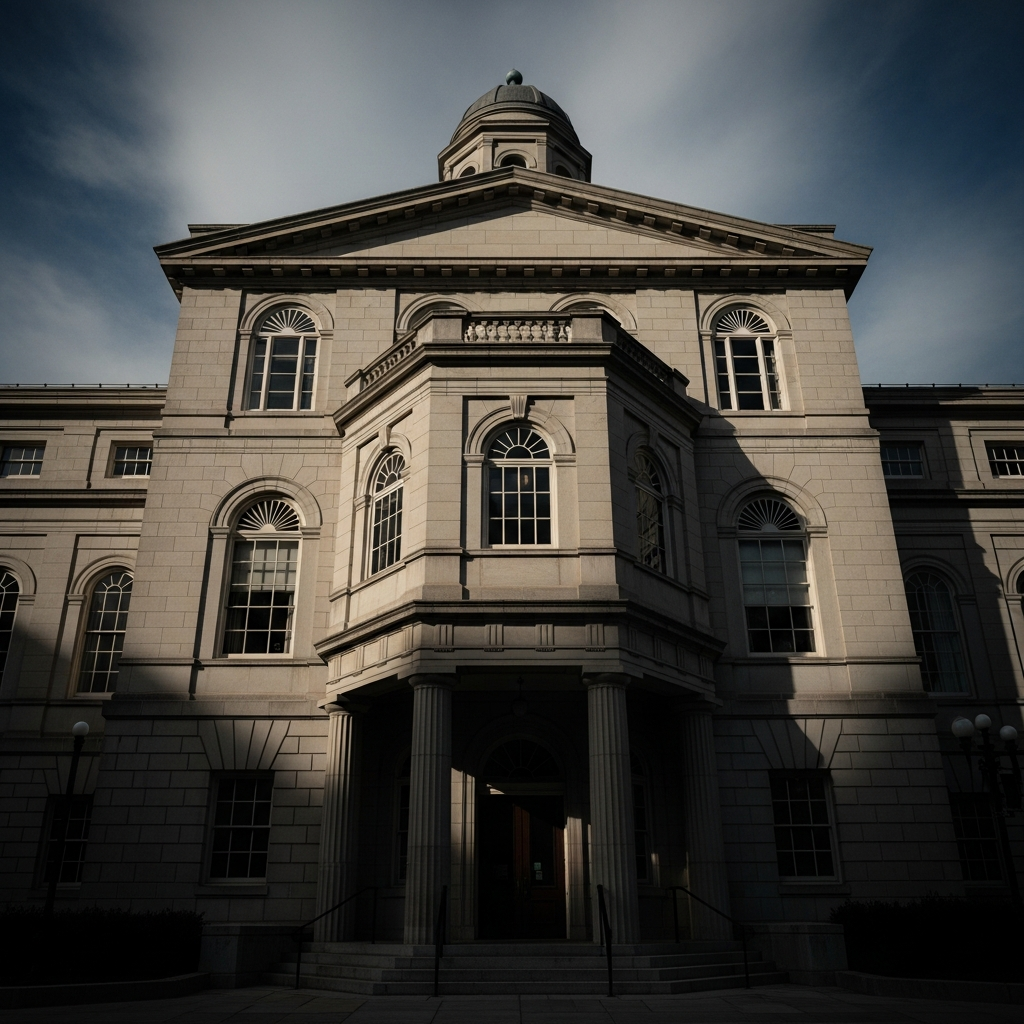
Stoneware mug, dishwasher safe
Buy Mug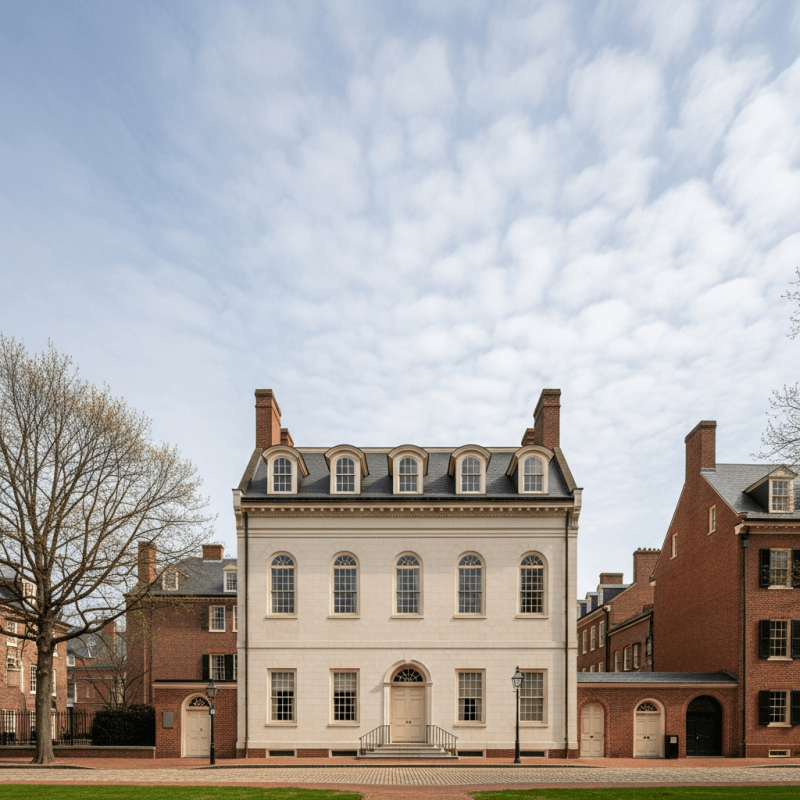
Soft cotton tee, unisex sizes
Buy ShirtThe Federal style is deeply woven into the fabric of American identity, representing the ideals of the early republic and the nation’s embrace of classical values. Its influence is seen in iconic landmarks such as the White House and Massachusetts State House, and its aesthetic continues to inspire historic preservation, literature, and visual arts.
Federal architecture flourished in the United States from circa 1780 to 1830, with some rural examples extending into the 1840s. Its heartland was the Eastern Seaboard, notably New England, the Mid-Atlantic, and the Southern states, where it shaped the civic and residential landscapes of the early republic.
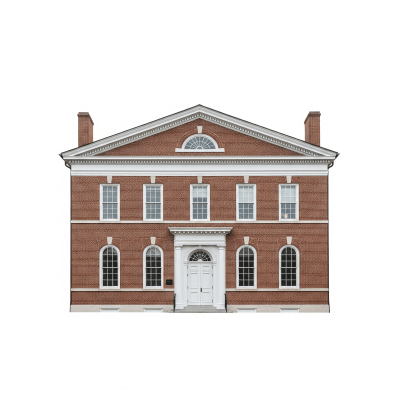
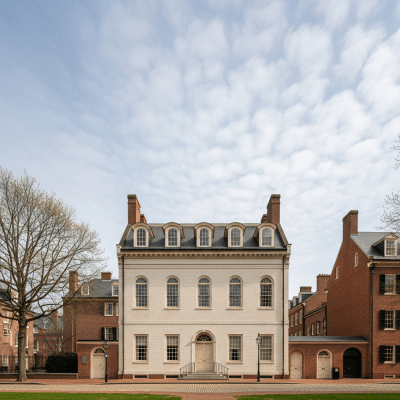
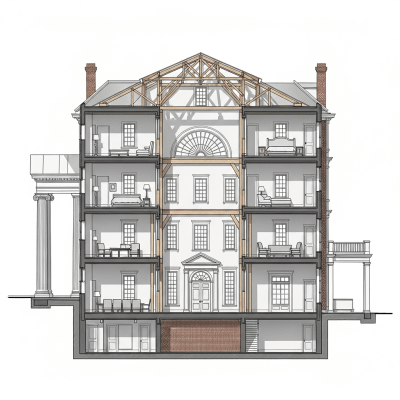
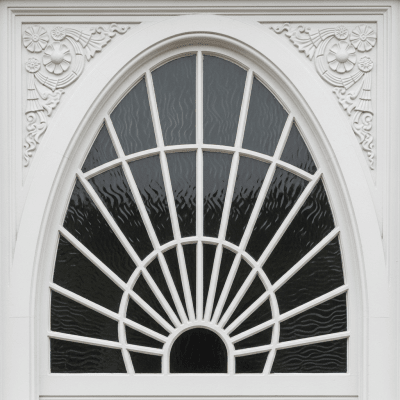
Federal buildings typically feature red brick, wood, stone, and occasionally stucco. Brickwork often employs Flemish bond patterns, while woodwork is finely detailed with slender moldings and thin muntins in windows. Decorative ironwork and plasterwork add a touch of elegance, and construction emphasizes craftsmanship and proportion.
Federal style was shaped by the British Adam style and Georgian architecture, embracing Roman and Greek classical motifs. It paved the way for Greek Revival in the United States and shares affinities with the British Regency style and later Colonial Revival movements.
Distinct regional expressions of Federal architecture include New England Federal, noted for its restrained detailing; Southern Federal, which often features grander proportions; and Baltimore Federal, celebrated for its elaborate brickwork and ironwork. These local adaptations reflect the materials, climate, and cultural influences of each area.
Federal-style buildings are widely recognized as part of America’s architectural heritage, with many listed on the U.S. National Register of Historic Places and designated as National Historic Landmarks. Iconic examples like the White House and Massachusetts State House are included in UNESCO World Heritage tentative lists, and the style is formally acknowledged by leading organizations such as the AIA, RIBA, and Getty Vocabulary Program. Preservation efforts remain active in historic districts across the Eastern United States.