Origin Story

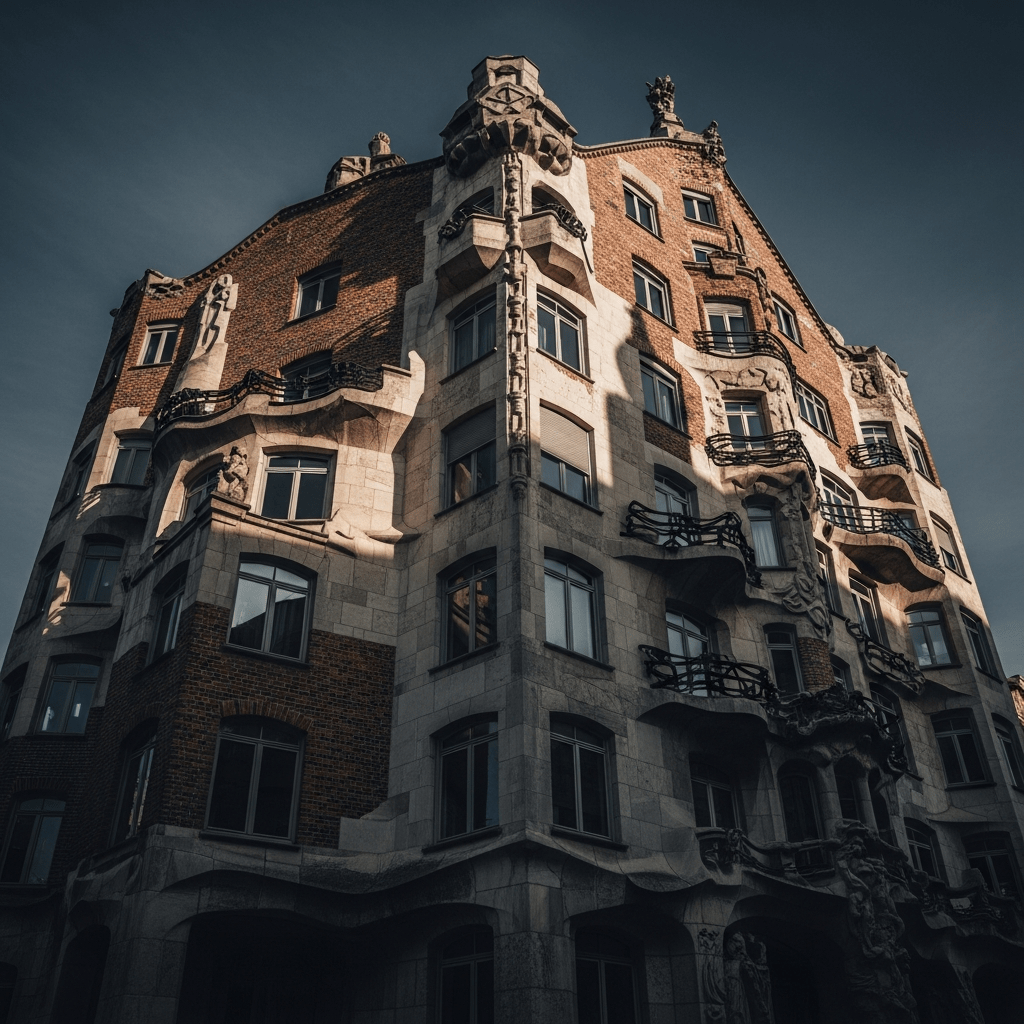
Expressionist architecture emerged in Germany and Central Europe around 1910, flourishing through the 1920s as a creative response to the upheavals of World War I and the rapid pace of industrialization. Architects sought new ways to express the anxieties and aspirations of the modern age, drawing inspiration from the broader Expressionist art movement and a desire to evoke spiritual and emotional resonance through built form.

Classification

Expressionism is a style within the broader Modernist school of architecture. It encompasses several substyles, such as Brick Expressionism, Glass Expressionism, and Alpine Architecture, and is closely related to other avant-garde movements of the early 20th century.

Appearance or Form

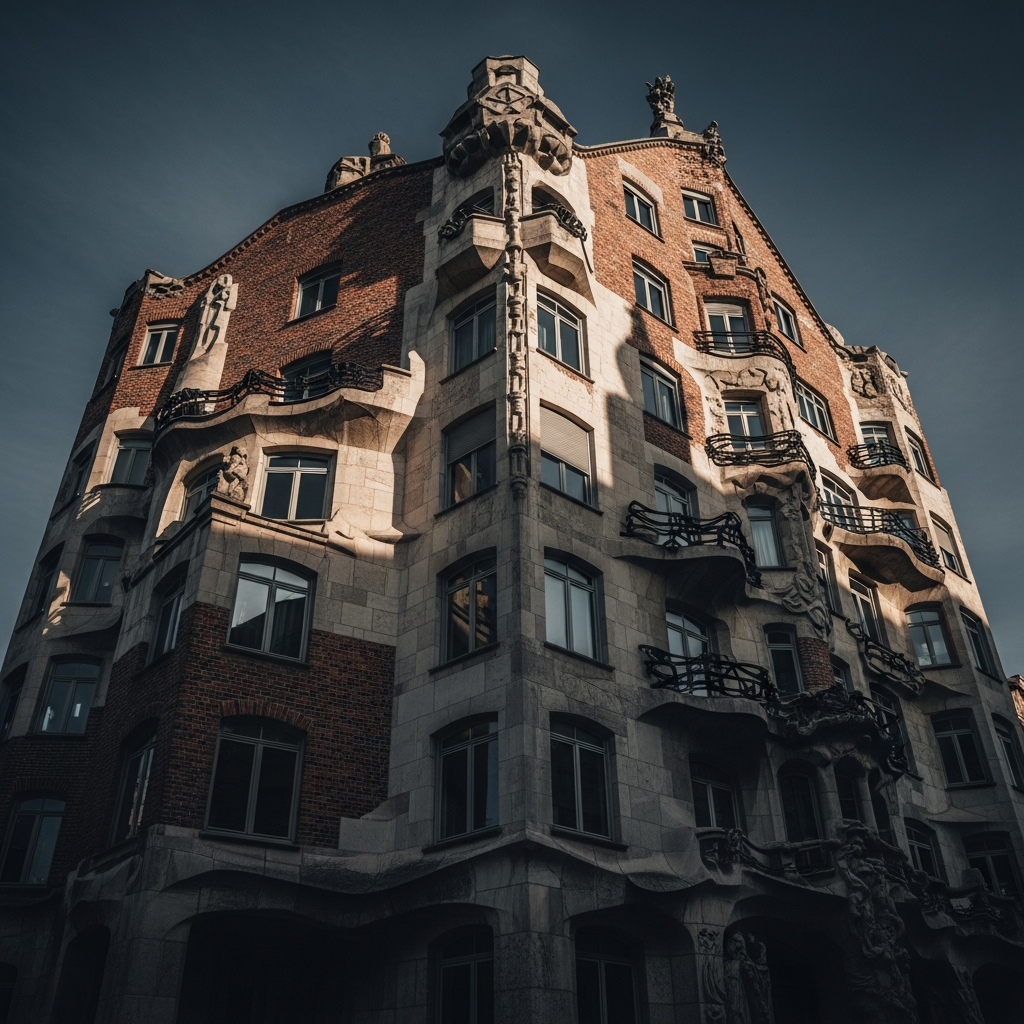
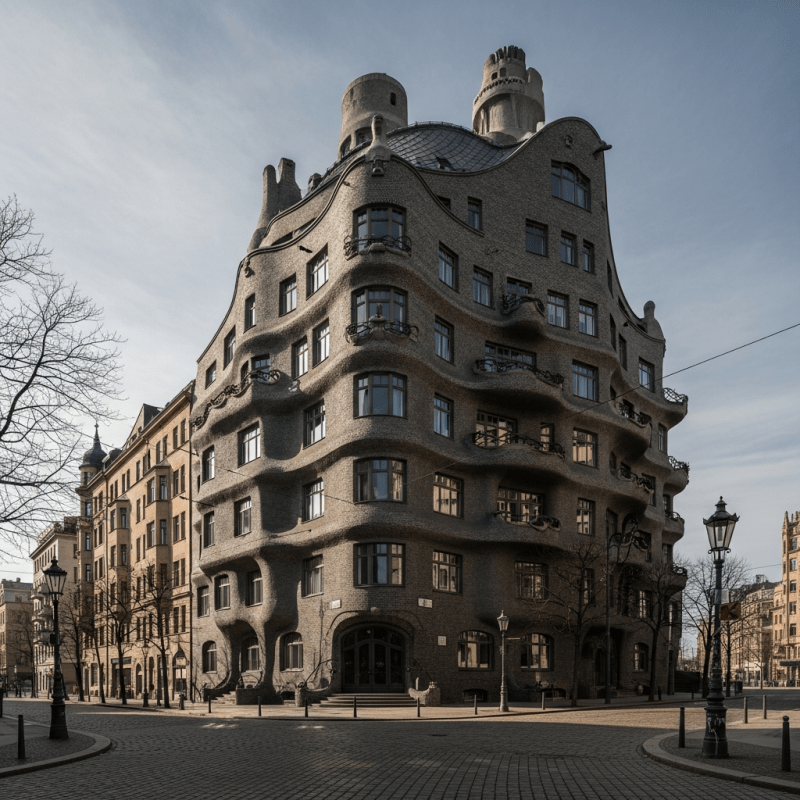
Expressionist buildings are visually striking, often featuring sweeping curves, jagged lines, and sculptural masses that seem to defy gravity. Facades and interiors may display abstract ornamentation, crystalline or organic forms, and a dramatic interplay of light and shadow. The overall effect is one of movement and emotional intensity, inviting viewers to experience architecture as a living, expressive art.

Behavior or Usage

Expressionist architecture is most commonly found in public and communal buildings—such as theaters, churches, housing complexes, exhibition pavilions, and monuments—designed to inspire, uplift, and engage the spirit. Many structures were intended as statements of social transformation, using innovative forms and materials to challenge conventions and foster new ways of living.

Merchandise & Prints

Bring this kind into your world � illustrated posters, mugs, and shirts.
Expressionism Expressionism Poster

Expressionism Poster

Archival print, museum-grade paper

Expressionism Expressionism Mug

Expressionism Mug

Stoneware mug, dishwasher safe

Expressionism Expressionism Shirt

Expressionism Shirt

Soft cotton tee, unisex sizes

Attributes & Insights

Taxon-Specific Insights

🌍Cultural Significance

Expressionism holds a pivotal place in modern architectural history, symbolizing a break from rationalist traditions and a quest for deeper meaning in the built environment. Its influence extends beyond architecture into art, literature, and film, and its most iconic buildings are celebrated as cultural landmarks and protected heritage sites, especially in Germany and the Netherlands.

📌Notable Facts

  • Expressionist architects often collaborated with artists and craftsmen, resulting in highly original, handcrafted details.
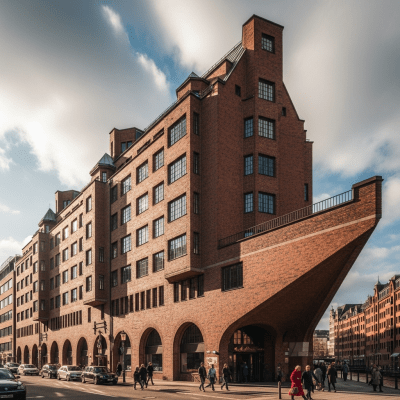
  • The Chilehaus in Hamburg is recognized as part of a UNESCO World Heritage Site for its Brick Expressionist design.
  • Some Expressionist buildings, such as the Einstein Tower, were constructed using experimental techniques and materials that were groundbreaking for their time.

🗺️Period And Region

Expressionism flourished from circa 1910 to 1930, primarily in Germany and Central Europe, with significant examples in the Netherlands, Czechoslovakia, Scandinavia, and Switzerland.
Visual Variations

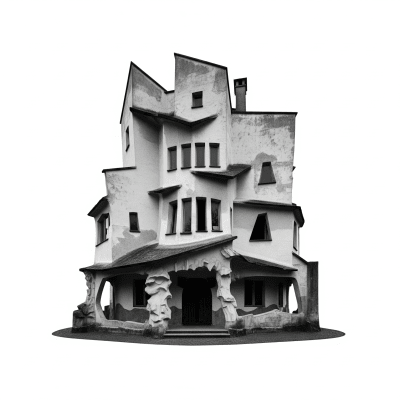
High quality, studio-style photograph of a single Expressionism from the architecture taxonomy
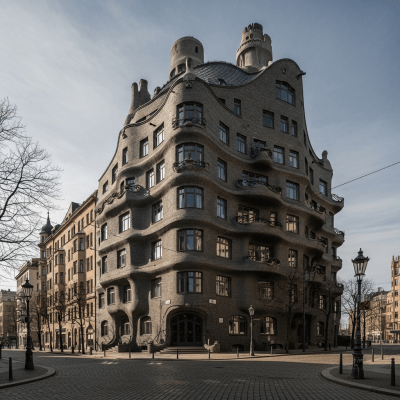
A wide-angle photograph of Expressionism, a type of architecture, situated in its typical environment or setting
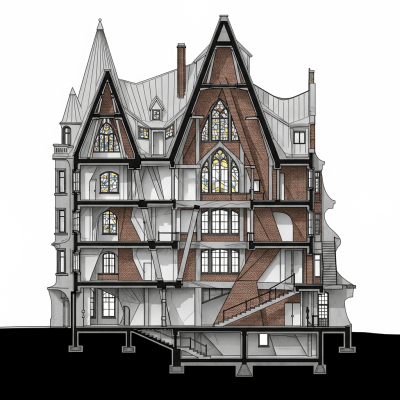
Detailed cross-sectional illustration or cutaway view showing the internal layout and key structural elements of the Expressionism (architecture)
Photograph depicting Expressionism, an example of architecture, in active use or cultural context—such as being inhabited, visited, or used for its intended purpose—while keeping focus on the structure itself
Close-up detail shot of a distinctive feature or ornamentation from the Expressionism (architecture), showing material texture, craftsmanship, or unique design elements

Composition & Context

Taxon-Specific Insights

✨Key Characteristics

  • Dynamic, dramatic forms that evoke emotion
  • Rejection of symmetry and rationalism
  • Organic and crystalline shapes
  • Innovative use of brick, glass, steel, and concrete
  • Expressive ornamentation and interplay of light
  • Architecture as a vehicle for spiritual and social transformation

🧱Materials And Techniques

Expressionist architects experimented with brick, glass, steel, concrete, and wood, often pioneering new construction techniques such as reinforced concrete and glass curtain walls. Artisanal methods and handcrafted details were favored to achieve unique, expressive effects.

🏛️Notable Works

  • Einstein Tower (Potsdam, Germany) by Erich Mendelsohn
  • Grosses Schauspielhaus (Berlin, Germany) by Hans Poelzig
  • Chilehaus (Hamburg, Germany) by Fritz Höger
  • Goetheanum (Dornach, Switzerland) by Rudolf Steiner
  • Glass Pavilion (Cologne, Germany) by Bruno Taut

👷‍♂️Notable Practitioners

  • Erich Mendelsohn
  • Hans Poelzig
  • Bruno Taut
  • Fritz Höger
  • Rudolf Steiner
  • Dominikus Böhm

🔗Influences And Related Styles

Expressionism drew inspiration from Expressionist art, Art Nouveau’s organic forms, and the spiritual aspirations of Gothic architecture. It is related to Art Deco, Constructivism, De Stijl, Futurism, and later influenced Brutalism and Organic architecture.

🌍Regional Variants

  • Brick Expressionism (Backsteinexpressionismus): Northern Germany and the Netherlands
  • Glass Expressionism: Associated with Bruno Taut and the Glass Chain group
  • Alpine Architecture: Visionary proposals by Bruno Taut
  • Czech Cubism: Sometimes considered a related or parallel movement

🏅Heritage And Recognition

Expressionist buildings such as the Chilehaus are listed as UNESCO World Heritage Sites, and many are protected as national monuments or by organizations like DOCOMOMO International. These efforts reflect the style’s enduring cultural and historical significance.

Faq

  • What makes Expressionist architecture unique?
    Its emphasis on emotional impact, organic forms, and innovative materials sets it apart from more traditional styles.
  • Where can I see Expressionist buildings?
    Germany is home to many iconic examples, but notable works can also be found in the Netherlands, Switzerland, and Central Europe.
  • Is Expressionism still influential today?
    Yes—its legacy continues in contemporary architecture, especially in organic and sculptural design approaches.